The Hidden Link: Cooling System and Transmission Clutch Health
As we navigate the automotive landscape in 2026, the GMT360 platform—specifically the 2002 Chevy Trailblazer equipped with the 4.2L LL8 inline-six and the 4L60-E automatic transmission—remains a frequent subject for drivetrain diagnostics. While 'clutch slipping' is traditionally viewed as an internal transmission failure, experienced technicians know that thermal management is the first line of defense. Misdiagnosing internal 4L60-E clutch pack failure without first verifying the health of the engine cooling system is a costly mistake that leads to premature rebuilds. This preventive maintenance guide explores the intricate relationship between transmission clutch slip and cooling system deficiencies, focusing heavily on the often-overlooked 2002 chevy trailblazer fan clutch and its role in preserving hydraulic integrity.
Identifying 4L60-E Clutch Slipping Symptoms
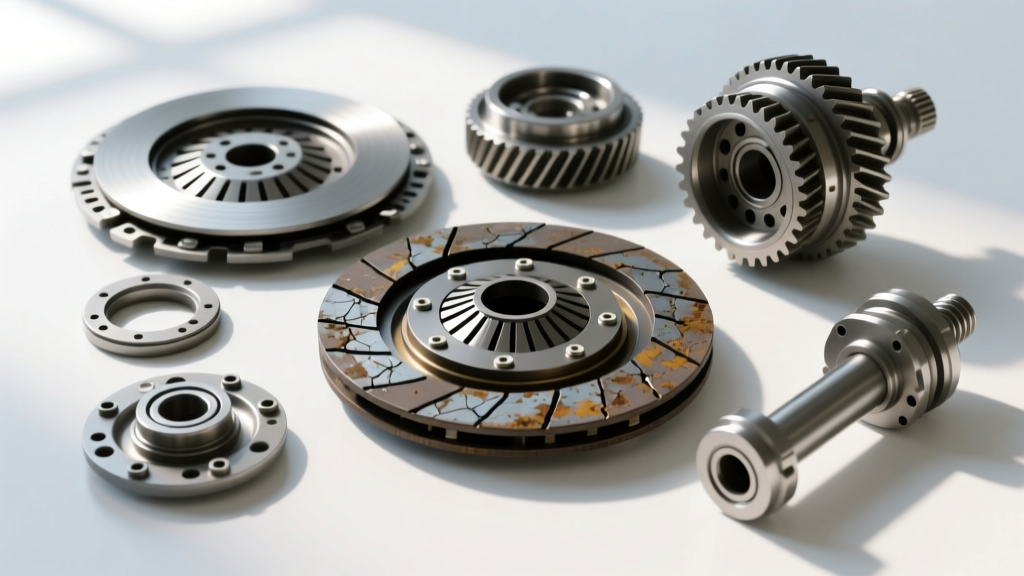
Internal clutch slipping in the 4L60-E occurs when the hydraulic pressure is insufficient to hold the friction materials against the steel reaction plates, or when the friction material itself has been thermally degraded. Because the Trailblazer is a heavy mid-size SUV, the transmission is under constant load, generating significant heat. Symptoms of internal slip include:
- RPM Flares: Engine RPMs surge momentarily during the 1-2 or 2-3 upshifts without a corresponding increase in vehicle speed.
- Delayed Reverse Engagement: A distinct 2-to-3 second delay when shifting from Park to Reverse, often accompanied by a harsh 'clunk' once the low-reverse clutch pack finally applies.
- Slipping Under Load: The transmission feels as though it shifts into neutral while climbing grades or towing, indicating a failure in the 3-4 clutch pack or the 2-4 band.
- Fluid Degradation: Dexron III or VI fluid turns dark brown or black and emits a distinct burnt-toast odor, signaling that the friction material has glazed or delaminated.
The 3-4 Clutch Pack Vulnerability
The 4L60-E is notorious for 3-4 clutch pack failure. This pack is located at the rear of the transmission and is responsible for holding 3rd and 4th gears. Due to its position and the inherent design of the 4L60-E apply chart, the 3-4 clutches are subjected to high slip RPMs during the 2-3 shift. When transmission fluid temperatures exceed 220°F (104°C), the paper/cellulose-based friction materials begin to break down. This is where the engine's cooling system becomes a transmission component.
Diagnostic Protocol: Fan Clutch vs. Internal Transmission Slip
Before condemning the 4L60-E and ordering a master rebuild kit, technicians must rule out thermal overload caused by a failing cooling system. The factory transmission cooler is integrated into the radiator's lower tank. If the engine fan is not pulling adequate air across the radiator at low speeds or idle, both engine coolant and transmission fluid temperatures will skyrocket. Below is a diagnostic matrix to differentiate between a failing fan clutch and internal transmission wear.
| Symptom / Test Parameter | Failing Fan Clutch (Thermal Issue) | Internal 4L60-E Clutch Slip (Mechanical) |
|---|---|---|
| Slip Occurrence | Only when hot, in traffic, or towing at low speeds | Consistent, regardless of ambient temperature |
| Engine Coolant Temp (ECT) | Creeps above 225°F at idle | Remains stable around 195°F - 210°F |
| Transmission Line Pressure | Normal (60-75 psi idle / 190+ psi stall) | Low or dropping during slip events |
| Cooler Line Flow Rate | Adequate (1 quart in 15 seconds) | Adequate (unless pump is failing) |
Preventive Maintenance: Testing the Fan Clutch
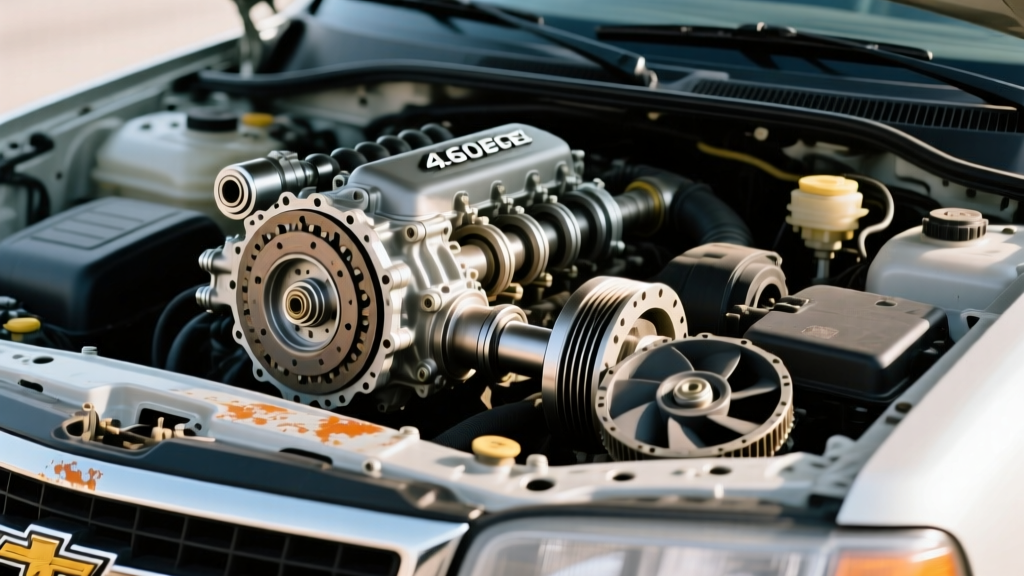
When performing preventive maintenance on the GMT360 platform, inspecting the 2002 chevy trailblazer fan clutch is critical to extending the life of the 4L60-E. The 2002 model year utilizes a thermal-viscous fan clutch. It contains a silicone-based shear fluid and a bimetallic coil spring on the front face that reacts to the temperature of the air passing through the radiator.
The Thermal Imaging and Spin Test
To diagnose the fan clutch without specialized teardown tools, use an infrared thermal gun and a laser tachometer. Start the Trailblazer cold. The fan should spin freely and disengaged. Allow the engine to reach operating temperature (approx. 205°F). As the thermostat opens and hot air hits the bimetallic spring, the internal valve should open, allowing the shear fluid to engage the fan hub.
Pro Tip: Use an OBD-II scanner to monitor the Transmission Fluid Temperature (TFT) PID. If the TFT reads above 215°F while idling in traffic, but the engine fan sounds like a gentle breeze rather than a roaring jet engine, the viscous fluid inside the clutch has likely depleted or the bimetallic spring has failed. Replace the fan clutch immediately to prevent 4L60-E 3-4 clutch pack glazing.
Upgrading Fluid Dynamics and Shift Firmness
If the fan clutch is functioning properly but you are still experiencing minor, heat-induced clutch slip, preventive maintenance should shift to the valve body and fluid chemistry. Upgrading from the original Dexron III specification to full synthetic Dexron VI provides a higher thermal breakdown threshold and improved shear stability. Furthermore, installing a TransGo SK-4L60E shift kit corrects the factory accumulator bleed issues, increasing line pressure to the 3-4 clutch pack and reducing the slip time during the 2-3 shift. This mechanical firming drastically reduces the heat generated inside the transmission drum.
Repair Specifications, Torque Settings, and Part Numbers
Whether you are replacing the fan clutch to save the transmission, or performing a 4L60-E clutch pack replacement after thermal failure, adhering to exact torque specifications is vital. The aluminum cases and thin stamped-steel pans of the early 2000s GM trucks are highly susceptible to thread stripping.
Key Part Numbers & Pricing (2026 Estimates)
- Fan Clutch Assembly: ACDelco Professional Part # 15-40145 (or GM OEM 15998899). Cost: $65 - $95.
- 4L60-E Master Rebuild Kit: Raybestos GPZ High-Energy Friction Kit (Part # RGPZ-4L60E). Cost: $280 - $350. The GPZ material is highly recommended for Trailblazers due to its superior heat resistance compared to standard cellulose.
- Upgraded 3-4 Clutch Piston: Sonnax Part # 77902-01K. Cost: $45. Prevents the piston from scoring the aluminum drum.
Critical Torque Specifications
- Transmission Oil Pan Bolts: 89 lb-in (10 Nm). Do not exceed, or you will strip the aluminum case threads.
- Torque Converter to Flexplate Bolts: 35 lb-ft (47 Nm) with threadlocker.
- Transmission Cooler Line Fittings (Radiator Side): 20 lb-ft (27 Nm). Use a backup wrench on the radiator tank to prevent cracking the plastic end-tanks.
- Bellhousing to Engine Block Bolts: 37 lb-ft (50 Nm).
For deeper hydraulic schematics and valve body bore wear patterns specific to the 4L60-E, technicians should consult the Sonnax 4L60-E Technical Resources database. Understanding the synergy between the engine's cooling capacity and the transmission's hydraulic clutches is the hallmark of elite drivetrain diagnostics. By maintaining the 2002 chevy trailblazer fan clutch and monitoring thermal thresholds, you can easily extract hundreds of thousands of additional miles from the GMT360 platform without requiring a transmission teardown.
For more information on OEM cooling components and factory replacement specifications, refer to the ACDelco Parts Catalog.