The True Cost of Toyota Front Differential Maintenance
When it comes to the longevity of Toyota 4x4 drivetrains, the front differential is arguably the most neglected component. Whether you are driving a 3rd-generation Tacoma, a 5th-generation 4Runner, or a Tundra, the front differential operates under immense mechanical stress, particularly when engaged in 4WD High or 4WD Low. Yet, unlike engine oil, front differential gear oil is often ignored until the housing begins to whine, howl, or ultimately catastrophically fail. For DIY mechanics and fleet owners alike, understanding the precise service requirements and the associated costs is critical for budgeting and preventing expensive drivetrain repairs in 2026.
Decoding the Toyota Differential Drain Plug Size
One of the most frequent and frustrating search queries among Toyota truck owners is the exact toyota differential drain plug size. The confusion stems from the fact that Toyota utilizes different fastener styles across the drivetrain. If you guess incorrectly, you risk rounding the bolt head, turning a simple $40 fluid swap into an $800 housing replacement or extraction nightmare.
Here is the definitive breakdown for modern Toyota trucks and SUVs (Tacoma, 4Runner, Tundra, Sequoia):
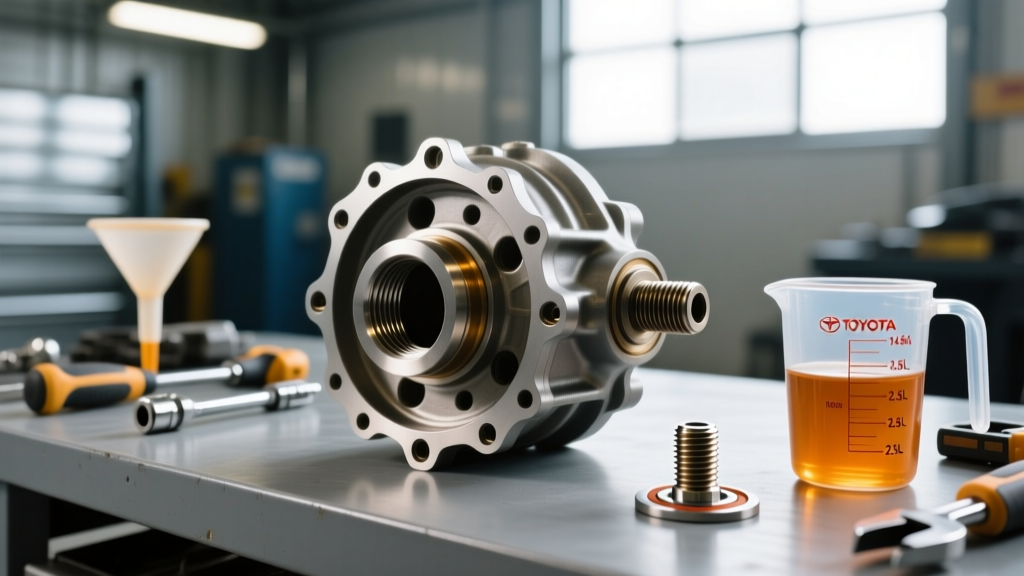
- Front Differential Housing: The fill and drain plugs on the front differential housing almost universally require a 24mm 6-point socket. This applies to both the 8-inch drop-out and clamshell-style front housings found on Toyota's independent and solid front axle setups.
- Transfer Case & Rear Differential: Conversely, the transfer case drain plug and many rear differential drain plugs utilize a 10mm Allen (hex) bit.
The most common mistake beginners make is attempting to use a 10mm Allen bit or a standard 12-point socket on the front differential's 24mm hex plug. Because the steel plug is threaded into a relatively soft aluminum housing, using an ill-fitting tool will strip the plug's outer hex profile. Always use a high-quality, dedicated 24mm 6-point socket to ensure maximum surface contact and prevent rounding.
2026 Cost Analysis: DIY vs. Dealership vs. Independent Shop
As labor rates continue to climb in 2026, the financial argument for performing your own front differential service has never been stronger. Dealerships often bundle front and rear differential services into a single '4x4 Maintenance Package,' which can artificially inflate the perceived cost of a single axle service. Below is a realistic price breakdown for a standard front differential drain and fill on a Toyota Tacoma or 4Runner.
| Cost Factor | DIY Mechanic | Independent 4x4 Shop | Toyota Dealership |
|---|---|---|---|
| Gear Oil (2 Quarts 75W-85/90 GL-5) | $30 - $45 | $45 - $65 | $55 - $80 |
| Crush Washers (OEM Aluminum) | $4 - $6 | $10 - $15 | $12 - $18 |
| Shop Labor (0.5 - 1.0 Hour) | $0 | $90 - $150 | $160 - $220 |
| Total Estimated Cost | $34 - $51 | $145 - $230 | $227 - $318 |
By sourcing your own fluids and spending roughly 30 minutes in the driveway, you can save upwards of $250 per service interval. Furthermore, doing it yourself guarantees that high-quality synthetic gear oil is used, whereas some quick-lube or budget shops may bulk-fill with conventional, mineral-based 80W-90 that degrades faster under high-temperature 4WD operation.
OEM Specifications, Torque Values, and Part Numbers
To execute this service correctly, you must adhere to Toyota's engineering specifications. Deviating from these parameters can lead to leaks, stripped threads, or inadequate gear protection. You can verify these part numbers directly through the official Toyota Parts Center or cross-reference aftermarket equivalents.
- Fluid Specification: API GL-5 Grade. Toyota's OEM fill is 75W-85, but 75W-90 GL-5 is fully compatible and widely preferred by the off-road community for its superior shear stability and high-temperature protection. Consult the AMSOIL Product Lookup for severe-duty synthetic options.
- Friction Modifier Requirement: NONE. Toyota front differentials are open differentials. They rely on brake-based traction control (A-TRAC) or locking front hubs. Do not waste money on Limited Slip Friction Modifiers (LSFM) for the front diff; they are unnecessary and can alter the fluid's frictional characteristics.
- Fluid Capacity: Approximately 1.6 to 1.7 Liters (1.7 to 1.8 Quarts) for Tacoma and 4Runner front housings. Always purchase two quarts.
- Crush Washer Part Number: 90430-24003 (24mm Inner Diameter, Aluminum). Never reuse the old crush washer; aluminum deforms to create a seal and loses its structural integrity once torqued.
- Torque Specification: 29 lb-ft (39 Nm) for both the 24mm fill and drain plugs.
The Galvanic Corrosion Trap: Avoiding the $800 Mistake
The front differential housing is cast aluminum, while the drain and fill plugs are typically steel. When dissimilar metals are exposed to moisture, road salt, and heat cycles, galvanic corrosion occurs. The steel plug essentially welds itself to the aluminum housing. If you attempt to break a corroded 24mm plug loose with a standard ratchet, you risk cracking the aluminum housing or snapping the plug head off entirely.
Pro-Tip: 24 hours before your service, spray the fill and drain plugs with a high-quality penetrating fluid like Kroil or PB Blaster. If the plug refuses to budge, apply localized heat using a heat gun or carefully with a propane torch to expand the aluminum housing away from the steel plug threads. If a plug does snap or strip, professional extraction and helicoil repair will cost between $300 and $800, completely destroying the economic benefit of a DIY service.
Step-by-Step Front Differential Service Procedure
For those ready to tackle the job, follow this sequence to ensure a clean, leak-free service. For deeper technical discussions on gear oil analysis and wear metals, the Bob Is The Oil Guy Forums remain an invaluable community resource.
- The Golden Rule - Remove the FILL Plug First: Before you drain a single drop of oil, locate the fill plug (usually situated higher up on the passenger side or front-facing section of the housing) and remove it with your 24mm socket. If the drain plug comes out but the fill plug is seized, you will be left with an empty differential and a vehicle you cannot drive until the fill plug is extracted.
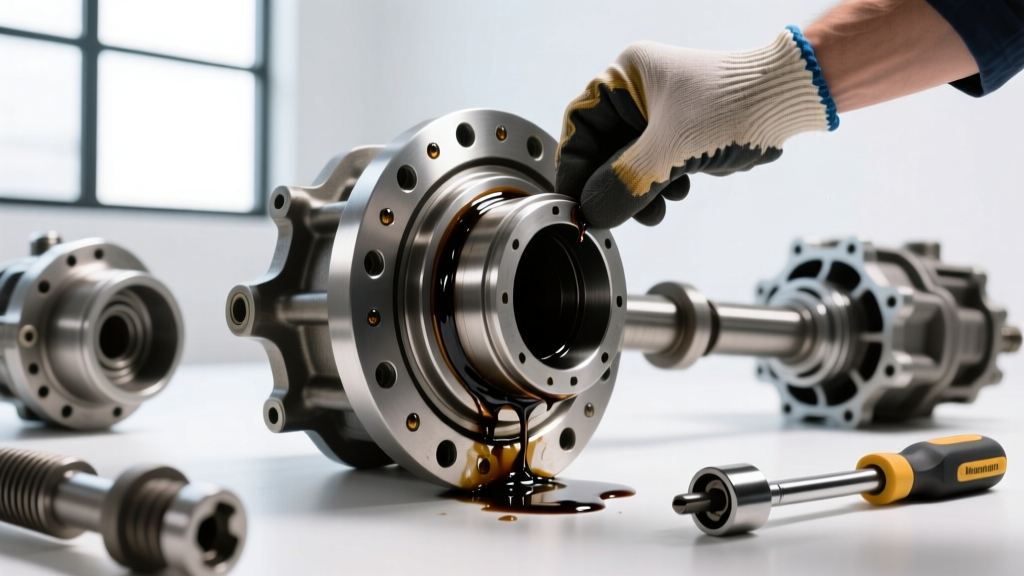
- Drain the Old Fluid: Place a catch pan rated for at least 3 quarts beneath the housing. Remove the bottom drain plug. Inspect the drain plug for excessive metal shavings. A fine, glitter-like paste on the magnetic plug is normal wear; large chips or jagged shards indicate internal gear or bearing failure.
- Prep the Threads: Clean the drain and fill plugs with brake cleaner. Replace the aluminum crush washers with new OEM 90430-24003 washers. Apply a very thin layer of anti-seize compound to the plug threads to prevent future galvanic corrosion, ensuring the anti-seize does not contaminate the gear oil.
- Reinstall the Drain Plug: Thread the drain plug in by hand to avoid cross-threading the soft aluminum housing. Tighten to the factory specification of 29 lb-ft (39 Nm).
- Fill the Housing: Using a fluid transfer pump, inject the 75W-85 or 75W-90 GL-5 gear oil into the fill hole. The differential is full when the fluid begins to weep out of the fill hole. Allow it to drip for a moment to ensure the level is perfectly flush with the bottom of the fill threads.
- Seal and Clean: Install the fill plug with a new crush washer and torque to 29 lb-ft. Wipe down the exterior of the differential housing with a degreaser to remove any spilled oil, making it easier to spot future leaks.
By mastering the exact tool requirements and understanding the true cost breakdown, Toyota owners can confidently maintain their front differentials, ensuring their 4x4 systems remain reliable for hundreds of thousands of miles.