The Great Misconception: Belt CVT vs. Toyota eCVT
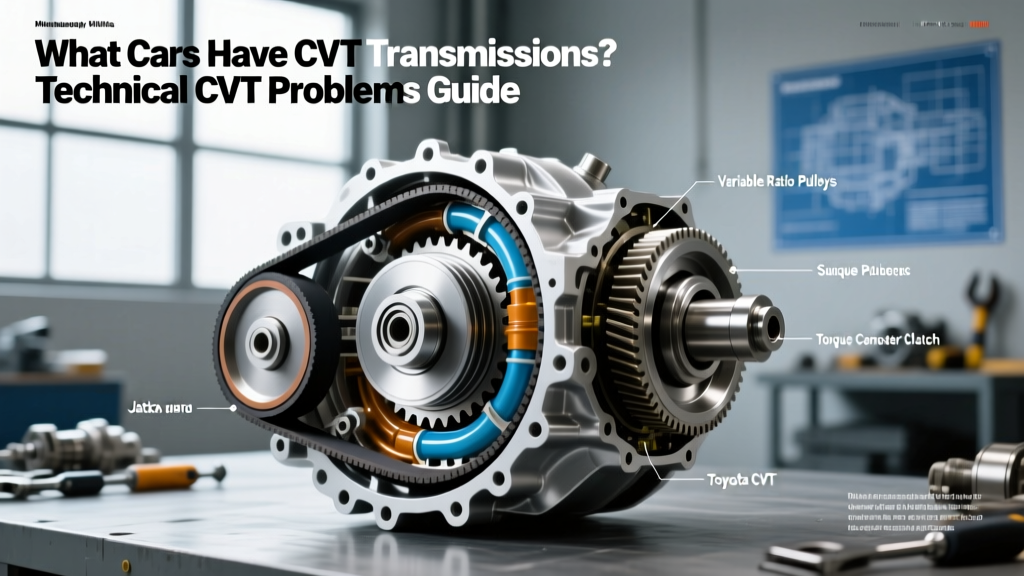
When automotive enthusiasts ask, 'how do you maintain a ecvt gearbox in toyota cars,' the first step is unlearning everything you know about traditional continuously variable transmissions. If you open the transaxle casing of a Nissan Altima or Subaru Outback, you will find a complex system of high-pressure hydraulic pumps, steel push-belts, and variable-diameter pulleys. These belt-driven CVTs are notorious for slipping, overheating, and requiring aggressive maintenance to prevent catastrophic failure.
The Toyota eCVT (Electronically Controlled Continuously Variable Transmission) is an entirely different beast. It contains zero belts, zero chains, and zero pulleys. To understand how to maintain it, you must first understand the mechanical brilliance of how this specific CVT transmission works.
How the Toyota eCVT Actually Works: The Power Split Device
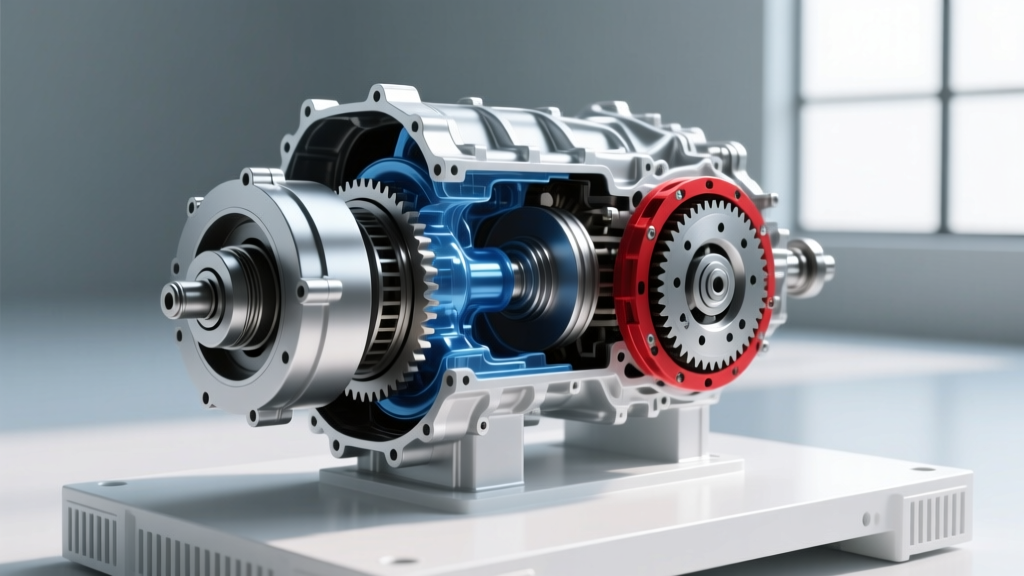
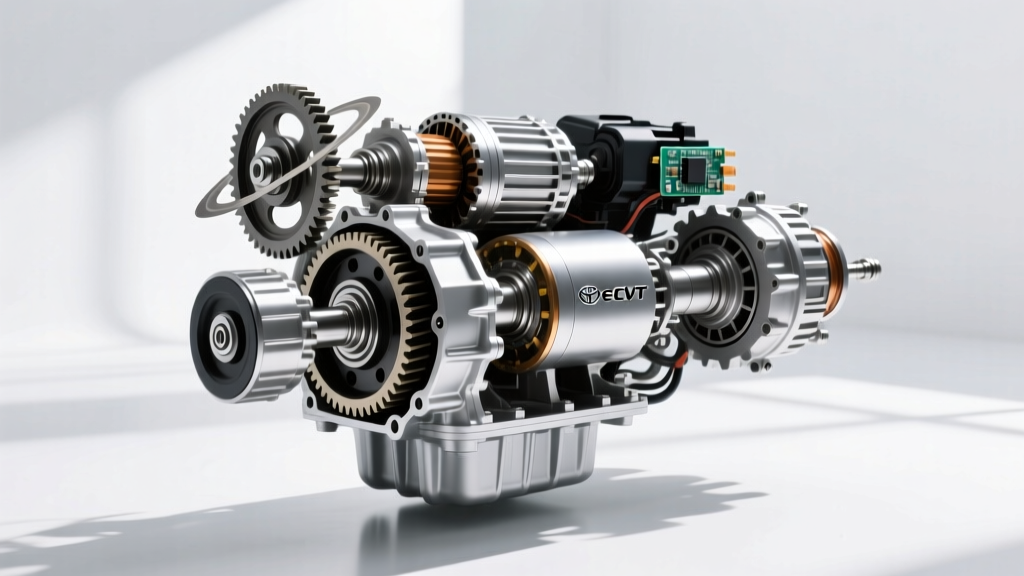
At the heart of Toyota’s Hybrid Synergy Drive is a component called the Power Split Device (PSD). Instead of using friction to vary gear ratios, the eCVT uses a simple, incredibly robust planetary gearset to blend power from the internal combustion engine (ICE) and two electric motor-generators (MG1 and MG2).
The Planetary Gearset Anatomy
- The Sun Gear: Connected to Motor Generator 1 (MG1). MG1 primarily acts as a starter for the gas engine and a generator to charge the hybrid battery. By varying the speed and direction of MG1, the system controls the 'gear ratio.'
- The Planet Carrier: Connected directly to the internal combustion engine. The gas engine turns the carrier, which distributes torque to the sun and ring gears.
- The Ring Gear: Connected to Motor Generator 2 (MG2) and the final drive (the wheels). MG2 is the primary traction motor that propels the vehicle.
Because the system relies on the magnetic coupling of electric motors and the mechanical meshing of steel gears, there is no friction-based slippage. The 'continuous variation' is achieved electronically by the inverter adjusting the RPM of MG1 relative to the engine speed. According to the EPA's breakdown of hybrid powertrains, this power-split architecture is why Toyota hybrids achieve such seamless acceleration without the 'rubber-band' effect of pulley CVTs.
Step-by-Step: How Do You Maintain an eCVT Gearbox in Toyota Cars?
Because there are no belts to snap and no high-pressure clamping forces to degrade the fluid, the Toyota eCVT is widely considered one of the most reliable transmissions ever built. However, 'maintenance-free' is a myth. The electric motors reside inside the transaxle housing, meaning the transmission fluid also acts as an electrical insulator and coolant. Here is your step-by-step maintenance guide.
Step 1: Procure the Correct Dielectric Fluid
You cannot use standard automatic transmission fluid (ATF) in a Toyota eCVT. You must use Toyota Genuine ATF WS (World Standard), part number 00289-ATPWS or 08886-02305. WS fluid is specifically engineered with low viscosity for efficiency and, crucially, specific dielectric properties to prevent electrical arcing across the MG1 and MG2 stator windings. Using a generic multi-vehicle ATF can lead to foaming, reduced cooling efficiency, and eventually, insulation breakdown on the electric motors.
Step 2: Execute the Drain and Fill Procedure
Unlike belt CVTs that require expensive flush machines, the eCVT requires a simple gravity drain and fill. Toyota officially labels the WS fluid as 'lifetime' under normal driving conditions, but independent tribologists and hybrid fleet operators recommend a 60,000-mile interval to remove conductive metallic particulates.
- Preparation: Ensure the vehicle is on a perfectly level surface. A crooked lift will result in an under-filled transaxle.
- Locate Plugs: Find the 10mm hex fill plug on the side of the transaxle case and the 10mm hex drain plug on the bottom pan. (Note: Always remove the FILL plug first. If the drain plug comes out but the fill plug is seized, you are stranded).
- Drain: Place a catch pan and remove the drain plug. Expect the fluid to look dark or slightly gray; this is normal clutch-pack wear material from the internal damper.
- Reinstall Drain Plug: Clean the magnetic drain plug. Replace the aluminum crush gasket (Part #
90430-18008). Torque the drain plug to 39 N·m (29 ft·lbf). - Fill: Using a fluid transfer pump, inject new ATF WS into the fill hole until it begins to weep out of the opening. This typically takes between 3.5 and 3.7 liters depending on the transaxle model.
- Reinstall Fill Plug: Replace the crush gasket and torque to 39 N·m (29 ft·lbf).
Step 3: Secure the Inverter and Transaxle Cooling Loop
The eCVT's greatest enemy is not mechanical wear; it is heat degradation of the electric motors. The transaxle and the hybrid inverter share a dedicated coolant loop, separate from the engine's radiator loop. This loop is driven by an electric water pump (Part # G9020-47031 for many Prius/Camry applications). If this pump fails, the inverter overheats, and the car will enter a fail-safe 'limp' mode. Check the inverter coolant reservoir (located in the engine bay) for turbulence when the car is in READY mode. If the fluid is stagnant, the electric pump has failed and must be replaced immediately. Always use Toyota Super Long Life Coolant (Pink) to prevent galvanic corrosion inside the inverter's cold plate.
Toyota eCVT Transaxle Specifications & Capacities
| Transaxle Model | Common Application | Fluid Capacity (Drain & Fill) | Drain/Fill Torque Spec |
|---|---|---|---|
| P610 | Prius (Gen 3 & 4) | 3.6 Liters (3.8 qts) | 39 N·m (29 lb-ft) |
| P710 | Camry Hybrid / RAV4 Hybrid (2WD) | 3.7 Liters (3.9 qts) | 39 N·m (29 lb-ft) |
| P810 | RAV4 Hybrid (AWD-i) / Highlander Hybrid | 3.7 Liters (3.9 qts) | 39 N·m (29 lb-ft) |
| P910 | Sienna Hybrid / Venza (AWD-i) | 3.8 Liters (4.0 qts) | 39 N·m (29 lb-ft) |
Note: Capacities are approximate for a standard drain and fill. Always verify via Toyota TechInfo using your specific VIN, as mid-year production changes can alter casing volumes.
Edge Cases: What Actually Fails in a Toyota eCVT?
While the planetary gearset itself is practically bulletproof, peripheral components can cause eCVT-related fault codes. Understanding these edge cases is vital for advanced maintenance.
1. The Hybrid Battery, Not the Transaxle
Many owners confuse a failing hybrid battery with a failing eCVT. If the NiMH or Lithium-Ion battery degrades, it cannot buffer the energy from MG1. This forces the gas engine to rev aggressively to both drive the wheels and charge the battery simultaneously. This mimics the 'drone' of a slipping belt CVT, but the transaxle is mechanically fine. A hybrid battery health scan via an OBD2 bidirectional scanner is required before condemning the transmission.
2. Resolver Sensor Calibration
Inside the eCVT casing, resolver sensors track the exact rotational position of the MG1 and MG2 rotors. If the transaxle is opened for a seal replacement, or if the 12V auxiliary battery suffers a severe voltage drop, the resolver calibration can be lost. This results in harsh engagement or a 'Check Hybrid System' warning. A Toyota Techstream software reset is required to relearn the resolver offsets.
3. Damper Clutch Wear
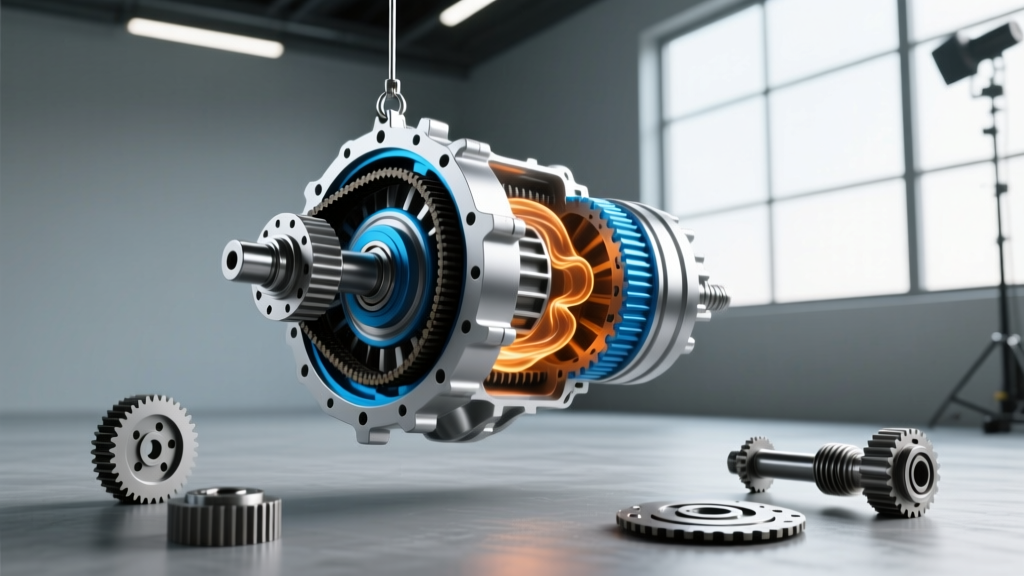
Between the gas engine and the planet carrier sits a torsional damper clutch. Its job is to absorb the rotational vibrations of the internal combustion engine so they don't transfer to the electric motors. In high-mileage vehicles (200,000+ miles), the friction material inside this damper can wear, causing a low-speed shudder when the engine kicks on. Replacing this requires pulling the transaxle and splitting the case—a job that costs upwards of $2,500 in labor.
Expert Verdict
When answering the question of how do you maintain a ecvt gearbox in toyota cars, the secret lies in thermal management and electrical insulation. By treating the ATF WS fluid as a vital dielectric coolant rather than just a lubricant, and by keeping the inverter cooling loop pristine, the Toyota eCVT will easily outlast the chassis it is bolted to. For deep-dive fluid analysis and community-tested longevity data, resources like Bob Is The Oil Guy remain invaluable for hybrid owners pushing past the 200,000-mile mark.