The True Cost of Torque Converter Vibration in 2026
When a customer complains of a rhythmic shudder or a persistent torque converter vibration between 40 and 60 mph, the root cause is rarely simple. In modern automatic transmissions, the Torque Converter Clutch (TCC) operates in a controlled slip mode to improve fuel economy. When hydraulic pressure drops, friction material degrades, or the converter cover warps, that controlled slip turns into an aggressive, chassis-shaking vibration. As of 2026, with average dealership labor rates hovering between $185 and $245 per hour and independent shops charging $140 to $185, accurately diagnosing the specific failure mode by transmission model is critical to avoiding unnecessary $3,500 teardowns.
This guide breaks down the exact costs, part numbers, and mechanical failure points causing torque converter vibration in three of the most common rear-wheel-drive transmissions on the road today: the GM 4L60E, the GM 6L80/6L90, and the Ford 6R80/ZF 6HP26.
GM 4L60E: Valve Body Wear and Shudder Economics
The 4L60E (and its later 4L65E/4L70E variants) is notorious for developing a torque converter vibration that mimics a rough road surface. While many shops immediately recommend a full transmission rebuild, the true culprit in 70% of high-mileage cases is hydraulic cross-leakage.
The Mechanical Failure Point
The TCC regulator valve in the 4L60E pump cover operates under constant oscillation. Over time, the aluminum bore wears out, allowing apply pressure to bleed off. The Powertrain Control Module (PCM) commands the TCC solenoid to pulse-width modulate (PWM) the clutch, but the worn bore prevents stable pressure. The result is a 20-40 RPM slip that manifests as a severe torque converter vibration in 3rd and 4th gears.
- OEM Part Context: Standard 300mm or 298mm stamped-steel cover converters.
- Upgrade Path: Sonnax 77754-03K TCC Regulator Valve Kit (requires reaming the pump cover bore).
- Fastener Specs: Flexplate to torque converter bolts (M10x1.5) must be torqued to 37 lb-ft (50 Nm) using a flexplate holding tool to prevent crankshaft thrust bearing damage.
4L60E Repair Cost Breakdown (2026 Estimates)
| Repair Strategy | Parts Cost | Labor Time | Total Estimated Cost |
|---|---|---|---|
| Valve Body Reaming & TCC Valve Kit | $65 - $110 | 3.5 - 4.5 hrs (Pan drop only) | $650 - $950 |
| Remanufactured OEM-Style Converter R&R | $280 - $380 | 6.0 - 7.5 hrs (Trans removal) | $1,200 - $1,850 |
| Billet Cover Upgraded Converter R&R | $450 - $650 | 6.0 - 7.5 hrs (Trans removal) | $1,450 - $2,200 |
For a comprehensive look at hydraulic valve wear patterns, transmission rebuilders frequently consult Sonnax technical resources to verify bore reaming specifications before ordering hard parts.
GM 6L80 / 6L90: The TCC Shudder Epidemic
The 6L80 and 6L90 transmissions utilize a massive 300mm torque converter with a 6-pad TCC clutch assembly designed to handle the torque of V8 engines and Active Fuel Management (AFM) transitions. However, these models suffer from a highly documented torque converter vibration commonly referred to as "TCC shudder," typically occurring between 45-55 mph in 5th or 6th gear, or during light-throttle AFM V4 mode.
Fluid Chemistry vs. Mechanical Wear
Before authorizing a transmission pull, 6L80 shudder must be addressed via fluid chemistry. The original DEXRON VI fluid formulation often shears down under high thermal loads, losing its friction-modifying properties. General Motors released a technical service bulletin mandating the use of a highly specific, friction-modified fluid to resolve this vibration without hard-part replacement.
- The Fix: Complete machine flush using Mobil 1 Synthetic ATF LV HP (or the exact ACDelco equivalent, part #10-9395).
- Capacity: The 6L80 dry-fill capacity is 11.2 quarts, but a complete flush requires 14-16 quarts to exchange fluid through the cooler lines and the 300mm converter stator.
- When to Replace: If the vibration persists after 500 miles of driving on the new LV HP fluid, the 6-pad TCC friction material has physically glazed or worn through to the steel backing.
6L80 Replacement Economics
Replacing a 6L80 torque converter requires dropping the entire transmission assembly. The 6L80 weighs approximately 215 lbs dry, necessitating a high-lift transmission jack and a two-person crew for safe bellhousing alignment. In 2026, an OEM ACDelco remanufactured 300mm converter costs between $420 and $550. Labor for removal, fluid exchange, and reinstallation averages 7.5 hours. Expect a total invoice between $1,600 and $2,400 at an independent specialist.
Ford 6R80 / ZF 6HP26: Mechatronic Leaks and Lockup Slip
The Ford 6R80 is a licensed derivative of the ZF 6HP26. Torque converter vibration in these units is rarely caused by the converter itself until secondary damage occurs. The primary failure point is the ZF mechatronic unit (valve body and TCM integrated assembly). Specifically, the plastic adapter sleeve located between the mechatronic unit and the transmission case degrades, and the internal sealing sleeves wear out.
The Diagnostic Cascade
- Pressure Loss: Worn mechatronic sleeves cause a drop in TCC apply pressure.
- PCM Compensation: The PCM increases solenoid duty cycle to compensate, leading to erratic PWM signals.
- The Vibration: The TCC slips and grabs rapidly, creating a low-frequency torque converter vibration that customers often mistake for a bad engine misfire or a failing U-joint.
According to diagnostic frameworks published by the Automatic Transmission Rebuilders Association (ATRA), verifying line pressure and TCC slip RPM via bi-directional OBD2 scanning is mandatory before condemning the converter on ZF-based units.
Cost Analysis: 6R80 / ZF 6HP26
- Mechatronic Sleeve & Seal Kit: $45 - $85 (Parts only). Requires pan drop and mechatronic removal. Labor: 4 hours. Total: $750 - $1,000.
- Full Mechatronic Replacement (Reman): $800 - $1,200 (Requires ZF-specific programming and adaptation resets). Total installed: $1,800 - $2,600.
- Torque Converter R&R: If the TCC friction material has contaminated the transmission cooler due to prolonged slip, a full flush and converter replacement will push the 2026 repair cost past $3,100.
Billet vs. Stamped Steel: The Economics of Upgrades
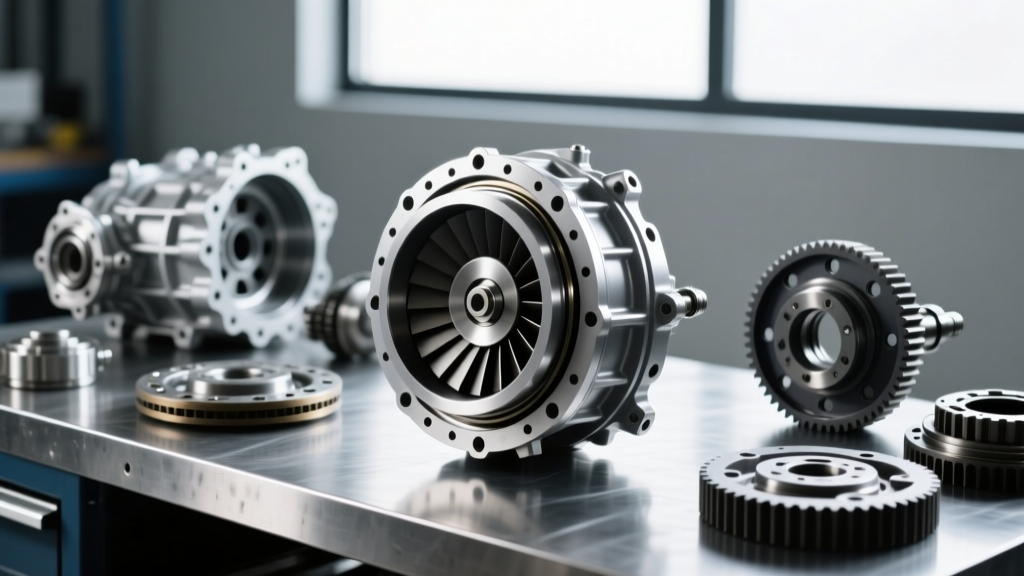
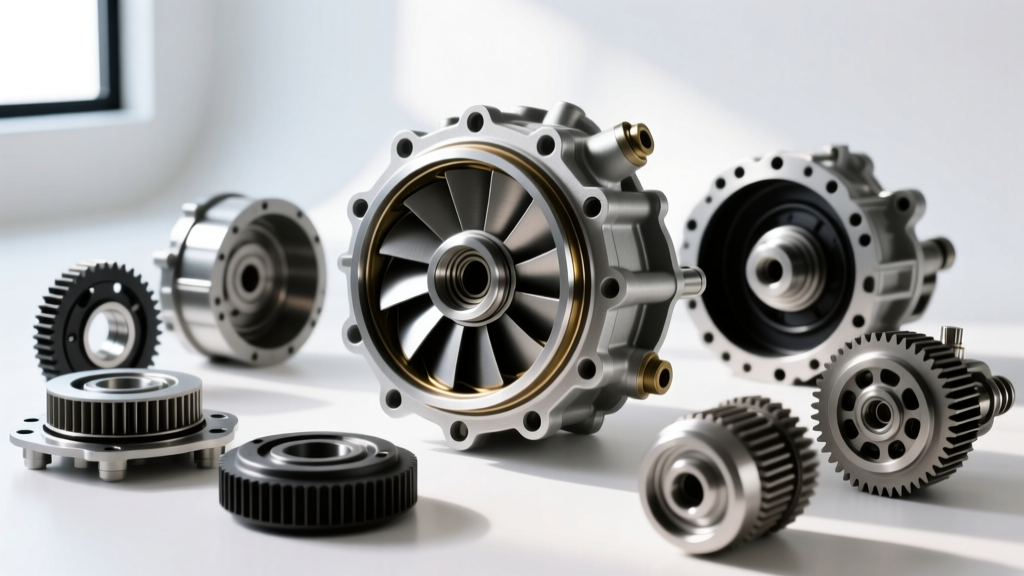
When addressing torque converter vibration that requires physical converter replacement, shops and owners must choose between standard stamped-steel covers and billet-machined covers. Stamped steel covers are prone to microscopic warping under the extreme heat of modern lockup strategies. When the cover warps, the TCC piston cannot apply evenly, resulting in localized hot spots, glazing, and a return of the vibration within 20,000 miles.
Upgrading to a billet aluminum or billet steel front cover (available from manufacturers like Precision Industries or Circle D Specialties) adds $150 to $300 to the initial parts cost. However, this upgrade guarantees absolute flatness for the TCC apply surface, effectively eliminating cover-warpage-induced vibration and extending the life of the friction material by up to 40%. For fleet vehicles, towing rigs, or vehicles subjected to heavy thermal loads, the ROI on a billet cover is immediate.
Diagnostic Decision Matrix: Flush vs. Replace
To protect your bottom line and avoid unnecessary labor, follow this strict diagnostic protocol when torque converter vibration is present:
- Step 1: Scan for TCC Slip Codes. Look for P0741 (TCC Stuck Off) or P0742 (TCC Stuck On). Check live data for TCC slip RPM. Slip greater than 40 RPM at steady highway cruise indicates mechanical/hydraulic failure.
- Step 2: Fluid Assessment. If the fluid is dark but not burnt, and the transmission is a 6L80/6L90, perform the LV HP fluid exchange protocol first.
- Step 3: Valve Body Isolation. On 4L60E and ZF units, drop the pan and inspect for excessive clutch material or steel debris. If debris is minimal, target the valve body/regulator valves before pulling the transmission.
- Step 4: The Pull. If fluid chemistry and valve body updates fail to resolve the vibration, or if the fluid smells severely burnt (indicating destroyed friction pads), the transmission must be removed for a torque converter replacement and cooler flush.
Understanding the specific engineering quirks of your transmission model is the only way to accurately forecast the cost of eliminating torque converter vibration. Blindly throwing a remanufactured converter at a 4L60E with a worn pump bore, or pulling a 6L80 that simply needed a friction-modified fluid exchange, is an expensive mistake that modern 2026 diagnostic standards simply do not tolerate.