The Core Question: Is Torque Converter Part of the Transmission?
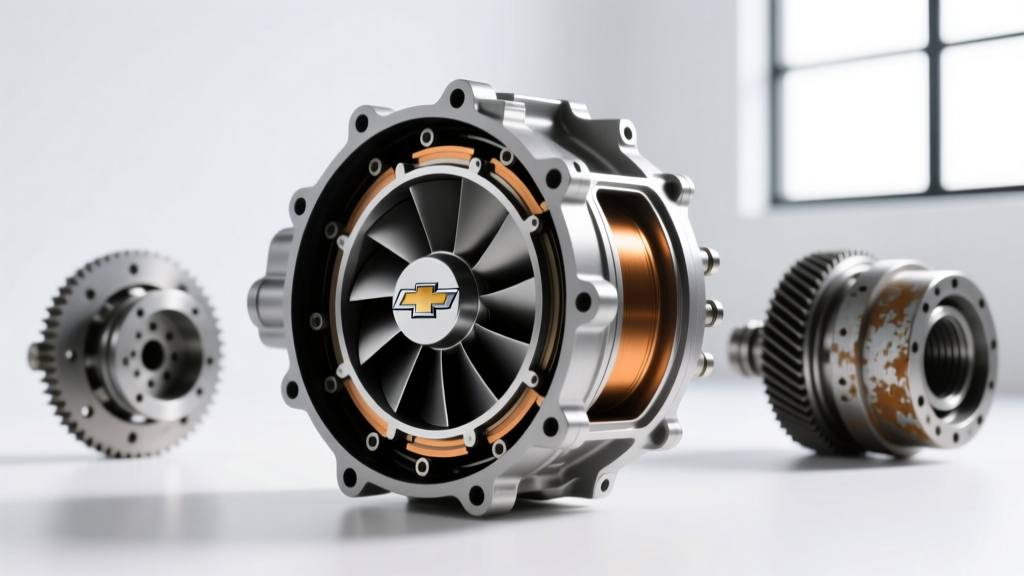
When diagnosing drivetrain shudder, slip codes, or catastrophic fluid contamination, one of the most common questions asked by DIYers and service advisors alike is: is torque converter part of the transmission? From a mechanical and engineering standpoint, the answer is both yes and no. The torque converter is a distinct, sealed fluid-coupling assembly consisting of an impeller, turbine, stator, and a torque converter clutch (TCC). It bolts directly to the engine's flexplate and slides onto the transmission's input shaft. However, while it is not housed inside the transmission case like a planetary gearset or a valve body, it is an integral, inseparable component of the automatic transmission's hydraulic ecosystem. In 2026, you cannot replace or rebuild an automatic transmission without addressing the torque converter.
Because the torque converter acts as the hydraulic bridge between the engine and the transmission gears, internal failure—such as a disintegrating TCC friction lining or a failing stator one-way clutch—will immediately contaminate the transmission's hydraulic circuits with metallic debris and friction material. This is why the Automatic Transmission Rebuilders Association (ATRA) mandates that any transmission rebuilt due to internal clutch failure must be paired with a new or professionally remanufactured torque converter.
Why Model-Specific Data Dictates Your Repair Bill
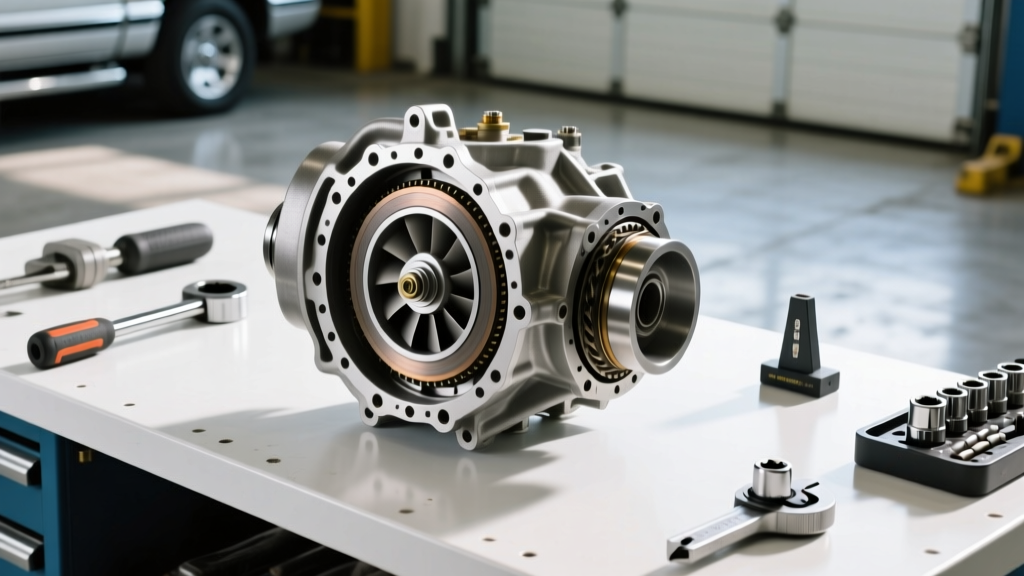
Torque converter replacement costs are rarely universal. The total bill is heavily dictated by the vehicle's architecture (longitudinal RWD vs. transverse FWD), the specific transmission family, and the required OEM fluid specifications. Dropping a transmission to access the bell housing requires significant labor, and the cost of the replacement unit varies wildly depending on whether the vehicle requires a standard fluid coupling or a highly complex, multi-clutch lockup damper assembly designed to mitigate NVH (Noise, Vibration, and Harshness) in modern cylinder-deactivation engines.
2026 Torque Converter Replacement Cost Matrix
Below is a model-specific breakdown of estimated replacement costs for some of the most common automatic transmissions on the road today. Labor rates are calculated at a national average of $135/hour for 2026, excluding taxes, shop supplies, and alignment fees.
| Transmission Model | Common Applications | OEM / Premium Part Cost | Book Labor Hours | Total Estimated Cost (2026) |
|---|---|---|---|---|
| GM 6L80 / 6L90 | Silverado 1500, Tahoe, Camaro SS | $350 - $480 | 6.5 - 7.5 | $1,225 - $1,490 |
| Ford 10R80 | F-150 (5.0L / 3.5L EcoBoost), Mustang | $420 - $550 | 7.0 - 8.0 | $1,365 - $1,630 |
| ZF 8HP70 / 8HP75 | Ram 1500 (5.7L Hemi), Jeep Grand Cherokee | $500 - $680 | 6.0 - 7.0 | $1,310 - $1,625 |
| Aisin AW F8F (Transverse) | Toyota Camry V6, Highlander | $380 - $500 | 8.5 - 10.0 | $1,525 - $1,850 |
Model-Specific Repair Guides and Technical Nuances
GM 6L80 / 6L90: The Notorious TCC Shudder
The GM 6-speed automatic family is infamous for torque converter clutch shudder, typically felt as a vibration between 45 and 65 mph under light throttle. Many technicians mistakenly replace only the torque converter, only to have the shudder return 5,000 miles later. The root cause is often wear in the transmission's valve body—specifically the TCC regulator valve and apply valve bore. If the valve body is not addressed (either via a Sonnax ZIP kit or a complete remanufactured valve body), the hydraulic pulsation will destroy the new converter's friction lining. When installing a new ACDelco or Precision of New America (PNA) torque converter on a 6L80, the flexplate-to-converter bolts must be torqued to exactly 46 Nm (34 lb-ft). Furthermore, a complete flush using Dexron VI or the newer Dexron ULV (for 10-speed variants) is mandatory to remove microscopic friction debris from the transmission cooler lines.
Ford 10R80: Lead Frames vs. Lockup Clutches
The Ford 10R80 is an engineering marvel but presents unique diagnostic challenges. Symptoms of a failing torque converter (slip codes like P0741 or harsh shifting) can easily be mimicked by a failing molded lead frame inside the transmission pan, which disrupts the solenoid signals to the TCC. Before authorizing a $1,500 torque converter replacement on a 2018-2024 F-150, a technician must verify the latest PCM calibration updates and inspect the lead frame connectors for micro-fractures. If the converter is indeed failing, the replacement requires strict adherence to Motorcraft MERCON ULV fluid specifications. Using older MERCON LV or generic multi-vehicle ATFs will cause immediate TCC apply issues due to the distinct friction modifiers required by the 10R80's specialized clutch materials.
ZF 8HP70 / 8HP75: Integrated Mechatronics and Sealed Units
The ZF 8-speed, widely used in the Ram 1500 and various European luxury vehicles, utilizes a highly integrated mechatronic unit and a sealed, non-serviceable torque converter. Unlike older designs, the ZF torque converter features a sophisticated torsional damper system designed to absorb the massive torque spikes of the 5.7L Hemi V8 or turbo-diesel engines. According to ZF Aftermarket technical bulletins, replacing the torque converter on an 8HP requires meticulous attention to the bellhousing alignment dowels. If the dowels are damaged or missing during reinstallation, the transmission will sit at a slight angle, causing premature wear to the input shaft bushing and catastrophic TCC drag. Additionally, the ZF 8HP requires ZF LifeguardFluid 8; substituting this with generic ATF will degrade the specialized carbon friction material inside the converter.
Hidden Costs: Fluids, Seals, and Machine Work
When budgeting for a torque converter replacement, the part and the labor to drop the transmission are only the beginning. A proper 2026 repair protocol includes several ancillary costs that are frequently omitted from initial estimates:
- Flexplate Resurfacing and Runout Check: A warped flexplate will cause immediate TCC drag and shudder. Machinists charge $75-$125 to measure runout (which must be under 0.010 inches) and resurface the mating surface.
- Rear Main Seal Replacement: With the transmission and flexplate removed, the engine's rear main seal is fully exposed. A $25 OEM seal and 15 minutes of labor can save you from a massive oil leak that would require dropping the transmission all over again.
- Transmission Cooler Line Flushing: A failing TC dumps heavy metallic debris into the cooler lines. Professional shops use a heated, pressurized flush machine ($150-$200 service charge) to prevent this debris from migrating into the new converter and valve body.
Diagnostic Checklist Before Authorizing Replacement
Do not allow a shop to replace your torque converter based solely on a 'shudder' complaint. Demand that they perform the following verifiable tests:
- OBD2 TCC Slip RPM Test: Using a bidirectional scan tool, the technician should command the TCC to lock at 55 mph in the highest gear. The slip speed should read between 0 and 20 RPM. If slip exceeds 40 RPM consistently, the internal friction lining is worn.
- Stall Speed Test: By holding the brakes and applying wide-open throttle (WOT) in Drive, the engine RPM should peak at the manufacturer's specified stall speed (typically 2,200 - 2,600 RPM for stock truck applications). An abnormally high stall speed indicates a failing stator one-way clutch.
- Transmission Pan Inspection: Dropping the pan is mandatory. If the pan contains heavy, sharp metallic flakes (indicative of bearing or planetary failure) rather than fine friction material, a simple torque converter swap will not fix the underlying transmission failure.
Expert Insight: The torque converter is the heart of the automatic transmission's hydraulic system. Treating it as an isolated component rather than an integrated part of the transmission assembly is the leading cause of repeat repairs and warranty comebacks in modern drivetrain diagnostics.