The Hybrid Coupling Dilemma: Torque Converters vs. Torsional Dampers
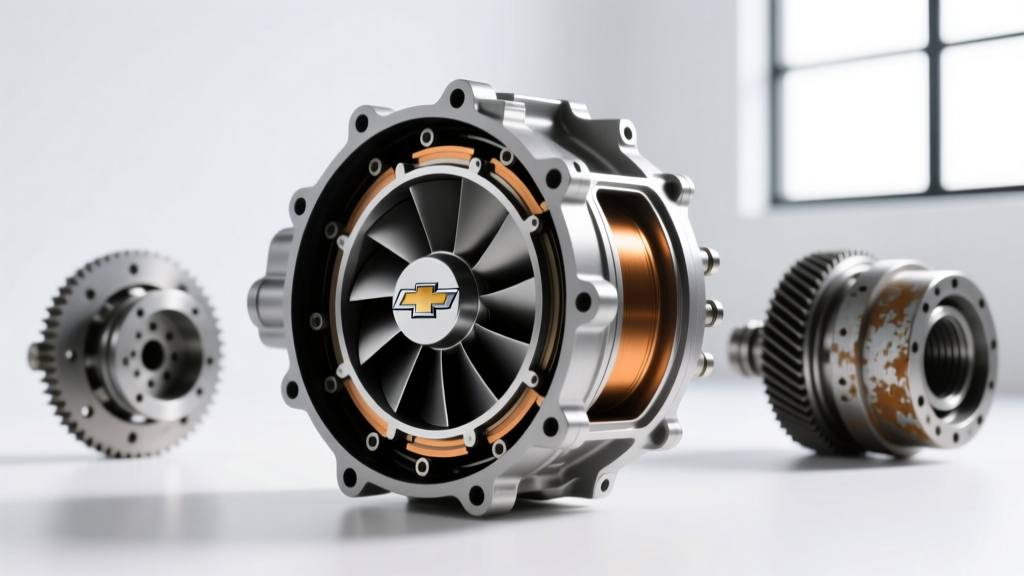
When diagnosing drivetrain shudder or transition faults in Chevrolet hybrids, technicians and owners often search for a Chevy torque converter replacement cost, assuming the vehicle uses a traditional fluid-coupling torque converter. However, Chevrolet's hybrid lineup utilizes two entirely distinct mechanical architectures to couple the internal combustion engine (ICE) to the electric drive motors. Understanding this distinction is critical for accurate symptom diagnosis and troubleshooting.
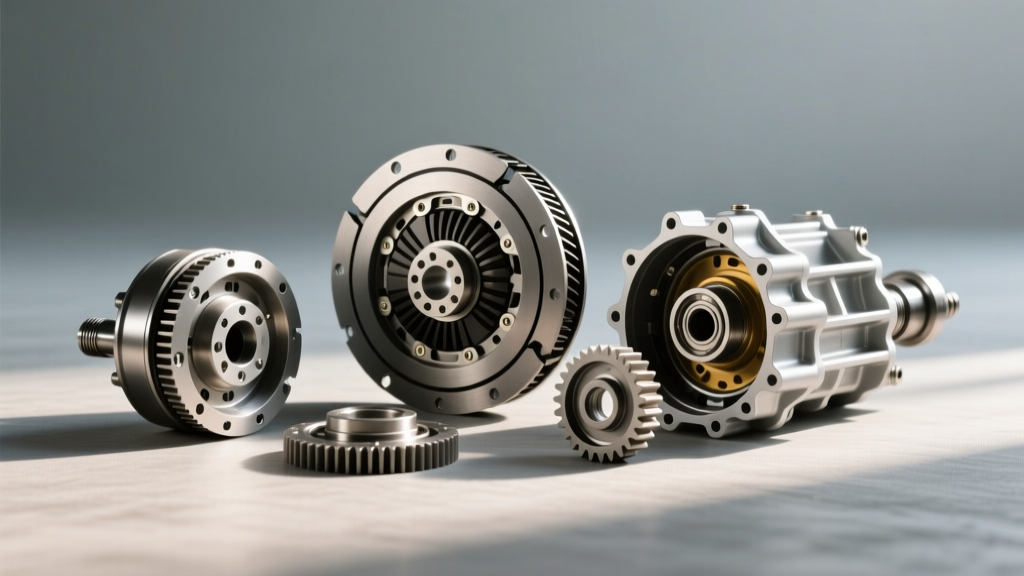
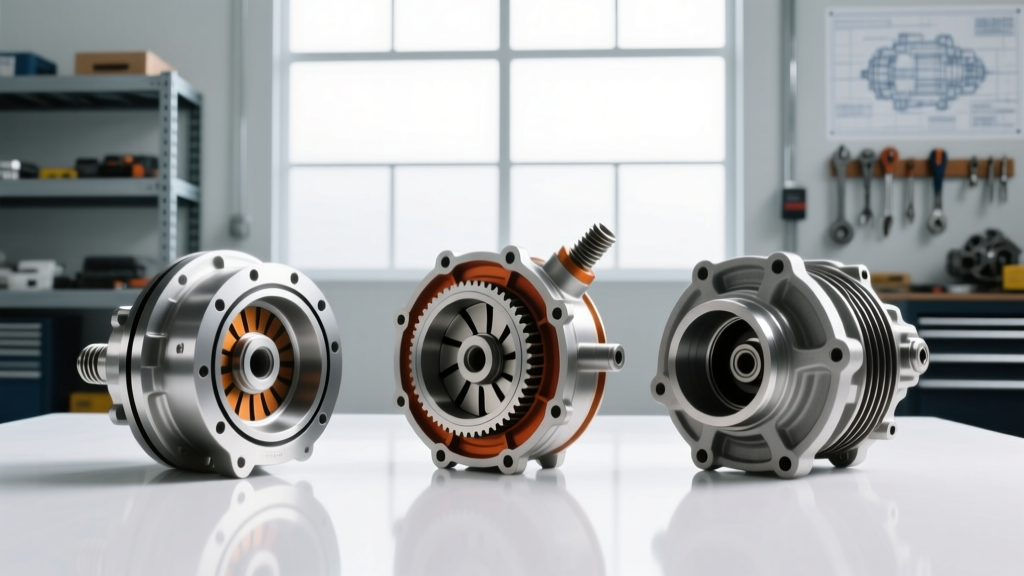
The older 2-Mode Hybrid trucks and SUVs (such as the 2008-2013 Tahoe and Silverado) utilize the 4ET70 transmission. This system does employ a modified hydrodynamic torque converter, but it features a specialized lockup clutch designed to handle the instant torque multiplication of the integrated electric motors. Conversely, the Voltec-equipped passenger cars (such as the 2011-2019 Chevy Volt and 2016-2019 Malibu Hybrid) use the 4ET50 and 5ET50 transaxles. These units completely eliminate the hydrodynamic torque converter. Instead, they rely on a mechanical Torsional Damper Assembly and internal clutch packs to couple the 1.5L ICE to Motor/Generator A. Consumers frequently misidentify this damper as a torque converter, leading to misdiagnosis when driveline shudder or transition clunks occur.
Top Symptoms of Hybrid Torque Converter and Damper Failure
Whether you are dealing with a failing hydrodynamic converter in a 2-Mode Tahoe or a degraded torsional damper in a Gen 2 Volt, the symptoms often manifest during the complex hand-off between electric and gas propulsion. Watch for these specific failure indicators:
- EV-to-ICE Transition Clunk (Voltec Models): When the battery depletes and the 1.5L L3A engine fires up in Charge Sustaining mode, a failing torsional damper will produce a harsh, metallic clunk. The internal springs have lost their ability to dampen the torsional vibration of the engine starting.
- Low-RPM TCC Shudder (2-Mode Hybrids): A classic symptom in the 4ET70 Tahoe/Silverado hybrids. The vehicle feels like it is driving over rumble strips at 35-50 mph under light throttle. This indicates the torque converter clutch (TCC) friction material is degraded or the apply pressure solenoid is failing to modulate the lockup smoothly.
- P0A0F (Engine Failed to Start) Edge Case: On Gen 2 Volts, if the torsional damper seizes or the internal coupling clutch welds together, the ICE becomes permanently locked to the drivetrain. When the vehicle attempts to start the engine using Motor A, the resistance of the entire vehicle mass prevents the engine from reaching the required cranking RPM, triggering a P0A0F. This is routinely misdiagnosed as a high-voltage inverter fault.
- Regenerative Braking Harshness: A failing lockup clutch in the 4ET70 or a slipping damper in the 5ET50 will cause a jarring sensation when the vehicle transitions from regenerative braking back to friction braking or ICE deceleration.
Diagnostic Protocol: Isolating Driveline Shudder
Proper troubleshooting requires isolating whether the vibration originates from the ICE, the electric motors, or the coupling assembly. For the 4ET70 2-Mode hybrids, connect a bi-directional scan tool and monitor the TCC Slip Speed PID. Command the TCC solenoid to apply and release. If the commanded slip is 0 RPM but the actual slip fluctuates by more than 50 RPM under load, the torque converter clutch is mechanically worn.
For Voltec 5ET50 models, use a PicoScope or high-end oscilloscope to measure the Crankshaft Position (CKP) sensor variance against Motor A speed. A healthy torsional damper will show a slight phase delay and dampened sine wave between the CKP and Motor A during ICE start-up. If the waveforms are perfectly synchronized with high-amplitude spikes, the damper springs have collapsed, transmitting raw engine harmonics directly into the transaxle case.
2026 Chevy Torque Converter Replacement Cost Breakdown
The cost to replace these components varies wildly based on the platform. Because both the 4ET70 torque converter and the 5ET50 torsional damper are sandwiched between the engine flexplate and the transaxle input shaft, complete transaxle removal is mandatory for access. Below is the 2026 market data for Chevy hybrid torque converter replacement cost and damper servicing.
| Vehicle Model | Transmission | Component | OEM Part Cost | Labor Hours | Estimated Total (2026) |
|---|---|---|---|---|---|
| Chevy Volt (Gen 2) | 5ET50 | Torsional Damper Assembly | $450 - $600 | 7.5 - 9.0 | $1,400 - $2,100 |
| Malibu Hybrid | 5ET50 | Torsional Damper Assembly | $450 - $600 | 8.0 - 10.5 | $1,500 - $2,300 |
| Tahoe Hybrid (2-Mode) | 4ET70 | Hydrodynamic Torque Converter | $750 - $950 | 8.5 - 11.0 | $1,800 - $2,800 |
| Silverado Hybrid (2-Mode) | 4ET70 | Hydrodynamic Torque Converter | $750 - $950 | 9.0 - 12.0 | $1,900 - $3,000 |
Note: Labor rates at independent hybrid-specialist shops average $130-$160/hr in 2026, while dealership rates frequently exceed $190/hr. Always replace the flexplate-to-damper bolts, as they are torque-to-yield (TTY).
Step-by-Step Troubleshooting and Torque Specifications
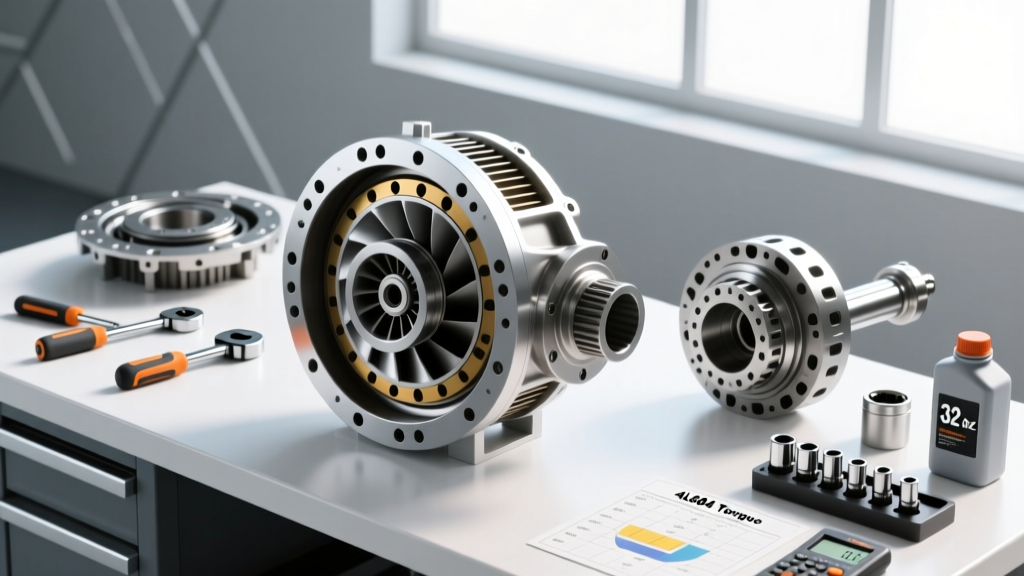
When performing the replacement, precision is non-negotiable. Hybrid drivetrains operate with incredibly tight tolerances to manage NVH (Noise, Vibration, and Harshness). If the damper or torque converter is installed with improper runout or incorrect fastener tension, the vehicle will exhibit immediate shudder upon reassembly.
Critical Torque Specifications
- 5ET50 (Volt/Malibu) Damper-to-Flexplate Bolts (M8): Tighten to 25 Nm (18 lb-ft), then turn an additional 60 degrees. Do not reuse the OEM TTY bolts.
- 4ET70 (Tahoe/Silverado) TC-to-Flexplate Bolts: Tighten to 46 Nm (34 lb-ft). Ensure the converter is fully seated into the transmission oil pump gear before mating to the engine; failure to do so will snap the pump drive tangs upon startup.
- Subframe/Crossmember Fasteners: Always torque the subframe mounting bolts to 150 Nm (111 lb-ft) to maintain proper driveline angles, which directly affect TCC apply smoothness.
Fluid Specifications and Maintenance Intervals
Fluid degradation is the number one cause of premature TCC failure in the 4ET70 and clutch pack failure in the 5ET50. It is a catastrophic error to use standard ATF in these hybrid units.
- Voltec 5ET50 / 4ET50: Requires ACDelco Dexron HP (Part #19355656). This fluid is specifically engineered with a lower viscosity for cold-weather electric motor efficiency and unique friction modifiers for the wet clutches that manage the ICE coupling. Using Dexron VI in a Voltec transaxle will cause immediate clutch shudder and void the warranty.
- 2-Mode 4ET70: Requires ACDelco Dexron VI (Part #10-9395). The 4ET70 relies on this fluid for both hydraulic clutch apply and cooling the electric motor stators housed inside the transmission case.
According to ACDelco's technical service bulletins, hybrid transmission fluid should be inspected every 45,000 miles. Because the electric motors generate immense localized heat within the transmission casing, the fluid's shear stability breaks down faster than in ICE-only applications, leading to varnish buildup on the TCC control valves and damper clutch hubs.
Common Misdiagnoses to Avoid
Before authorizing a $2,000+ transaxle removal for a Chevy torque converter replacement cost, rule out software and peripheral hardware faults. A flashing TCC light or shudder on a 4ET70 Tahoe Hybrid is frequently caused by a failing Transmission Fluid Pressure (TFP) switch or a degraded valve body separator plate, not the torque converter itself. Similarly, on the Volt, a harsh engine start can often be cured simply by updating the Hybrid Powertrain Control Module 2 (HPCM2) calibration via GM's Techline Connect, which alters the Motor A torque ramp-up rate to better mask aging damper springs.
For further engineering insights into how General Motors manages torsional vibrations in their hybrid architectures, refer to the SAE Technical Papers on Voltec Drivetrains, which detail the harmonic frequency mapping required to tune these dampers. Finally, for baseline labor time verification, technicians can cross-reference the RepairPal Cost Estimator to ensure dealership quotes align with current 2026 industry standards.