The Financial Gatekeeper: Why a Torque Converter Tester is Mandatory
In the modern transmission repair landscape of 2026, guessing is an expensive liability. When a vehicle presents with torque converter clutch (TCC) shudder, slip codes (like P0741 or P0742), or erratic lockup behavior, the immediate instinct for many generalist shops is to order a replacement converter and drop the transmission. However, without utilizing a dedicated torque converter tester on the bench, you risk replacing a perfectly functional unit while ignoring a failing TCC PWM solenoid or a restricted cooler circuit.
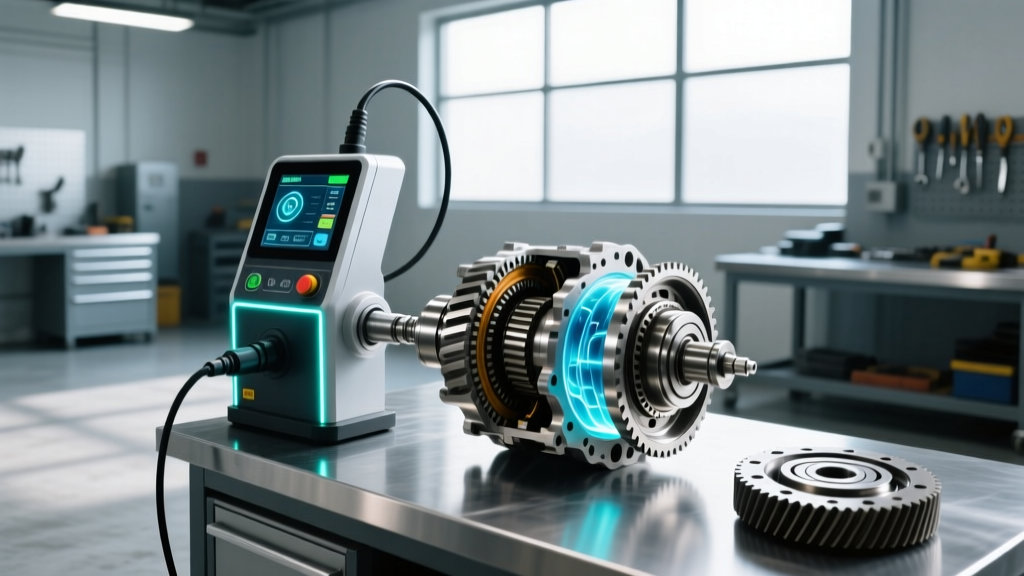
According to technical bulletins from the Automatic Transmission Rebuilders Association (ATRA), up to 22% of 'defective' torque converters returned to core builders actually test within factory specifications. A bench-mounted torque converter tester isolates the component from the valve body and wiring harness. By pressurizing the TCC apply circuit to 120 PSI and measuring pressure decay, the tester definitively proves whether the internal friction material is delaminating or if the piston seals are compromised. If the tester registers a pressure drop exceeding 15 PSI in a 5-second window, the converter is definitively scrap. If it holds, your issue lies in the mechatronic unit, solenoid bore wear, or command circuitry.
2026 Model-Specific Torque Converter Replacement Cost Breakdown
When the torque converter tester confirms internal failure, the financial reality of the repair must be communicated clearly to the customer. Below is a comprehensive 2026 cost matrix for three of the most prevalent rear-wheel-drive and longitudinal transmissions on the road today. Note: Labor rates are calculated at a 2026 national independent shop average of $145/hour.
| Transmission Model | Converter Part Cost (2026) | Book Labor Hours | Fluid & Misc. Cost | Estimated Shop Total |
|---|---|---|---|---|
| GM 6L80 / 6L90 | $380 - $450 (Reman) | 6.5 Hours | $165 (Dexron VI & Seal Kit) | $1,488 - $1,625 |
| Ford 6R80 | $420 - $550 (Reman) | 7.0 Hours | $180 (Mercon LV & Seal Kit) | $1,615 - $1,805 |
| ZF 8HP45 / 8HP55 | $850 - $1,150 (OEM) | 8.5 Hours | $290 (ZF Lifeguard 8 & Sleeve) | $2,372 - $2,727 |
Data aggregated from Transmission Digest market reports indicates that while domestic remanufactured converter prices have stabilized post-2024 supply chain crunch, ZF OEM units continue to command a premium due to integrated damper technologies and strict European manufacturing tolerances.
GM 6L80 / 6L90: Diagnostics, Costs, and R&R Specifications
The GM 6L80 is notorious for the 3-5-R clutch wave plate failure. When this plate fractures, it sends hardened steel debris directly into the torque converter and the transmission cooler lines. If your torque converter tester shows restricted flow or erratic apply pressures, and your inline cooler filter is packed with glitter, the converter cannot be safely flushed. It must be replaced.
Part Numbers and Fluid Data
- OEM Replacement Part: GM 24253804 (or equivalent high-stall aftermarket from Sonnax/TransGo for heavy-duty applications).
- Fluid Capacity: 11.2 Quarts (Dry Converter) / 12.8 Quarts (Total System Overhaul).
- Fluid Spec: ACDelco Dexron VI (Do not substitute with generic multi-vehicle ATFs; the 6L80 TCC apply strategy relies on the exact friction coefficient of Dexron VI).
Precision Torque Specifications
Proper reassembly is critical to prevent converter hub runout, which will destroy the transmission front pump bushing within 5,000 miles.
- Flexplate to Crankshaft: 85 Nm (63 lb-ft) + Threadlocker (Crucial: inspect flexplate runout with a dial indicator; max allowable is 0.020 inches).
- Torque Converter to Flexplate: 62 Nm (46 lb-ft). Use new Grade 10.9 bolts.
- Bellhousing to Engine Block: 50 Nm (37 lb-ft).
- Transmission Crossmember: 95 Nm (70 lb-ft).
Pro-Tip: Before bolting the 6L80 transmission to the block, ensure the torque converter is fully seated into the front pump. You must hear three distinct 'clunks' as the converter passes through the input shaft, stator support, and pump drive gear. Measure the distance from the bellhousing mating surface to the converter pilot pad; it should be at least 12mm (1/2 inch) recessed.
ZF 8HP (45/55/70): The High-Stakes European Platform
Found in everything from the Dodge Charger to the BMW 5-Series, the ZF 8HP is an engineering marvel but a diagnostic nightmare if proper protocols are ignored. TCC shudder on the 8HP is frequently misdiagnosed as a bad converter when the actual culprit is a worn mechatronic sleeve or a failing TCC PWM solenoid in the valve body. This is exactly where the torque converter tester earns its keep. By bench-testing the ZF converter, you eliminate the $1,200 mechatronic unit from the suspect list.
Cost Variables & OEM vs. Aftermarket
Unlike the GM 6L80, the aftermarket support for ZF 8HP torque converters is limited due to the complex torsional dampening springs and lockup clutch designs required to handle the low-RPM lockup strategies of modern V8 and diesel engines. As Sonnax technical resources frequently highlight, attempting to install a generic 'multi-fit' converter on an 8HP will result in immediate drivability complaints and P0741 codes. You must use an OEM ZF unit (Part number variant 1087.298.349 depending on the exact torque rating) or a certified ZF-licensed remanufactured unit.
Installation Critical Paths & Torque Specs
The ZF 8HP utilizes a specialized transmission fluid and a unique bellhousing bolt pattern. Furthermore, the mechatronic sealing sleeve must be replaced every time the transmission is removed, as the plastic degrades and causes internal pressure leaks that mimic converter failure.
- Bellhousing to Engine Block (M10 Bolts): 45 Nm + 90 degrees of rotation (Torque-to-Yield). Do not reuse these bolts.
- Torque Converter to Drive Plate: 35 Nm (26 lb-ft). Ensure the alignment marks made during removal are matched to maintain factory balance.
- Mechatronic Sleeve Retaining Clip: Ensure the clip is fully seated; a loose sleeve will push backward during installation, severing the electrical connections to the solenoid board.
- Fluid Spec: ZF LifeguardFluid 8 (Approx. 9.5 to 10.5 Liters depending on the cooler volume). Fill procedure requires the transmission to be between 30°C and 40°C (86°F - 104°F) while the engine is idling in Park.
Post-Replacement Protocol: The 150-PSI Cooler Flush
Installing a new torque converter without verifying the integrity of the transmission cooler circuit is the leading cause of warranty comebacks in 2026. When a TCC fails, friction material and clutch lining debris are pumped directly into the cooler lines.
After installing the newly tested converter and transmission, you must perform a dynamic cooler line flush. Using a dedicated transmission flush machine, push new ATF through the cooler lines at a minimum of 150 PSI. Monitor the flow rate; a healthy 6L80 or 8HP cooler circuit should flow at least 1.5 quarts per minute at idle. If the flow is restricted, the cooler must be replaced. A restricted cooler will starve the new torque converter of apply pressure, causing the new TCC to slip, overheat, and fail within the first 100 miles—turning a profitable repair into a catastrophic financial loss.
Final Diagnostic Verdict
The era of 'swap and hope' transmission repair is over. Integrating a torque converter tester into your diagnostic workflow not only protects your shop's bottom line by preventing unnecessary parts orders, but it also provides the empirical data required to confidently explain a $2,500 ZF 8HP repair to a skeptical customer. Stick to the OEM torque specs, mandate the cooler flush, and rely on the bench tester to guide your wrenches.