The Sensory Signature of TCC Shudder
If you have ever driven a late-model vehicle equipped with an automatic transmission and felt a rhythmic, vibrating shake between 40 and 55 mph, you have experienced torque converter clutch (TCC) shudder. Often described as 'driving over rumble strips,' this phenomenon occurs when the TCC struggles to maintain a stable friction grip during Electronically Modulated Converter Clutch (EMCC) apply. As of 2026, with the industry's aggressive shift toward ultra-low viscosity (ULV) fluids and aggressive fuel-economy-mandated slip maps, shudder remains one of the most common drivability complaints in modern powertrains.
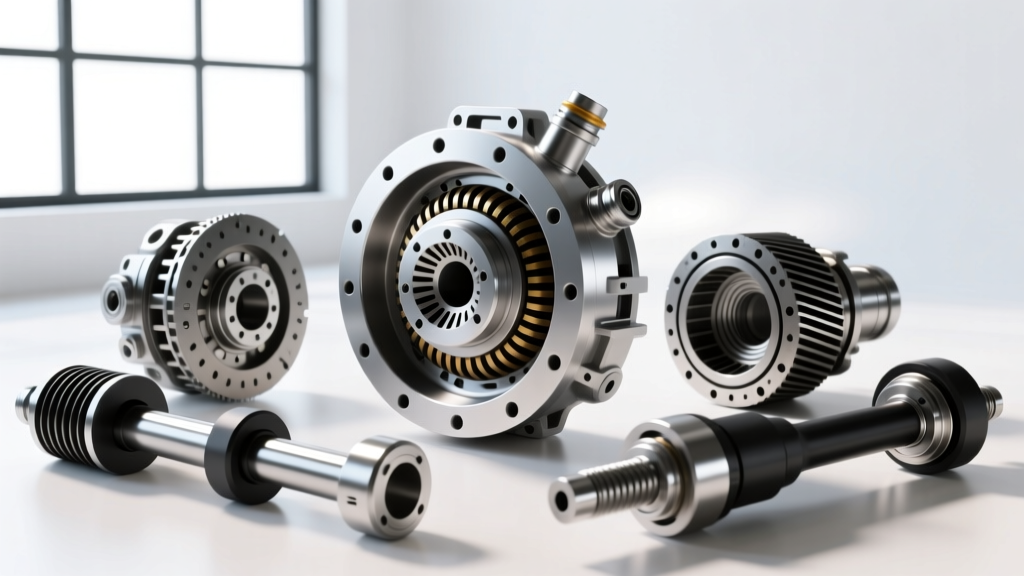
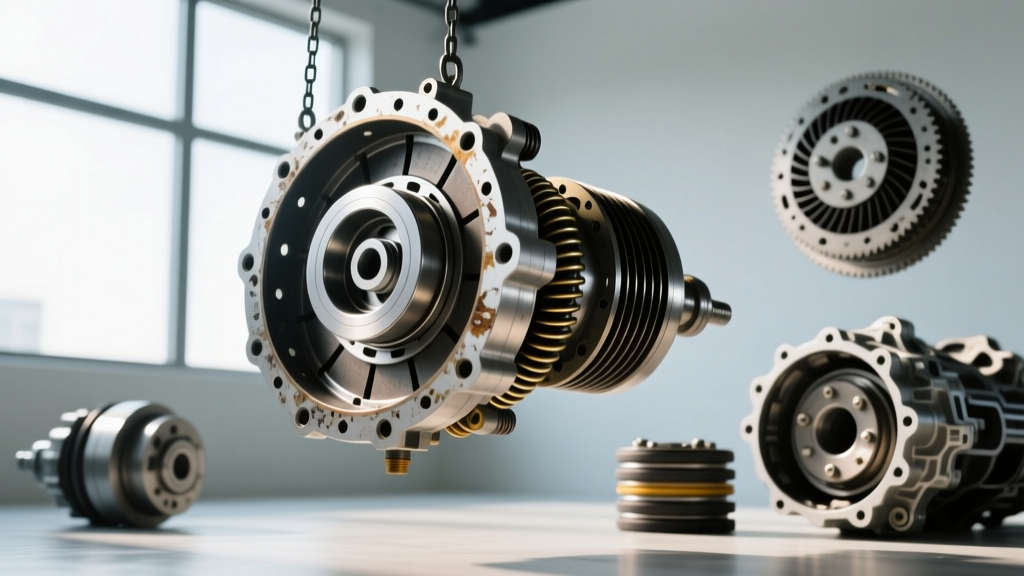
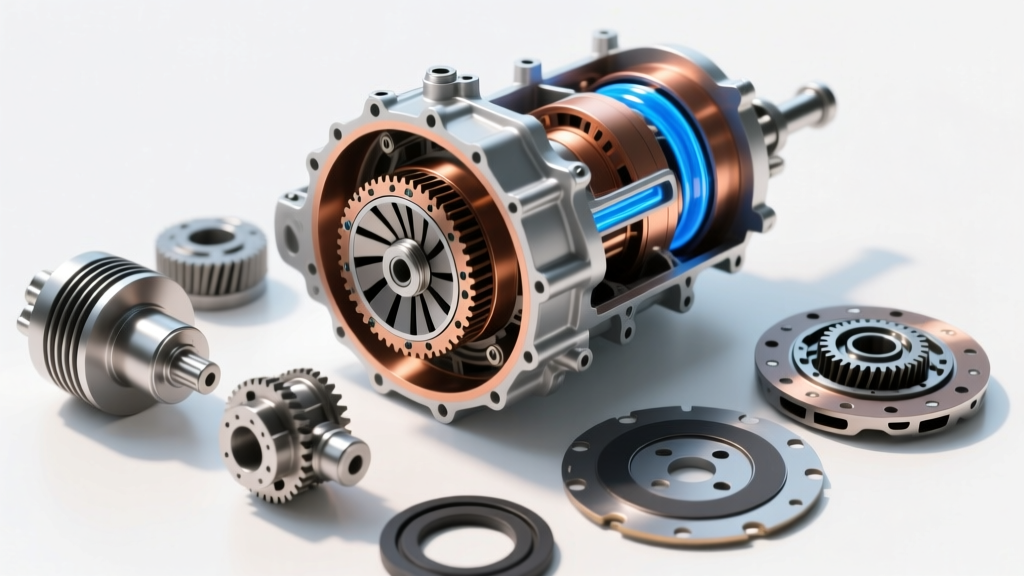
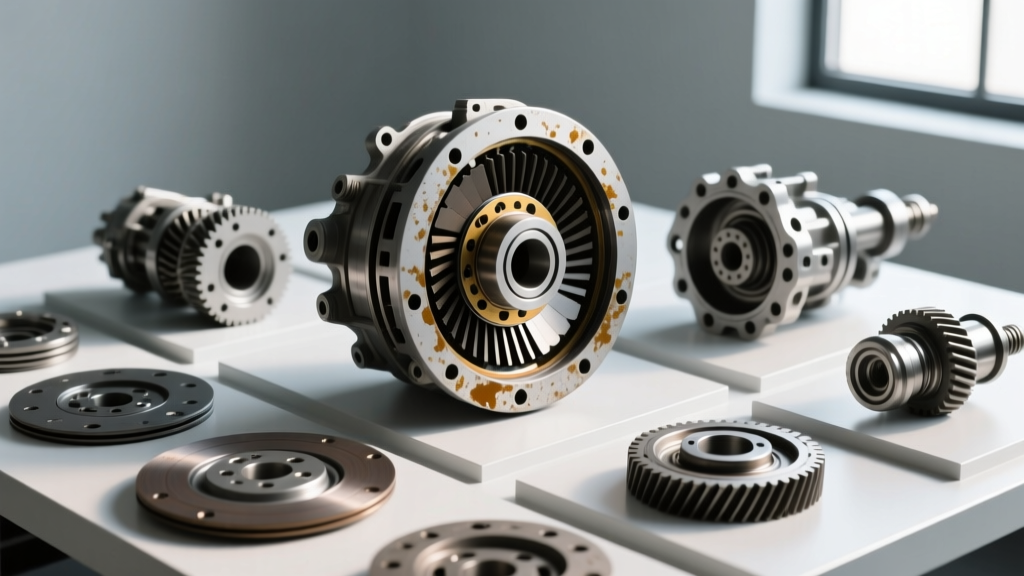
While scan tools and fluid analysis are critical, visual evidence remains the ultimate arbiter of internal mechanical failure. When master technicians review high-resolution torque converter images from cut-open units, they can instantly differentiate between a software calibration issue, a fluid chemistry failure, and catastrophic hardware degradation. Understanding what these visual cues mean is the cornerstone of an effective preventive maintenance and diagnostic strategy.
Decoding Visual Evidence: What Teardown Photos Show
Before committing to a $1,500 to $2,800 transmission removal and torque converter replacement, experienced rebuilders and diagnostic technicians rely on borescope inspections and teardown photography. Comparing torque converter images of a healthy unit versus a failed one highlights several distinct failure modes that dictate the repair path.
Thermal Bluing and Glazed Friction Linings
In a healthy TCC, the friction lining (typically an aramid or cellulose composite) has a matte, textured finish designed to hold a microscopic boundary layer of transmission fluid. When reviewing torque converter images of a shuddering unit, technicians look for 'thermal bluing'—a rainbow-colored oxidation pattern on the steel cover or piston. This indicates localized temperatures exceeding 400°F (204°C). Accompanying this is a glazed, mirror-like finish on the friction material. Glazing occurs when the friction modifiers in the fluid shear and burn, causing the lining to melt and fuse into a hard, slick surface. No amount of fluid flushing will restore a glazed TCC lining; replacement is mandatory.
Torsional Damper Spring Fatigue
Modern torque converters utilize complex internal torsional dampers (a series of nested coil springs) to absorb engine combustion pulses before they reach the transmission input shaft. In units like the GM 6L80/6L90 and the ZF 8HP, broken or collapsed damper springs are a primary culprit for low-frequency shudder. Teardown images often reveal springs that have lost their temper (indicated by dark, burnt metal) or shattered entirely, sending metallic debris directly into the stator support tube and valve body.
Scan Tool Diagnostics: Beyond the Visuals
Visual inspection confirms the damage, but scan tool data pinpoints the cause. To diagnose shudder, connect a bidirectional scan tool and monitor the TCC Slip Speed PID while driving at a steady 45-50 mph in top gear.
- Normal Operation: TCC slip should be tightly controlled between 0 and 20 RPM during full lockup, or a steady 40-60 RPM during controlled EMCC slip.
- Shudder Condition: The slip RPM will oscillate wildly (e.g., bouncing between -30 RPM and +80 RPM multiple times per second). This oscillation is the physical vibration you feel in the seat.
- Solenoid Command: Monitor the TCC PWM (Pulse Width Modulate) solenoid duty cycle. If the commanded duty cycle is stable but the actual slip is erratic, the issue is mechanical (glazed clutch or failing stator). If the duty cycle itself is hunting, suspect a sticking TCC regulator valve in the valve body or a failing solenoid.
Preventive Maintenance: Fluid Chemistry in the ULV Era
The most effective way to prevent the hardware failures seen in destructive teardown images is strict adherence to fluid maintenance intervals. The shift to ULV fluids has drastically reduced internal drag, but these fluids are highly sensitive to shear and thermal breakdown. Using the incorrect friction modifier will induce shudder within 500 miles.
| Transmission Model | OEM Fluid Spec | Friction Modifier Profile | Total Capacity (Dry) | Preventive Drop Interval |
|---|---|---|---|---|
| GM 6L80 / 6L90 | Dexron VI / ULV | High static, low dynamic | 11.2 - 13.1 Quarts | Every 45,000 Miles |
| Ford 10R80 | Mercon ULV | Aggressive initial bite | 13.1 Quarts | Every 30,000 Miles |
| ZF 8HP (Gen 2/3) | ZF Lifeguard 8 | Proprietary ZF Ester Blend | 9.5 - 10.5 Quarts | Every 50,000 Miles |
Pro-Tip: Never use a generic 'shudder fix' additive on ZF 8HP units. ZF Lifeguard 8 has a highly specific friction curve, and aftermarket esters can cause irreversible TCC slip codes (P0741) and void the transmission warranty. For GM and Ford units experiencing early-stage shudder, a drain-and-fill with OEM fluid plus a dedicated friction modifier like Lubegard Platinum can sometimes reverse minor glazing.
Proven Fixes: From Software to Hard Parts
Once you have correlated the scan data with the visual evidence from torque converter images, it is time to execute the repair. According to data aggregated by the Automatic Transmission Rebuilders Association (ATRA), shudder fixes fall into two distinct categories.
Software Recalibrations and TSBs
Before tearing into the drivetrain, always check for Technical Service Bulletins (TSBs). A famous example is GM's TSB 18-NA-355, which addressed severe shudder in 6L80/6L90 equipped trucks (2015-2019). The fix involved flushing the system with a specialized cleaning agent (GM P/N 10-500-1001) followed by a software reflash that altered the TCC apply map, increasing the slip RPM to prevent the clutch from dragging at the friction threshold. Similarly, Ford released multiple PCM updates for the 10R80 to smooth out the 3-4 shift and TCC apply overlap. You can verify active recalls and TSBs via the NHTSA database.
Hardware Replacement and Installation Specs
If the fluid is burnt, or if teardown images confirm damper failure, the torque converter must be replaced. When sourcing replacements, always match the exact OEM stall speed and part number. For example, a replacement for a 6.2L GM truck requires GM P/N 24275884, while a Ford 10R80 requires P/N FL3Z-7902-A. Aftermarket units from Sonnax or YBX are excellent alternatives, often featuring upgraded billet covers and multi-clutch TCC designs to eliminate single-disc shudder.
Critical Installation Measurements
A new torque converter will quickly develop shudder if installed incorrectly. When bolting the new unit to the engine, adhere strictly to these mechanical tolerances:
- Flexplate Runout: Measure the flexplate with a dial indicator. Runout must not exceed 0.015 inches (0.38 mm). Excessive runout causes the TCC to pulse as it rotates, mimicking internal shudder.
- TC-to-Flexplate Clearance: Once the transmission is seated to the engine block, measure the gap between the torque converter studs and the flexplate. The ideal clearance is 1/8-inch to 3/16-inch (3.1mm to 4.7mm). If there is zero gap, the TC is bottomed out in the oil pump, which will destroy the pump within 50 miles.
- Torque Specifications: Always use new hardware. For GM LS/LT V8 applications, torque the flexplate to crankshaft bolts to 74 lb-ft (100 Nm). Torque the M10x1.5 torque converter-to-flexplate nuts to 46 lb-ft (62 Nm) in a star pattern.
Conclusion
Diagnosing torque converter shudder requires a synthesis of sensory feedback, digital scan tool data, and physical evidence. By understanding what cut-open torque converter images reveal about thermal stress and friction degradation, technicians and informed vehicle owners can avoid misdiagnoses and unnecessary part swapping. Whether the solution lies in a PCM reflash, a precise ULV fluid exchange, or a complete hardware replacement adhering to strict runout tolerances, a methodical approach is the only way to permanently eliminate the dreaded 45-mph rumble strip effect.