The Anatomy of TCC Shudder: Understanding the Stick-Slip Phenomenon
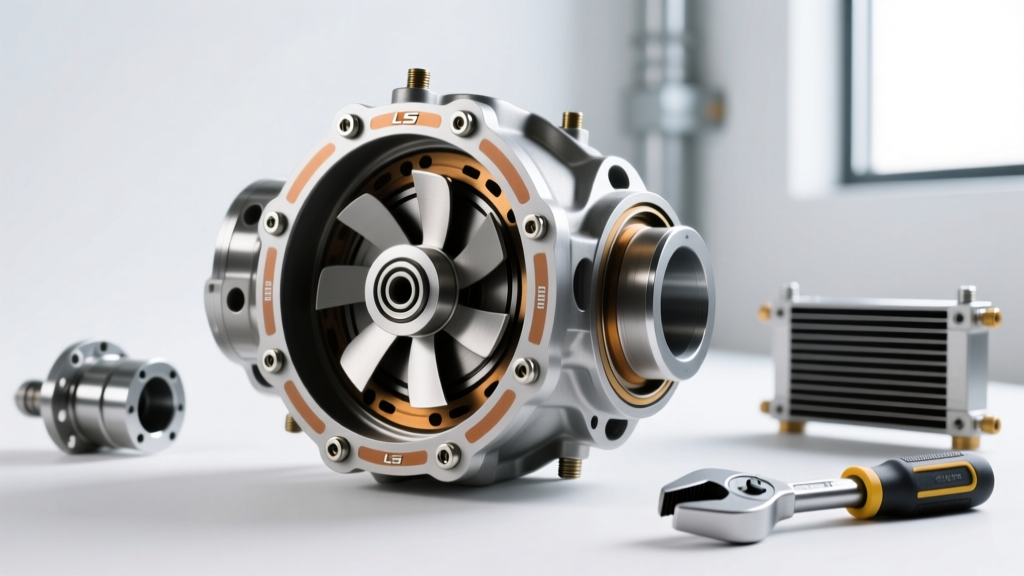
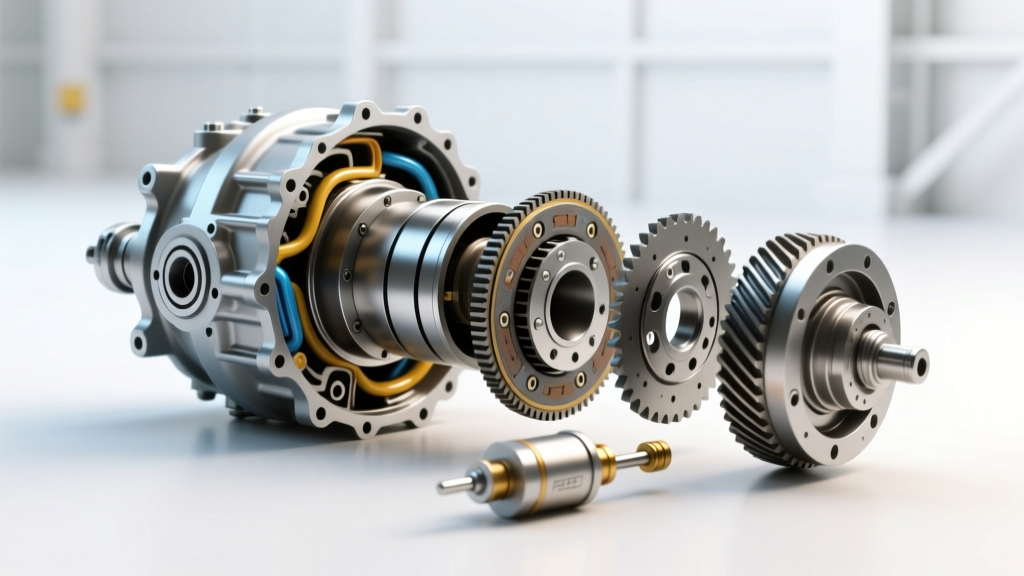
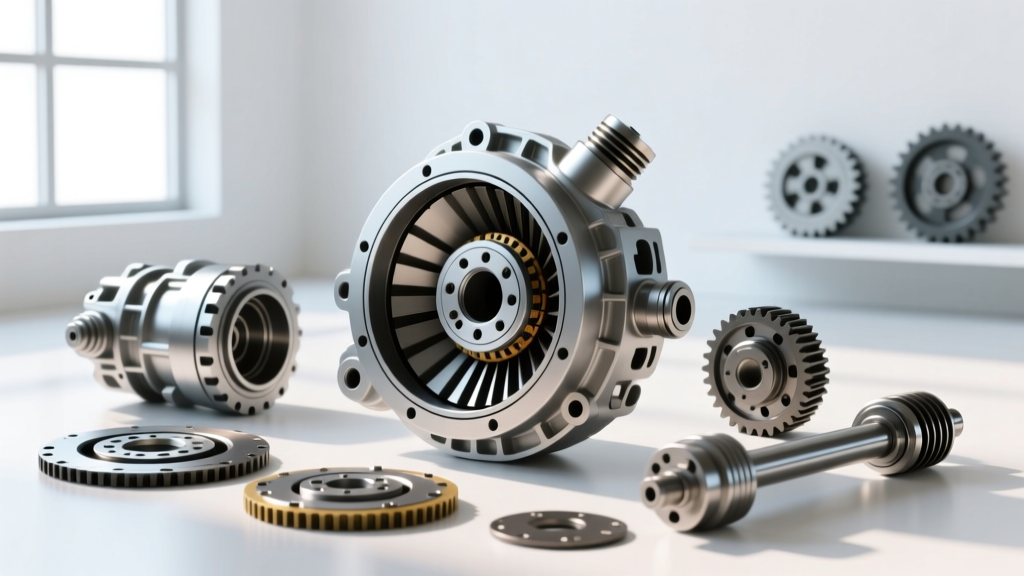
Torque converter shudder is one of the most jarring and frequently misdiagnosed drivetrain symptoms in modern vehicles. Often described as driving over rumble strips at highway speeds, this vibration occurs during the partial lockup phase of the torque converter clutch (TCC). To effectively diagnose and implement lasting fixes, technicians and DIY enthusiasts must understand the tribology—the science of friction and wear—governing the TCC friction material.
Modern automatic transmissions utilize Pulse Width Modulation (PWM) solenoids to apply the TCC. Instead of a harsh, binary lockup, the Transmission Control Module (TCM) modulates the solenoid to allow a controlled slip of 10 to 30 RPM. This micro-slip improves fuel economy and dampens engine harmonics. However, when the automatic transmission fluid (ATF) loses its friction modifiers, or the TCC friction lining becomes glazed, the clutch transitions from a smooth viscous slip to a violent 'stick-slip' cycle. This rapid grabbing and releasing translates directly into the driveline as a 3-5 Hz shudder.
Automotive Diagnosis: The Heavyweights (GM 6L80 and Ford 6R80)
In the automotive sector, torque converter shudder is notoriously prevalent in specific transmission families. According to Transmission Digest, the GM 6L80 and 6L90 series are infamous for developing shudder between 30 and 50 mph under light throttle application. The root cause is often the degradation of the Dexron HP fluid's friction modifier package, exacerbated by the TCC's aggressive apply strategy.
Targeted Fixes for GM Applications
- Fluid Exchange: A complete fluid exchange using Mobil 1 Synthetic LV ATF HP (Part # 11298000) is the first line of defense. This fluid contains an updated friction modifier package specifically engineered to restore the TCC's slip characteristics.
- Additive Intervention: In mild cases, a specialized friction modifier additive (such as Lubegard Instant Shudder Fixx) can temporarily recondition the cellulose-based friction paper.
- Hardware Replacement: If the shudder has persisted for over 5,000 miles, the TCC lining is likely marred or the damper springs inside the converter have fatigued. Replacement of the torque converter (ACDelco Part # 24254094 for select 6L80 applications) and the TCC PWM solenoid is mandatory.
Ford 6R80 and ZF 6HP26 Considerations
Ford's 6R80, derived from the ZF 6HP26 architecture, experiences shudder primarily due to solenoid bore wear in the valve body and degraded Mercon LV fluid. Diagnosing this requires monitoring the TCC slip RPM via an advanced OBD2 bidirectional scanner. If commanded slip is 20 RPM but actual slip oscillates wildly between 0 and 80 RPM, mechanical degradation of the clutch piston or valve body wear is confirmed.
The Torque Converter Motorcycle Paradigm
While the phrase torque converter motorcycle is frequently searched, true hydrodynamic torque converters in production motorcycles are exceptionally rare. Most 'automatic' motorcycles utilize Dual-Clutch Transmissions (DCT) or Continuously Variable Transmissions (CVT). However, the diagnostic approach to shudder in these motorcycle platforms shares fascinating parallels—and distinct differences—with automotive TC systems.
Custom Trikes and True TC Motorcycles
In custom V8 trike builds or rare historical models like the Honda DN-01 (which utilized a hydrostatic HFT system often conflated with torque converters), the drivetrain relies on automotive-grade torque converters mated to motorcycle final drives. Shudder in a torque converter motorcycle trike build is magnified by the lack of a heavy, sound-deadening chassis. A 3 Hz shudder that is barely noticeable in a 4,500-lb truck can be violently amplified through the handlebars of a lightweight trike. Preventive maintenance here dictates fluid changes every 15,000 miles, significantly shorter than automotive intervals, due to the higher thermal stress and smaller fluid capacities (often under 5 quarts).
DCT 'Shudder' vs. TC Shudder
Riders of modern DCT-equipped motorcycles (like the Honda Africa Twin or NC750X) often report a shudder during low-speed clutch engagement. This is not a fluid-friction TCC issue, but rather a wet multi-plate clutch glazing issue caused by prolonged friction-zone slipping in stop-and-go traffic. The fix involves resetting the ECU clutch touchpoint calibration and, in severe cases, replacing the clutch basket and friction plates, rather than altering fluid chemistry.
Preventive Maintenance & Fluid Matrix
Establishing a rigorous preventive maintenance schedule is the most cost-effective way to avoid catastrophic TCC failure. The table below outlines the specific requirements for maintaining optimal friction coefficients across different platforms.
| Platform / Transmission | Fluid Specification | Service Interval | Capacity (Pan Drop) | Common Failure Trigger |
|---|---|---|---|---|
| GM 6L80 / 6L90 (Auto) | Dexron HP / Mobil 1 LV HP | 45,000 Miles | 6.0 - 6.5 Quarts | Friction modifier depletion |
| Ford 6R80 (Auto) | Mercon LV (Motorcraft XT-10-QDC) | 60,000 Miles | 5.5 - 6.0 Quarts | Valve body bore wear / Solenoid fatigue |
| ZF 8HP (Auto) | ZF LifeguardFluid 8 | 50,000 Miles | 5.0 - 6.0 Quarts | Thermostat failure leading to thermal degradation |
| Torque Converter Motorcycle (Custom/Trike) | Application Specific (e.g., Dexron VI) | 15,000 Miles | 3.0 - 4.5 Quarts | High thermal load / Inadequate cooling |
| Motorcycle DCT (Honda) | Pro Honda GN4 10W-30 | 12,000 Miles | 3.5 - 4.0 Quarts | Wet clutch glazing from low-speed slip |
Step-by-Step Diagnostic Protocol
When a vehicle or custom motorcycle presents with a suspected TCC shudder, follow this methodical diagnostic sequence to isolate the root cause before committing to an expensive teardown. Technical data sourced from Sonnax Technical Resources emphasizes the importance of isolating electrical faults from mechanical wear.
Step 1: Data PID Analysis
Connect a bidirectional scan tool and monitor the TCC Slip Speed PID while driving at the exact speed the shudder occurs (typically 40-50 mph in 4th or 5th gear). Command the TCC to lock. If the actual slip speed reads 0 RPM but the vehicle still vibrates, the issue is not the torque converter; investigate engine misfires, harmonic balancer failure, or driveshaft U-joints. If the slip speed oscillates rapidly between 0 and 100 RPM, TCC shudder is confirmed.
Step 2: Solenoid Resistance Testing
Drop the transmission pan and test the TCC PWM solenoid. Using a digital multimeter, measure the resistance across the solenoid pins. A healthy GM 6L80 TCC solenoid should read between 10 and 15 Ohms at room temperature. An out-of-spec reading indicates an internal coil short, causing erratic hydraulic pressure application.
Step 3: Fluid Forensics
Inspect the drained fluid. A burnt smell or a dark brown color indicates severe thermal breakdown of the friction lining. If you find a high concentration of copper or brass flakes in the pan, the torque converter's internal stator support or bushings are failing, necessitating a complete transmission flush and converter replacement.
Cost Analysis and Replacement Thresholds
Understanding the financial threshold between a preventive fix and a major repair is crucial for shop owners and consumers alike. A simple fluid exchange with a high-quality synthetic ATF and friction modifier additive typically costs between $150 and $250. This is highly recommended as a preventive measure at the first sign of micro-shudder.
However, if the friction paper is physically torn or the converter's internal damper springs have collapsed, no fluid additive will repair the mechanical damage. A remanufactured torque converter ranges from $350 to $600 for standard automotive applications. Labor for removal and installation (R&I) of the transmission requires dropping the crossmember, unbolting the driveshaft, and separating the bellhousing. TC-to-flexplate bolts typically require a torque spec of 35-45 lb-ft (47-61 Nm) depending on the application. Total labor and parts for a professional TC replacement usually land between $900 and $1,400.
Expert Insight: Never reuse the original transmission fluid when installing a new torque converter. The old fluid contains suspended friction material and metallic debris that will immediately contaminate the new TCC lining, causing premature shudder and voiding the warranty on the remanufactured unit.
Whether you are maintaining a daily-driven GM pickup, a high-performance ZF-equipped sports car, or a custom-built torque converter motorcycle trike, respecting the delicate friction balance of the TCC is paramount. By adhering to strict fluid intervals and utilizing accurate diagnostic data, you can eliminate shudder and ensure seamless power delivery for the life of the drivetrain.