The Thermal Breaking Point: Understanding LS Converter Overheating
The General Motors LS engine platform, paired with transmissions like the 4L60E, 4L80E, and the newer 6L80E, is legendary for its power potential. However, generating massive horsepower introduces a severe byproduct: thermal energy. Torque converter overheating problems are among the most common and destructive failures in modified LS vehicles. When the internal temperature of the torque converter exceeds safe thresholds, the transmission fluid degrades, the Torque Converter Clutch (TCC) lining disintegrates, and catastrophic transmission failure follows.
Normal operating temperatures for a torque converter range between 160°F and 185°F. Once fluid temperatures breach 220°F, the chemical additives in the Automatic Transmission Fluid (ATF) begin to break down, leading to varnish formation and reduced lubricity. At 250°F, synthetic blends and conventional fluids alike suffer rapid oxidation, and the internal O-rings and seals inside the transmission begin to harden and crack. In high-stall applications or vehicles subjected to heavy towing and track use, managing this heat is not optional—it is mandatory for survival.
Buyer's Guide: Upgraded LS Torque Converters
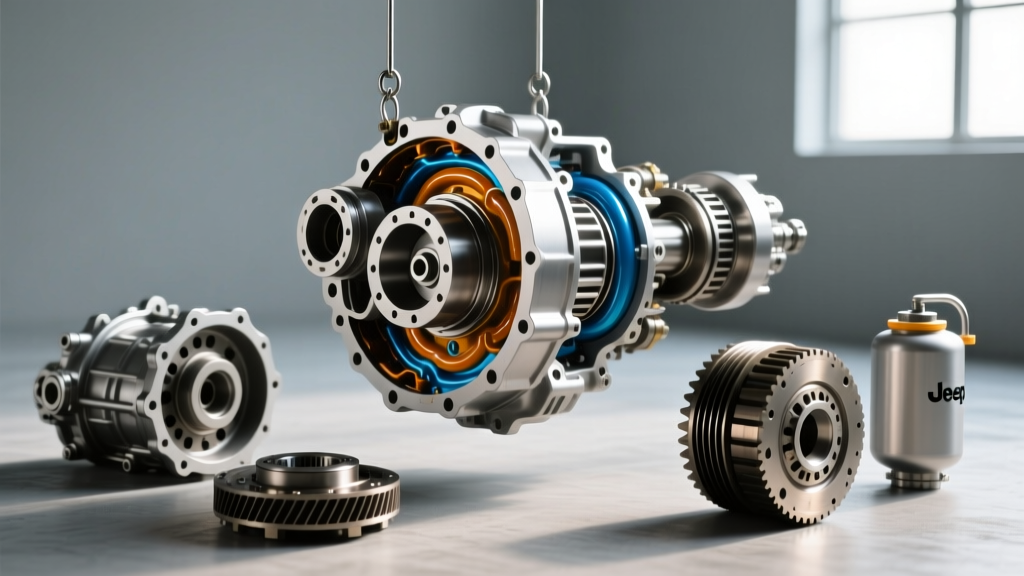
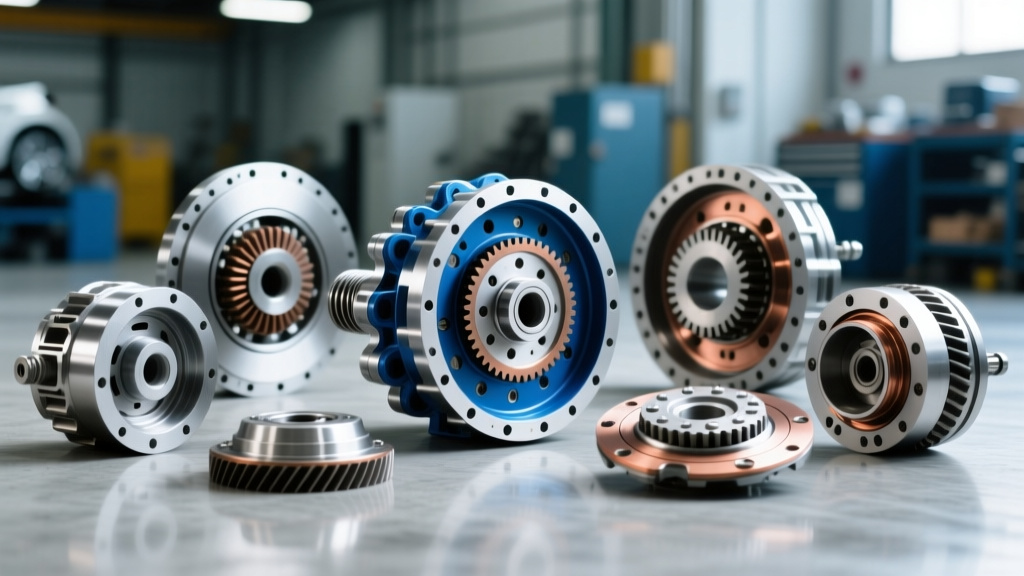
When addressing torque converter overheating problems, the first step is often upgrading the converter itself. OEM converters are designed for fuel economy and mild street manners, utilizing stamped steel covers and single-disc TCC assemblies that slip excessively under load. This slip generates massive amounts of heat. Upgrading to a billet-faced, multi-disc lockup converter drastically reduces TCC slip and improves thermal efficiency.
| Manufacturer / Model | Stall Speed | Cover Material | TCC Type | Est. Price (2026) |
|---|---|---|---|---|
| OEM GM (P/N 24230000) | 1800-2000 RPM | Stamped Steel | Single-Disc Woven | $220 - $280 |
| Circle D Specialties 3200-3600 | 3200-3600 RPM | Billet Steel | Multi-Disc Carbon | $650 - $850 |
| TCI Automotive StreetFighter | 2800-3200 RPM | Billet Steel | Multi-Disc Kevlar | $550 - $700 |
| Vigilante 3200 Precision | 3000-3400 RPM | Billet Steel | Multi-Disc Carbon | $800 - $1,050 |
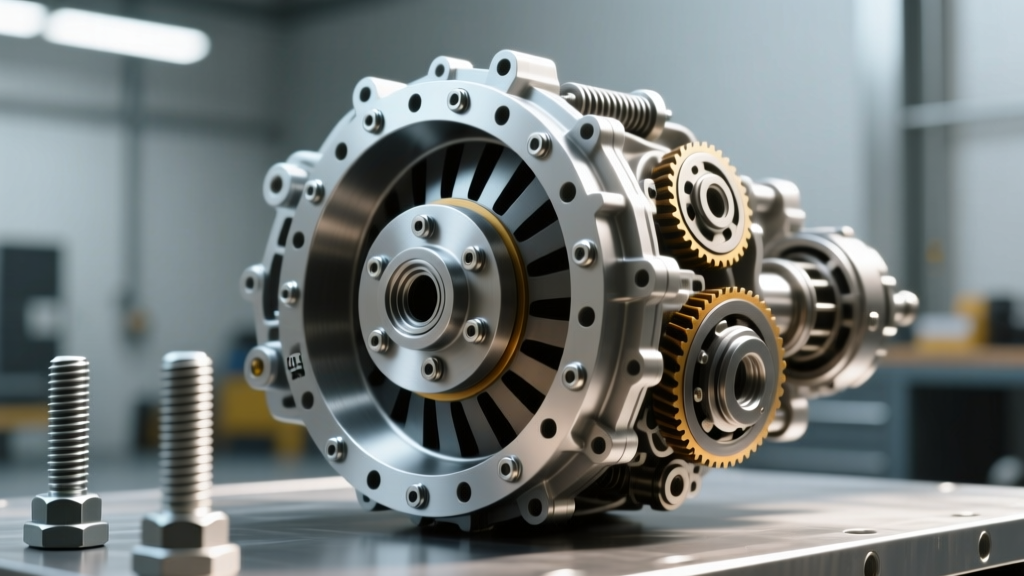
For heavily modified LS applications pushing 500+ horsepower, billet covers are essential. A stamped steel cover can balloon under high line pressure and centrifugal force, pulling away from the flexplate and causing severe misalignment. Furthermore, multi-disc carbon or Kevlar TCC linings provide a positive lockup, eliminating the parasitic slip that causes fluid temperatures to spike during highway cruising or steady-state track pulls. You can explore a wide variety of these high-performance units through retailers like Summit Racing or directly via manufacturers like TCI Automotive.
The Hardware Connection: LS Torque Converter Bolts Torque Specs
One of the most overlooked causes of torque converter overheating and premature transmission pump failure is improper fastener installation. When builders search for the correct LS torque converter bolts torque specs, they often assume that simply tightening the bolts until they are snug is sufficient. This is a critical error that leads to flexplate warping, converter cover distortion, and subsequent internal drag.
OEM Specifications and Hardware
The standard LS flexplate-to-torque converter connection utilizes three or four M10 x 1.5 flange bolts (depending on the specific flexplate and converter pattern). The OEM GM part number for these bolts is typically 11569956. According to GM service manuals for the 4L60E and 4L80E, the factory LS torque converter bolts torque specs are set at 37 lb-ft (50 Nm).
Applying excessive torque (e.g., 60+ lb-ft) will distort the relatively thin stamped steel cover of an OEM converter or even warp the mounting pads on a billet cover. This distortion pushes the internal TCC piston out of parallel, causing the clutch to drag even when the transmission computer commands it to release. This constant, unintended friction generates immense heat, directly leading to the torque converter overheating problems you are trying to avoid.
Aftermarket Upgrades: ARP Fasteners
If you are upgrading to an aftermarket flexplate (such as a TCI or B&M SFI-approved unit), you will likely use an ARP bolt kit (e.g., ARP 234-7303 or similar LS-specific kits). ARP bolts are manufactured from higher-grade chromoly steel and feature rolled threads. Do not use the OEM 37 lb-ft spec for ARP hardware. ARP fasteners require the use of their specific moly-based lubricant on the threads and the underside of the bolt head. When properly lubricated, ARP typically recommends a torque spec between 45 and 50 lb-ft for M10 flexplate bolts, but you must always defer to the specific instruction sheet included in your hardware kit. Under-torquing these bolts can result in sheared heads under high-torque multiplication, while over-torquing without proper lubrication stretches the bolt past its yield point.
Seating and Pump Bushing Wear
Before torquing the converter to the flexplate, ensure the torque converter is fully seated into the transmission. The converter must slide over the input shaft, engage the stator support, and fully seat into the transmission pump gear. If the converter is not fully seated (typically requiring a depth measurement of 1/8" to 3/16" past the bellhousing mating surface), tightening the bolts will pull the converter forward. This places a massive axial load on the transmission pump bushing, causing rapid wear, fluid cavitation, and poor cooler flow—all of which exacerbate thermal issues.
Auxiliary Cooling Solutions: Bypassing the Radiator
Even with a billet, multi-disc converter, inadequate cooling will result in failure. The factory setup routes transmission fluid to the engine radiator's internal cooler before returning to the transmission. In high-horsepower or towing applications, the radiator's thermal capacity is easily overwhelmed, effectively using the transmission fluid to cool the engine rather than the other way around.
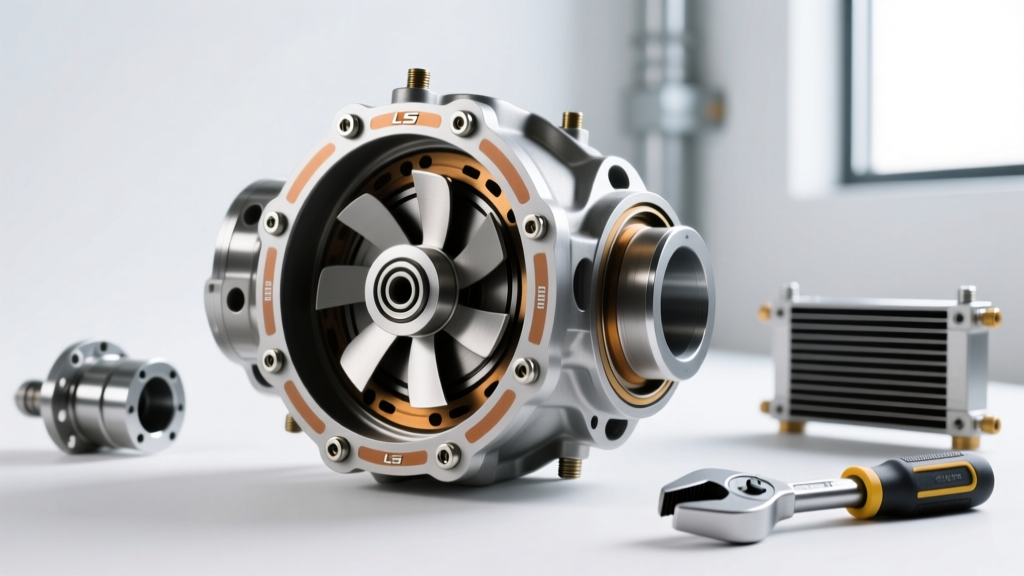
For a dedicated cooling circuit, we recommend installing an auxiliary plate-and-fin cooler. The Tru-Cool 4544 (rated for up to 24,000 GVW) or the Hayden Rapid-Cool 679 are industry standards. Plate-and-fin designs offer superior heat dissipation compared to older tube-and-fin designs and are less prone to clogging with metallic debris. When installing an auxiliary cooler, use a thermostatic bypass valve if the vehicle is driven in cold climates; this ensures the ATF reaches its optimal operating temperature of 160°F quickly, preventing moisture condensation and sluggish valve body operation during winter months.
Diagnostic Symptoms of a Failing, Overheating Converter
Recognizing the early warning signs of thermal degradation can save you from a $3,000 transmission rebuild. Monitor your vehicle for the following symptoms:
- TCC Shudder: A rhythmic vibration felt through the chassis at 40-55 MPH under light throttle. This indicates the TCC friction material is glazing or breaking down due to excessive heat and slip.
- Burnt Fluid Odor: Dexron VI should be bright red and nearly odorless. If the fluid on the dipstick smells like burnt toast and appears dark brown or black, the fluid has been thermally destroyed.
- Delayed Engagement: Overheating causes the internal seals and O-rings to harden. This leads to internal pressure leaks, manifesting as a 2-to-3 second delay when shifting from Park to Drive or Reverse.
- High Stall / Slipping: If the internal stator one-way clutch fails due to thermal expansion and metal fatigue, the stator will freewheel in both directions. This results in a severe lack of low-end torque and the vehicle feeling as though it is starting in second gear.
Fluid Selection for Thermal Management
The final piece of the thermal management puzzle is the fluid itself. For 4L60E and 4L80E applications, GM mandates Dexron VI (P/N 88865618). Dexron VI features a highly stable synthetic base stock that resists shear breakdown and oxidation far better than the obsolete Dexron III. For 6L80E and later 8-speed/10-speed GM transmissions, ensure you are using the specific UltraLow Viscosity (ULV) fluids required by those specific valve bodies. Never mix fluid types, and ensure your cooler lines are flushed with a dedicated solvent after any converter failure to prevent metallic debris from circulating through your newly upgraded system. For extreme track applications, consulting with specialists at Circle D Specialties can provide tailored advice on fluid selection matched to your specific stall speed and lockup strategy.
Final Verdict
Eliminating torque converter overheating problems in LS platforms requires a holistic approach. It is not enough to simply buy a larger cooler; you must upgrade to a billet, multi-disc converter to eliminate parasitic slip, install a dedicated auxiliary cooling circuit, and strictly adhere to the proper LS torque converter bolts torque specs during assembly. By respecting the mechanical tolerances and thermal limits of your drivetrain, you can ensure that your LS-powered vehicle performs reliably, whether on the street or the strip.