The Anatomy of Torque Converter Fluid Degradation
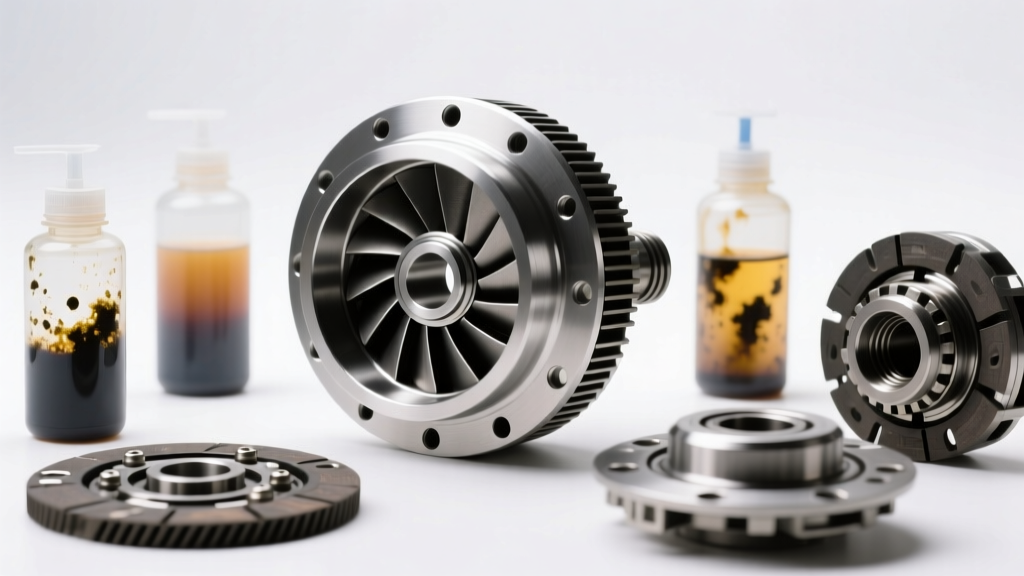
When a customer complains of a rhythmic, vibrating shudder during highway cruising, the immediate suspect is the torque converter clutch (TCC). In modern automatic transmissions, the TCC applies at lower speeds and in lower gears to improve fuel economy. This aggressive apply strategy generates immense heat and shearing forces inside the torque converter. Over time, the automatic transmission fluid (ATF) loses its friction modifiers and viscosity, leading to varnish and sludge buildup. This degradation is the primary catalyst for TCC shudder, prompting many technicians and DIYers to reach for a torque converter cleaner additive in hopes of a cheap fix.
But does a chemical cleaner actually work, or is it merely a band-aid for impending mechanical failure? To answer this, we must understand the environment inside the converter. The torque converter acts as a centrifugal pump. Fluid is subjected to extreme shear forces as it transfers torque from the impeller to the turbine. According to fluid dynamics research published by Transmission Digest, localized temperatures inside the TCC apply zone can momentarily exceed 300°F (149°C) during slip-controlled lockup. At these temperatures, the base oil oxidizes, and the friction modifier additives deplete, leaving behind microscopic varnish deposits on the TCC piston and stator clutch linings.
How Torque Converter Cleaners Work: Chemistry vs. Mechanics
A high-quality torque converter cleaner is not a harsh solvent; it is a sophisticated package of synthetic esters, dispersants, and friction modifier restorers. When added to the transmission pan, the cleaner circulates through the cooler lines and into the torque converter. The ester-based detergents work to safely dissolve varnish and sludge without swelling or degrading the viton seals and O-rings inside the valve body and TCC apply piston.
Furthermore, premium cleaners (such as those utilizing proprietary LXE technology) replenish the depleted friction modifiers. This restores the fluid's ability to maintain a stable coefficient of friction during the TCC's micro-slip apply phase. However, not all cleaners are created equal. Petroleum distillate-based flush chemicals can actually wash away the remaining protective films on carbon-fiber or cellulose clutch linings, accelerating wear and causing severe bridge seal leaks in units like the ZF 8HP.
The Risk of Aggressive Solvents on Modern TCC Linings
Modern torque converters utilize advanced friction materials. For instance, the GM 10R80 and Ford 10R80 use specialized carbon-impregnated paper linings designed for continuous slip control (CSC). Introducing an aggressive, non-ester-based torque converter cleaner can strip the friction material, leading to catastrophic TCC failure and contaminating the entire hydraulic circuit with clutch debris. Always verify that the cleaner is explicitly rated for synthetic ATFs (like Dexron ULV or Mercon ULV) before application.
Comparative Analysis: Chemical Cleaners vs. Mechanical Services
Choosing the right intervention depends heavily on the transmission model, mileage, and the severity of the fluid degradation. Below is a 2026 expert comparison of the available remediation strategies for torque converter fluid issues.
| Service Method | Avg. Cost (2026) | Efficacy on Varnish | Risk to TCC Lining | Best Application Scenario |
|---|---|---|---|---|
| Ester-Based TC Cleaner Additive | $20 - $45 | Moderate to High | Very Low (if ester-based) | Mild shudder, 60k-90k miles, preventative maintenance. |
| Machine Power Flush | $180 - $280 | High (Physical Removal) | Moderate (Debris Mobilization) | Severe fluid oxidation, no existing mechanical slip codes. |
| Drop-Pan, Filter & Fluid Exchange | $250 - $450 | Moderate | Low | Routine service, capturing pan debris, replacing clogged filters. |
| Complete TC Replacement & Flush | $1,200 - $2,500+ | N/A (Physical Replacement) | N/A | Glazed linings, excessive TCC slip RPM, mechanical piston wear. |
Expert Best Practices: Diagnosing and Treating the GM 6L80
The GM 6L80 and 6L90 transmissions are notorious for TCC shudder, typically occurring between 40-55 mph in 4th, 5th, or 6th gear. Before pouring a torque converter cleaner into the pan, a proper diagnostic protocol must be followed using a bi-directional scan tool.
- Monitor TCC Slip Speed PID: Command the TCC to lock at highway speeds. A healthy TCC will show slip RPMs between 0 and 15 RPM. If the slip RPM fluctuates wildly between 40 and 120 RPM, shudder is occurring.
- Check Fluid Level at Operating Temp: The 6L80 requires the fluid to be checked with the transmission fluid temperature (TFT) between 85°C and 95°C (185°F - 203°F). Checking it cold will result in an overfilled transmission, causing aeriation (foaming) which mimics TCC shudder.
- Pan Bolt Torque Spec: If dropping the pan to add a cleaner and replace the filter, note that the 6L80 aluminum pan bolts are torqued to 10 Nm (89 lb-in). Overtightening will warp the pan and cause leaks.
The Expert Verdict for the 6L80: If the shudder is caught early (under 80,000 miles) and the fluid is dark but not burnt, adding a high-quality ester-based torque converter cleaner alongside a premium synthetic ATF can restore the friction coefficient and eliminate the shudder within 500 miles of driving. However, if the scan tool shows consistent TCC slip codes (e.g., P0741) and the fluid smells severely burnt, the TCC lining is physically glazed. No chemical cleaner will fix this; the torque converter must be replaced.
The Mechanical Edge Case: Valve Body Bore Wear
As highlighted by the engineering team at Sonnax, a common misdiagnosis in 6L80 shudder cases is blaming the fluid or the torque converter when the actual culprit is the TCC regulator valve bore in the valve body. Over time, the oscillating valve wears out the aluminum bore, causing hydraulic pressure leaks. This results in insufficient apply pressure to the TCC piston, causing it to slip and shudder. In this scenario, a torque converter cleaner is entirely useless. The fix requires installing a Sonnax ZIP valve body repair kit to restore hydraulic integrity.
Warnings for ZF 8HP and 9HP Transmissions
The ZF 8HP (found in BMW, Audi, Chrysler, and Ford applications) and 9HP transmissions operate on entirely different hydraulic principles and fluid specifications. ZF mandates the use of their proprietary LifeguardFluid series (e.g., ZF LifeguardFluid 8). These fluids contain highly specific, patented friction modifiers tailored to the ZF mechatronic unit's solenoid mapping.
Expert Warning: Never use generic, multi-vehicle torque converter cleaners or "shudder fix" additives in a ZF 8HP transmission. Altering the fluid's friction coefficient will confuse the Transmission Control Module (TCM), leading to harsh shifts, mechatronic sleeve leaks, and potential adaptation failures. If a ZF 8HP exhibits shudder, perform a fluid exchange using only OEM ZF fluid, followed by a TCM adaptation reset via a factory-level scan tool.
Furthermore, the ZF 8HP plastic transmission pan integrates the filter and fluid temperature sensor. When servicing, the plastic pan bolts must be torqued precisely to 10 Nm. Using a chemical cleaner to attempt to flush out debris from a clogged ZF filter is a futile effort, as the filter media is too dense for chemical detergents to clear; physical replacement of the entire pan assembly is the only approved method.
Summary: When to Use a Torque Converter Cleaner
A torque converter cleaner is a highly effective, low-cost intervention when used correctly. It is best utilized as a preventative measure or a first-line defense against mild TCC shudder caused by fluid oxidation and friction modifier depletion in conventional automatic transmissions (like the GM 6L80, Ford 6R80, or Toyota U660). By dissolving varnish and restoring the fluid's ester base, these additives can extend the life of the TCC lining and restore smooth lockup.
However, transmission experts must recognize the limits of chemistry. If diagnostic data reveals severe mechanical slip, burnt fluid indicating physical clutch glazing, or hydraulic bore wear in the valve body, chemical cleaners will only delay the inevitable. In those cases, mechanical remediation—ranging from valve body kits to complete torque converter replacement—is the only reliable path to restoring drivetrain integrity.