Understanding 10L80 Lockup Torque Converter Operation
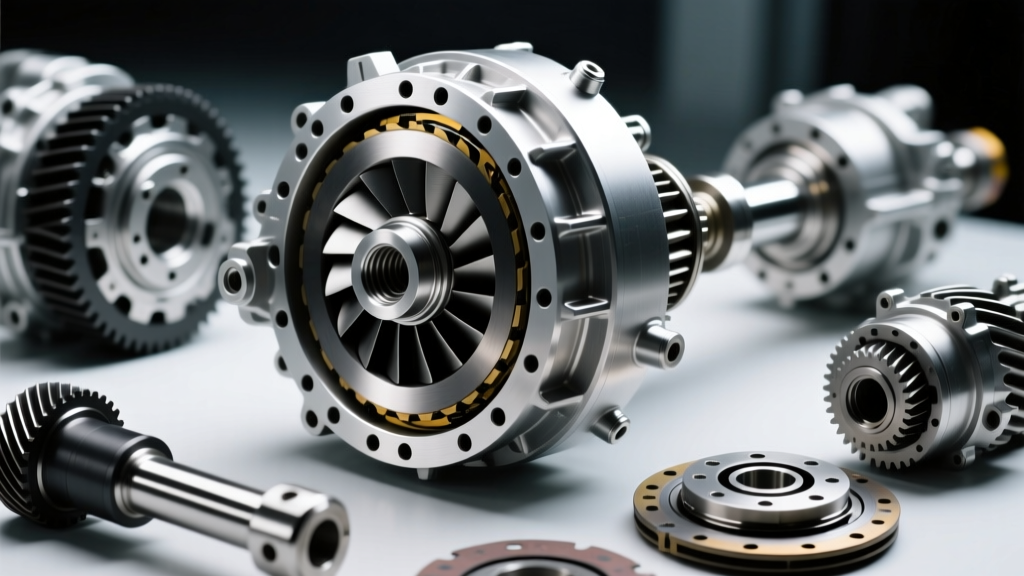
The 2019 GMC Sierra 1500 equipped with the 6.2L V8 (RPO L87) utilizes the robust 10-speed 10L80 automatic transmission (RPO MGU). To maximize fuel economy and keep the engine in its optimal torque band, the 10L80 relies heavily on early and aggressive Torque Converter Clutch (TCC) lockup. Unlike older transmissions that simply locked and unlocked the torque converter, the 10L80 uses a Pulse Width Modulated (PWM) TCC solenoid to maintain a 'controlled slip' state. This means the converter is technically locked, but slipping by 20 to 40 RPM to absorb torsional vibrations from the V8 engine.
When searching for a reliable torque converter shudder fix, 2019 GMC Sierra 1500 6.2 owners often find themselves caught between software calibration issues and mechanical wear. Shudder occurs when the friction material inside the torque converter or the hydraulic pressure regulating the TCC apply circuit fails to maintain that precise 20-40 RPM slip. Instead of a smooth micro-slip, the clutch rapidly grabs and releases, creating a harmonic vibration typically felt between 35 and 55 mph in gears 6 through 10.
Differentiating TCC Shudder from DFM Vibration
Before tearing into the transmission pan, it is critical to rule out the engine's Dynamic Fuel Management (DFM) system. The 6.2L L87 engine can deactivate cylinders in 17 different patterns to save fuel. DFM transitions and the resulting exhaust pulses can create NVH (Noise, Vibration, and Harshness) that perfectly mimics a failing torque converter.
The GDS2 Diagnostic Test
To isolate the culprit, connect a GDS2 (Global Diagnostic System 2) or an advanced bi-directional scan tool and monitor the following live data PIDs while driving at the exact speed the shudder occurs:
- TCC Slip Speed: Normal operation shows a steady 20-40 RPM slip. Shudder will show rapid oscillations jumping between 0 and 150+ RPM.
- TCC Solenoid Duty Cycle: If the duty cycle is steady but slip speed is erratic, the issue is mechanical (fluid degradation or worn friction material).
- Cylinder Deactivation State: Force the engine into V8 mode (disable DFM via scan tool). If the vibration persists, it is a transmission/TCC issue. If it disappears, the issue lies in the engine's active vibration dampening or DFM tuning.
Pro-Tip: Never confuse a misfire with TCC shudder. A misfire will show up as a negative RPM fluctuation on the crankshaft position sensor and will usually trigger a P0300 code. TCC shudder rarely triggers a Check Engine Light until the friction material is completely destroyed and the TCC sets a P0741 (TCC System Stuck Off) code.
The Ultimate Torque Converter Shudder Fix Protocol
Fixing lockup shudder on the 10L80 requires a systematic approach. Do not immediately replace the torque converter without performing the hydraulic and software steps first.
Phase 1: Dexron ULV Fluid Exchange
The 10L80 requires ACDelco Dexron ULV (Ultra Low Viscosity) fluid. This fluid is engineered specifically for the tight clearances of the 10L80's clutch packs and TCC regulator valve. Using standard Dexron VI will cause catastrophic shift quality issues and worsen shudder. Over time, the friction modifiers in the ULV fluid shear down, leading to a harsh TCC apply.
- Perform a dual-drain and fill. A simple pan drop only removes about 10.5 quarts, leaving old fluid in the torque converter and cooler lines.
- Drop the transmission pan (Pan bolt torque: 80 in-lb).
- Replace the internal filter (it is integrated into the pan assembly on early 10L80s, though some later models feature a serviceable filter).
- Refill with exactly 10.5 quarts of ACDelco Dexron ULV.
- Drive the vehicle for 20 miles to allow the new friction modifiers to coat the TCC lining, then perform a second pan drop and fill.
Phase 2: PCM TCC Calibration Update
GM has released multiple Technical Service Bulletins (TSBs) addressing TCC apply pressures on the 2019 Sierra. Connect to the GM Global Connect portal and check for the latest PCM and TCM calibration files. These updates alter the PWM solenoid ramp-up rates, softening the TCC apply to compensate for normal clutch wear.
Phase 3: TCC Regulator Valve & Valve Body Inspection
If fresh ULV fluid and a PCM flash do not resolve the shudder, the hydraulic circuit is likely compromised. The TCC regulator valve in the 10L80 valve body is prone to bore wear. When the aluminum bore wears, hydraulic pressure bleeds off, preventing the TCC from applying with enough force to hold a steady slip. According to Sonnax 10L80 technical documentation, installing a drop-in TCC regulator valve kit or a complete Zip Kit restores hydraulic integrity without requiring a full transmission rebuild.
10L80 Transmission & Torque Converter Specifications
When performing mechanical repairs, adhering to GM's exact specifications is non-negotiable. Below are the critical specs for the 2019 Sierra 6.2L 10L80 drivetrain:
| Specification | Value / Part Number |
|---|---|
| Transmission RPO Code | MGU (10L80) |
| Engine RPO Code | L87 (6.2L V8 with DFM) |
| Fluid Type | ACDelco Dexron ULV (P/N 10-9394) |
| Pan Drop Capacity | 10.5 Quarts (9.9 Liters) |
| Total Dry Fill Capacity | 11.5 Quarts (10.9 Liters) |
| TCC Solenoid Type | PWM (Pulse Width Modulated) Variable Force |
| TC-to-Flexplate Bolt Torque | 15 lb-ft + 45 degrees |
| Cooler Line Fitting Torque | 18 lb-ft |
| Valve Body-to-Case Bolt Torque | 80 in-lb (Follow star sequence) |
Mechanical Edge Cases: When to Replace the Torque Converter
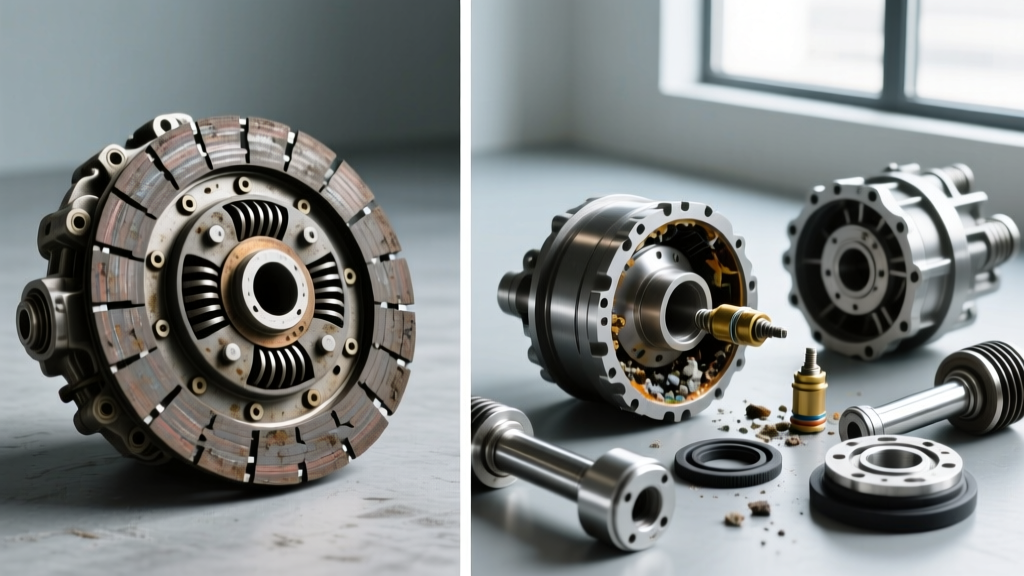
If the shudder persists after fluid services, PCM updates, and valve body repairs, the torque converter's internal friction lining has likely suffered thermal degradation. The 10L80 torque converter uses a multi-plate clutch design rather than a single friction disc. When the lining glazes or breaks apart, debris contaminates the entire hydraulic system.
Replacing the torque converter on a 2019 Sierra 1500 6.2L requires dropping the transmission or at least pulling it back far enough to access the flexplate. Always replace the TC-to-flexplate bolts, as they are torque-to-yield (TTY). Furthermore, if the original converter failed due to lining breakdown, you must flush the transmission cooler and lines using a pressurized flush machine to prevent metallic debris and friction material from destroying the new unit.
For deeper hydraulic diagnostics and valve body wear patterns, independent shops frequently consult Transmission Digest technical archives to cross-reference TCC apply pressures. A healthy 10L80 TCC apply pressure should read between 90 and 110 PSI during steady-state highway cruising. If your line pressure drops below 70 PSI during TCC apply, the pump or the TCC control valve is severely compromised, necessitating a complete transmission teardown.