Decoding Bad Torque Converter Symptoms in Performance Builds
When building or tuning a high-horsepower vehicle, the torque converter is the critical bridge between your engine's output and the transmission's gear multiplication. However, when drivability issues arise, enthusiasts and mechanics often confuse internal mechanical torque converter failure with hydraulic or electrical faults originating from the Torque Converter Clutch (TCC) solenoid. Understanding the root cause of bad torque converter symptoms is essential before you drop the transmission or invest in a high-stall billet converter.
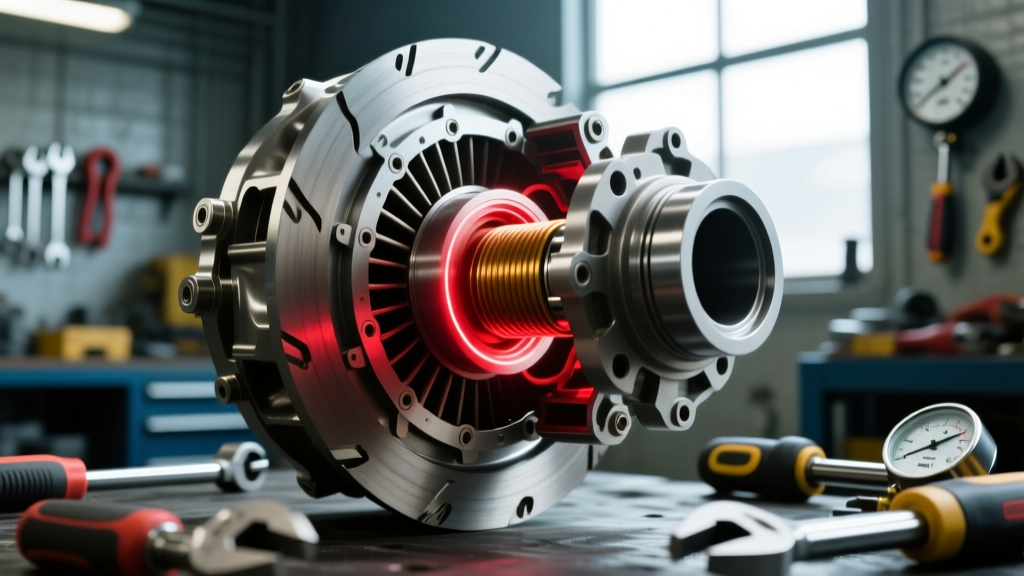
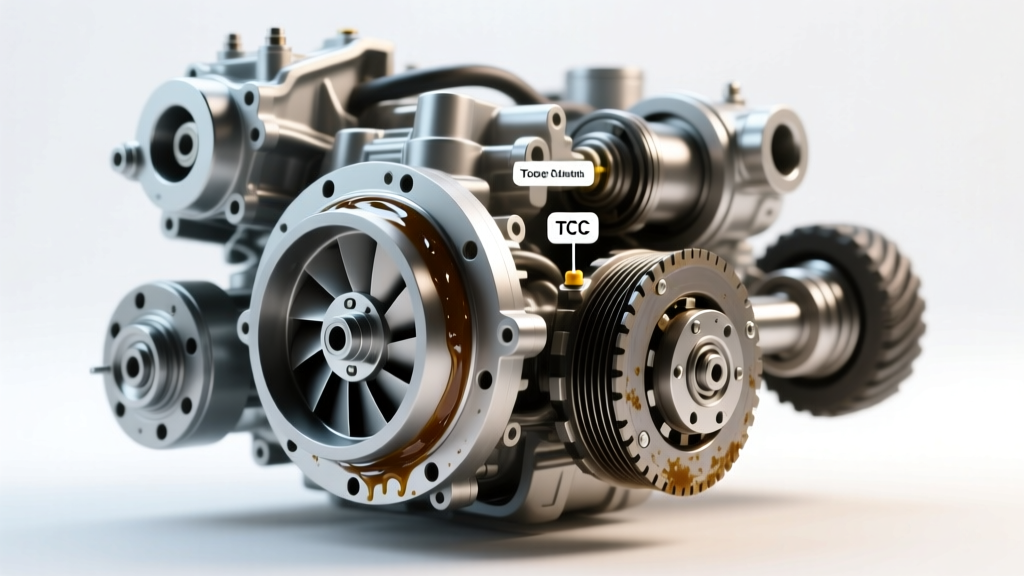
The TCC solenoid is the electro-hydraulic valve responsible for locking the converter's clutch pack, eliminating parasitic slippage, and delivering 1:1 engine-to-transmission RPM ratios at cruising speeds. When this component fails, or when the valve body bore housing it wears out, the symptoms perfectly mimic a dying torque converter. In this performance and upgrade guide, we will explore exactly where is the torque converter solenoid located across major transmission platforms, how to diagnose bad torque converter symptoms accurately, and which aftermarket upgrades can handle extreme horsepower.
Core Bad Torque Converter Symptoms vs. Solenoid Failure
Before tearing into the valve body, you must differentiate between a mechanical torque converter failure and a TCC solenoid or hydraulic circuit issue. Here is how the symptoms present under real-world and track conditions:
- TCC Shudder (35-55 MPH): A rhythmic, vibrating sensation felt through the chassis. This is the hallmark of TCC slip. While it can indicate degraded friction material inside the converter, it is most frequently caused by a failing Pulse Width Modulated (PWM) solenoid or worn valve body bore preventing adequate apply pressure.
- High-RPM Flare on Lockup: When the scanner commands TCC lockup, but the engine RPMs fail to drop by 150-300 RPM. This points to a solenoid that is stuck open or a severely restricted TCC apply orifice.
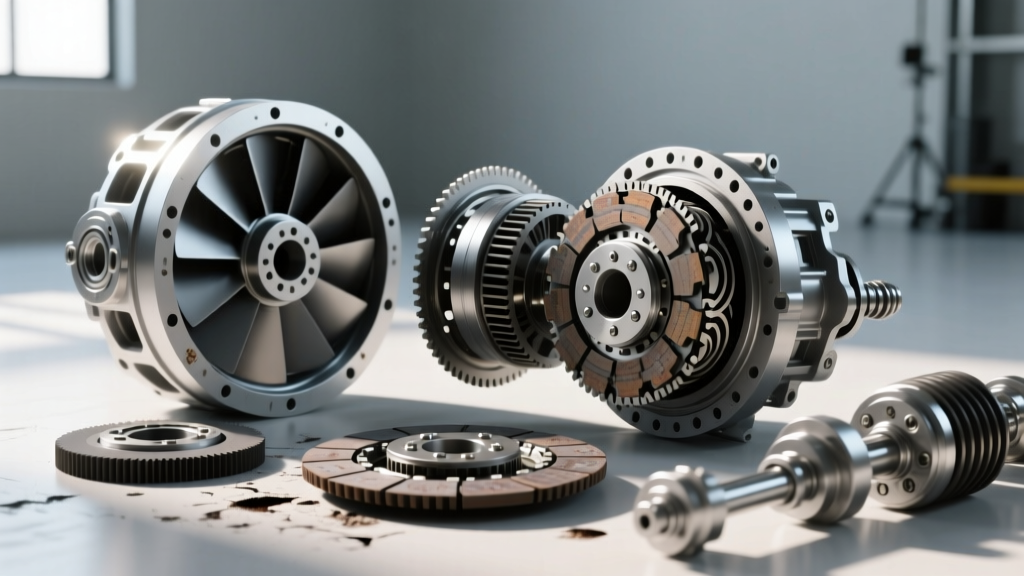
- Transmission Overheating: A locked TCC generates minimal heat. If the solenoid fails to apply the clutch, the continuous fluid shearing inside the converter will rapidly spike fluid temperatures past 220°F (104°C), breaking down synthetic ATF and glazing the internal clutch pack.
- Stator Clutch Failure (Mechanical): If you experience severe power loss off the line, poor low-end torque multiplication, and your stall speed tests yield RPMs significantly lower than the converter's rated stall, the internal one-way stator clutch has failed. No solenoid replacement will fix this; the converter must be cut open or replaced.
Where Is the Torque Converter Solenoid Located? (Model Breakdown)
The physical location of the TCC solenoid varies drastically depending on the transmission architecture. Modern mechatronic units have fundamentally changed how performance builders approach solenoid servicing.
GM 4L60E and 4L80E (Traditional Hydraulic)
For the ubiquitous GM 4L60E and heavy-duty 4L80E, the TCC solenoid is located directly on the passenger side of the valve body. Access requires dropping the transmission fluid pan and removing the valve body filter. The solenoid is held in place by a small retaining clip or bolt and plugs directly into the internal wiring harness. Because these units use a PWM solenoid to gradually apply the TCC, they are highly susceptible to bore wear in the aluminum valve body, a notorious issue in high-mileage or high-HP applications.
GM 6L80, 6L90, and 8L90 (TEHCM Integration)
In GM's newer 6-speed and 8-speed platforms, you will not find a standalone, easily swappable TCC solenoid. The solenoids are integrated directly into the Transmission Electro-Hydraulic Control Module (TEHCM), which is mounted inside the transmission pan. If the TCC solenoid fails electrically, GM's official service procedure dictates replacing the entire TEHCM assembly and performing a 'Service Fast Learn' calibration via a GDS2 bi-directional scanner. Performance builders often bypass TEHCM limitations by utilizing standalone transmission controllers like the TCM from TCM Tuning or modifying the valve body for external solenoid control.
Ford 6R80 and 10R80 (Mechatronic Sleeve)
Ford's collaboration with ZF resulted in the 6R80 and 10R80, where the TCC solenoid is housed within the mechatronic unit's solenoid block. Access requires dropping the pan and removing the mechatronic assembly from the valve body. The TCC solenoid on the 6R80 is a known weak point when subjected to the torque loads of modified 5.0L Coyote or 3.5L EcoBoost engines.
ZF 8HP (Chrysler 8-Speed, BMW, Audi)
The legendary ZF 8HP utilizes an Eddy Current (EC) solenoid for TCC control, located deep within the integrated Mechatronic unit. These solenoids are incredibly precise but highly sensitive to fluid viscosity. Using the incorrect ATF (it must meet ZF Lifeguard 8 specifications) will cause the EC solenoid to micro-slip, triggering bad torque converter symptoms and P0741 fault codes.
Performance Solenoid Upgrade & Location Data Chart
| Transmission Model | Solenoid Location | OEM Part Reference | Performance Upgrade Path |
|---|---|---|---|
| GM 4L60E / 4L65E | Valve Body (Passenger Side) | AC Delco 214-1893 | Sonnax 77754-04K TCC Valve Kit + On/Off Solenoid Swap |
| GM 6L80 / 6L90 | Integrated TEHCM | GM 24253070 (TEHCM) | Full TEHCM Replacement or Standalone TCM Conversion |
| Ford 6R80 | Mechatronic Solenoid Block | Motorcraft SW-6752 | TransGo 6R80-HD2 Shift Kit & Heavy Duty TCC Valve |
| ZF 8HP (Chrysler/BMW) | Mechatronic Assembly | ZF 1087.298.383 | ZF Mechatronic Refresh & Lifeguard 8 Fluid Service |
Performance Upgrades: Eliminating PWM Slip for High Horsepower
When pushing past 500 wheel horsepower, the factory Pulse Width Modulated (PWM) TCC solenoid becomes a massive liability. PWM solenoids are designed for smooth, gradual lockup to preserve driveline comfort in stock vehicles. Under high torque loads, the PWM signal struggles to maintain adequate line pressure against the TCC apply piston, resulting in micro-slippage, immense heat generation, and eventual friction material disintegration.
The On/Off Solenoid Conversion: For dedicated track cars, drag radial builds, and heavy towing rigs, performance transmission builders utilize kits from Sonnax and TransGo to convert the TCC circuit from PWM to a simple On/Off (switch) solenoid. This modification forces maximum line pressure directly to the TCC clutch pack the millisecond lockup is commanded, yielding instant, brutal lockup with zero slip. Note that this sacrifices low-speed drivability and will cause a harsh clunk during lockup, making it unsuitable for daily-driven luxury vehicles but ideal for performance applications.
Fixing Valve Body Bore Wear: Simply replacing a bad TCC solenoid on a 4L60E will not cure shudder if the aluminum valve body bore is scored. The oscillating PWM spool valve acts like a saw, wearing the aluminum bore oval over time. Hydraulic fluid bypasses the worn bore, robbing the TCC piston of apply pressure. Installing a Sonnax ZIP (Zero Intersect Pressure) kit involves reaming the worn bore and installing a hardened steel sleeve and anodized spool valve, permanently restoring hydraulic integrity.
The 'TCC Delete' for Dedicated Race Applications
In ultra-high-horsepower drag racing or drift applications where the transmission cooler is massive and the vehicle never cruises at highway speeds, builders sometimes perform a TCC delete. This involves physically removing the TCC solenoid, blocking the TCC feed orifice in the separator plate, and running a non-lockup torque converter. This eliminates the risk of the clutch pack exploding under 1,500+ HP shock loads, though it requires a dedicated external transmission cooler to manage the constant fluid shearing heat.
Step-by-Step Diagnostic Protocol & Torque Specifications
Before unbolting the transmission pan, verify the diagnosis using a bi-directional OBD2 scanner capable of reading manufacturer-specific Transmission Control Module (TCM) PIDs.
Scanner Data & Electrical Testing
- Monitor TCC Slip Speed: Command the TCC to 100% duty cycle (or On) at 50 MPH in top gear. If the 'TCC Slip RPM' PID reads greater than 40-50 RPM consistently, you have a hydraulic leak (bore wear), a failing friction clutch, or a stuck solenoid.
- Multimeter Resistance Check: If you suspect an electrical failure, locate the main transmission harness connector on the outside of the case. Consult the factory wiring diagram to identify the TCC solenoid pins. A healthy GM 4L60E PWM TCC solenoid should read between 10 and 15 ohms at room temperature. An infinite reading (OL) indicates an internal coil break; a reading near 0 ohms indicates a short to ground.
Essential Torque Specs for Reassembly
When replacing the solenoid or installing a shift kit, adhering to precise torque specifications is critical to prevent valve body warping or pan leaks. Always use a calibrated inch-pound torque wrench.
- GM 4L60E Transmission Pan Bolts: 11 ft-lbs (132 in-lbs). Do not overtighten, or the thin stamped steel pan will distort and leak.
- GM 4L60E Valve Body to Case Bolts: 97 in-lbs (M6 bolts). Ensure the manual valve linkage is properly seated in the detent roller before final tightening.
- GM 6L80 Transmission Pan (TEHCM) Bolts: 10 Nm (89 in-lbs). The 6L80 uses a plastic composite pan with an integrated filter and seal; it must be replaced as a single unit if removed.
- Ford 6R80 Mechatronic to Valve Body: 8 Nm (71 in-lbs). Use new aluminum sealing sleeves for the electrical pass-through to prevent cross-contamination of cooler and lube circuits.
Final Thoughts on Drivetrain Reliability
Bad torque converter symptoms are not always a death sentence for your billet stall converter. By understanding where the torque converter solenoid is located and how it interacts with the valve body hydraulics, you can accurately diagnose TCC shudder, slip, and overheating. Whether you are dropping a 4L60E pan to install a Sonnax bore repair kit, or upgrading a 6R80 mechatronic unit for boosted EcoBoost duty, addressing the electro-hydraulic control circuit is the first step toward building a bulletproof performance drivetrain. For further technical schematics and shift kit installations, consulting resources from the Automatic Transmission Rebuilders Association (ATRA) is highly recommended for professional-grade troubleshooting.