The Reactive Trap: Understanding Torque Converter Seal Replacement Cost
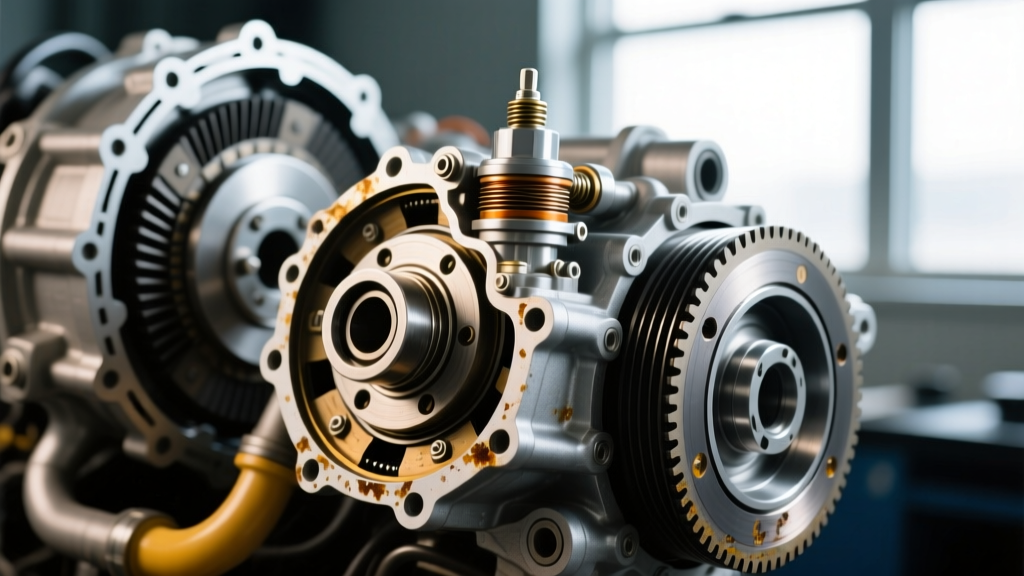
When transmission fluid begins pooling near the bellhousing inspection cover or engine oil pan, most vehicle owners immediately search for the torque converter seal replacement cost. However, treating the front pump seal as a simple rubber gasket ignores the underlying metallurgical and hydraulic realities of modern automatic transmissions. As of 2026, the automotive repair landscape has shifted dramatically; shop labor rates now average between $155 and $195 per hour, meaning any repair requiring transmission removal is a major financial event.
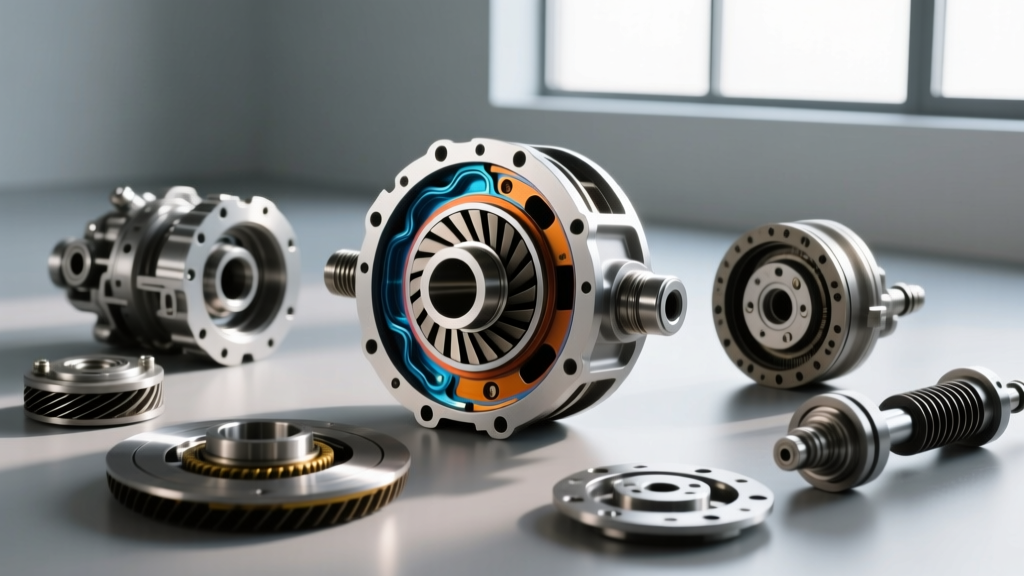
The front pump seal (often incorrectly called the torque converter seal) does not fail in a vacuum. It rides directly on the impeller neck (hub) of the torque converter. If you replace the seal without addressing the root cause of the failure—often severe fluid degradation, clutch debris accumulation, or hub scoring—the new seal will leak within 500 miles. This guide compares the true cost of reactive seal replacement against proactive torque converter flushing and maintenance, helping you make an informed, data-driven decision for your vehicle.
Labor and Parts Breakdown by Transmission Model
To understand the financial impact, we must look at specific transmission platforms. The seal itself is remarkably inexpensive; it is the Transmission Removal and Reinstallation (R&R) that drives the cost.
- GM 6L80 / 6L90 (Silverado, Corvette, Camaro): The front pump seal (Timken part #710551) costs roughly $14. However, R&R labor takes 6.5 to 8.0 hours. Total cost: $1,150 to $1,650, plus a mandatory 11.2-quart dry-fill of Dexron VI or ULV fluid.
- Ford 6R80 / 10R80 (F-150, Mustang): Using a National #711041 seal ($18), labor times are similar. The 10R80 requires specialized Mercon ULV fluid, pushing the total reactive repair cost to $1,300 to $1,800.
- ZF 8HP (BMW, Audi, Dodge, Ram): The ZF 8-speed front seal (Corteco #19033011B) is integrated closely with the front pump support. Due to the complexity of the mechatronic sleeve and bellhousing alignment, expect costs to range from $1,600 to $2,400 at European specialty shops.
Why Seals Fail: The Role of Maintenance and Fluid Degradation
According to Sonnax technical bulletins, torque converter hub wear and bushing degradation are primary culprits behind front seal leaks. The torque converter acts as the "trash can" of the transmission. As the Torque Converter Clutch (TCC) applies and slips, it sheds microscopic friction material. If the fluid is not proactively flushed, this abrasive slurry circulates through the front pump, scoring the torque converter hub.
Once the polished steel hub is scored, it acts like a cheese grater against the PTFE or Viton lip of the front seal. Furthermore, degraded fluid loses its thermal stability. Modern ultra-low viscosity (ULV) fluids operate at high temperatures to improve fuel economy; when oxidized, they cause the seal material to harden, crack, and ultimately weep fluid into the bellhousing.
The Proactive Buyer’s Guide: Flushing and Fluid Selection
Rather than absorbing a massive repair bill, proactive maintenance preserves the torque converter hub and seal lip. However, not all flushes are created equal. The outdated "power flush" method—which forces high-pressure fluid backward through the system—can dislodge large clutch debris and jam it into the valve body solenoids.
For 2026, the industry standard is a dialysis-style fluid exchange combined with a pan drop and filter replacement. This method uses the transmission's own internal pump to gently swap old fluid for new, ensuring 100% fluid replacement without shocking the hydraulic circuits.
Buyer’s Matrix: Selecting the Correct Fluid Specification
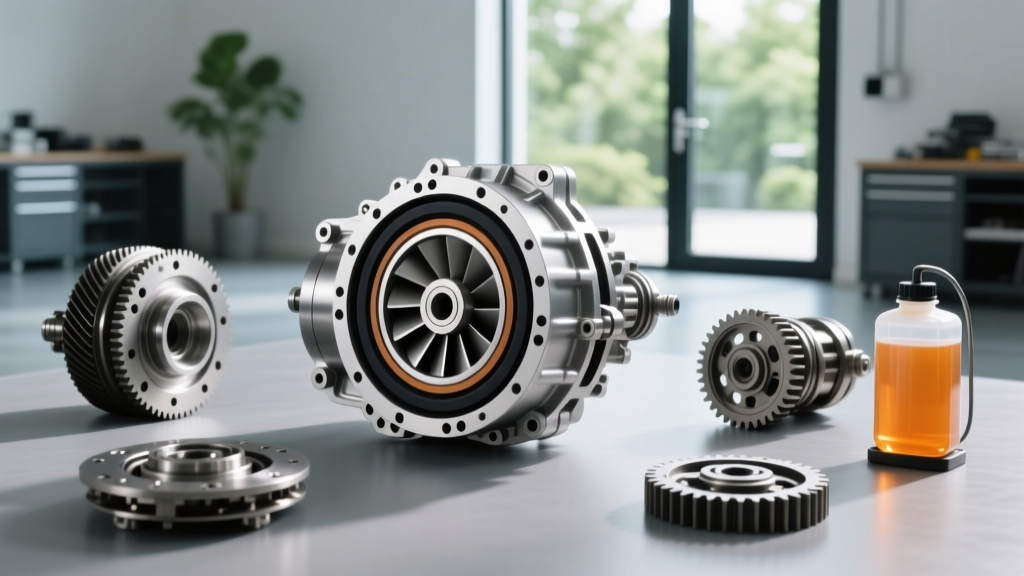
Using the incorrect fluid is a guaranteed way to destroy the TCC friction lining and subsequently ruin your front seal. Always verify the exact OEM specification:
- GM 10L90 / 10L80: Requires Dexron ULV (Ultra Low Viscosity). Do not substitute with standard Dexron VI; the friction modifiers are entirely different and will cause immediate TCC shudder.
- ZF 8HP45 / 8HP70 / 8HP90: Requires ZF LifeguardFluid 8 (Part No. 1071.298.967). As noted by the ZF Aftermarket portal, using generic "multi-vehicle" fluids will degrade the ZF mechatronic sleeve seals and front pump bushings.
- Ford 10R80: Requires Motorcraft Mercon ULV. This fluid is specifically engineered for the high-pressure, fast-shift solenoids in the Ford 10-speed.
Head-to-Head Comparison: Repair vs. Maintenance Costs
The following table illustrates the stark financial contrast between reactive repairs and proactive maintenance intervals over a 100,000-mile ownership cycle.
| Service Type | Average 2026 Cost | Frequency | Long-Term Impact |
|---|---|---|---|
| Proactive Dialysis Flush & Filter | $220 - $380 | Every 45,000 - 60,000 miles | Preserves TC hub, prevents seal wear, maintains TCC lockup efficiency. |
| Front Seal R&R (No Hub Damage) | $1,100 - $1,600 | Reactive (Failure Event) | Requires trans removal, new fluid, and seal. High downtime. |
| Front Seal R&R (With TC Rebuild) | $1,800 - $2,600+ | Reactive (Severe Failure) | Required if hub is scored. Involves machine shop TC cut, Speedi-Sleeve, or full TC replacement. |
Mechanical Best Practices: Torque Specs and Reinstallation
If you have already committed to the torque converter seal replacement cost and are performing the repair, strict adherence to mechanical tolerances is non-negotiable. A misaligned torque converter will destroy the new front seal before the vehicle leaves the lift.
- Hub Measurement: Before installing the new seal, measure the torque converter impeller neck with an outside micrometer. If you detect a groove deeper than 0.005 inches, you must install a repair sleeve (like a SKF Speedi-Sleeve) or replace the torque converter entirely.
- Seal Lubrication: Never install a front seal dry. Coat the outer metal casing with a light film of transmission fluid, and pack the inner PTFE lip with a high-temp assembly grease or the specific OEM seal installer cone provided with the part.
- Flexplate to Torque Converter Bolts: For standard GM M10x1.5 applications, torque these bolts to 46 lb-ft. For Ford applications, verify the specific manual, but most M10 bolts require between 35 and 45 lb-ft. Always use a new set of OEM stretch bolts if specified.
- Bellhousing to Engine Block: The M12 bellhousing bolts on GM LS/LT platforms must be torqued to 37 lb-ft. Uneven bellhousing torque warps the front pump bore, leading to immediate seal leakage and pump cavitation.
- Transmission Crossmember: Torque the crossmember to mount bolts to 58 lb-ft to ensure proper driveline angle and prevent output shaft seal leaks.
Final Verdict: Where Should You Invest Your Money?
The data is unequivocal: the torque converter seal replacement cost is a penalty paid for deferred maintenance. By investing $250 in a proper dialysis-style fluid exchange and OEM filter replacement (such as the AC Delco 24236933 for the 6L80) every 50,000 miles, you eliminate the abrasive debris that scores the converter hub and degrades the seal lip.
For buyers and owners of modern 8-speed and 10-speed automatics, the tight clearances and ultra-low viscosity fluids leave zero margin for error. Treat your transmission fluid as a vital, consumable wear-item rather than a "lifetime" fluid, and you will avoid the bellhousing drips and massive repair invoices that plague neglected vehicles.