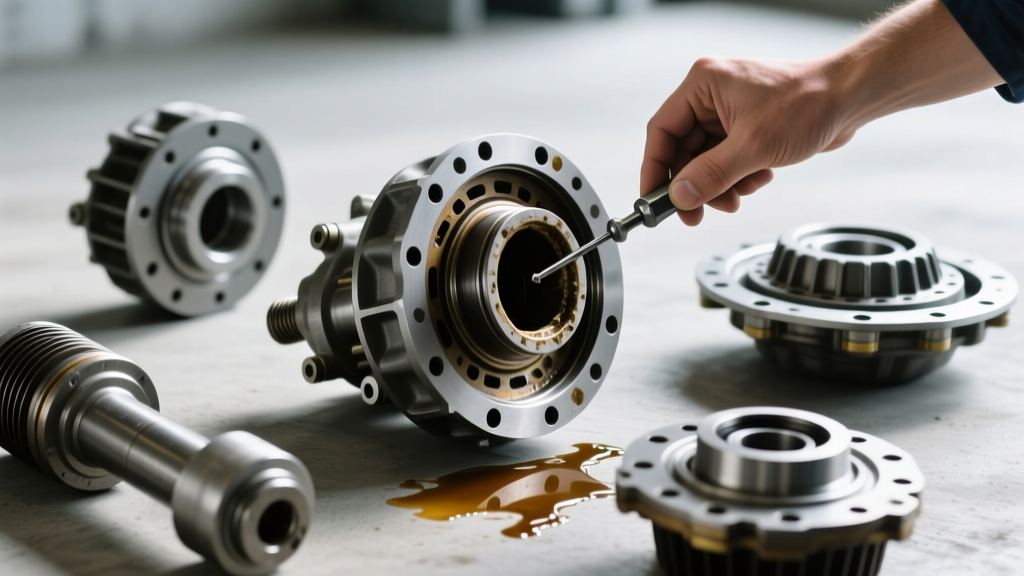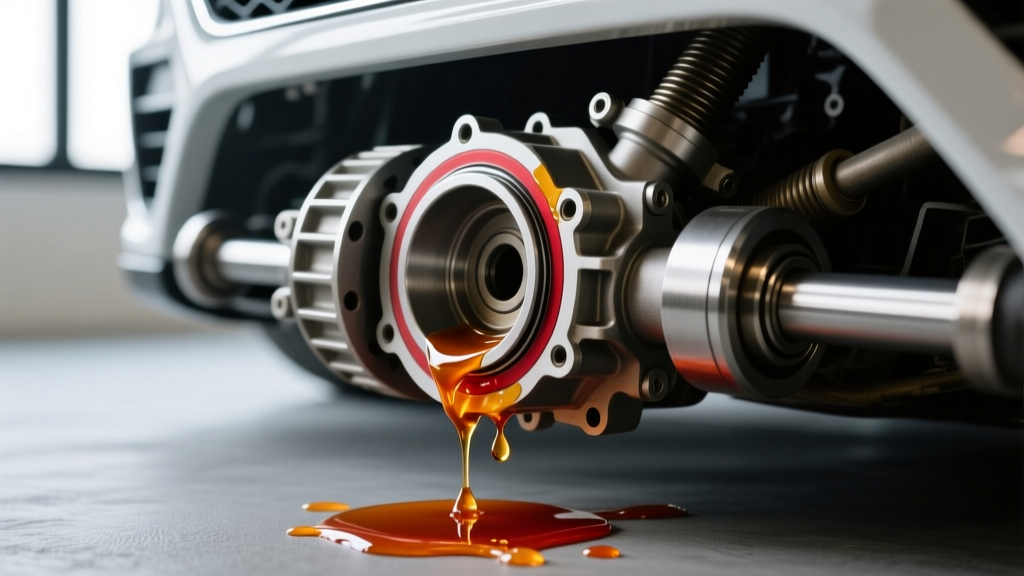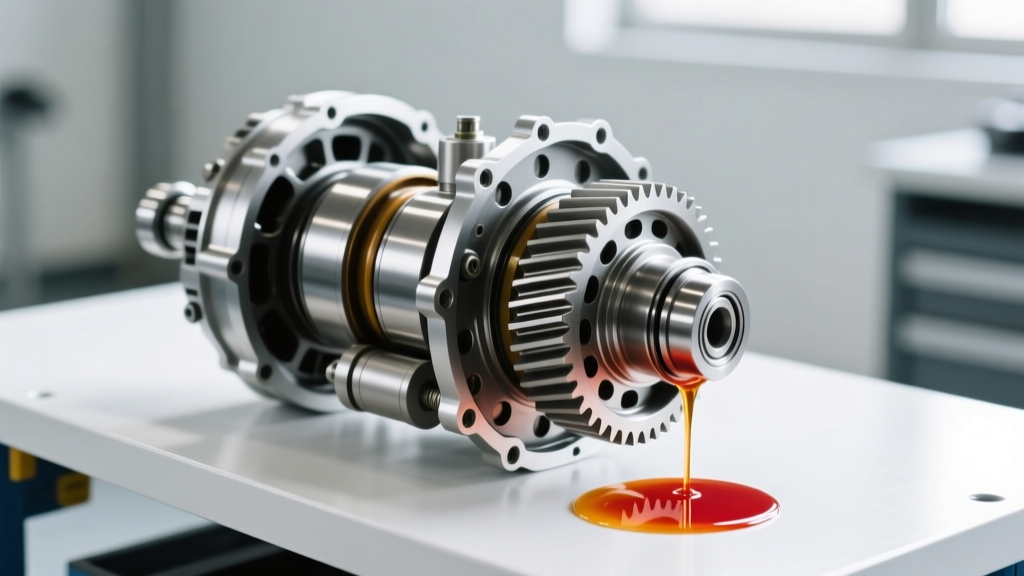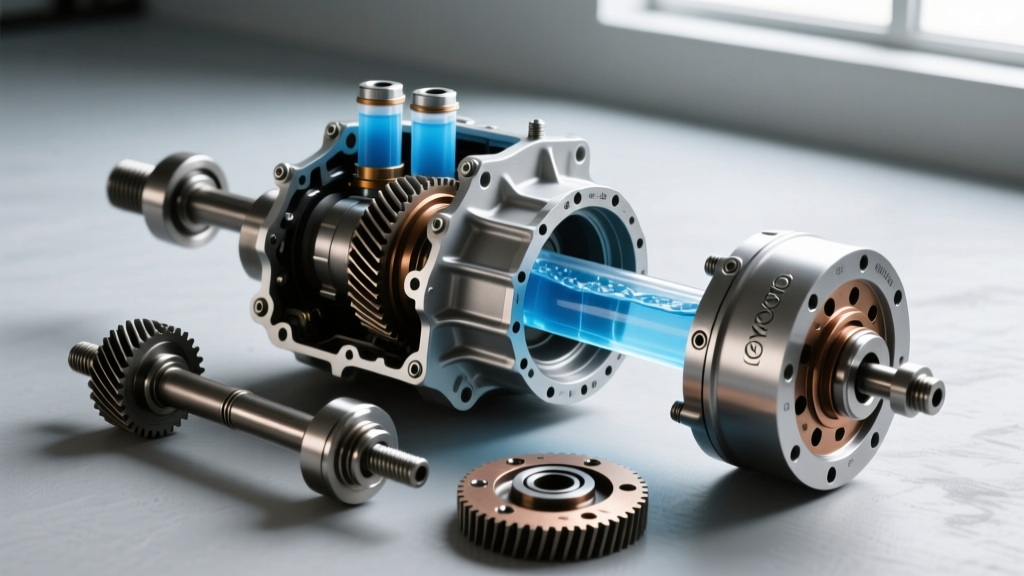
The Toyota Tacoma has long been the benchmark for mid-size truck durability, frequently subjected to towing, off-road abuse, and high-mileage daily driving. However, as these trucks accumulate miles, the drivetrain begins to communicate its wear through a symphony of whines, howls, and clunks. For automotive technicians and hardcore DIYers, differential noise diagnosis is both an art and a strict science. Misdiagnosing a pinion bearing failure as a simple gear lash issue can lead to catastrophic axle seizure on the highway.
In this expert guide, we break down the precise fluid specifications, auditory triage techniques, and advanced mechanical troubleshooting required to silence a noisy Tacoma axle and restore drivetrain longevity.
Baseline Specs: Fluid Capacities and Torque Specifications
Before tearing into the axle or attempting to flush the system, verifying the exact toyota tacoma differential fluid capacity is critical. Overfilling the front independent front suspension (IFS) differential can cause seal blowouts due to thermal expansion, while underfilling the rear 8.75-inch axle will starve the pinion bearings during steep off-road inclines.
Whether you are servicing a 3rd-generation V6 or a newer 2024+ TNGA-F platform model, adhering to factory fill volumes and torque specs is non-negotiable. Always replace the aluminum crush washers on the drain and fill plugs to prevent weeping.
| Axle Location | Ring Gear Size | Fluid Capacity | OEM Fluid Spec | Plug Torque |
|---|---|---|---|---|
| Front IFS (Gen 2/3) | 8.0-inch | 1.5 L (1.6 qt) | 75W-85 GL-5 | 27 ft-lbs |
| Rear Standard/LSD (Gen 2/3) | 8.75-inch | 2.8 L (3.0 qt) | 75W-85 GL-5 LSD | 29 ft-lbs |
| Front IFS (Gen 4 TNGA-F) | 8.0-inch | 1.6 L (1.7 qt) | 75W-85 GL-5 | 29 ft-lbs |
| Rear E-Locker (TRD Off-Road) | 8.75-inch | 3.0 L (3.2 qt) | 75W-85 GL-5 | 29 ft-lbs |
Note: Toyota Genuine Differential Gear Oil LT (Part # 08885-02506) contains the necessary friction modifiers for factory clutch-type Limited Slip Differentials. If using an aftermarket 75W-90 GL-5, a separate friction modifier additive is required to prevent clutch-pack chatter.
Auditory Triage: Decoding Differential Noises
Differential noise diagnosis relies heavily on isolating the exact driving condition under which the noise occurs. The ring and pinion gear set operates under two distinct load profiles: the drive sidecoast side (deceleration). Pinion and carrier bearings, meanwhile, react to rotational speed and radial loads.
1. The Acceleration Whine
A high-pitched whine that emerges only when the throttle is applied (loading the drive side of the gear teeth) typically points to one of two issues:
- Insufficient Pinion Bearing Preload: The pinion gear is deflecting away from the ring gear under torque, altering the mesh pattern.
- Worn Drive-Side Gear Teeth: Often caused by chronic under-lubrication or towing heavy loads beyond the truck's GCWR with degraded fluid.
2. The Coast-Down Howl
If the axle howls when you lift off the throttle between 45-65 mph, the coast side of the ring and pinion is worn. This is incredibly common in high-mileage Tacomas that have spent their lives engine-braking down mountain grades or running oversized, heavy off-road tires without re-gearing. The increased rotational mass accelerates coast-side wear.
3. The Low-Speed Chatter
A rhythmic 'chatter' or 'shudder' felt through the chassis during tight, low-speed parking lot turns is almost exclusively a rear limited-slip differential (LSD) issue. The clutch packs inside the carrier are binding rather than slipping smoothly. While a fluid flush with the correct friction modifier often resolves this, severe cases require a carrier teardown to replace the fiber and steel clutch discs.
4. The Driveline Clunk
A metallic 'clunk' when shifting from Reverse to Drive, or during abrupt throttle tip-in, indicates excessive gear backlash. The factory specification for the Toyota 8.75-inch rear axle backlash is 0.005" to 0.007". If backlash exceeds 0.010", the ring gear is essentially hammering the pinion gear, which will eventually chip the teeth and destroy the axle.
Expert Tip: Never confuse a differential clunk with worn slip-yoke splines or bad axle shaft C-clips. To isolate the noise, remove the rear driveshaft and test drive the truck in 4WD High (if equipped with a manual transfer case). If the clunk disappears, your issue is in the driveshaft or transmission output shaft, not the differential.
Expert Diagnostic Matrix
Use this troubleshooting matrix to quickly narrow down the failure point before ordering parts from suppliers like Yukon Gear & Axle or Ring & Pinion.
| Symptom | Condition | Probable Failure Point | Verification Method |
|---|---|---|---|
| Continuous Whine | All speeds, load-independent | Carrier or Pinion Bearings | Stethoscope on bearing caps; check for radial play. |
| Howl / Growl | Coast-down (deceleration) | Coast-side gear wear / Pinion depth | Apply gear marking compound; check for edge-loading. |
| Rhythmic Knock | Speed-dependent (1x per rev) | Chipped ring gear tooth / Runout | Dial indicator on ring gear; rotate by hand. |
| Turn Chatter | Tight radius, low speed | LSD Clutch Pack Binding | Drain fluid; inspect for burnt smell / fiber debris. |
Advanced Troubleshooting Best Practices
When road-testing and auditory diagnosis point to an internal mechanical fault, it is time to put the truck on the lift and break out the precision measuring tools. Relying on 'feel' will result in a failed setup and a return visit from an angry customer.
Step 1: The Fluid Autopsy
Drain the differential into a clean, white-lined pan. The condition of the fluid tells a story:
- Fine Metallic Glitter (Paint-like sheen): Normal wear for high-mileage bearings. A simple fluid change may buy the axle another 50,000 miles.
- Chunky Metal Flakes (Magnetic): Active bearing or gear spalling. The axle requires a full teardown and rebuild.
- Non-Magnetic Shards (Brass/Aluminum): Thrust washer or carrier cage disintegration. Immediate rebuild required.
Step 2: Measuring Backlash and Runout
Before removing the carrier caps, mount a magnetic dial indicator to the axle housing. Position the probe perpendicular to the ring gear teeth.
- Hold the pinion yoke stationary.
- Rock the ring gear back and forth to measure backlash. (Target: 0.005" - 0.007").
- Rotate the ring gear a full 360 degrees while the indicator rests on the back face of the gear to measure runout. Factory maximum runout is 0.002". If runout exceeds this, the ring gear is warped, the mounting bolts are loose, or the carrier itself is defective.
Step 3: Pinion Bearing Preload Verification
Using an inch-pound torque wrench on the pinion nut, measure the rotational friction required to spin the pinion gear. For a used bearing setup, you should see 10 to 15 in-lbs of drag. If the pinion spins freely with zero resistance, the pinion nut has backed off, the crush sleeve has failed, and the pinion bearings are hammering. This requires a new crush sleeve and a precise torque sequence to achieve the correct 20-25 in-lbs of preload for new bearings.
The Role of Fluid Viscosity in Noise Dampening
While the official Toyota Technical Information System (TIS) specifies 75W-85 GL-5 for optimal fuel economy and cold-weather shift quality, many heavy-duty Tacoma owners and off-road builders opt for a high-quality 75W-90 or 75W-110 synthetic gear oil.
Thicker viscosity fluids provide a more robust hydrodynamic film between the ring and pinion gears under extreme towing loads or when running 4.56+ aftermarket gear ratios. While stepping up to a 75W-110 will not fix a mechanically worn gear set, it can significantly dampen high-frequency gear whine and reduce differential operating temperatures by 15°F to 20°F during sustained highway towing.
Final Diagnostic Verdict
Differential noise diagnosis on the Toyota Tacoma requires a methodical approach. By cross-referencing the exact toyota tacoma differential fluid capacity with a rigorous road-test and precision dial-indicator measurements, you can accurately separate minor drivetrain annoyances from catastrophic axle failures. Always prioritize OEM crush washers, adhere strictly to GL-5 friction modifier requirements for LSD carriers, and never ignore a changing auditory profile in your truck's driveline.