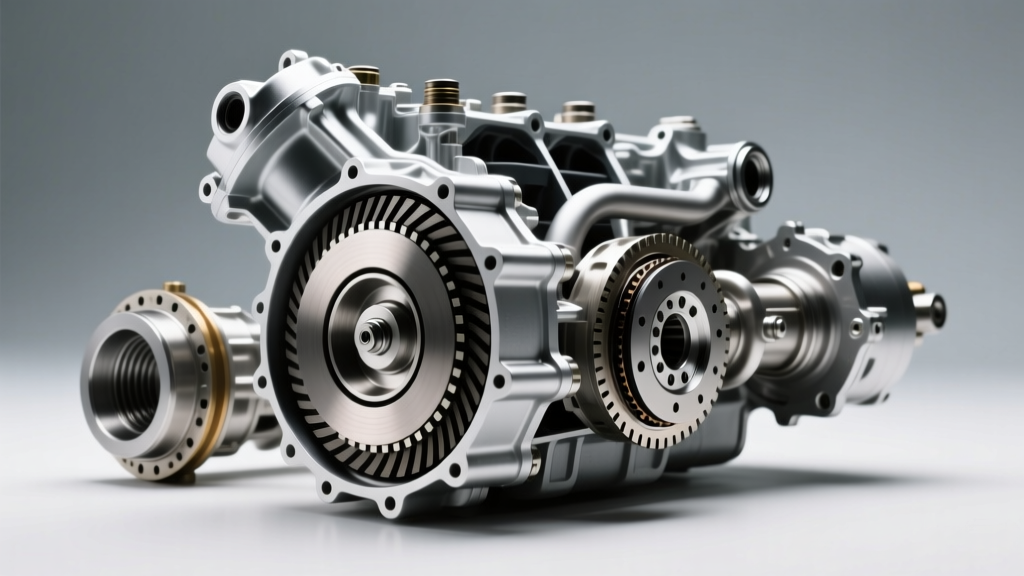
Understanding Subaru Torque Converter Fluid Dynamics
Subaru’s symmetrical all-wheel-drive architecture places unique parasitic loads on the transmission’s torque converter and lock-up clutch mechanisms. Whether you are driving an older 5EAT 5-speed automatic or a modern Lineartronic CVT (TR580 or TR690), the torque converter relies heavily on the chemical integrity of the transmission fluid to manage heat, transfer torque, and facilitate smooth clutch engagement. When fluid degrades, the friction modifiers break down, leading to the infamous 'Subaru shudder'—a symptom frequently misdiagnosed as catastrophic mechanical failure.
As an automotive transmission specialist, I see countless owners prematurely authorize a complete teardown when a targeted fluid intervention would suffice. However, when internal stator clutches fail or lock-up friction material disintegrates, replacement becomes unavoidable. In this 2026 expert guide, we break down the true Subaru torque converter replacement cost, differentiate between fluid-induced symptoms and hard-part failures, and outline the best practices for CVT and 5EAT fluid maintenance.
Analyzing the Subaru Torque Converter Replacement Cost
If your diagnostic scan confirms internal torque converter failure—evidenced by metallic debris on the magnet, severe slip codes (P0741/P0743), or a failed stator one-way clutch—replacement is mandatory. The cost varies significantly based on your specific transmission model and whether you visit a dealership or an independent Subaru specialist.
Dealership labor rates in 2026 average between $165 and $225 per hour. Because the torque converter is sandwiched between the engine and the transmission bell housing, the entire transmission must be dropped. On AWD Subarus, this requires unbolting the rear driveshaft, dropping the rear differential subframe (on some models), and separating the engine from the transmission mounts.
| Transmission Model | OEM TC Part Cost | Labor Hours | Fluid & Seals | Total Estimated Cost |
|---|---|---|---|---|
| TR580 (2.0L/2.5L CVT) | $650 - $850 | 7.5 - 9.0 | $250 (CVTF-III + Filter) | $2,100 - $3,200 |
| TR690 (3.6L/Turbo CVT) | $800 - $1,100 | 8.5 - 10.5 | $300 (High-Torque CVTF) | $2,500 - $3,800 |
| 5EAT (5-Speed Auto) | $450 - $650 | 6.0 - 8.0 | $180 (ATF-HP + Filter) | $1,500 - $2,600 |
Note: Always replace the flexplate-to-torque converter bolts and the rear main seal during this service. For FB25 and FA24 engines, the torque converter mounting nuts require a strict torque spec of 25.8 lb-ft (35 Nm).
Diagnostic Best Practices: Fluid Degradation vs. Mechanical Failure
Before committing to the steep Subaru torque converter replacement cost outlined above, you must definitively rule out fluid-related torque converter shudder. The lock-up clutch in modern Subarus operates in a continuous 'micro-slip' state to improve fuel economy and reduce NVH (Noise, Vibration, and Harshness). This micro-slip generates immense shear force, rapidly depleting the fluid's friction modifiers.
The Infamous Lineartronic CVT Shudder
If you experience a rhythmic vibration or shudder between 35 and 55 mph under light throttle, your first step is not to order a new torque converter. According to diagnostic workflows outlined by Transmission Digest, you should connect a bi-directional OBD2 scan tool and monitor the 'Lock-Up Clutch Slip RPM' parameter.
- Normal Operation: Slip RPM fluctuates between 5 and 20 RPM during micro-slip engagement.
- Fluid Degradation: Slip RPM spikes erratically above 50 RPM, triggering a shudder without throwing a hard CEL (Check Engine Light).
- Mechanical Failure: Slip RPM remains consistently above 100 RPM, accompanied by codes like P0741 (Torque Converter Clutch System Stuck Off) or P2764 (Torque Converter Clutch Pressure Control Solenoid Circuit Low).
Expert Tip: The 3x Drain-and-Fill Protocol
If your scan tool indicates erratic slip but no hard mechanical codes, perform a 3x drain-and-fill using exclusively OEM fluid. The TR580 CVT holds roughly 10.5 liters dry, but a single drain-and-fill only yields about 4.5 liters. By repeating the process three times with 50 miles of mixed driving in between, you replace over 90% of the degraded fluid and restore the necessary friction modifiers to the lock-up clutch friction material. This $350 intervention resolves the shudder in over 80% of 'failing' torque converters.
OEM Fluid Specifications and Maintenance Protocols
Using the incorrect fluid is the fastest way to guarantee a torque converter failure. Universal 'multi-vehicle' CVT fluids lack the precise shear-stability and friction coefficients required by Subaru's lock-up clutch programming. Furthermore, the TR690 (High-Torque CVT) uses a completely different fluid formulation than the TR580 due to its chain-driven variator and higher torque capacity.
| Fluid Type | OEM Part Number | Primary Application | Drain & Fill Capacity |
|---|---|---|---|
| Subaru CVTF-III | SOA868V9270 | TR580 (2.0L, 2.5L Non-Turbo) | ~4.5 Liters |
| High Torque CVTF | SOA868V9410 | TR690 (3.6L, 2.4L Turbo, WRX) | ~5.0 Liters |
| Subaru ATF-HP | SOA868V9241 | 5EAT (5-Speed Automatic) | ~3.5 Liters |
Warning: Never substitute High Torque CVTF with standard CVTF-III in a TR690 transmission. The High Torque fluid contains specialized anti-wear additives designed for the chain-and-pulley system and the heavy-duty lock-up clutch. Cross-contamination will lead to rapid clutch glazing and eventual torque converter failure. Always verify capacities in your specific vehicle's Subaru owner's manual or factory service guide.
The CVT Fluid Temperature Check Procedure
One of the most common mistakes DIYers and general repair shops make is failing to check the CVT fluid level at the precise operating temperature. Unlike traditional automatic transmissions with a dipstick, Subaru Lineartronic CVTs use an overflow plug on the side of the transmission pan.
- Connect your scan tool and monitor the CVT Fluid Temperature PID.
- Drive the vehicle or let it idle until the fluid temperature reaches exactly between 95°F and 113°F (35°C - 45°C).
- With the engine idling and the vehicle perfectly level, remove the overflow check plug (10mm hex).
- If a steady stream of fluid drips out, the level is correct. If nothing comes out, pump fluid into the fill plug until it begins to weep from the overflow hole.
- Reinstall the overflow plug and torque to 14.8 lb-ft (20 Nm). Replace the crush washer to prevent pan leaks.
When to Replace the Torque Converter Strainer
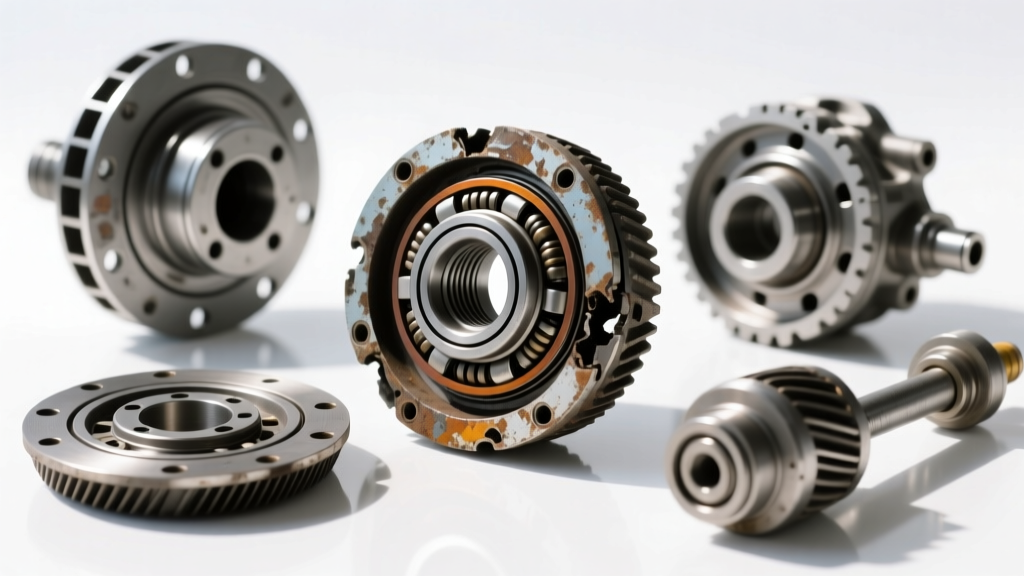
If you are performing a fluid flush to cure a shudder, or if you are replacing the torque converter entirely, you must address the internal strainer (filter). The TR580 and TR690 utilize a flat, mesh-style strainer located inside the CVT pan. If the torque converter lock-up clutch has been slipping, microscopic friction material will embed itself in this mesh, starving the lock-up pressure control solenoid of fluid volume.
Part number 31728AA12A (or the updated revision for your specific model year) is the standard TR580 strainer. It costs roughly $45-$60. Always replace the pan gasket (Part #31397AA151) and torque the pan bolts in a crisscross pattern to 5.1 lb-ft (6.9 Nm) to avoid warping the aluminum pan.
Final Verdict: Flush or Replace?
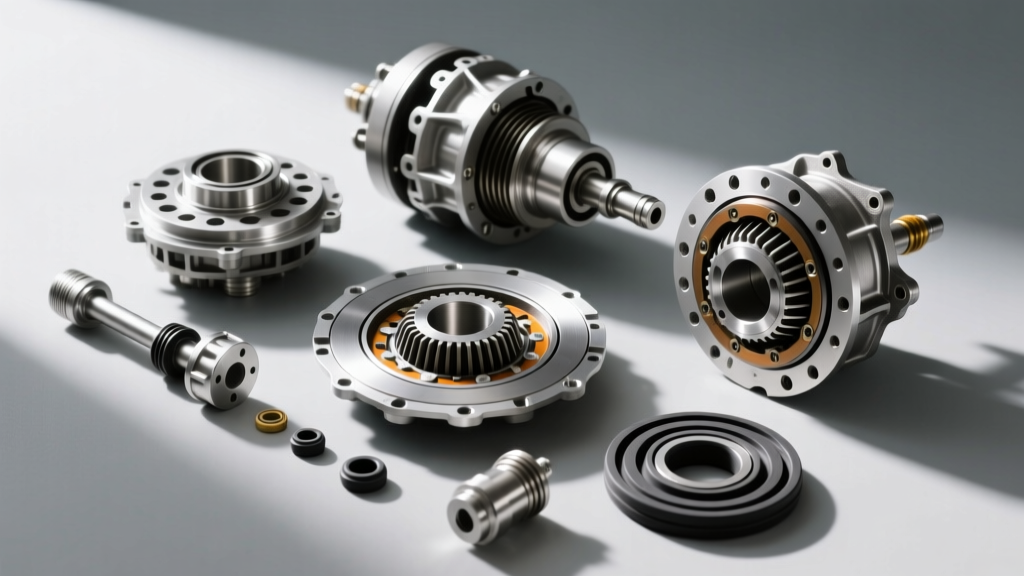
The decision to pay the Subaru torque converter replacement cost should only be made after rigorous electronic and hydraulic diagnostics. If your scan tool shows severe lock-up slip, your fluid is burnt (smells like sulfur or charred toast), and a 3x OEM fluid exchange fails to resolve the shudder, the friction material inside the torque converter is likely gone. In this scenario, the metallic debris will soon migrate to the valve body and oil pump. At this point, dropping the transmission, installing a remanufactured OEM torque converter, replacing the strainer, and performing a precise temperature-calibrated fluid fill is the only way to restore your Subaru's drivability and protect your AWD system.
For ongoing reliability, monitor your transmission's behavior. According to NHTSA complaint databases, early intervention during the onset of mild shudder drastically reduces the likelihood of total drivetrain failure. Stick to OEM fluids, respect the temperature-check procedures, and your Subaru's torque converter will easily surpass the 150,000-mile mark.