The Mechanical Divide: Open vs. Limited Slip in Subarus
When planning a Subaru rear differential fluid change, the most critical variable isn't just the mileage on your odometer—it is the internal architecture of your differential. Subaru's Symmetrical All-Wheel Drive system relies heavily on the rear differential to distribute torque, but the hardware inside that aluminum pumpkin varies wildly depending on your model, trim, and year. Understanding the mechanical differences between an open differential and a limited-slip differential (LSD) is the only way to select the correct gear oil, avoid catastrophic clutch-pack wear, and eliminate driveline chatter.
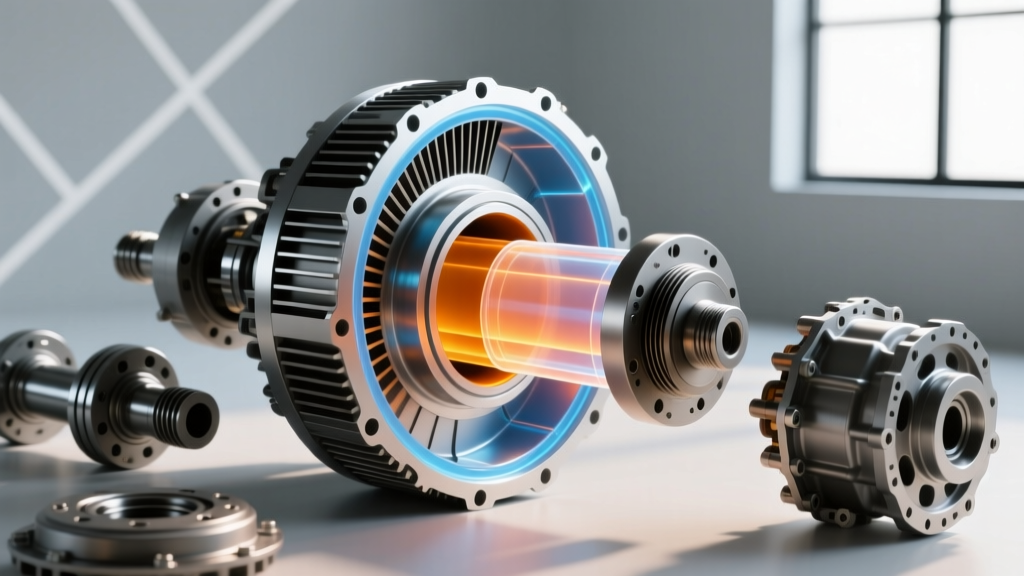
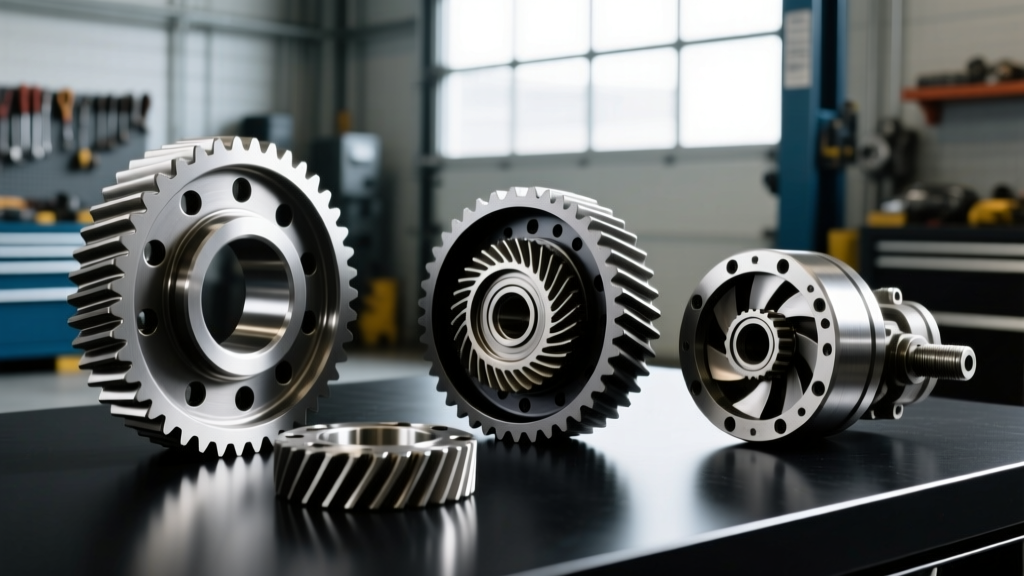
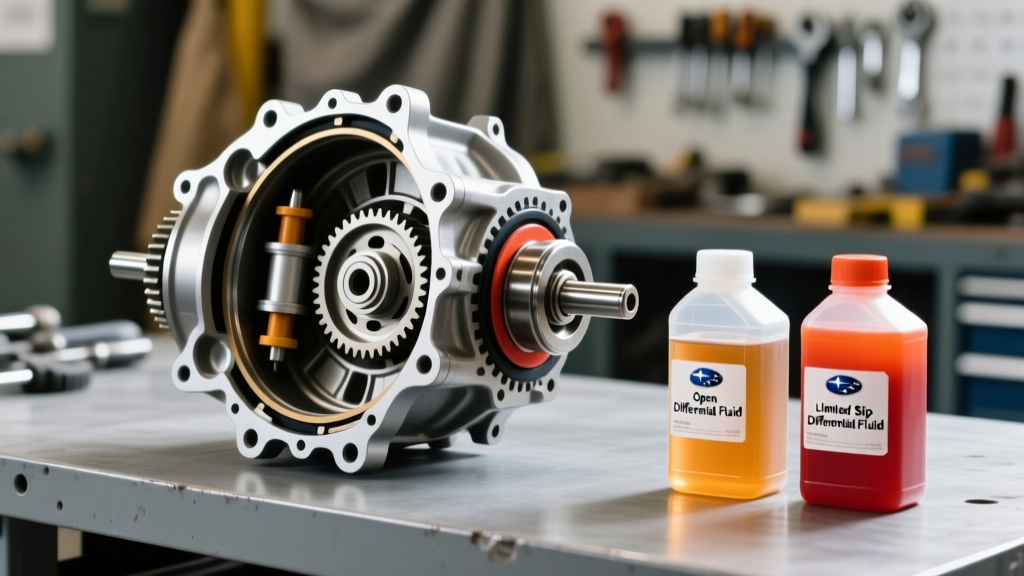
For decades, Subaru has utilized three primary rear differential setups across models like the Outback, Forester, WRX, and STI. The open differential relies on brake-based traction control, while mechanical LSDs utilize internal clutch packs or helical gears to manage wheelspin. This mechanical divergence directly dictates the chemical requirements of your gear oil.
Why Differential Architecture Dictates Fluid Chemistry
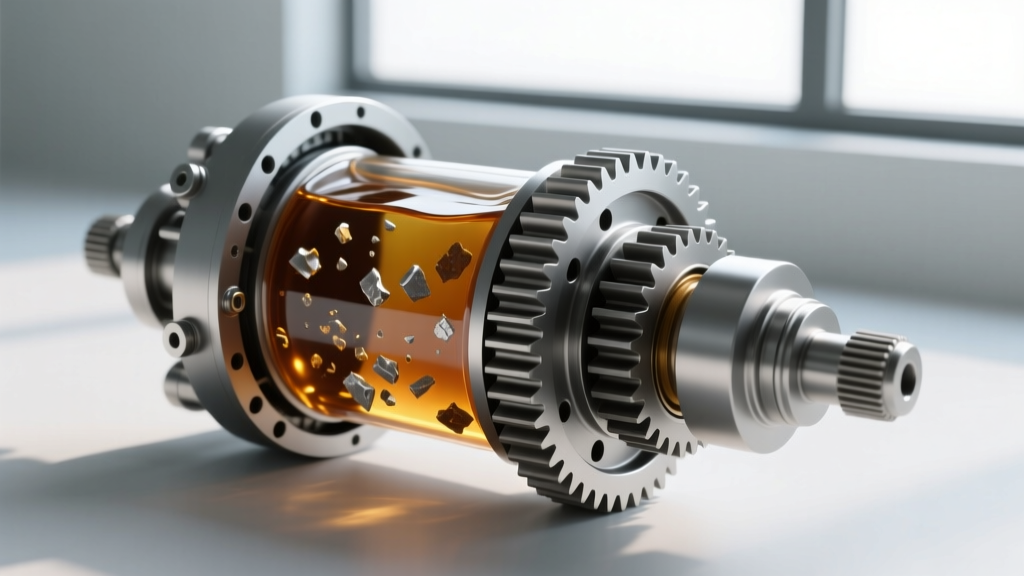
All Subaru rear differentials require an API GL-5 rated 75W-90 gear oil to protect the hypoid ring and pinion gears under extreme pressure (EP). However, the additive package suspended in that oil is where the open vs. limited slip comparison becomes a matter of mechanical survival.
Open Differentials & VDC Systems
Found in the majority of daily-driven Subarus (base Impreza, Crosstrek, standard Outback, and Forester), the open differential has no internal mechanism to limit wheelspin. Instead, Subaru's Vehicle Dynamics Control (VDC) system pulses the brake caliper on the slipping wheel to transfer torque to the wheel with grip. Because there are no friction clutches inside the differential housing, an open diff requires a standard 75W-90 GL-5 gear oil without friction modifiers (FM). Adding an FM to an open diff is unnecessary and can theoretically reduce the extreme-pressure film strength of the sulfur-phosphorus additives, leading to accelerated gear wear under heavy towing or off-road loads.
Clutch-Type Limited Slip Differentials
Performance models and older turbocharged Subarus (such as the WRX, Legacy GT, and early STIs) often utilize clutch-type LSDs. These units contain alternating steel and friction-coated clutch packs that bind together to transfer torque. When these clutch packs slide against one another without adequate lubrication, they experience a 'stick-slip' phenomenon, resulting in audible chattering, shuddering during tight parking lot turns, and premature clutch glazing. To prevent this, a Subaru rear differential fluid change on a clutch-type LSD mandates the addition of a dedicated Friction Modifier (such as Subaru OEM Part #SOA635040) or the use of a pre-blended synthetic gear oil specifically formulated for LSDs.
Torsen (Helical) Limited Slip Differentials
Newer performance Subarus and certain STI models utilize Torsen-style helical gear LSDs. These operate on gear binding principles rather than clutch packs. Because there are no friction materials to chatter, Torsen differentials do not require friction modifiers. Using an FM in a helical LSD can actually reduce the gear-binding friction required for the unit to function optimally, effectively turning your expensive LSD into an open differential.
2026 Buyer’s Guide: Top Gear Oils for Subaru Rear Diffs
Choosing the right fluid requires matching the oil's additive profile to your specific differential type. Below is a comparison of the top-tier gear oils available in 2026 for your Subaru rear differential fluid change.
| Brand & Product | Viscosity / Spec | Best For | Friction Modifier Included? | Est. Price (Qt) |
|---|---|---|---|---|
| Motul Gear 300 | 75W-90 / GL-5 | Clutch-Type LSDs & High Heat | No (Add separately if needed) | $24.00 |
| Red Line 75W-90 NS | 75W-90 / GL-5 | Open Diffs & Torsen LSDs | No (NS = Non-Slip) | $21.50 |
| Amsoil Severe Gear | 75W-90 / GL-5 | Heavy Duty / Towing / Open | No (Add separately if needed) | $22.99 |
| Subaru OEM Extra-HP | 75W-90 / GL-5 | Warranty Compliance / All | Varies by exact SKU/Year | $18.50 |
| Liqui Moly Fully Synthetic | 75W-90 / GL-5 | Open Diffs & Daily Driving | No | $19.99 |
Expert Tip: If you are servicing a clutch-type LSD and your chosen oil does not contain an FM, purchase a 4oz bottle of Red Line Limited Slip Friction Modifier or the OEM Subaru equivalent. Start with half the bottle, test drive in a parking lot doing figure-eights, and add more only if chatter persists. Over-adding FM causes clutch slippage and torque transfer loss.
Execution: Torque Specs, Capacities, and Crush Washers
Regardless of whether you are servicing an open diff on a 2024 Outback or a clutch-type LSD on a 2015 WRX, the physical execution of the Subaru rear differential fluid change follows a strict mechanical protocol. The rear differential housing is relatively small, making fluid level accuracy paramount.
- Fluid Capacity: Most Subaru rear differentials hold exactly 0.8 Liters (0.84 US Quarts). Always purchase two quarts to ensure you have enough to fill until it weeps.
- Drain & Fill Plugs: Subaru typically uses a 10mm Hex (Allen) bit or a 1/2-inch square drive for the rear differential plugs. Never use an undersized metric hex in an SAE square drive hole, as you will strip the soft aluminum casing.
- Torque Specification: Both the drain and fill plugs must be torqued to 33 lb-ft (45 Nm). Over-torquing risks cracking the aluminum differential housing, a catastrophic failure that requires a complete assembly replacement.
- Crush Washers: Always replace the aluminum crush washers on both plugs. The standard Subaru drain plug gasket (Part #803918060 or equivalent 18mm/20mm depending on your exact model year) costs less than $2 at the dealer and prevents slow seepage onto your exhaust.
The 'Fill-Hole First' Rule
Before you break the drain plug loose, always verify that the fill plug can be removed. If the fill plug is seized or stripped, and you drain the differential, you will be left with a vehicle that cannot be driven to a shop for extraction. Spray both plugs with a high-quality penetrant like PB Blaster or Kroil 24 hours prior to your service.
Cost Analysis: DIY vs. Dealership Service
The financial argument for performing your own Subaru rear differential fluid change is substantial, especially when factoring in the premium synthetics required for limited-slip applications.
Dealership & Independent Shop Pricing
As of 2026, a Subaru dealership typically charges between $120 and $180 for a rear differential service. This usually includes bulk 75W-90 oil and standard labor times. However, dealerships frequently use bulk conventional or semi-synthetic GL-5 oils that may lack the specific friction modifiers required for older clutch-type LSDs, leading to post-service chatter that requires a return visit to the service desk.
The DIY Advantage
Performing the service in your driveway costs between $45 and $65 total. This budget allows you to purchase top-tier, full-synthetic ester-based fluids (like Motul or Red Line) and the exact OEM friction modifiers your specific drivetrain demands. Furthermore, doing it yourself guarantees that the fill plug is properly sealed with a fresh crush washer and torqued to the exact 33 lb-ft specification, rather than relying on an underpaid lube technician with an uncalibrated impact wrench.
Final Verdict: Match the Fluid to the Hardware
The debate between open and limited-slip differentials extends far beyond traction capabilities; it fundamentally alters your maintenance chemistry. If you drive an open-differential Subaru, stick to high-quality, FM-free synthetic 75W-90 GL-5 oils to maximize gear protection. If you command a clutch-type LSD, friction modifiers are non-negotiable for driveline longevity. By understanding the mechanical heart of your Symmetrical AWD system, your next Subaru rear differential fluid change will yield smoother operation, quieter cornering, and extended hardware life.
For exact fluid capacities and torque specifications tailored to your specific VIN, always consult the Subaru Technical Information System. For deeper chemical analysis of gear oil additive packages, the Bob Is The Oil Guy Forums remain an invaluable community resource. Finally, verify your friction modifier compatibility via manufacturer data sheets, such as those provided by Red Line Synthetic Oil.