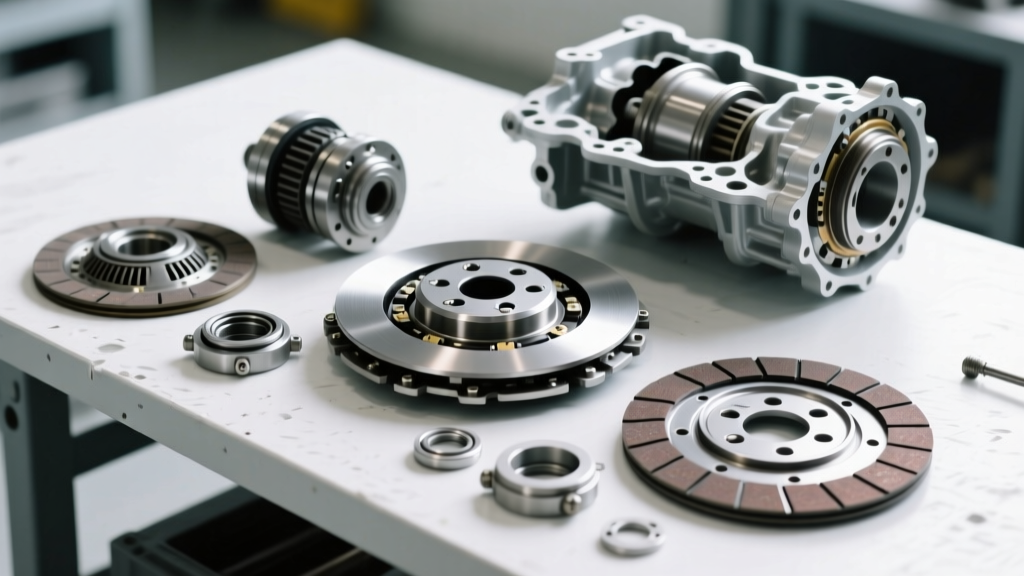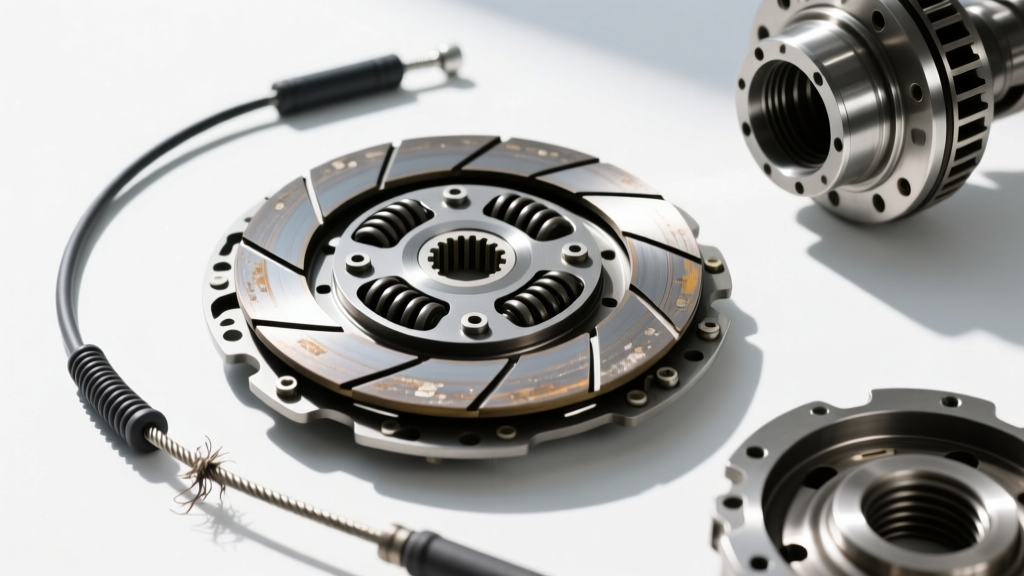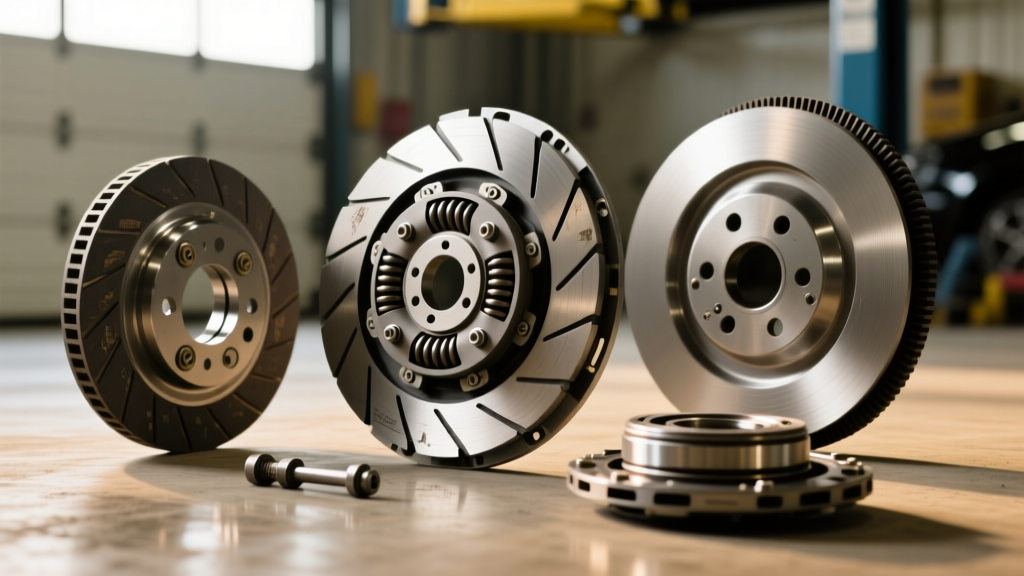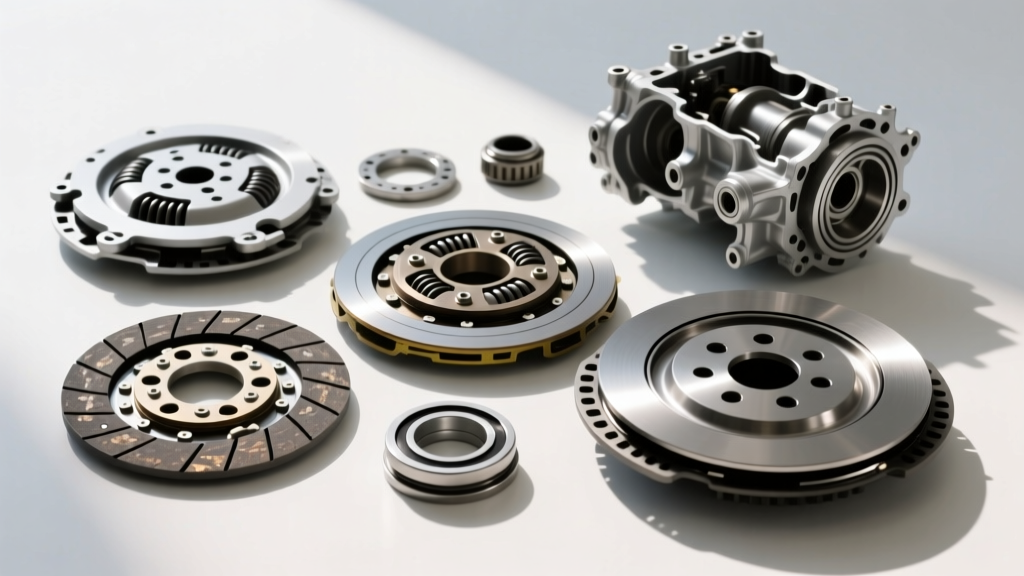
The Subaru BRZ and its Toyota FT86 twins have cemented themselves as the definitive modern platforms for affordable, rear-wheel-drive motoring. Whether you are daily driving a first-generation FA20 model or tracking a second-generation FA24 variant, the TL70 6-speed manual transmission is a core part of the experience. However, track abuse, aggressive launching, and the rising popularity of forced induction kits take a heavy toll on the factory friction materials. As we move through 2026, a massive wave of out-of-warranty BRZs are hitting the lifts, prompting owners to closely evaluate the Subaru BRZ clutch replacement cost and consider the DIY route.
Before you order a heavy-duty clutch kit or book a shop, it is critical to accurately diagnose your drivetrain symptoms. Misdiagnosing a hydraulic issue or a worn pilot bearing as a failed clutch disc can cost you hundreds of dollars in unnecessary parts and labor. This guide breaks down exact symptom diagnosis, real-world pricing, and the deep technical knowledge required to execute a DIY clutch replacement on the BRZ platform.
Symptom Diagnosis: Is Your BRZ Clutch Actually Failing?
The TL70 transmission and its associated hydraulic system are robust, but they are not immune to wear. Proper troubleshooting requires isolating the exact condition under which the symptom occurs.
1. Slipping Under Load vs. High-RPM Misfires
If you are in 3rd or 4th gear and pin the throttle, only to see the tachometer climb without a corresponding increase in vehicle speed, your clutch disc is glazed or worn past its service limit. The stock FA20 produces roughly 151 lb-ft of torque, while the newer FA24 pushes 184 lb-ft. While the OEM Exedy clutch handles this easily, any track time or supercharger kit will rapidly overheat the organic friction material. Note: Ensure you are not confusing high-RPM clutch slip with the notorious FA20 torque-drop or ignition coil misfires common in tuned first-gen models.
2. Throw-Out Bearing (TOB) Chatter and Squeal
Noise diagnosis is heavily dependent on pedal position. If you hear a high-pitched squeal or grinding only when the clutch pedal is depressed, the throw-out bearing is failing and riding dry on the pressure plate diaphragm fingers. Conversely, if you hear a metallic rattle when the pedal is released (foot off the pedal) that disappears when you press it in, you are likely dealing with input shaft wear, a failing clutch disc marcel spring, or a worn pilot bearing.
3. Hard Pedal and Hydraulic Drag
A stiff pedal or a clutch that refuses to fully disengage (causing gear crunching, especially into reverse or first) is often a hydraulic failure, not a mechanical clutch failure. The BRZ utilizes an external slave cylinder mounted on the bellhousing. Before pulling the transmission, inspect the slave cylinder for fluid weeping and check the master cylinder pushrod for excessive free-play. A failing master cylinder bypass valve will mimic a dragging clutch.
Breaking Down the Subaru BRZ Clutch Replacement Cost
Understanding the financial landscape is essential for planning your build. The Subaru BRZ clutch replacement cost varies wildly depending on your labor source and whether you stick to OEM Exedy components or upgrade to aftermarket units like ACT or Clutch Masters. Below is a realistic 2026 pricing breakdown.
| Service Route | Parts Cost (OEM / Upgraded) | Labor Cost | Total Estimated Cost |
|---|---|---|---|
| Subaru Dealership | $350 - $500 (OEM Exedy) | $1,200 - $1,800 | $1,550 - $2,300 |
| Independent Euro/JDM Shop | $400 - $700 (OEM or Stage 1) | $700 - $1,000 | $1,100 - $1,700 |
| DIY (Home Garage) | $300 - $850 (Exedy, ACT, etc.) | $0 (Your Time) | $300 - $850 |
Source: Pricing aggregated via RockAuto and regional independent shop labor rate averages for RWD manual transmissions.
The DIY Route: Essential BRZ Clutch Replacement Tips
Pulling the TL70 transmission in a home garage is entirely feasible for a weekend wrench, provided you have a transmission jack, jack stands, and metric sockets. However, the Subaru platform has several unique quirks that catch first-time DIYers off guard.
Drivetrain Teardown and Exhaust Clearance
To drop the transmission, you must remove the entire cat-back exhaust and the mid-pipe. When unbolting the rear driveshaft from the rear differential flange, always mark the flanges with a paint pen before removal. The driveshaft is balanced as a single assembly with the pinion flange; reassembling it out of phase will introduce severe driveline vibrations at highway speeds.
The Flywheel Step Height: A Critical Subaru Quirk
Unlike many generic flat-flywheel applications, Subaru flywheels feature a machined 'step' between the friction surface and the pressure plate mounting surface. This step dictates the clamping load of the diaphragm spring. If you are resurfacing your OEM dual-mass or single-mass flywheel, your machine shop must measure and maintain this step height (typically around 0.5mm, but you must measure your specific flywheel with a straight-edge and feeler gauge before teardown). If the step is incorrect, your new clutch will either slip immediately or refuse to disengage.
Inspecting the Clutch Fork and Pivot Ball
Because the BRZ uses an external slave cylinder actuating a traditional clutch fork, you have a unique maintenance opportunity while the transmission is out. Inspect the spherical pivot ball on the bellhousing and the corresponding recess in the clutch fork. If the fork has worn a deep groove into the pivot ball, your clutch engagement point will feel vague and inconsistent. Clean both surfaces, apply a thin layer of high-temperature molybdenum grease to the pivot ball and the TOB contact pad on the fork, and replace the fork retention clip.
Critical Torque Specifications for the TL70 and FA Block
Improper torque on the drivetrain components will lead to catastrophic failure or stripped aluminum threads. Reference these specs during reassembly:
- Flywheel to Crankshaft (FA20/FA24): 59 lb-ft + 90 degrees. (These are torque-to-yield bolts; you must replace them with new Subaru OEM hardware).
- Pressure Plate to Flywheel: 18 lb-ft (Tighten gradually in a crisscross star pattern to prevent warping the diaphragm).
- Bellhousing to Engine Block (Upper Bolts): 37 lb-ft.
- Bellhousing to Engine Block (Lower Bolts): 50 lb-ft.
- Driveshaft Flange to Differential: 58 lb-ft.
- Transmission Crossmember to Chassis: 55 lb-ft.
Post-Installation: Hydraulic Bleeding and Bed-In
Once the TL70 is bolted back in and the external slave cylinder is reattached, the hydraulic system must be bled. The BRZ shares its brake fluid reservoir with the clutch master cylinder. Use fresh DOT 3 or DOT 4 fluid and bleed from the slave cylinder bleeder valve until the fluid is completely free of micro-bubbles. A spongy pedal will prevent the clutch from fully disengaging, making gear engagement impossible.
Finally, respect the bed-in procedure. Whether you opted for an OEM replacement sourced from Exedy USA or an upgraded puck-style clutch, the friction material requires heat cycling to transfer an even layer of material onto the flywheel face. Avoid aggressive launches or wide-open-throttle pulls for the first 300 to 500 miles. Drive in stop-and-go traffic to gently heat-cycle the assembly, ensuring long-term grip and preventing immediate chatter.
Final Thoughts on BRZ Drivetrain Maintenance
Tackling the Subaru BRZ clutch replacement cost via the DIY route saves you upwards of $1,200 in labor while giving you intimate knowledge of your vehicle's undercarriage. By paying strict attention to flywheel step height, driveshaft phasing, and hydraulic health, you can restore your BRZ's crisp, mechanical engagement and get back to carving canyons or hitting the apex with total confidence.
For further community-driven troubleshooting and OEM part cross-referencing, the archives at FT86Club remain an invaluable resource for both first and second-generation BRZ owners.