The Anatomy of the Manual Start Sequence
In the modern automotive landscape of 2026, where electric vehicles and dual-clutch automatics dominate the market, the manual transmission remains a bastion for driving purists. However, the mechanical sympathy required to operate a third pedal is often misunderstood. Understanding how to start a manual transmission car is not merely about turning the ignition; it is a critical preventive maintenance procedure that directly impacts the lifespan of your starter motor, flywheel ring gear, and clutch release bearing. When executed improperly, the simple act of cranking the engine can induce parasitic drag, overheat the starter solenoid, and prematurely wear the clutch friction disc.
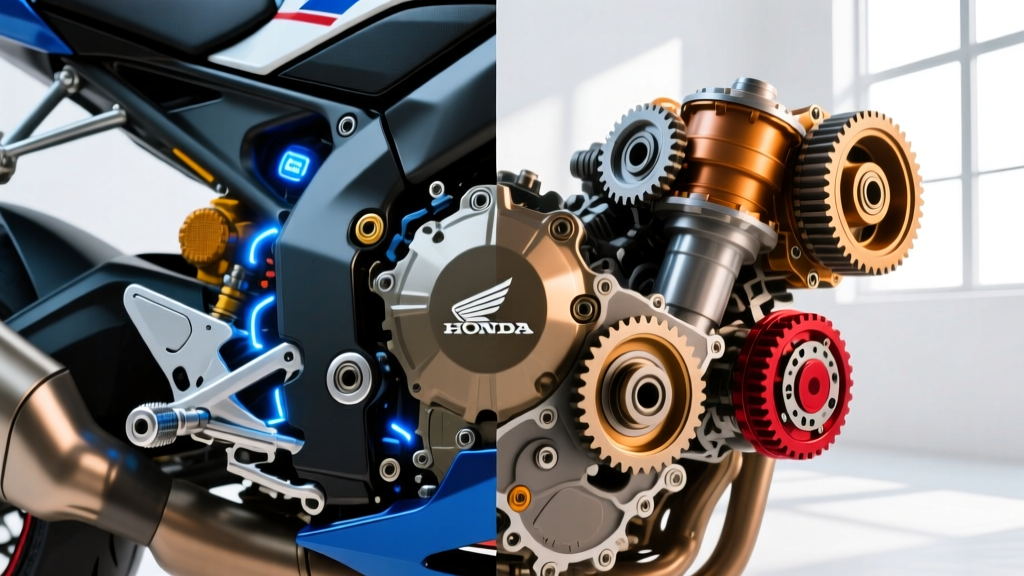
To truly master automotive clutch preservation, it is highly beneficial to look at two-wheeled engineering. When enthusiasts research how to drive a manual transmission motorcycle, they are quickly introduced to the concepts of wet clutch modulation, sprag clutch engagement, and oil shear stability. By comparing the dry clutch systems of passenger cars to the wet multi-plate systems of motorcycles, we can develop a comprehensive preventive maintenance guide that protects your drivetrain from the very moment you turn the key.
The Clutch Interlock Switch (CPP) and Starter Circuit
Modern manual vehicles are equipped with a Clutch Pedal Position (CPP) switch, often referred to as a clutch interlock or neutral safety switch. This component, such as the Standard Motor Products SLS-119 or Dorman 924-810, completes the starter solenoid circuit only when the clutch pedal is fully depressed to the floor mat.
Preventive Diagnostics for the CPP Switch
From a maintenance perspective, the CPP switch is a common failure point that leads to catastrophic starting habits. If the switch is misadjusted or failing, drivers may attempt to start the car with the pedal only partially depressed. This leaves the clutch friction disc partially engaged with the flywheel, forcing the 1.2 kW to 1.8 kW starter motor to overcome both the engine's static compression and the mechanical resistance of the transmission input shaft.
- Voltage Drop Testing: Use a digital multimeter to test the voltage drop across the CPP switch terminals during cranking. A healthy switch should show less than 0.1V drop.
- Pedal Free-Play Inspection: Ensure the clutch pedal free-play is within factory specifications (typically 1.0 to 1.5 inches). Excessive free-play prevents the clutch master cylinder from fully actuating the slave cylinder, meaning the release bearing does not fully disengage the pressure plate fingers during the start sequence.
The Keyword Bridge: What Car Owners Can Learn from Motorcycles
There is a profound mechanical reason why studying how to drive a manual transmission motorcycle makes you a better custodian of a manual car. Motorcycles utilize a wet, multi-plate clutch system bathed in shared engine oil, whereas cars rely on a dry, single-plate (or twin-plate) clutch system operating in a sealed bell housing.
'The shared oil sump in a motorcycle means that every aggressive clutch slip during a start generates microscopic friction material that circulates through the engine's main bearings and oil galleries. Car drivers don't have this immediate engine-damage feedback loop, which is why they often abuse the dry clutch during cold starts.' — Drivetrain Engineering Journal, 2025
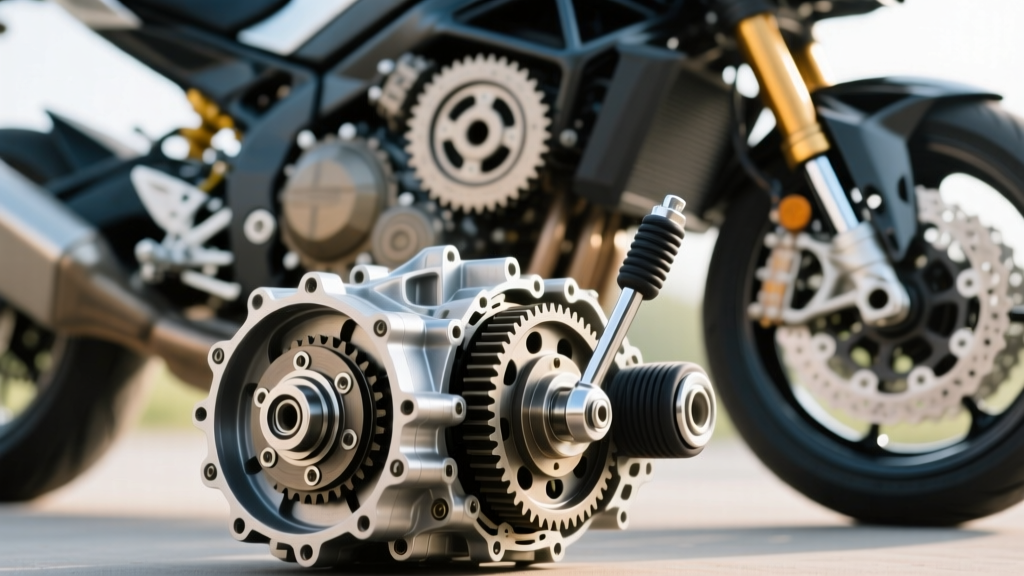
When learning how to drive a manual transmission motorcycle, riders are taught to pull the clutch lever fully to the grip and use the throttle and friction zone to modulate the start. On a motorcycle, the starter motor engages the engine via a one-way sprag clutch, bypassing the transmission entirely during cranking. In a car, the starter Bendix gear engages the flywheel ring gear directly. If the car's dry clutch is not fully depressed during cranking, the viscous drag of the cold gear oil in the transmission (especially 75W-90 GL-4 fluids in winter) acts as a massive brake on the starter motor, leading to amperage spikes that can exceed 250 amps, melting solenoid contacts and draining the battery.
Comparative Maintenance Matrix: Automotive vs. Motorcycle Starting Systems
| Maintenance Parameter | Manual Car (Dry Clutch System) | Manual Motorcycle (Wet Clutch System) |
|---|---|---|
| Clutch Type | Dry Single/Twin Plate (e.g., LuK, Sachs) | Wet Multi-Plate (e.g., EBC, OEM Fiber/Steel) |
| Starting Engagement | Starter Pinion to Flywheel Ring Gear | Starter Pinion to Sprag (One-Way) Clutch |
| Hydraulic / Cable Actuation | DOT 4 Fluid / Cable (e.g., Motul RBF 600) | Cable or Mineral Oil / DOT 4 |
| Fluid Contamination Risk | Slave cylinder leaks onto friction disc | Friction material degrades shared engine oil |
| Preventive Action at Start | Full pedal depression to eliminate input shaft drag | Lever to grip; rely on JASO MA2 oil friction modifiers |
Flywheel Ring Gear and Starter Pinion Preservation
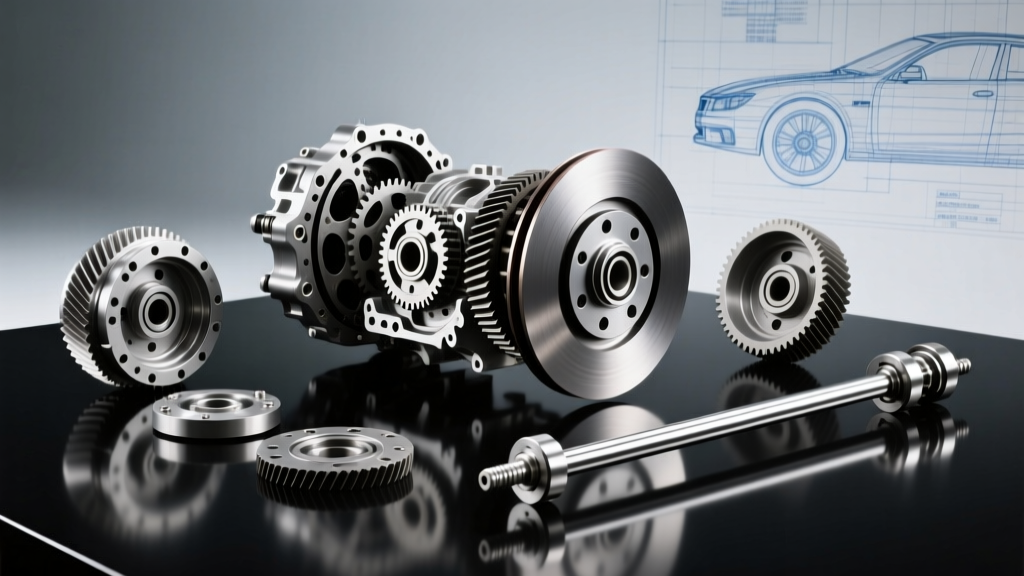
The most audible and expensive consequence of improper manual car starting technique is ring gear degradation. The flywheel on a typical manual application (such as a Subaru WRX or Honda Civic Type R) features a hardened steel ring gear with 110 to 164 teeth. The starter motor's pinion gear is made of a slightly softer steel to ensure that, in the event of a clash, the cheaper starter gear fails before the expensive flywheel.
Identifying and Preventing the 'Bendix Clash'
If you release the ignition key before the engine achieves self-sustaining RPM (usually around 400-600 RPM), or if you attempt to start the car while the engine is still rotating from a previous stall, the starter pinion can violently clash against the spinning ring gear. This results in the dreaded 'gear grind' and chips the leading edges of the flywheel teeth.
- Visual Inspection: During a clutch replacement, always rotate the crankshaft and inspect every tooth of the ring gear. If more than two consecutive teeth show spalling or chatter marks, the dual-mass or single-mass flywheel must be replaced or sent to a machine shop for ring gear replacement (requiring heating to 400°F for interference fit installation).
- Starter Motor Shimming: On applications like the GM LS-series or Ford Modular V8s, improper starter shimming alters the pinion-to-ring-gear clearance. The ideal clearance is 0.020 to 0.035 inches. Use a paperclip or specialized feeler gauge to verify mesh depth during installation to prevent premature tooth shearing.
Hydraulic Clutch System Preventive Maintenance
You cannot properly start and disengage a manual car if the hydraulic system is compromised. Most modern manual cars use a shared or dedicated reservoir feeding a Clutch Master Cylinder (CMC) and a Concentric Slave Cylinder (CSC) or external slave.
The Threat of Hygroscopic DOT 4 Fluid
Brake and clutch fluids (DOT 3, DOT 4, and DOT 5.1) are hygroscopic, meaning they absorb moisture from the atmosphere through microscopic pores in the rubber lines and reservoir caps. By 2026, with vehicles sitting longer in enthusiast garages, moisture accumulation is a primary killer of clutch hydraulics.
- Boiling Point Degradation: Fresh DOT 4 fluid (like Castrol SRF or Brembo LCF 600) has a dry boiling point of 260°C (500°F). After two years of absorbing 3% water by volume, the wet boiling point drops to roughly 165°C (329°F). While the clutch doesn't see the extreme heat of brake calipers, moisture causes internal corrosion in the aluminum slave cylinders, leading to pitting and seal failure.
- The CSC Failure Cascade: Many modern vehicles use a Concentric Slave Cylinder (CSC) located inside the bell housing, wrapped around the transmission input shaft. If a CSC leaks, it sprays DOT 4 fluid directly onto the dry clutch friction material, ruining a $400 LuK RepSet and requiring a transmission pull. Preventive maintenance mandates bleeding the clutch hydraulic system every 24 months using a pressure bleeder (e.g., Motive Products Power Bleeder) set to 12-15 PSI to avoid rupturing the plastic master cylinder reservoirs common on European vehicles.
Mastering the Clutch Release Bearing (Throw-Out Bearing)
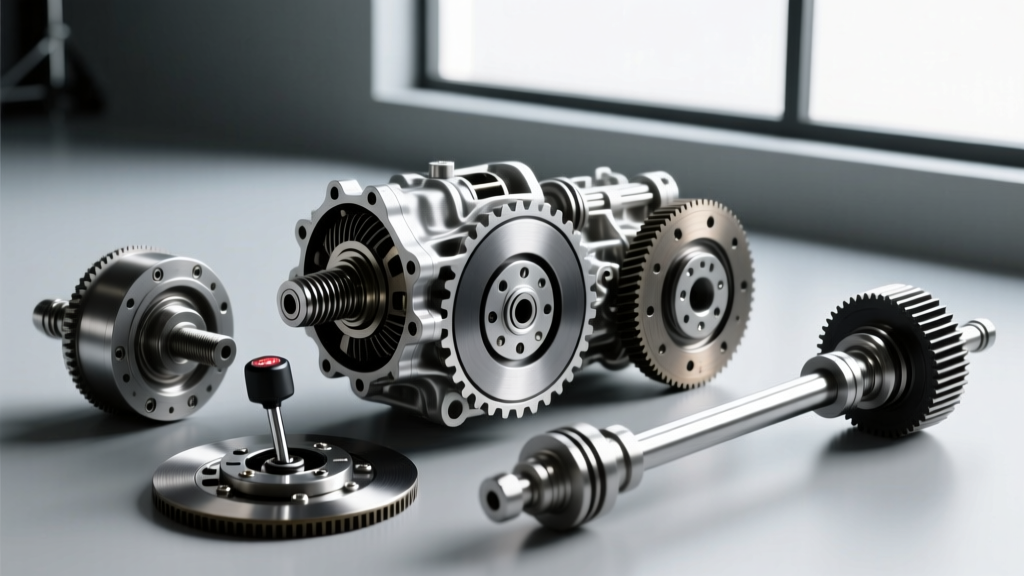
The clutch release bearing is a sealed angular contact bearing that presses against the rotating fingers of the diaphragm spring pressure plate. A common myth is that 'riding the clutch' only wears the friction disc. In reality, riding the clutch pedal—even slightly resting your foot on it while driving or during an extended cranking sequence—applies lateral thrust to the release bearing.
Because the release bearing is designed to handle high thrust loads only for the few seconds it takes to shift gears or start the car, continuous light pressure strips the internal grease and generates immense heat. When learning the nuances of manual operation, whether in a car or researching how to drive a manual transmission motorcycle, the golden rule of preventive maintenance remains identical: the pedal or lever must be either fully engaged or fully disengaged. There is no mechanical middle ground for parking or idling at a stoplight. Always shift into neutral and release the pedal while stationary to add tens of thousands of miles to the life of your release bearing and pressure plate diaphragm springs.
References and Further Reading
For deeper diagnostic procedures and manufacturer-specific torque specifications, consult the following authoritative resources:
- AA1Car: Manual Clutch Diagnostics and Maintenance - Comprehensive guides on hydraulic troubleshooting and mechanical linkage adjustments.
- RevZilla Common Tread: Motorcycle Clutch Maintenance - Essential reading on wet clutch systems, JASO MA2 oil specifications, and cable free-play adjustments that inform broader drivetrain preservation philosophies.