The 2026 Reality: Why Renting is the Key to Learning Stick Shift
As of 2026, manual transmissions account for barely 1.2% of new vehicle sales in the United States. This rapid decline means that learning to drive a stick shift is no longer a generational rite of passage passed down in the family driveway; for most beginners, the biggest hurdle is simply finding a vehicle with three pedals. If you do not own a manual car, borrowing a friend's vehicle poses immense financial and relational risks if you accidentally burn out their clutch. This begs the ultimate beginner's question: where can I rent a manual transmission car to safely learn stick shift?
This comprehensive guide bridges the gap between rental logistics and the mechanical physics of driving a manual. We will cover exactly where to source a rental, which specific transmission models are best for beginners, and the precise mechanical techniques required to master the friction zone without causing catastrophic wear to the rental's drivetrain.
Where to Source a Manual Transmission Rental
Traditional legacy rental agencies (like Enterprise or Hertz) have almost entirely purged manual transmission vehicles from their North American fleets. To find a stick shift, you must look toward peer-to-peer marketplaces and specialty rental boutiques.
| Platform | Avg Daily Cost | Manual Availability | Best For |
|---|---|---|---|
| Turo (Peer-to-Peer) | $55 - $130 | High (Filter by 'Manual') | Weekend practice & local learning |
| Sixt / Europcar (Europe) | $40 - $95 | Very High (Default option) | Vacation learners traveling abroad |
| Specialty Sports Car Rentals | $250 - $500+ | Moderate (High-performance) | Advanced track-day learning |
The Turo Strategy: Turo remains the undisputed champion for North American learners. When searching, use the 'More Filters' option and explicitly check the 'Manual Transmission' box. Look for hosts who list enthusiast vehicles like the Mazda MX-5 Miata, Honda Civic Si, or Volkswagen Golf GTI. These owners are generally more understanding of the learning curve, provided you communicate your intentions and purchase the premium insurance tier to cover potential clutch replacement costs.
Choosing the Right Drivetrain for Beginners
Not all manual transmissions are created equal. The pedal effort, gear shift travel, and clutch engagement characteristics vary wildly depending on the engineering. As a beginner, you want a lightweight, forgiving setup.
Ideal Beginner Transmissions
- Mazda ND2 MX-5 (M15GA-D6 6-Speed): Widely considered the gold standard for learning. The clutch pedal effort is remarkably light (around 28 lbs of force), and the shift linkage features short, mechanical throws with excellent gate definition.
- Honda Civic Si (K-Series 6-Speed): Honda's hydraulic clutch actuation is incredibly linear. The engagement zone is wide and predictable, making it nearly impossible to stall if you release the pedal smoothly.
- VW Golf GTI (MQ350 6-Speed): Features a cable-driven shifter with a rubbery but precise feel, paired with a dual-mass flywheel that absorbs low-RPM vibrations, making creeping in traffic much smoother.
Transmissions to Avoid as a Learner
Avoid renting heavy-duty performance vehicles like the Dodge Challenger SRT Hellcat or C7 Corvette Grand Sport. These utilize heavy-duty pressure plates (often requiring 45+ lbs of pedal force) and aggressive ceramic or Kevlar friction discs that possess a very narrow, unforgiving 'bite point'. Stalling these cars repeatedly on an incline will overheat the friction material rapidly.
The Physics of the Friction Zone: A Beginner Explainer
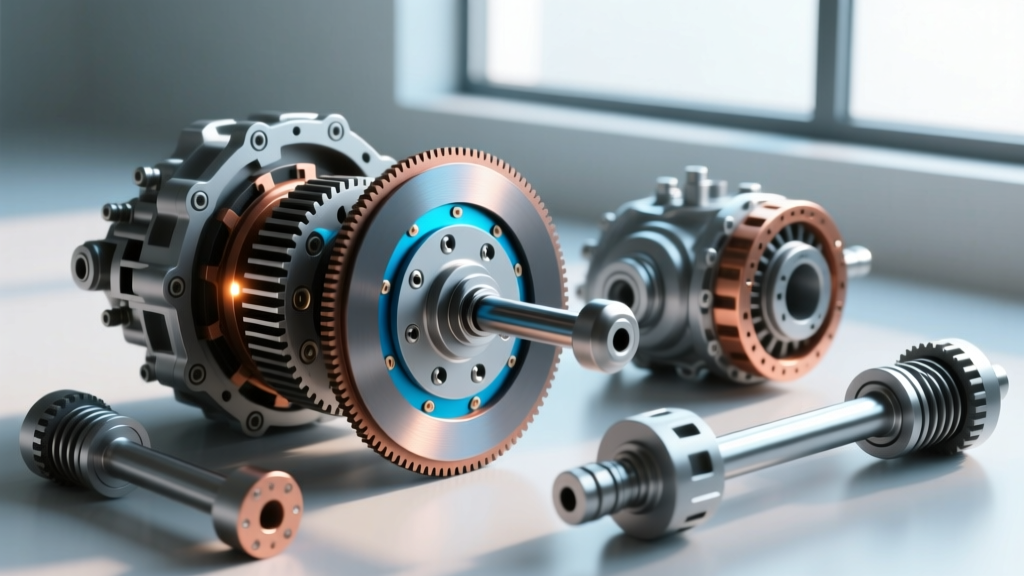
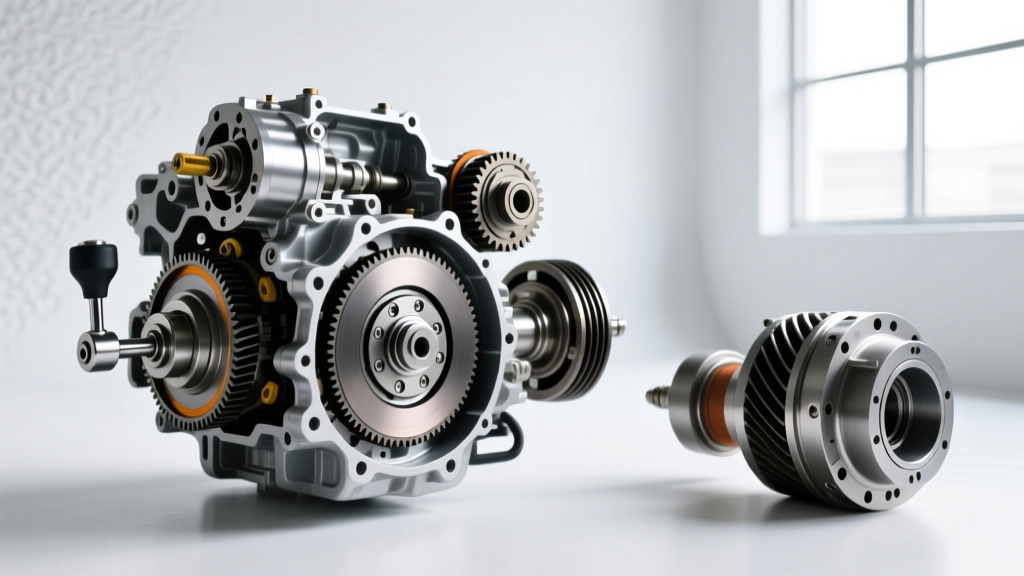
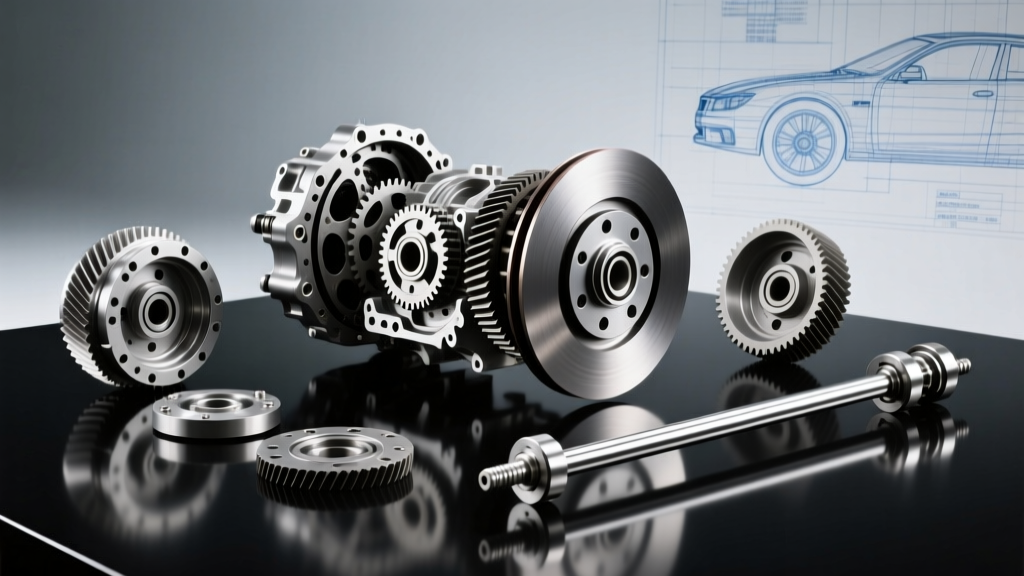
To drive a manual smoothly, you must understand what is happening inside the bell housing. According to the technical experts at Hagerty Media, the clutch assembly consists of four main components: the flywheel, the friction disc, the pressure plate, and the release (throw-out) bearing.
When your foot is off the pedal, the pressure plate clamps the friction disc against the spinning flywheel with hundreds of pounds of spring force. Pressing the pedal activates a hydraulic master cylinder (typically a 5/8-inch bore), which pushes fluid to the slave cylinder, moving the release bearing against the diaphragm spring fingers to release the clamping force.
Finding the 'Bite Point'
The bite point occurs when the release bearing allows the pressure plate to make partial contact with the friction disc. The disc begins to slip, transferring just enough kinetic energy to the transmission's input shaft to overcome the vehicle's static inertia.
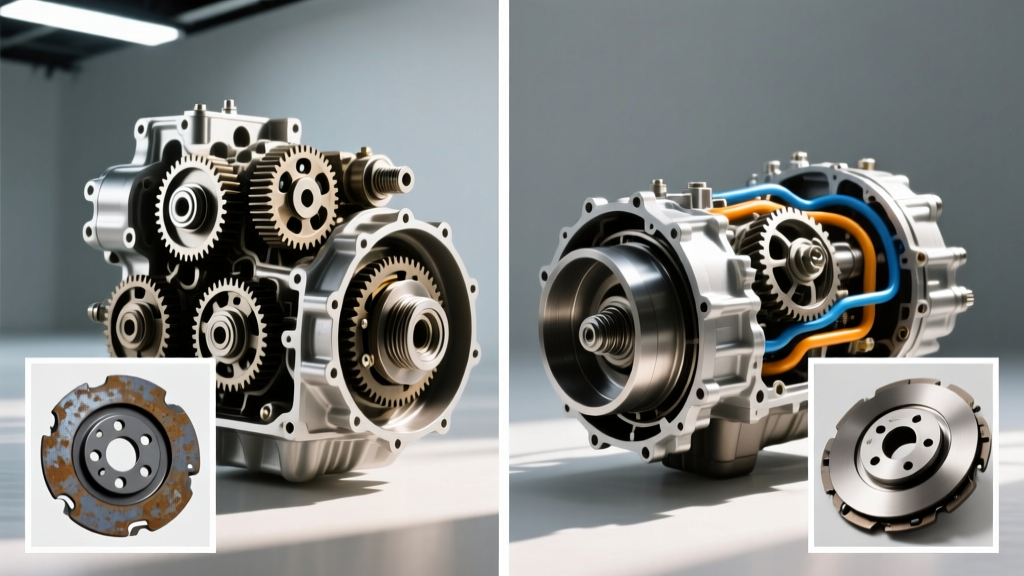
Pro Tip: In a standard organic clutch disc, the friction material is roughly 8mm thick. Slipping the clutch generates immense heat (often exceeding 400°F). Prolonged slipping will 'glaze' the organic material, turning it into a hardened, glass-like surface that slips permanently. This is the exact damage you want to avoid when learning in a rental car.
Step-by-Step: Your First 30 Minutes in a Rented Manual
Find an empty, flat parking lot. Turn off the traction control and roll up the windows so you can hear the engine's RPMs.
Step 1: The Flat-Lot Start (No Throttle)
- Depress the clutch pedal fully to the floor with your left foot.
- Move the gear selector left and forward into 1st gear.
- Slowly lift your left foot. Around the midpoint of the pedal travel, you will feel the chassis vibrate slightly and the engine RPM (usually idling at 750-850 RPM) will dip.
- Hold your foot exactly at this bite point. The car will begin to creep forward at 3-5 mph without touching the gas pedal.
- Push the clutch back in to stop. Repeat this 20 times until your left foot memorizes the exact millimeter where the bite point lives.
Step 2: Adding Throttle
Once you can consistently start the car using only the clutch, it is time to introduce the throttle. As you reach the bite point, gently press the accelerator to raise the engine speed to roughly 1,500 RPM. Simultaneously, smoothly release the clutch the remaining 50% of its travel. The goal is a seamless transfer of torque where the engine RPM matches the wheel speed without a harsh jolt.
Step 3: The 1-2 Shift and Synchronizers
Shift into 2nd gear around 2,500 - 3,000 RPM. Inside the transmission, brass or carbon-fiber synchronizer rings must match the speed of the gear to the speed of the shaft before the dog teeth can engage. If you force the shifter, you will grind the gears.
- Clutch In: Lift off the gas and press the clutch simultaneously.
- Shift: Pull the lever straight back into 2nd.
- Clutch Out: Release the clutch smoothly while applying gentle throttle.
Protecting Your Rental: Avoiding Costly Drivetrain Damage
Rental agreements explicitly state that damage caused by 'negligence or improper operation' is not covered by standard insurance. Clutch wear is the most common dispute. Here is how to protect yourself and the vehicle.
Never 'Ride' the Clutch
Resting your left foot on the clutch pedal while driving applies partial pressure to the release bearing. This prevents the clutch from fully engaging, causing continuous micro-slipping. This will rapidly wear down the friction disc and destroy the throw-out bearing. When not shifting, your left foot must be on the dead pedal.
Avoid 'Lugging' the Engine
Lugging occurs when you are in too high of a gear for your current speed (e.g., 5th gear at 30 mph, around 1,100 RPM). Applying heavy throttle in this state causes severe cylinder detonation and places massive torsional stress on the Dual-Mass Flywheel (DMF). Replacing a failed DMF on a modern European hot hatch can cost between $1,200 and $1,800 in parts and labor. If the engine shudders when you accelerate, downshift immediately.
The Pre- and Post-Rental Inspection
Before leaving the rental lot, perform a quick clutch health check. With the engine running and the car parked, press the clutch and shift into Reverse. If you hear a harsh grinding noise that does not stop after a second, the clutch hydraulic system may have air in the lines, or the master cylinder is failing. Document this on video and notify the host immediately to avoid being blamed for pre-existing transmission faults.
Final Thoughts on Mastering the Stick Shift
Learning to drive a manual transmission is a highly rewarding mechanical skill that connects you directly to the drivetrain. By leveraging peer-to-peer rental platforms, you can bypass the barrier of vehicle ownership and practice in a controlled environment. Start in an empty lot, respect the physics of the friction zone, and treat the rental's synchronizers and flywheel with mechanical sympathy. Within a few hours of deliberate practice, the muscle memory will lock in, and driving a stick shift will become second nature.