Understanding the 2000 RPM Stall Threshold and Acoustic Signatures
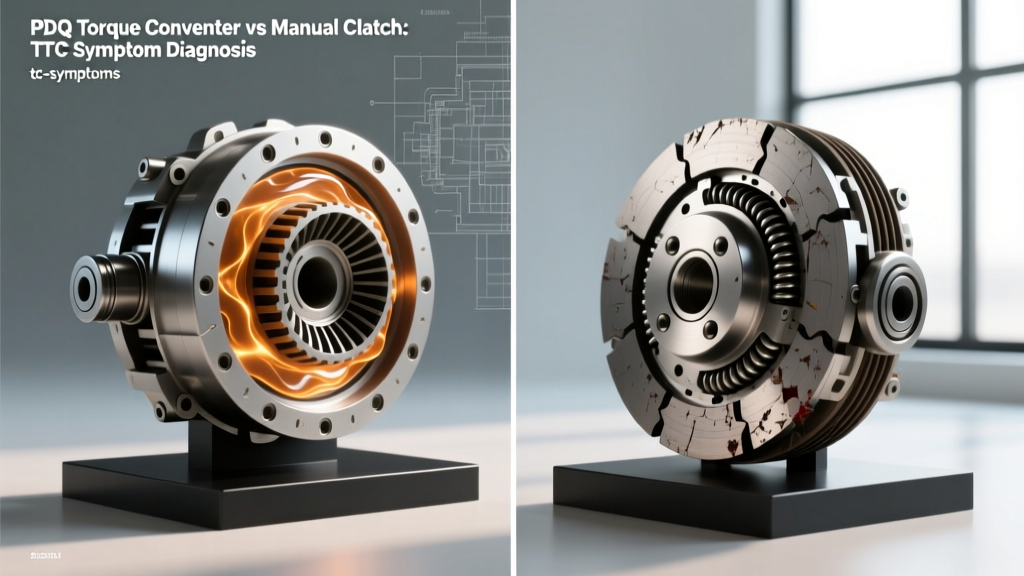
Upgrading to a 2000 stall torque converter is one of the most effective ways to optimize low-end torque multiplication and improve launch characteristics in both street-performance and heavy-duty towing applications. Unlike stock converters that typically stall between 1,600 and 1,800 RPM, a 2000 stall unit allows the engine to reach a higher RPM range before the transmission fully couples, placing the engine closer to its peak torque curve. However, this altered fluid dynamic environment places unique stresses on the impeller, turbine, stator, and the torque converter clutch (TCC). As an automotive transmission specialist, I cannot stress enough that early noise diagnosis is the cornerstone of preventive maintenance for these units. Ignoring subtle acoustic changes can rapidly escalate into catastrophic transmission failure, scattering hardened steel and needle bearings throughout the valve body and cooler lines.
In the current 2026 automotive landscape, modern synthetic automatic transmission fluids (ATF) offer superior shear stability, but they cannot mask the physical symptoms of a degrading torque converter. A 2000 stall torque converter operates with a higher degree of internal slip at low speeds, generating significantly more heat. This thermal load accelerates fluid degradation if the cooling system is inadequate, leading to varnish buildup on the stator clutch and TCC friction surfaces. When these components begin to fail, they communicate their distress through specific acoustic signatures. Differentiating between fluid cavitation, mechanical interference, and TCC lockup shudder requires a systematic, data-driven diagnostic approach rather than guesswork.
The Acoustic Diagnostic Matrix for 2000 Stall Converters
Before dropping the transmission pan or unbolting the bellhousing, technicians must accurately categorize the noise. The following diagnostic matrix maps specific acoustic signatures to their most probable root causes within a 2000 stall torque converter assembly. This framework is essential for isolating internal converter faults from external engine or drivetrain noise.
| Acoustic Signature | Operating Condition | Root Cause Analysis | Preventive Action |
|---|---|---|---|
| High-Pitch Whine | Increases with engine RPM; present in Park and Neutral | Transmission fluid pump cavitation or restricted inline filter starving the converter feed circuit. | Verify fluid level at 180°F; replace filter; check feed line pressure. |
| Low-Frequency Clunk | Engaging Drive or Reverse from Park; deceleration tip-in | Excessive flexplate runout, worn stator one-way clutch, or degraded TCC damper springs. | Measure flexplate runout; inspect engine mounts; check TCC apply pressure. |
| Metallic Grinding | Constant under load; worsens as fluid temperature rises | Failure of the internal needle bearings between the stator and turbine, or impeller hub galling. | Drop pan to inspect for metallic particulate; prepare for converter replacement. |
| 40-60 Hz Shudder | Light throttle cruise at 45-55 MPH during TCC lockup | Glazed TCC friction material, failing PWM solenoid, or contaminated fluid degrading the lockup apply curve. | Perform TCC slip RPM test via OBD2; flush fluid; test solenoid duty cycle. |
Step-by-Step Preventive Diagnostic Protocol
When a customer reports an anomaly, or during a routine 30,000-mile preventive maintenance interval, follow this strict diagnostic protocol to evaluate the health of the 2000 stall torque converter. This methodology relies on empirical data rather than subjective road test impressions.
Step 1: Fluid Viscosity and Thermal Verification
Fluid expansion and viscosity dictate the hydraulic efficiency of the converter. A 2000 stall unit generates immense heat during the slip phase. Connect an infrared thermometer or rely on the transmission fluid temperature (TFT) PID via a bi-directional scan tool. The fluid must be between 180°F and 200°F (82°C - 93°C) for accurate level and pressure readings. If the fluid smells burnt or exhibits a dark, opaque appearance, the internal friction clutches and the TCC lining have likely experienced thermal breakdown. According to ATSG (Automatic Transmission Service Group), operating a performance converter with degraded fluid can reduce the lockup clutch lifespan by up to 60%.
Step 2: Line Pressure and Feed Circuit Testing
Cavitation is the enemy of the transmission pump and the torque converter feed circuit. Hook up a 300 PSI mechanical pressure gauge to the transmission line pressure port. For a GM 4L60E equipped with a 2000 stall converter, baseline line pressure in Drive at idle should be approximately 50-60 PSI. When you load the engine against the brakes and approach the 2000 RPM stall threshold, the pressure regulator valve should spike the line pressure to 150-180 PSI. If the pressure drops or fluctuates wildly as RPM increases, the pump is cavitating, likely due to a restricted filter, a collapsed converter feed hose, or a worn pressure regulator bore. As noted in technical bulletins from Sonnax, chronic low feed pressure will cause the converter to collapse inward, leading to severe impeller hub scoring and eventual pump gear destruction.
Step 3: Flexplate Runout and Hardware Torque Verification
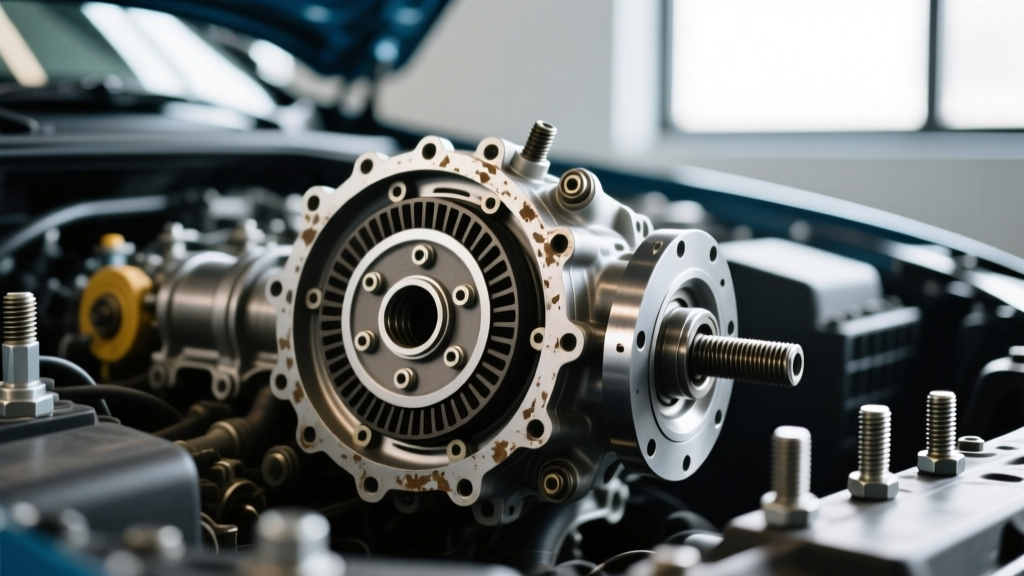
A clunking noise on engagement is frequently misdiagnosed as internal converter hub play when it is actually a flexplate issue. The torque converter is bolted to the flexplate, which is subjected to immense torsional stress during the 2000 RPM stall loading phase. Using a dial indicator mounted to the engine block, measure the flexplate runout. The industry maximum allowable runout specification is typically 0.015 inches. If runout exceeds this, the converter is forced into an eccentric orbit, destroying the front pump bushing and causing a rhythmic clunking noise. Furthermore, verify that the flexplate-to-crank bolts are torqued to spec (e.g., 74 lb-ft for GM LS engines with threadlocker) and the converter-to-flexplate nuts are secured at 25-30 lb-ft.
Platform-Specific Failure Modes and Quirks
Different transmission architectures interact with a 2000 stall torque converter in unique ways. Understanding these platform-specific nuances is critical for accurate noise diagnosis.
GM 4L60E and 6L80 Architectures
In the ubiquitous GM 4L60E, a high-pitched whine that changes pitch with engine RPM is almost always related to the front pump gear mesh or a starving converter feed circuit. However, in the later 6L80 six-speed, the torque converter features a highly sophisticated, multi-plate TCC designed for continuous slip control (EC3). A 2000 stall converter in a 6L80 must be precisely calibrated for the transmission control module (TCM) adaptive pressure tables. If the converter's internal volume or TCC friction coefficient deviates from the OEM calibration, the TCM will induce a violent shudder as it struggles to modulate the lockup apply pressure, often mimicking a mechanical grinding noise.
Ford C6 and AOD Legacy Platforms
For classic Ford platforms utilizing a C6 or AOD with a 2000 stall upgrade, converter drain-back is a notorious issue. When the vehicle sits overnight, fluid drains from the converter back into the pan due to worn front pump seals or check-ball degradation. Upon cold startup, the converter is partially empty, resulting in a severe grinding or rattling noise for the first 10 to 15 seconds until the pump can refill the unit. Preventive maintenance for these units involves installing an aftermarket drain-back prevention valve in the cooler lines to maintain static hydraulic pressure within the converter housing.
Preventive Maintenance Schedule for Performance Converters
To maximize the service life of a 2000 stall torque converter and prevent the acoustic failures detailed above, adhere to this rigorous maintenance schedule:
- 15,000-Mile Intervals: Perform a fluid analysis. Check for suspended metallic particulates and verify the fluid's total base number (TBN) and oxidation levels.
- 30,000-Mile Intervals: Execute a complete fluid exchange using a high-shear synthetic ATF (e.g., Dexron VI, ATF+4, or specialized racing fluids like Amsoil Signature Series). Replace the pan filter and clean the magnet.
- Annually: Inspect the transmission cooler lines for micro-leaks, check the external cooler for debris obstruction, and verify the operation of the thermal bypass valve to ensure the converter receives adequate cooling during the high-slip stall phase.
- Drivetrain Alignment: Inspect engine and transmission mounts every 50,000 miles. Degraded mounts alter the driveline angle, placing lateral stress on the converter pilot and transmission input shaft.
Cost Analysis and Replacement Realities
When diagnostic data confirms internal mechanical failure—such as a shattered stator clutch or fused needle bearings—preventive maintenance transitions to component replacement. As of 2026, the cost of a high-quality, billet-cover 2000 stall torque converter from reputable manufacturers like Circle D or Vigilante ranges from $650 to $1,200, depending on the specific stall tolerance and TCC friction material configuration. Labor for transmission removal, converter replacement, and fluid refill typically spans 6 to 9 hours, translating to $800 to $1,500 in labor costs at independent specialty shops.
Attempting to salvage a noisy converter by simply dropping the pan and changing the fluid is a false economy. Once the acoustic signatures of metallic grinding or severe cavitation are present, the physical architecture of the converter is compromised. The debris will have already migrated into the transmission cooler and the valve body solenoids. A complete system flush, cooler replacement, and valve body inspection are mandatory when replacing a failed unit to protect your new investment.
Expert Insight: Never ignore a subtle change in your torque converter's acoustic profile. A 2000 stall unit operates on the edge of hydraulic efficiency; a minor whine today is a shattered turbine and a destroyed transmission pump tomorrow. Data-driven diagnosis is your only reliable defense.
For further technical reading on torque converter hydraulic dynamics and valve body wear patterns, consult the engineering archives at Transmission Digest. Staying ahead of failure modes through diligent preventive maintenance ensures your drivetrain remains reliable, quiet, and capable of handling the torque multiplication your engine delivers.