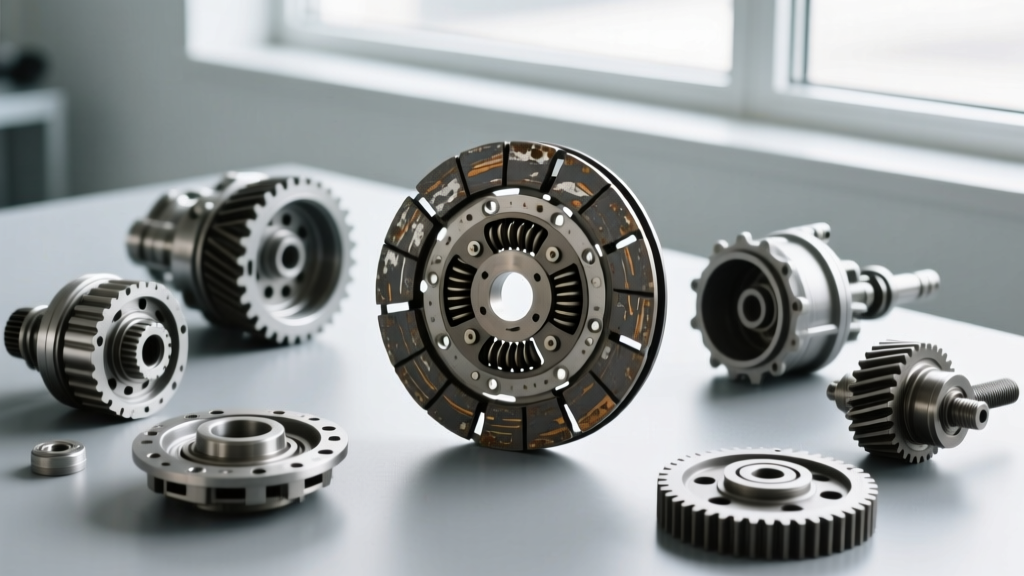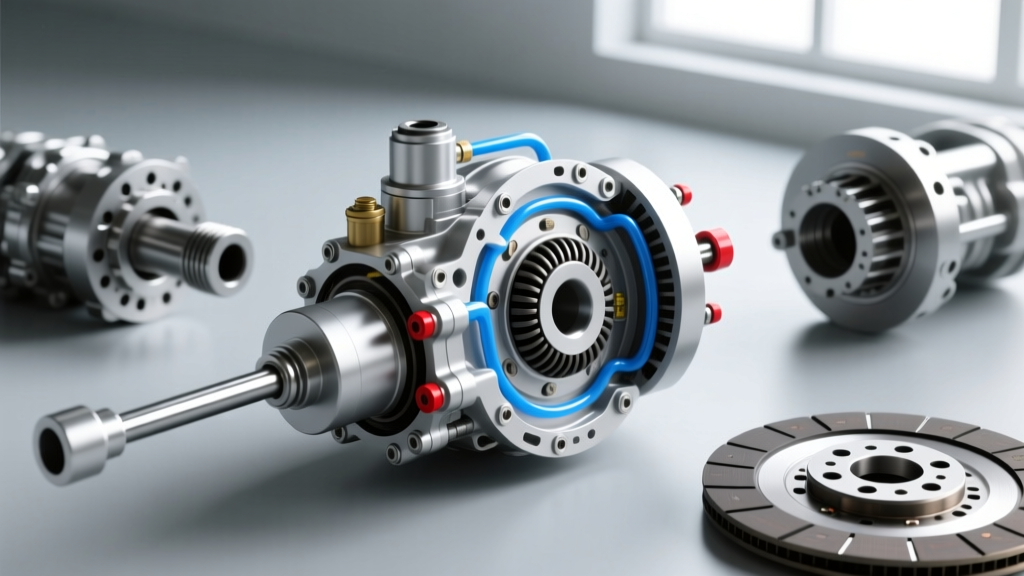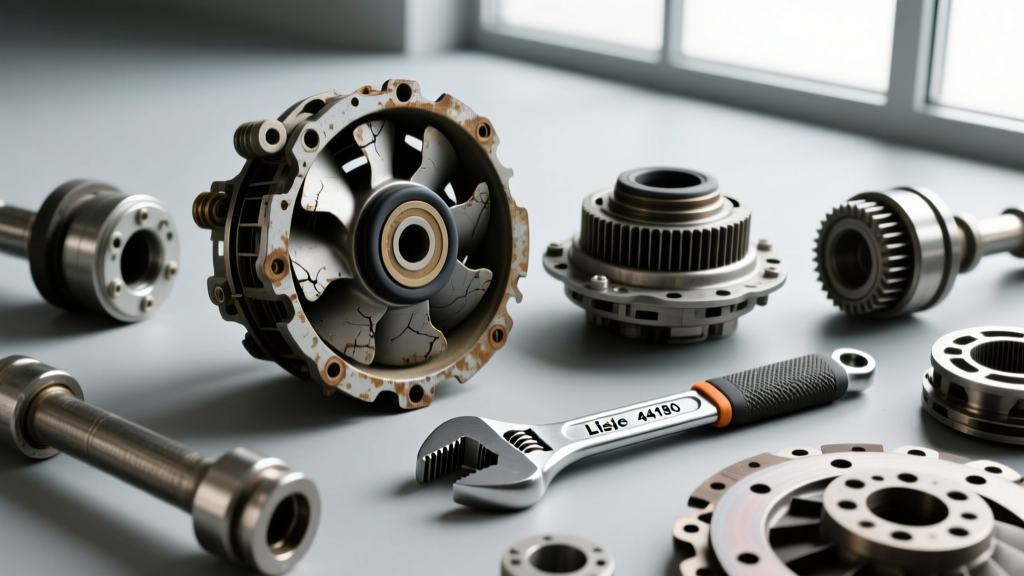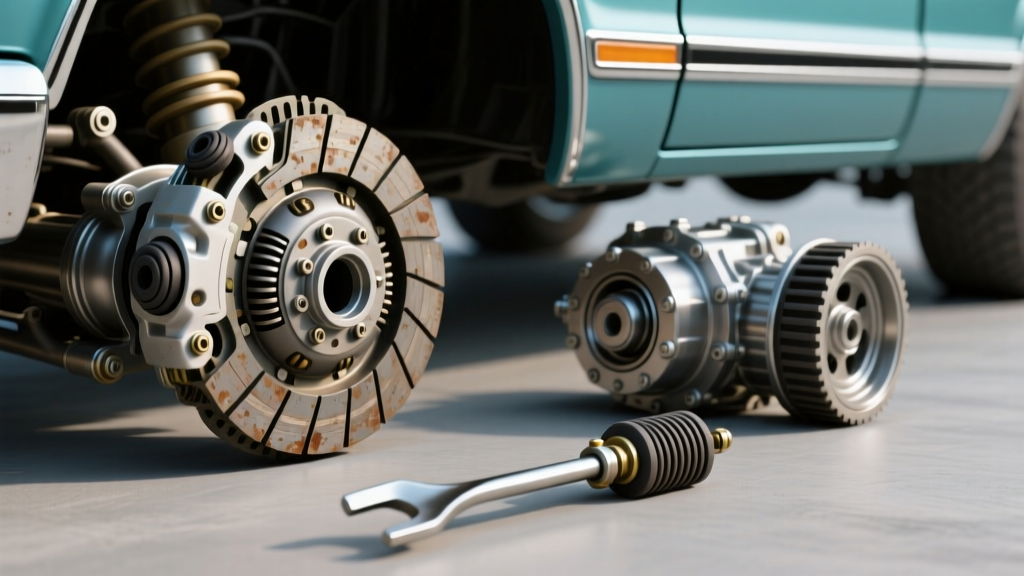
The 1973-1987 GM C/K series, universally beloved as the 'Square Body' generation, remains a staple of the classic truck community. However, as these vehicles age and undergo modern drivetrain swaps, diagnosing clutch system noises has become increasingly complex. A high-pitched chirp or a heavy metallic grind often sends owners straight to the transmission hoist, only to discover the issue was never inside the bellhousing. In 2026, understanding the intricate relationship between the firewall, the square body clutch pedal assembly, the linkage geometry, and the transmission input shaft is critical for accurate diagnostics.
Whether you are running a numbers-matching SM465 cast-iron 4-speed or a modern NV4500 5-speed swap, misdiagnosing clutch noise wastes time and money. This expert guide breaks down the exact failure modes, acoustic signatures, and mechanical tolerances required to isolate grinding, squealing, and chirping in GM Square Body trucks.
The 'Phantom' Chirp: Isolating the Square Body Clutch Pedal Assembly
The most common misdiagnosis in vintage GM trucks is blaming the throwout bearing for a squeak or chirp that actually originates inside the cab. The hanging pedal design used in Square Body trucks relies on a pivot shaft that passes through the pedal box bracket. Originally, GM used plastic and bronze bushings that degrade over decades of use, heat cycling, and moisture intrusion.
When these bushings disintegrate, the metal pedal shaft binds against the steel bracket. This friction creates a rhythmic squeaking or chirping sound that travels down the clutch pushrod, through the firewall, and directly into the clutch fork. Because sound transfers efficiently through solid mechanical linkage, the noise appears to emanate from the bellhousing. Before you drop the transmission, you must inspect the pedal box.
Pedal Box Bushing Replacement & Upgrades
The OEM plastic bushings are obsolete, but the aftermarket has stepped up. The Dorman 74014 Clutch Pedal Bushing Kit (or equivalent premium urethane upgrades available through RockAuto's GM truck catalog) replaces the worn plastic with durable, greasable urethane or sintered bronze. When rebuilding the square body clutch pedal assembly, it is mandatory to polish the pivot shaft with 400-grit sandpaper to remove any rust pitting before installing the new bushings. Failure to do so will result in the new bushings wearing out within 500 miles, bringing the phantom chirp right back.
Noise Profile & Diagnostic Matrix
Use the following matrix to cross-reference the acoustic signature of your clutch system with the specific operating condition. This framework eliminates guesswork and targets the exact subsystem requiring attention.
| Noise Profile | Trigger Condition | Probable Square Body Culprit | Estimated 2026 Fix Cost |
|---|---|---|---|
| High-pitch squeak | Actuating pedal in cab | Worn pedal box pivot bushings / Dry pushrod | $15 - $45 |
| Metallic chirp | Pedal depressed 1 inch | Throwout bearing contacting diaphragm fingers | $350 - $600 (Labor heavy) |
| Gear crunch/grind | Shifting into 2nd or 3rd | SM465 synchro ring wear / Clutch drag | $400 - $1,200 |
| Deep rattle at idle | Neutral, pedal released | NV4500 input shaft wear / Loose Z-bar linkage | $50 - $1,800 |
| Rhythmic ticking | Idling, clutch engaged | Worn clutch fork pivot ball / Broken return spring | $25 - $150 |
Mechanical Z-Bar Linkage vs. Modern NV4500 Hydraulic Swaps
Square Body trucks left the factory with a mechanical 'Z-bar' (equalizer bar) linkage connecting the pedal assembly to the clutch fork. This system is highly susceptible to frame flex. When the truck's ladder frame twists under heavy throttle or off-road articulation, the distance between the engine block and the cab firewall changes dynamically. This flex causes the Z-bar to bind on its pivot points, generating harsh metallic popping and squealing noises during clutch actuation. Lubricating the Z-bar pivot balls with high-moly grease (like AMSOIL Synthetic Multi-Purpose) is a temporary fix; upgrading the linkage geometry or swapping to hydraulics is the permanent solution.
The NV4500 Hydraulic Conversion
In 2026, the NV4500 5-speed manual is the premier swap for Square Body trucks, necessitating a conversion from mechanical linkage to a hydraulic master/slave setup. Kits utilizing a LUK LMC134 master cylinder paired with an internal hydraulic throwout bearing (HTOB) are incredibly popular via suppliers like Summit Racing's drivetrain department. However, HTOB setups introduce a new noise variable: air gap miscalculation.
If the HTOB is not shimmed correctly to maintain a precise 0.100-inch to 0.150-inch air gap between the bearing face and the pressure plate diaphragm fingers, the bearing will 'ride the fingers' at rest. This results in a continuous, high-RPM squeal that worsens as the clutch disc wears. Always measure the air gap with a dial caliper through the bellhousing inspection window before mating the transmission to the block.
Bellhousing, SM465 Grinding, and Pilot Bushing Failures
When the noise is definitively a grinding or crunching during gear engagement, the issue lies in clutch drag or internal transmission wear. The legendary SM465 is virtually indestructible, but its synchronizers (especially 2nd and 3rd gear) are prone to wear if the clutch does not fully disengage. Clutch drag in a Square Body is almost always traced back to two areas: a warped flywheel or a seized pilot bushing.
The pilot bushing, pressed into the back of the crankshaft, supports the transmission input shaft. If this porous bronze bushing lacks lubrication or absorbs moisture and swells, it will grip the input shaft. Even when the square body clutch pedal assembly is fully depressed, the friction from the seized pilot bushing keeps the input shaft spinning, causing violent grinding when attempting to engage first gear or reverse.
Critical Torque Specs & Machining Tolerances
To eliminate vibration-induced chatter and runout-related dragging, strict adherence to machining tolerances and torque specifications is non-negotiable during reassembly:
- Flywheel Runout: Must not exceed 0.005 inches. Measure with a dial indicator mounted to the block. Excessive runout causes uneven pressure plate clamping and severe chatter.
- SBC/BBC Flywheel to Crank Torque: 65 lb-ft using high-strength thread locker (e.g., Loctite 262). Always use new ARP or OEM-grade bolts.
- Pressure Plate to Flywheel: 30-35 lb-ft, tightened in a strict star pattern to prevent diaphragm distortion.
- SM465 Bellhousing to Block: 35 lb-ft. Ensure the bellhousing dowel pins are intact; missing dowels cause input shaft misalignment and premature bearing failure.
- Clutch Fork Pivot Ball: 15 lb-ft. Apply a dab of anti-seize to the ball, but keep it away from the friction surfaces of the fork.
Expert Step-by-Step Isolation Protocol
Before pulling the driveshaft and crossmember, follow this exact diagnostic sequence to pinpoint the origin of your clutch noise:
- The Cab Isolation Test: With the engine off, pump the clutch pedal rapidly. Listen closely to the pedal box. If you hear squeaking, rebuild the pedal pivot shaft and lubricate the firewall pushrod seal.
- The Stethoscope Probe: Start the engine and let it idle. Use a mechanical stethoscope (or a long screwdriver to your ear) and probe the bellhousing inspection cover. If the chirp is only present when the pedal is depressed 1 inch, the throwout bearing is making contact. If it chirps at rest, the bearing is pre-loaded (HTOB issue) or the fork is resting on a worn pivot ball.
- The Rev-Match Test: While driving, listen for grinding during shifts. If the transmission grinds only when the engine RPM is high but shifts smoothly at low RPM, your clutch hydraulic system (or mechanical linkage) is suffering from cavitation or flex, failing to pull the pressure plate far enough away from the disc.
- The Neutral Rattle Check: If the truck rattles in neutral, press the clutch pedal to the floor. If the rattle instantly disappears, the noise is transmission input shaft rattle (common in NV4500s with low fluid or worn bearings), not a clutch failure. Check your fluid level and ensure you are using the correct synchromesh fluid, not standard 75W-90 gear oil.
Expert Insight: Never assume a clutch noise requires a full teardown. In my 20 years of diagnosing vintage GM drivetrains, at least 40% of 'bad throwout bearing' complaints on Square Body trucks were solved with a $20 pedal bushing kit and a tube of moly grease. Respect the linkage geometry, measure your runout, and let the acoustic data guide your wrench.