Why the Spicer 75054X Kit Demands a Strict Fluid Protocol
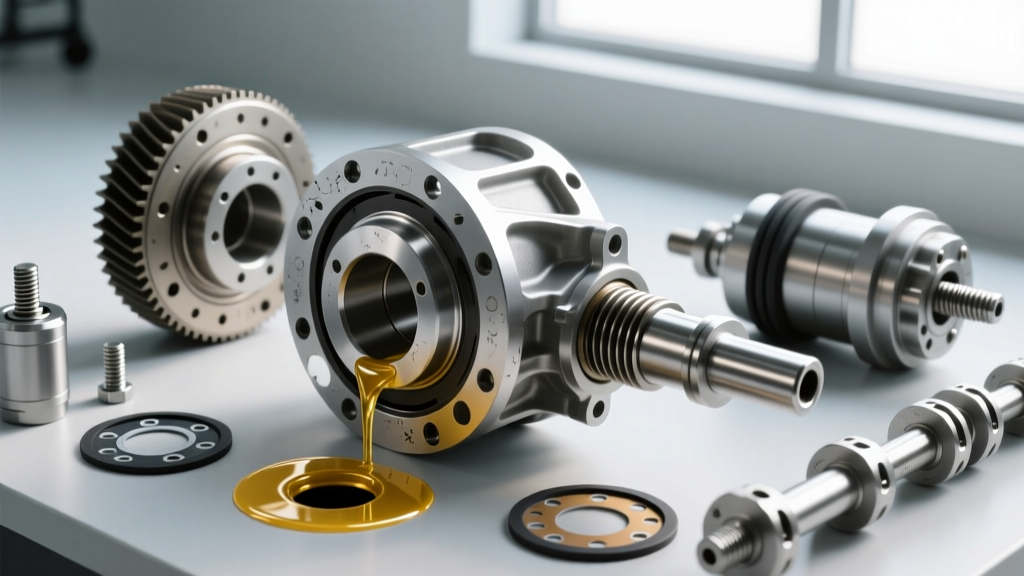
When you invest in a premium axle rebuild, you are resetting the clock on your drivetrain's lifespan. For mechanics and off-road enthusiasts working on Dana 35, Dana 44, and similar light-truck axles, sourcing the correct internal hardware is non-negotiable. The Spicer 75054X differential case assembly kit provides the OEM-grade carrier bearings, precision shims, and case hardware necessary to maintain exact gear mesh and backlash tolerances. However, installing this hardware is only half the battle.
The differential fluid change procedure and subsequent maintenance intervals are what ultimately determine whether your new ring and pinion gears survive the first 10,000 miles or fail catastrophically. Modern 2026 gear oil formulations offer incredible thermal stability, but they cannot prevent the initial break-in wear that generates microscopic metal particulates. This guide details the exact step-by-step fluid protocol required after installing your Spicer case kit, ensuring your axle runs quietly and efficiently for decades.
The Break-In vs. Standard Interval Timeline
New ring and pinion gears, along with the fresh carrier bearings included in your Spicer 75054X kit, require a meticulous break-in period. The mating surfaces of the gears must polish themselves against one another under load. This process generates significant heat and metallic debris.
The 500-Mile Break-In Fluid Change (Critical Step)
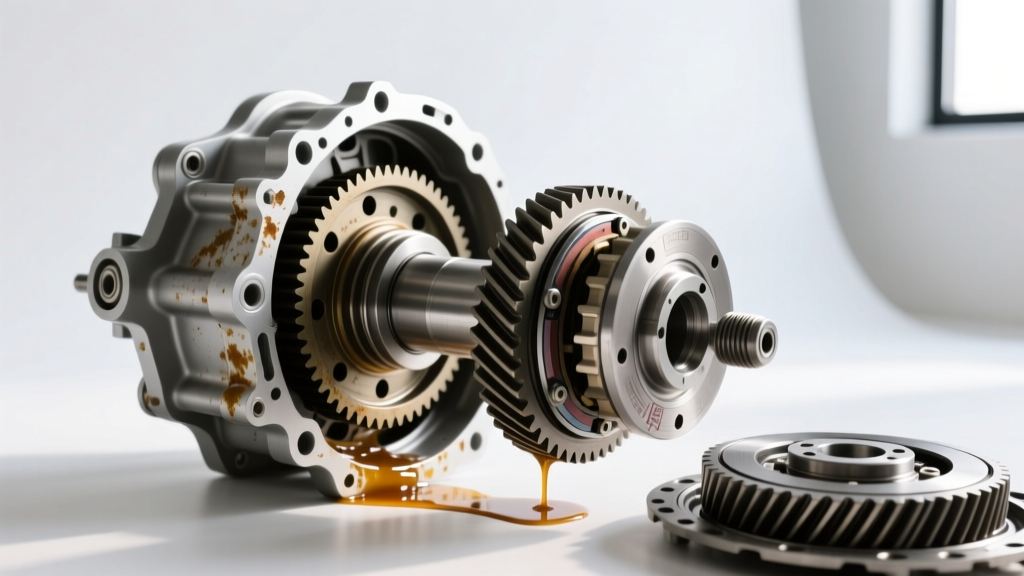
Your very first fluid change must occur at exactly 500 miles post-rebuild. During these initial miles, the extreme pressure (EP) additives in the gear oil are working overtime to prevent scuffing. By the 500-mile mark, the fluid will be saturated with fine metallic paste. Leaving this abrasive slurry in the housing will prematurely pit your new bearings and score the carrier case.
Long-Term Maintenance Intervals (2026 Standards)
After the initial 500-mile drain and refill, your maintenance schedule shifts to standard intervals based on your driving profile:
- Normal Duty (Highway/Commuting): Every 40,000 to 50,000 miles using full synthetic 75W-90 GL-5.
- Severe Duty (Towing/Off-Road): Every 15,000 to 20,000 miles, or immediately after any water submersion event.
- Heavy Towing (Over 8,000 lbs): Upgrade to a 75W-140 viscosity and change every 25,000 miles to combat extreme sump temperatures.
Step-by-Step: Draining, Cleaning, and Refilling Your Dana Axle
Performing the 500-mile break-in fluid change requires attention to detail. Do not simply drain and fill; the housing must be inspected and cleaned.
Step 1: Preparation and Safety
Park the vehicle on a level surface. A slight incline will result in an under-filled differential, leading to pinion bearing starvation. Jack up the rear axle and support it securely on jack stands placed under the axle tubes, never under the center pumpkin. Remove the wheels for easier access to the differential cover and to allow the suspension to hang, which can sometimes relieve bind on the axle shafts.
Step 2: Draining the Break-In Fluid
Place a large drain pan beneath the differential. Using a 3/8-inch or 1/2-inch drive ratchet, remove the bottom-most bolt on the differential cover. Allow the fluid to drain completely. Once the flow slows to a drip, remove all remaining cover bolts. Carefully pry the cover off using a flathead screwdriver, being extremely cautious not to gouge the mating surface of the axle housing.
Step 3: Housing Inspection and Cleaning
This is the most critical diagnostic step. Inspect the drained fluid and the inside of the differential cover.
Expert Diagnostic Tip: A fine, grey, glittery paste on the magnet and cover is completely normal for a 500-mile break-in. However, if you find chunky metal shards, needle bearing fragments, or brass-colored debris, your Spicer 75054X kit may have been installed with incorrect backlash, or the pinion bearing preload was improperly set. Stop and tear down the assembly immediately.
Use a lint-free shop towel and a dedicated brake parts cleaner to wipe down the inside of the housing, the differential cover, and the magnet. Ensure no bristles from wire brushes are left behind, as these can lodge in the carrier bearings.
Step 4: Sealing the Cover (RTV vs. Gasket)
You have two options for resealing the differential cover:
- RTV Silicone: Apply a continuous 1/8-inch bead of Permatex Ultra Black (Part #81878) to the cover. Allow it to skin over for 10 minutes before mating it to the housing to prevent silicone squeeze-out from clogging the oil pickup.
- Reusable Elastomer Gasket: For a cleaner, more modern approach, use a Lube Locker reusable gasket (e.g., Part #LL-D044 for Dana 44). These feature a proprietary elastomer bead that seals perfectly without RTV and allows for future fluid changes in minutes.
Reinstall the cover and torque the bolts in a crisscross pattern to 25-30 lb-ft.
Step 5: Refilling to Specification
Remove the fill plug located on the upper front or side of the axle housing. Using a fluid pump, fill the differential with your chosen gear oil until the fluid level reaches the exact bottom edge of the fill hole threads. Reinstall the fill plug and torque to 25 lb-ft.
Fluid Capacities and Torque Specifications
Refer to the table below for exact specifications when servicing common Dana axles equipped with the Spicer 75054X internal components. Always verify with your specific vehicle's service manual, as aftermarket deep-sump covers will alter capacity.
| Axle Model | Standard Fluid Capacity | Cover Bolt Torque | Fill Plug Torque | Ring Gear Bolt Torque |
|---|---|---|---|---|
| Dana 35 (Jeep YJ/TJ) | 2.5 Pints (1.2L) | 25 lb-ft | 25 lb-ft | 45-55 lb-ft (w/ Loctite) |
| Dana 44 (Jeep JK/Gladiator) | 3.5 Pints (1.65L) | 30 lb-ft | 25 lb-ft | 70-90 lb-ft (w/ Loctite) |
| Dana 44 (Ford Super Duty Rear) | 3.75 Pints (1.8L) | 30 lb-ft | 25 lb-ft | 70-90 lb-ft (w/ Loctite) |
Selecting the Right Gear Oil and Additives
The gear oil you select must meet the API GL-5 specification, which contains the sulfur-phosphorus extreme pressure additives required to protect hypoid gear sets. For a standard rebuild utilizing the Spicer 75054X differential case assembly kit, a high-quality full synthetic 75W-90 (such as Mobil 1 Synthetic Gear Lube or Amsoil Severe Gear) is the industry gold standard for 2026.
The Limited-Slip Friction Modifier Variable
If your axle is equipped with a clutch-type limited-slip differential (such as the Dana Trac-Lok or Spicer Powr-Lok), you must add a friction modifier (e.g., Spicer Part #43180 or Ford XL-3). Failure to do so will result in severe chatter during low-speed cornering, which will rapidly destroy the clutch packs and transfer damaging shock loads to your newly installed case bearings. Add 4 ounces of modifier before filling with the bulk gear oil. Note that electronic lockers (E-Lockers) and Detroit Lockers do not require friction modifiers.
Troubleshooting Post-Rebuild Differential Noise
Even with a flawless installation of the Spicer kit and a perfect fluid change, differentials can exhibit noise. Understanding the difference between gear noise and bearing noise is crucial for diagnosis:
- Drive Whine (Under Load): Usually indicates tight pinion bearing preload or incorrect gear backlash. Check your fluid for excessive heat degradation.
- Coast Whine (Deceleration): Often points to a worn or improperly shimmed ring gear side, or excessive backlash.
- High-Pitched Squeal: Typically a sign of starved pinion bearings due to low fluid levels or using a viscosity that is too high (e.g., 75W-140 in cold climates where it cannot flow to the upper pinion bearing fast enough on startup).
Final Thoughts on Axle Longevity
Rebuilding an axle is a precision task that requires patience, clean tools, and adherence to torque specifications. By pairing the robust hardware of the Spicer 75054X differential case assembly kit with a rigorous 500-mile break-in fluid change and strict long-term maintenance intervals, you guarantee maximum power transfer and drivetrain reliability. For further technical diagrams and torque sequences, always consult the Spicer Parts Official Catalog or reference application-specific build guides available through Quadratec Axle Resources. Treat your differential fluid not as an afterthought, but as the lifeblood of your rebuilt axle.