Why Transmission Speed Sensor Location Dictates Your Repair Bill
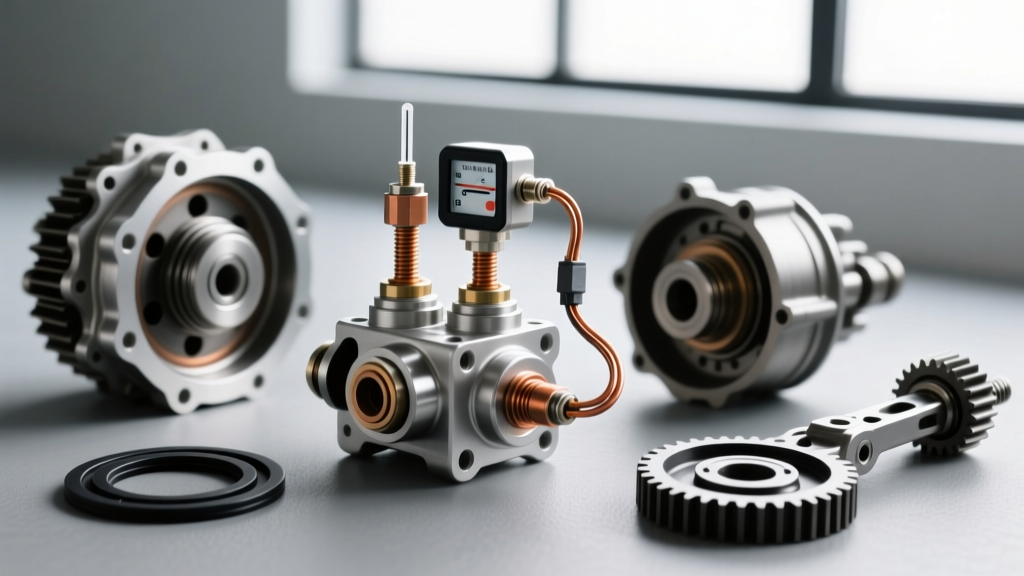
When your vehicle throws a P0717, P0720, or P0722 diagnostic trouble code, the immediate culprit is often a failed speed sensor. However, as any seasoned transmission specialist will tell you, the exact transmission speed sensor location is the single biggest wildcard in determining your final repair bill. A sensor itself is rarely a catastrophic expense; it is the labor required to access it that separates a $75 afternoon fix from a $2,000 dealership nightmare.
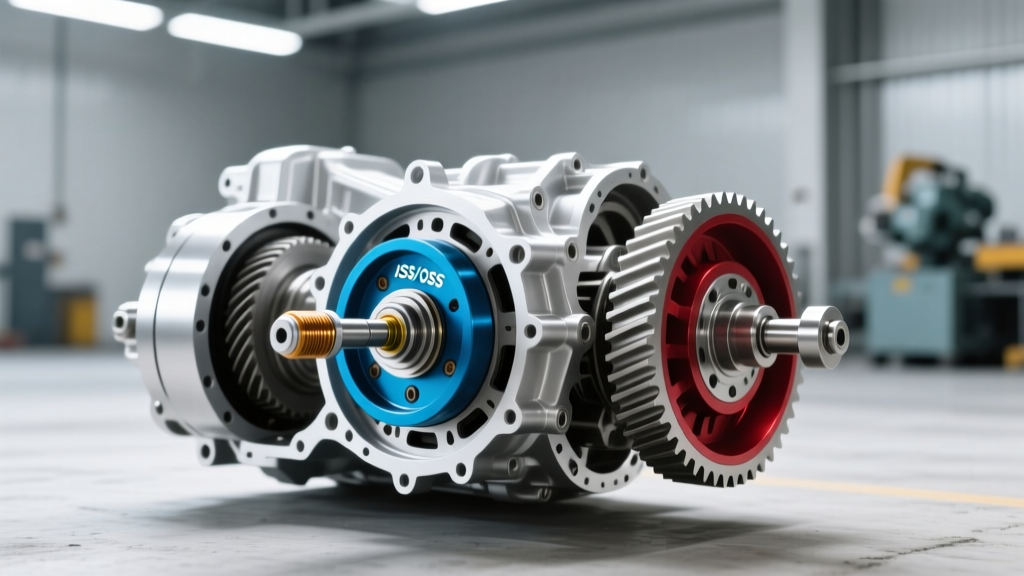
In 2026, with shop labor rates frequently hovering between $160 and $230 per hour, understanding where your Input Speed Sensor (ISS) or Output Speed Sensor (OSS) lives inside the drivetrain is critical for budgeting your repair. External sensors require nothing more than a 10mm socket and a few minutes of time. Internal sensors, however, demand fluid drainage, pan removal, and sometimes complete valve body or mechatronic unit extraction.
Cost Breakdown by Popular Transmission Models
Below is a comparative analysis of replacement costs based on current OEM and aftermarket parts pricing, paired with standard flat-rate labor times. Note that prices reflect average North American market rates for 2026.
| Transmission Model | Sensor Type | Location | Part Cost (Est.) | Labor Time | Total Est. Cost |
|---|---|---|---|---|---|
| GM 4L60E / 4L80E | VSS (Output) | External Tail Housing | $25 - $45 | 0.3 hrs | $75 - $120 |
| GM 6L80 / 6L90 | ISS / OSS | Internal Valve Body | $80 - $150 | 1.5 - 2.0 hrs | $320 - $610 |
| Ford 6R80 | OSS / ISS | Internal / Valve Body | $90 - $140 | 2.0 hrs | $410 - $600 |
| ZF 8HP (8HP70/45) | Turbine / Output | Mechatronic Integrated | $800+ (Module) | 4.0+ hrs | $1,500 - $2,800 |
GM 4L60E / 4L80E: The Tail-Housing VSS (Budget-Friendly)
The legendary GM 4L60E and its heavy-duty sibling, the 4L80E, feature an external Vehicle Speed Sensor (VSS) located on the passenger side of the extension (tail) housing. This is the most favorable location for a DIYer or a budget-conscious repair.
- Part Number: ACDelco 213-3243 (or equivalent Standard Motor Products SC114).
- Location: External tail housing, just above the output shaft reluctor ring.
- Torque Spec: 15 Nm (11 lb-ft) for the 10mm hold-down bolt.
- Fluid Loss: Negligible. You may lose a few drops of ATF, but the sensor sits above the static fluid level.
Expert Insight: Before replacing a 4L60E VSS, inspect the wiring harness. The harness routes dangerously close to the passenger-side exhaust manifold. Heat degradation and chafing against the bellhousing cause P0722 (No Output Speed Sensor Signal) codes far more frequently than the sensor itself failing. Always use a P0720 OBD2 code guide to verify wiring continuity before throwing a new part at the truck.
GM 6L80 / 6L90: Internal ISS and OSS (Moderate to High Labor)
GM’s 6-speed rear-wheel-drive family moved the speed sensors inside the transmission case to protect them from the elements and road debris. The Input Speed Sensor (ISS) and Output Speed Sensor (OSS) are mounted directly to the valve body assembly, reading the clutch hub reluctor rings.
- Part Number: ACDelco 242-5331 (OSS) / 242-5330 (ISS).
- Location: Internal, bolted to the lower valve body.
- Torque Spec: 8 Nm (71 lb-in) for the sensor retaining bolts. Do not overtighten, as the plastic sensor housings will crack.
- Fluid Requirement: Dropping the pan yields roughly 6 quarts of Dexron VI. A filter change is highly recommended while the pan is off.
Because the sensors are internal, the labor time jumps significantly. The technician must safely lower the vehicle, drain the fluid, remove the 18 pan bolts, and carefully lower the pan to avoid spilling residual fluid from the valve body recesses. While checking parts catalogs like RockAuto might show the sensors costing around $60 to $90 each, the mandatory fluid replacement and 1.5 to 2.0 hours of shop labor will push the invoice past $400.
ZF 8HP (BMW, Chrysler, Jaguar): The Mechatronic Integration (Premium Cost)
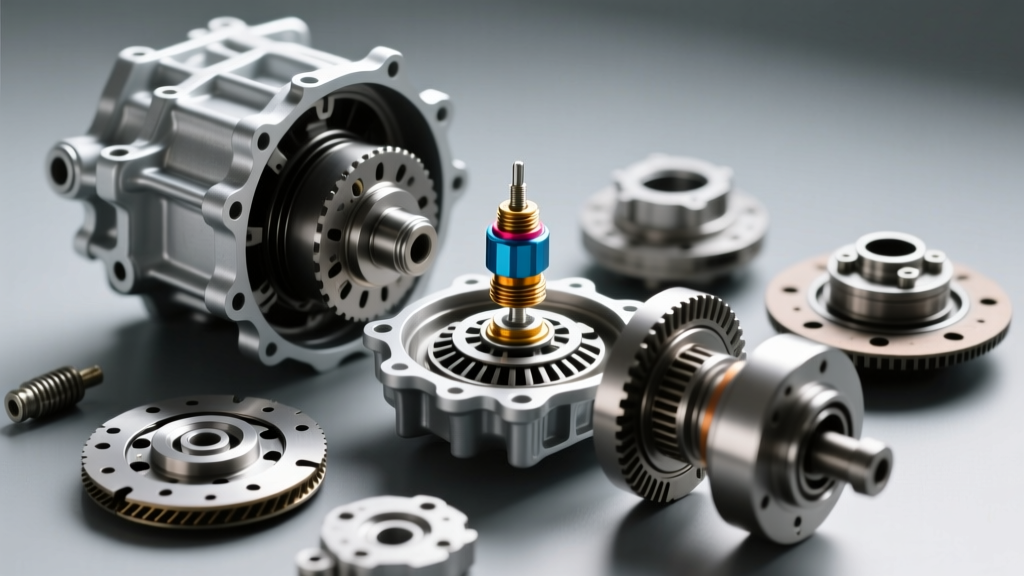
If you own a modern vehicle equipped with the ZF 8HP transmission (such as a Dodge Charger, BMW 3-Series, or Jaguar F-Type), a speed sensor failure is a worst-case scenario for your wallet. In the ZF 8HP architecture, the turbine speed and output speed sensors are not standalone, serviceable components. They are integrated directly into the Mechatronic unit (the combined valve body and Transmission Control Module).
According to ZF Aftermarket technical documentation, if an internal speed sensor fails or its soldered circuit board degrades, the entire Mechatronic unit must often be replaced or sent out for specialized rebuilding. Furthermore, the ZF 8HP requires strict adherence to fluid protocols.
- Fluid Type: ZF LifeguardFluid 8 (approx. $35 - $45 per liter).
- Total Capacity: 8.5 to 9.5 liters depending on the specific 8HP variant and torque converter.
- Programming: A new or rebuilt Mechatronic unit requires TCM flashing and adaptation resets via OEM-level software (e.g., BMW ISTA or WiTECH for Chrysler).
Warning: Never attempt to pry the speed sensor board out of a ZF Mechatronic unit on your workbench. The micro-soldered connections and delicate solenoid wiring will be destroyed, turning a potentially rebuildable core into scrap metal.
Hidden Costs: Programming, Fluid, and Diagnostics
When budgeting for a speed sensor replacement, the part and labor are only the baseline. Modern drivetrain repairs carry hidden costs that catch many vehicle owners off guard:
- TCM Reflashing: If your speed sensor issue triggered a Transmission Control Module (TCM) fault that locked the module into 'limp mode' or corrupted the adaptation tables, a dealership or specialized shop will charge 0.5 to 1.0 hours of labor just to flash the module with the latest calibration file. Expect to pay $120 to $200 for this software service.
- Fluid and Filter Kits: Internal sensor replacements mandate a fluid drain. For a 10-speed Ford 10R80 or a GM 10L90, you are looking at 12 to 14 quarts of specialized synthetic ATF (like Mercon ULV or Dexron ULV), which can easily add $150 to $200 in materials alone to your repair ticket.
- Oscilloscope Diagnostics: A professional diagnostic fee ($150-$250) is often required to hook an oscilloscope to the sensor circuit. This verifies the square-wave signal pattern and rules out a cracked reluctor ring on the output shaft, which would mimic a dead sensor.
Step-by-Step Diagnostic Checklist Before Replacing
Before you order a new sensor or authorize a shop to drop your transmission pan, run through this expert-level checklist to ensure you aren't misdiagnosing the fault:
- Check the Reluctor Ring: On high-mileage external VSS setups, the teeth on the output shaft reluctor ring can accumulate metallic debris or suffer physical damage. A damaged ring will cause erratic speedometer readings and P0722 codes, even with a brand-new sensor.
- Inspect Connector Pins: Transmission fluid can wick up through the sensor harness via capillary action if the internal O-ring seals fail. Pull the electrical connector and look for ATF inside the plastic plug. If fluid is present, the pigtail harness must be replaced to prevent fluid from reaching and destroying the TCM.
- Verify Grounds: Speed sensors rely on a clean 5V reference and a solid ground. Use a digital multimeter to back-probe the harness. If your reference voltage drops below 4.8V, you likely have a wiring chafe or a failing TCM, not a bad sensor.
Ultimately, knowing your specific transmission speed sensor location empowers you to negotiate with repair shops, decide whether a DIY approach is viable, and accurately forecast the true cost of keeping your vehicle shifting smoothly on the road.