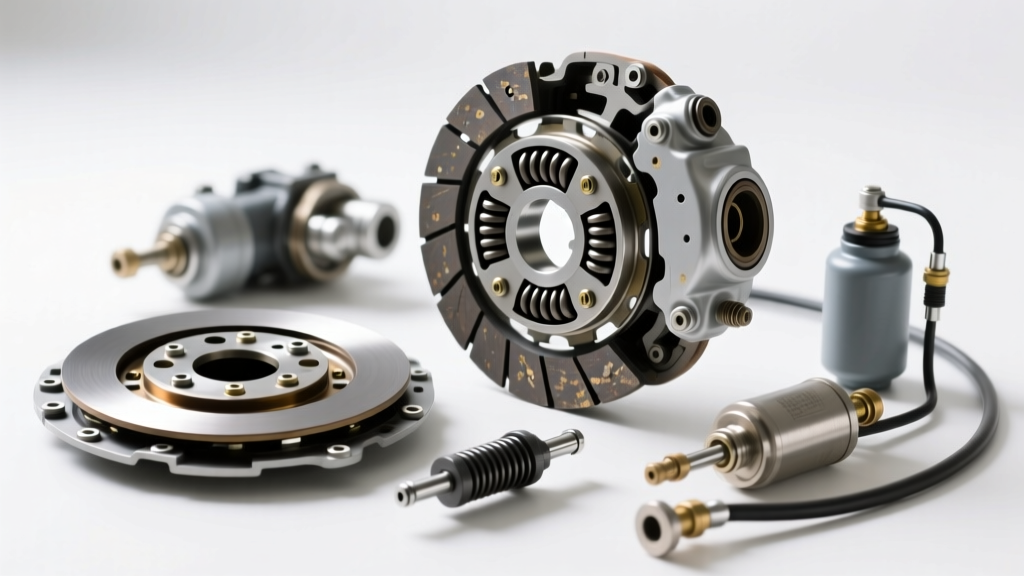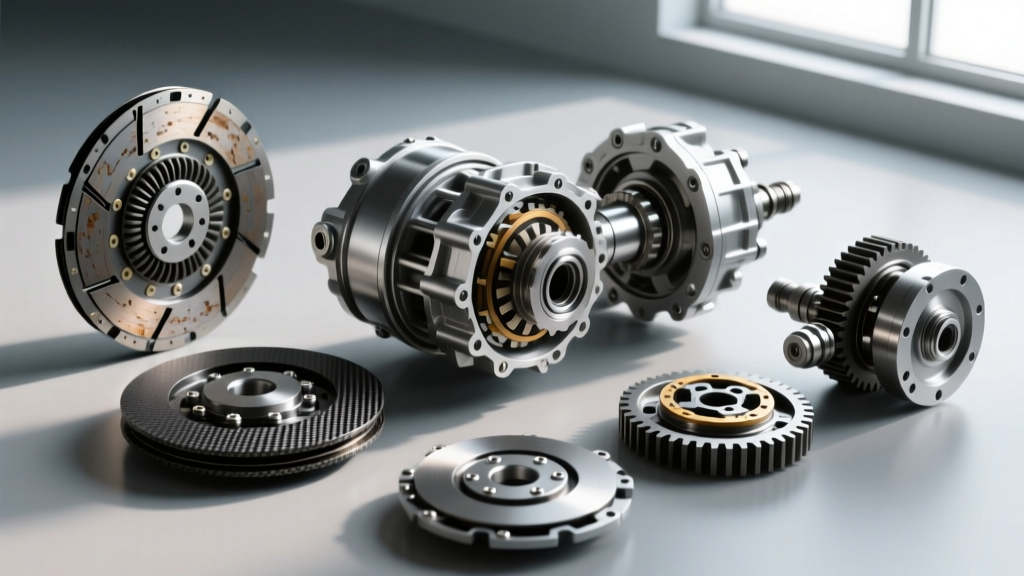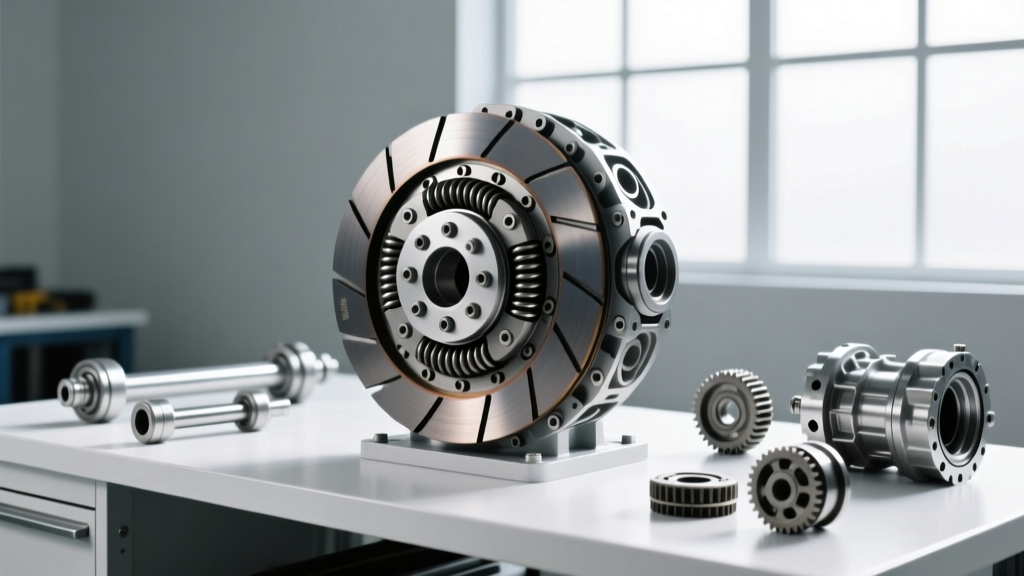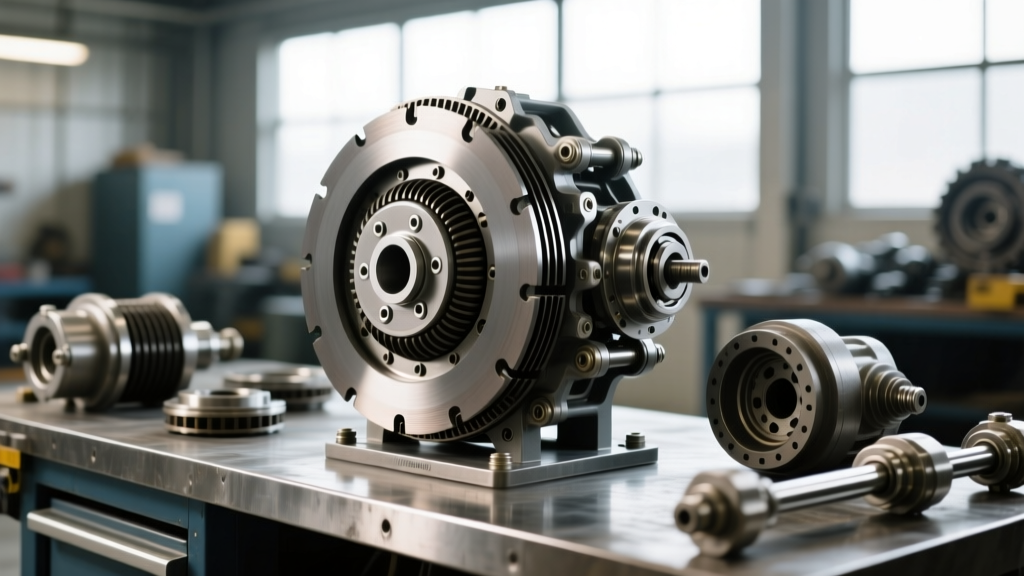
The High-Torque Reality: Why Heavy-Duty Clutches Slip
As we navigate the 2026 landscape of high-torque diesel tuning and heavier OEM towing packages, the manual transmission remains a critical bottleneck for power delivery. For owners of Ram Cummins, Ford PowerStroke, and Chevy Duramax platforms, the South Bend Clutch facility in Mishawaka, Indiana, has long been the gold standard for heavy-duty friction solutions. However, even a premium dual-disc ceramic or Kevlar setup is not immune to the physics of friction decay. Clutch slippage is not merely an annoyance; it is a progressive failure mode that generates catastrophic heat, glazes friction surfaces, and ultimately destroys the flywheel and pressure plate assembly.
From a preventive maintenance perspective, diagnosing clutch slip early and adhering to strict installation and break-in protocols is the difference between a 150,000-mile service life and a premature $2,500 teardown. This guide explores the precise symptoms of clutch slippage, diagnostic frameworks to isolate hydraulic vs. mechanical failure, and the exact maintenance protocols required to keep your drivetrain locked and loaded.
4 Definitive Symptoms of Clutch Slippage
Clutch slippage occurs when the friction material cannot maintain the static friction coefficient required to lock the engine's rotational mass to the transmission input shaft. In high-torque applications (such as a 6.7L Cummins pushing 800 lb-ft of torque), the symptoms manifest in distinct ways:
- RPM Flare Under Load: The most classic symptom. While accelerating in 3rd or 4th gear under heavy throttle or while towing up a grade, the engine RPMs will spike without a corresponding increase in vehicle speed. This indicates the friction disc is breaking its static bond with the flywheel.
- Engagement Point Migration: If your clutch pedal historically engaged at the middle of the stroke but now only catches at the very top of the pedal travel, the friction material has worn significantly. This reduces the clamping force geometry of the diaphragm spring.
- Olfactory Evidence (The 'Burnt' Smell):strong> Organic and Kevlar friction materials emit a distinct, acrid odor when overheated. Ceramic and sintered iron materials (like those in South Bend's Stage 3 kits) are more heat-resistant but will still produce a metallic burning smell if subjected to prolonged slip, often accompanied by visible smoke from the bell housing inspection cover.
- Chatter Masquerading as Slip: Sometimes, a slipping sensation upon initial take-off is actually clutch chatter caused by hot spots on the flywheel or oil contamination from a leaking rear main seal or transmission input shaft seal. The friction material grabs and releases rapidly, mimicking a slip.
Preventive Maintenance: The 500-Mile Break-In Protocol
The majority of premature clutch slippage in heavy-duty trucks stems from improper break-in procedures. When installing a new South Bend Clutch kit—such as the popular DD3250 Daily Driver Dual Disc or the SDD3250-6 Stage 3—the friction surfaces are microscopic peaks and valleys. The break-in process is designed to wear these peaks down, creating a uniform mating surface between the disc, pressure plate, and flywheel.
Strict Break-In Rules for 2026 Heavy-Duty Platforms
- Miles 0 to 500: No towing exceeding 5,000 lbs. No wide-open throttle (WOT) pulls. No engine braking (exhaust brakes or Jake brakes) which places extreme reverse torque on the friction surfaces before they are fully seated.
- Stop-and-Go Management: Avoid riding the clutch pedal in heavy traffic. 'Feathering' the clutch to creep forward generates localized heat that will instantly glaze ceramic or Kevlar compounds, leading to permanent slippage.
- Hydraulic System Bleeding: Air trapped in the clutch hydraulic line prevents the throw-out bearing from fully retracting, causing constant, slight pressure on the diaphragm fingers. This results in micro-slippage at highway speeds. Always perform a gravity bleed followed by a manual pressure bleed using DOT 4 fluid.
Crucial Torque Specifications and Installation Tolerances
Preventing slip begins on the installation bench. If the flywheel is not torqued correctly, or if the input shaft alignment is off by a fraction of a millimeter, the clutch will drag, overheat, and slip. Below are the baseline specifications for pairing a South Bend dual-disc kit with the ubiquitous G56 and NV5600 manual transmissions found in Cummins-powered Ram trucks.
| Component | Specification / Torque | Tool / Method | Preventive Notes |
|---|---|---|---|
| Flywheel to Crankshaft (Cummins 5.9L/6.7L) | 135 ft-lbs | Torque wrench + star pattern | Use new OEM bolts; apply medium-strength thread locker. Max runout: 0.005 inches. |
| Pressure Plate to Flywheel | 35 ft-lbs | Torque wrench + star pattern | Ensure alignment dowels are seated. Do not use impact guns for final torque. |
| Clutch Fork Pivot Ball | 24 ft-lbs | Socket wrench | Inspect for wear grooves; apply high-temp moly grease to prevent binding. |
| Slave Cylinder Pushrod Clearance | 0.050" - 0.100" air gap | Feeler gauge | Critical for hydraulic systems to allow full bearing retraction and prevent slip. |
| Pilot Bearing Depth | Flush to 0.020" recessed | Depth micrometer | Improper depth causes input shaft bind, leading to drag and friction glazing. |
Diagnostic Flowchart: Is It Slipping or Is It Hydraulic?
Before pulling the transmission to replace a suspected slipping clutch, you must rule out hydraulic bypass. A failing clutch master cylinder or a leaking slave cylinder can fail to fully disengage the clutch (causing gear grind) or fail to maintain pressure, allowing the pedal to slowly sink and the clutch to slip under heavy load.
The Pedal Hold Test
With the engine off, pump the clutch pedal three times to build hydraulic pressure. Press the pedal to the floor and hold it there with steady foot pressure for 60 seconds. If the pedal slowly rises against your foot, or if it sinks toward the floor, you have internal bypass in the master cylinder or an external leak at the slave cylinder. Replace the hydraulic assembly (South Bend's OFHYB-2 heavy-duty hydraulic upgrade kit is highly recommended for resolving OEM plastic line failures) before condemning the friction disc.
The Stall Test (Use with Extreme Caution)
To definitively test mechanical friction holding capacity, perform a stall test. Find an empty, flat surface. Engage the parking brake fully. Put the transmission in 4th gear. Slowly release the clutch pedal while applying moderate throttle.
Result A: The engine bogs down and stalls. The clutch friction material is healthy and holding.
Result B: The engine continues to run, and RPMs climb while the pedal is fully released. The clutch is mechanically slipping and requires immediate replacement.
Warning: Do not perform this test on ceramic or sintered iron dual-disc clutches for more than 3-5 seconds. The extreme heat generated without airflow can instantly glaze the friction surfaces, causing the very slippage you are trying to diagnose.
Cost Analysis: Rebuilding vs. Replacing South Bend Kits
When diagnosis confirms mechanical slippage, the decision shifts to replacement economics. Unlike OEM light-duty clutches, heavy-duty multi-disc systems have specific replacement protocols.
- Friction Disc Replacement Only ($350 - $500): If the flywheel and pressure plate are within SAE engineering tolerances for flatness and spring tension, you may only need to replace the friction discs. However, dual-disc flywheels must be CNC resurfaced as a matched set. Standard automotive machine shops often lack the precision fixtures for heavy-duty dual-disc flywheels, requiring mail-in service to specialized facilities.
- Complete Kit Replacement ($1,100 - $1,500): For trucks running over 500 rear-wheel horsepower, replacing the entire South Bend SDD3250-6 kit is the only reliable preventive measure. This includes new forged pressure plates, billet flywheels, and fresh ceramic discs. Attempting to reuse a heat-cycled pressure plate diaphragm spring will result in immediate slippage upon reinstallation due to loss of clamping force.
- Hydraulic and Throw-Out Bearing Upgrades ($250 - $400): Never reuse an OEM plastic hydraulic line or a worn throw-out bearing when addressing a slipping clutch. The labor cost to drop a G56 or ZF S6-650 transmission (often $1,200+ in shop labor) makes skimping on $300 worth of preventive hydraulic and bearing components a catastrophic financial error.
Final Thoughts on Drivetrain Longevity
Clutch slippage is rarely a sudden event; it is the culmination of ignored maintenance, improper break-in, or hydraulic neglect. By treating your South Bend Clutch system as a precision instrument rather than a wear item, monitoring engagement points, and adhering to strict torque and clearance specifications, you can reliably transfer massive torque to the pavement without the fear of friction failure. Stay proactive, keep your hydraulic fluid clean, and respect the break-in miles to ensure your rig is ready for the heaviest demands of the road.