The Economics of Clutch Hydraulic System Bleeding
When a manual transmission exhibits spongy pedal feel, gear grinding, or incomplete disengagement, the culprit is often trapped air within the hydraulic circuit. While the mechanical act of purging air seems simple, the financial reality of servicing a clutch hydraulic slave cylinder varies wildly based on component architecture, tooling, and labor rates. In 2026, with shop labor rates averaging between $140 and $220 per hour, understanding the cost breakdown of bleeding procedures is essential for both DIY enthusiasts and professional technicians.
This guide dissects the exact costs associated with clutch hydraulic system bleeding procedures, contrasting external setups with internal Concentric Slave Cylinders (CSC), and evaluates the return on investment for various bleeding methodologies.
External vs. Concentric Slave Cylinder (CSC) Labor Discrepancies
The single largest variable in your cost analysis is the physical location of the slave cylinder. The bleeding procedure itself takes roughly the same amount of time, but the access required dictates the final invoice.
External Slave Cylinders
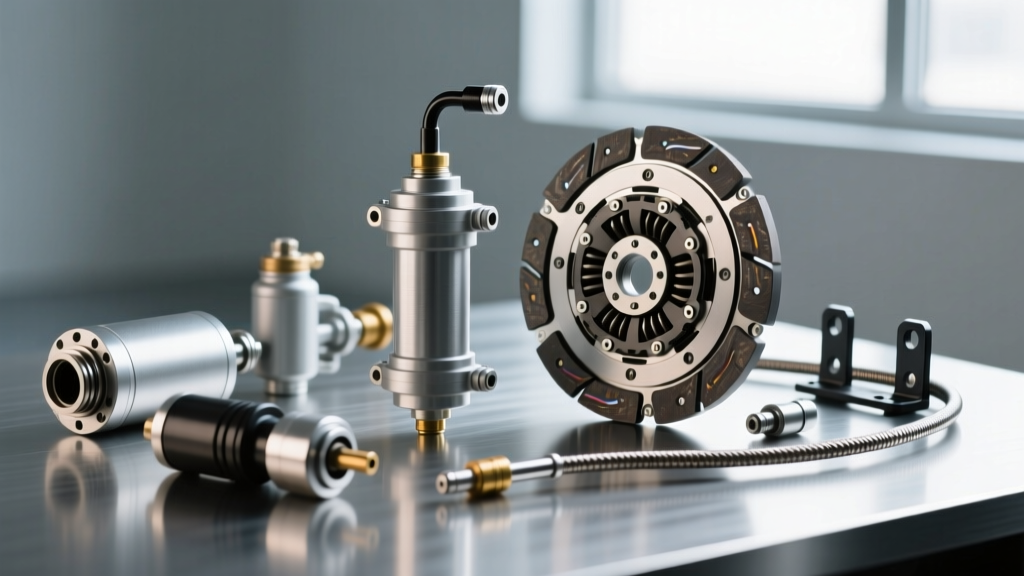
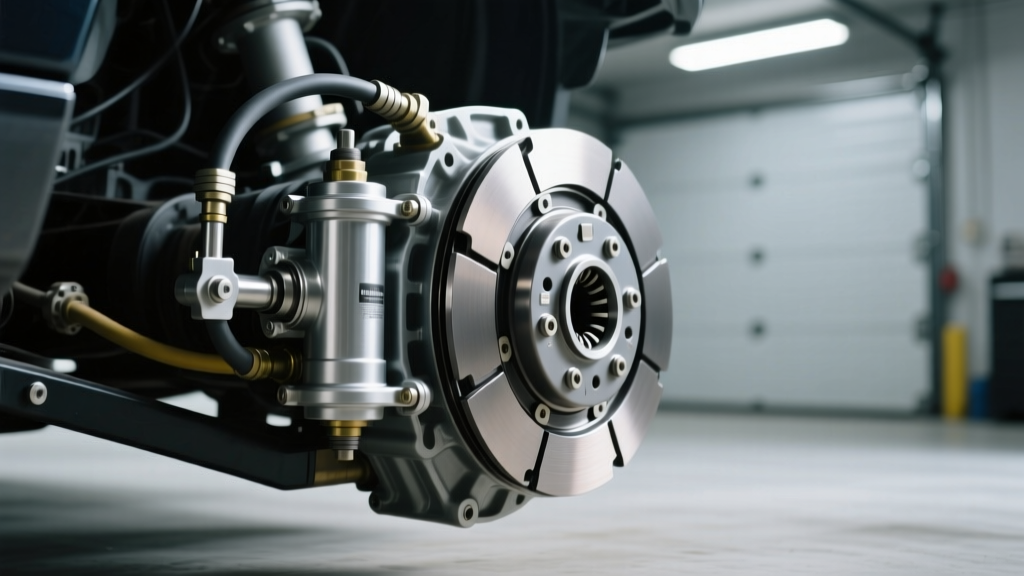
Found on older platforms and specific modern applications like the Ford MT-82 (Mustang GT), external slave cylinders mount on the outside of the transmission bell housing. Bleeding this system is a straightforward 15-to-30-minute job. If you are simply flushing the fluid or bleeding after a master cylinder replacement, professional labor will typically cost between $45 and $75 (roughly 0.3 to 0.5 billable hours).
Internal Concentric Slave Cylinders (CSC)
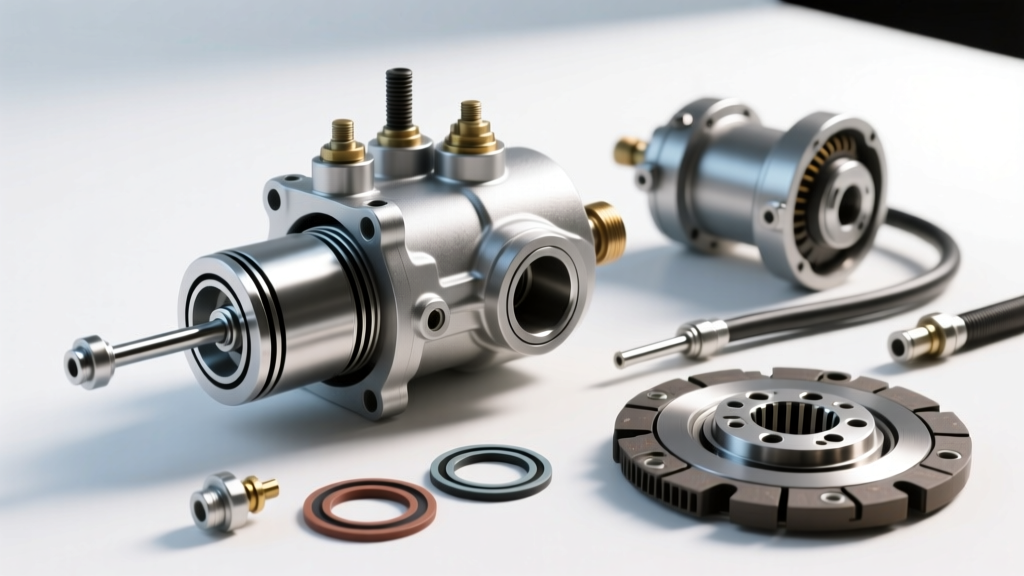
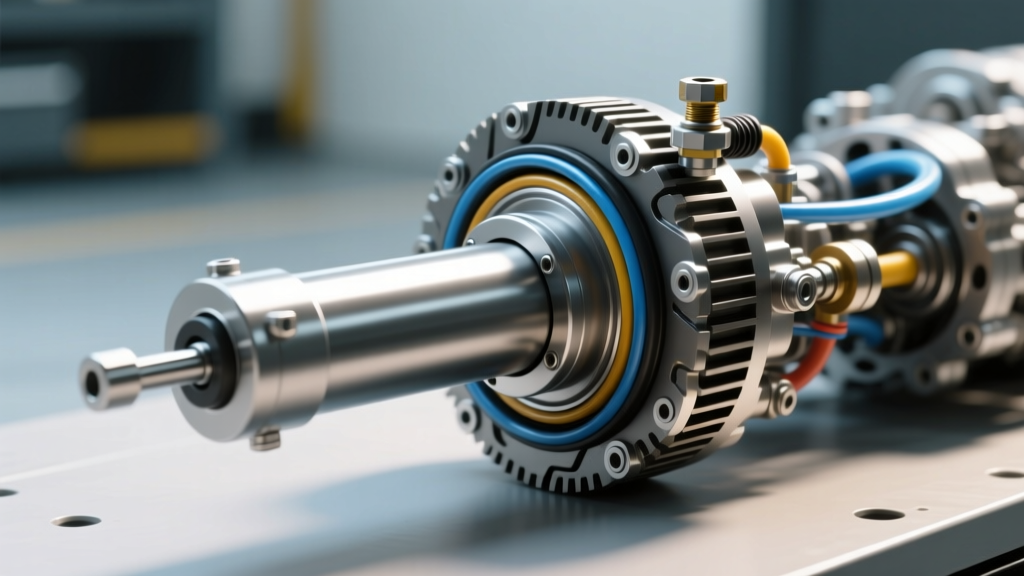
Modern performance and passenger vehicles—such as those utilizing the Tremec TR-6060 or GM 8-speed manual architectures—rely on a CSC that wraps around the transmission input shaft. You cannot access the bleeder valve without dropping the transmission. Therefore, the 'cost of bleeding' is intrinsically tied to the cost of a transmission removal and reinstallation (R&R). Shop labor for a CSC replacement and subsequent bleed ranges from $900 to $1,600, depending on whether the vehicle requires subframe removal or exhaust teardowns.
2026 Fluid and Tool Cost Breakdown
Using the correct fluid is non-negotiable. Clutch systems operate under high thermal stress near the exhaust and bell housing. Using cheap, non-compliant fluid leads to rubber seal degradation in the master cylinder and slave cylinder, turning a $20 fluid swap into a $400 component replacement.
| Fluid Type / Brand | Specification | Dry Boiling Point | Avg. Cost (1 Liter) | Best Application |
|---|---|---|---|---|
| Prestone DOT 3 | FMVSS 116 DOT 3 | 401°F (205°C) | $6.50 | Economy daily drivers, low-heat |
| Castrol SRF | DOT 4 / Racing | 590°F (310°C) | $85.00 | Track cars, heavy-duty towing |
| Motul RBF 600 | DOT 4 | 594°F (310°C) | $24.00 | Performance street, Tremec TR-6060 |
| Valvoline DOT 4 | FMVSS 116 DOT 4 | 446°F (230°C) | $9.00 | Standard OEM replacements |
Note: Never use DOT 5 (silicone-based) fluid in a standard hydraulic clutch system, as it does not absorb moisture and will cause localized boiling and seal failure. Always verify your OEM cap specification.
Bleeding Methodologies: Cost vs. Efficacy
How you bleed the system directly impacts fluid waste, time spent, and the risk of introducing micro-bubbles into the slave cylinder. Here is a cost-benefit analysis of the four primary bleeding procedures.
1. Gravity Bleeding (Cost: $0)
Gravity bleeding involves opening the bleeder valve and letting fluid slowly drip into a catch pan while keeping the master cylinder reservoir full. While the tool cost is zero, this method is highly inefficient for clutch systems. The hydraulic lines often route upward and downward through the chassis, creating natural air traps that gravity cannot overcome. Verdict: High risk of failure; not recommended for modern CSC setups.
2. Two-Person Pump-and-Hold (Cost: $0)
The traditional method requires an assistant to pump the clutch pedal while the technician cracks the bleeder valve. This method often costs you money in wasted fluid and time. If the assistant allows the pedal to snap back too quickly, or if the master cylinder draws air past the primary cup seal due to worn internal bores, you will contaminate the system. Verdict: Acceptable for external slaves, but frustrating and time-consuming.
3. Pressure Bleeding (Tool Cost: $60 - $85)
Using a tool like the Motive Products Power Bleeder, you pressurize the master cylinder reservoir to 12-15 PSI and push fluid down to the slave cylinder. This ensures a constant, unidirectional flow that forces micro-bubbles out of the CSC cavity. For a DIYer doing multiple vehicles, the $65 investment pays for itself after two flushes by eliminating the need for a second person and preventing fluid spills on garage floors. Verdict: The gold standard for external and accessible internal bleeder valves.
4. Vacuum Bleeding (Tool Cost: $40 - $70)
A vacuum bleeder (like the Mityvac MV6835) pulls fluid from the reservoir down through the slave cylinder. This is particularly useful when bench-bleeding a CSC before installation (more on this below). However, if the bleeder valve threads are worn, a vacuum bleeder will pull air past the threads, giving you a false diagnosis of a failing master cylinder. Verdict: Excellent for bench-bleeding, but requires pristine bleeder valve threads.
The $1,500 Mistake: Skipping the CSC Bench-Bleed
The most expensive mistake in clutch hydraulic system bleeding procedures occurs when technicians install a dry Concentric Slave Cylinder. Internal CSCs (such as the LUK RS600022 for GM applications or Sachs SH5008 for Ford) feature complex internal galleries surrounding the release bearing. If installed dry, air becomes trapped in the upper galleries, and no amount of pedal pumping will purge it.
The Cost of Failure: If a shop installs a dry CSC and fails to achieve a firm pedal, they must drop the transmission again to remove the CSC, bench-bleed it, and reinstall it. This turns a standard 6-hour job into a 12-hour job, adding $800 to $1,200 in wasted labor.
The $20 Solution: Before installation, connect a vacuum bleeder to the CSC's integrated bleeder screw. Submerge the CSC inlet port in a cup of clean DOT 4 fluid, and pull a vacuum until the fluid fills the bearing cavity and no bubbles are visible. This 5-minute bench procedure guarantees a one-install success rate.
OEM Torque Specifications & Component Data
Overtorquing a bleeder valve is a common DIY error that results in a sheared valve, requiring the replacement of the entire slave cylinder. Below are exact specifications for popular manual transmission platforms. Always consult RockAuto or your factory service manual for specific part cross-references.
| Vehicle / Platform | Transmission | Slave Type | Bleeder Valve Torque | Line Fitting Torque |
|---|---|---|---|---|
| 2010-2015 Camaro SS | Tremec TR-6060 | Internal (CSC) | 10-12 Nm (89-106 lb-in) | 25 Nm (Banjo Bolt) |
| 2011-2017 Mustang GT | Getrag MT-82 | External | 8-10 Nm (71-89 lb-in) | 15 Nm (Flare Nut) |
| 2006-2011 Civic Si | Honda 6-Speed | External | 9-11 Nm (80-97 lb-in) | 22 Nm (Banjo Bolt) |
| 2009-2012 Porsche 911 | G50 / G97 | Internal (CSC) | 10 Nm (89 lb-in) | 18 Nm (Hardline Flare) |
Pro Tip: When tightening hydraulic line fittings, always use a crowfoot wrench or a dedicated flare-nut wrench to avoid rounding the soft brass or aluminum fittings. Replacing a crushed hardline can add $150+ in parts and routing labor.
Hidden Costs: Contaminated Fluid and Master Cylinder Failure
Clutch hydraulic systems share a unique vulnerability: the master cylinder is mounted directly to the firewall, often above the driver's side carpet. If a technician is careless during the bleeding procedure and allows DOT fluid to overflow the reservoir, the fluid will eat through the interior paint, ruin the carpet padding, and degrade the wiring harness insulation. Detailing and interior repair costs can easily exceed $300.
Furthermore, if the system has not been bled in 5+ years, the polyglycol ether base of the DOT fluid absorbs ambient moisture (hygroscopy). This water settles in the lowest point of the system—the slave cylinder. Over time, it causes internal pitting in the aluminum bore of the slave cylinder. If you attempt to bleed a severely neglected system by rapidly pumping the pedal, the master cylinder's primary seal will travel over areas of the bore it normally doesn't touch, tearing the seal on rust or debris. This turns a simple $15 fluid bleed into a $250 master-and-slave cylinder replacement job.
Summary: Optimizing Your Bleeding Budget
To minimize costs when addressing a clutch hydraulic slave cylinder, preparation is paramount. For external setups, invest $65 in a quality pressure bleeder and $24 in a liter of Motul RBF 600. This $89 investment guarantees a factory-firm pedal and protects your hydraulic seals from thermal degradation. For internal CSC applications, the bleeding procedure must be treated as a surgical benchmark of the transmission R&R process. Never skip the vacuum bench-bleed, adhere strictly to the 10-12 Nm torque limits on bleeder screws, and verify your hardline fittings before filling the reservoir. For more technical data on manual drivetrain architectures, refer to the engineering resources available at Tremec.