The Truth Behind the '2016 Silverado Torque Converter Recall'
When owners search for the 2016 silverado torque converter recall, they are usually chasing a solution to the infamous highway-speed shudder that plagues GM's full-size trucks. As of 2026, thousands of Silverado and Sierra owners have experienced this violent vibration, typically occurring between 40 and 55 mph under light throttle. While the internet is flooded with rumors of a massive NHTSA-mandated recall, the reality is rooted in a series of critical Technical Service Bulletins (TSBs)—most notably TSB 18-NA-355—and high-profile class-action lawsuits regarding torque converter clutch (TCC) failures.
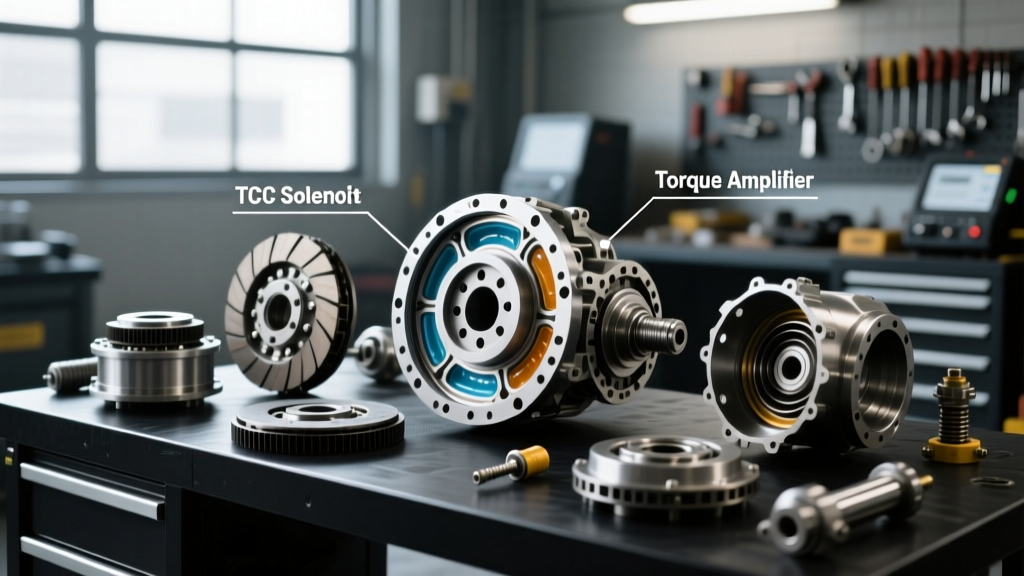
The root cause of this shudder is rarely a single defective part; rather, it is a complex interaction between degraded transmission fluid, valve body wear, and torque converter clutch solenoid problems. In the 2016 Silverado 1500, equipped primarily with the 6L80 (RPO MYC) transmission, and the HD models utilizing the Allison or GM 8L90 (RPO MGU), the TCC Pulse Width Modulated (PWM) solenoid is the critical gateway to lockup efficiency. When this solenoid fails to regulate hydraulic pressure precisely, the torque converter slips, glazing the clutch lining and creating the dreaded shudder.
Anatomy of TCC Solenoid Failure in the 6L80 and 8L90
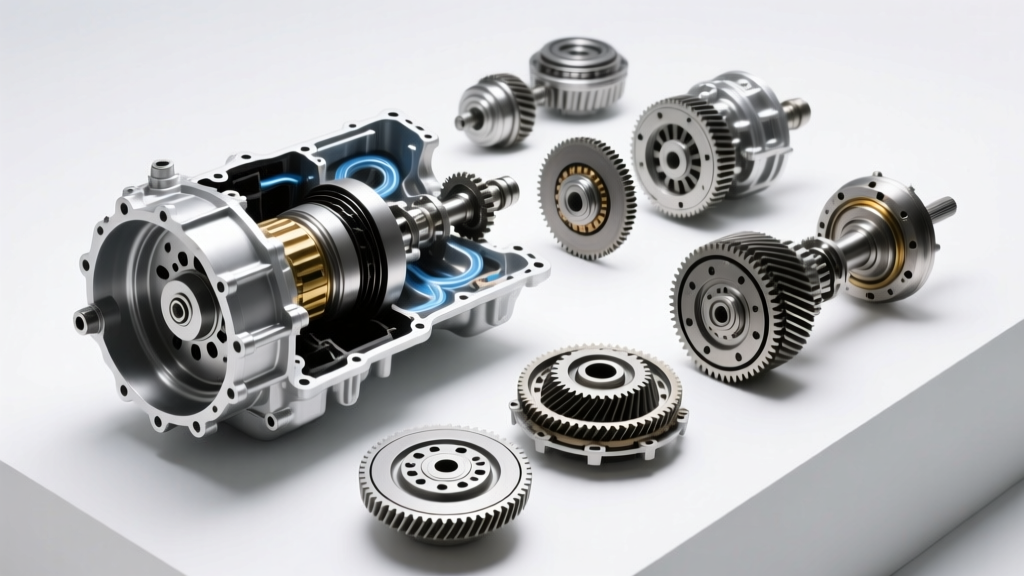
To properly diagnose the issue, transmission specialists must look inside the Transmission Electro-Hydraulic Control Module (TEHCM). In GM's 6-speed and 8-speed longitudinal transmissions, the solenoids are not standalone components wired back to the PCM; they are integrated into the TEHCM or the internal solenoid pack mounted directly to the valve body.
Why the TCC Solenoid Fails
- Micro-Debris Contamination: The TCC PWM solenoid features a microscopic internal filter screen. As the torque converter clutch material wears during normal operation, microscopic friction material bypasses the main pan filter and lodges in the solenoid screen, restricting fluid flow and causing erratic lockup apply.
- Separator Plate Orifice Wear: The steel separator plate between the valve body and the transmission case can suffer from 'checkball wear.' When the checkballs batter the orifice controlling TCC apply pressure, the solenoid cannot compensate for the hydraulic bleed, resulting in P0741 (TCC Stuck Off) or P2763 (TCC Pressure Control Solenoid High) codes.
- TEHCM Micro-Switch Fatigue: The internal pressure switches inside the TEHCM that monitor TCC hydraulic circuits can suffer from solder joint fatigue due to extreme thermal cycling, leading to false slip readings and forced limp-mode engagement.
Diagnostic Matrix: Reading GDS2 Data for TCC Slip
Before dropping the transmission pan or throwing parts at the truck, an expert diagnosis requires a bi-directional scan tool (like GM's GDS2 or a high-end aftermarket tool like an Autel MaxiSys) to monitor live TCC data. Relying solely on OBD-II codes is a rookie mistake; many solenoid problems manifest as shudder long before a Check Engine Light is triggered.
| Live Data Parameter | Normal Operating Value | Failing Solenoid / Glazed Clutch Value | Expert Interpretation |
|---|---|---|---|
| TCC Slip RPM | -10 to +15 RPM (Locked) | > 45 RPM (Fluctuating) | Solenoid is failing to hold apply pressure, or clutch friction material is burnt. |
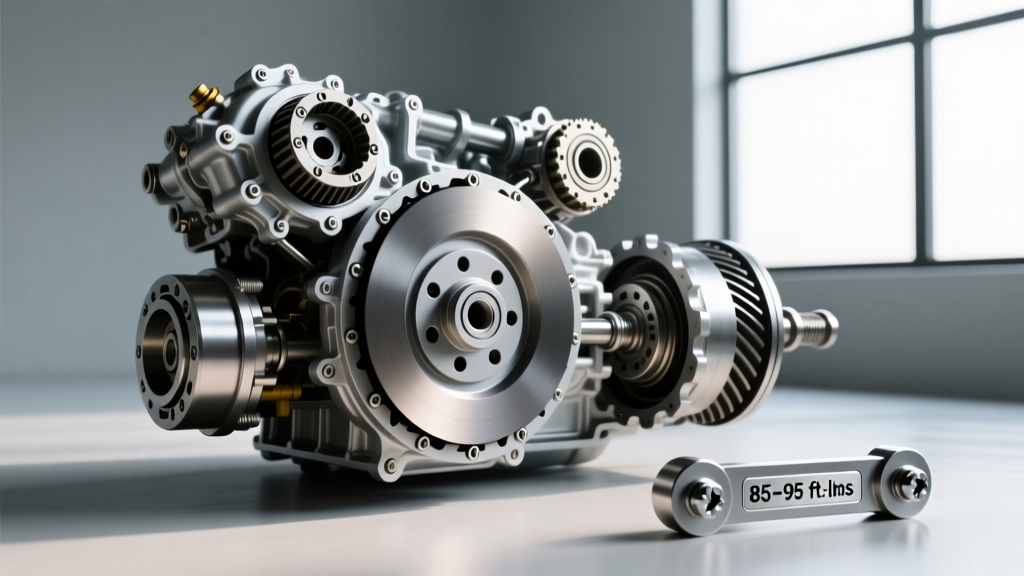
| TCC PWM Duty Cycle | 85% - 95% (Full Lockup) | 100% (Max Command) | PCM is maxing out the solenoid to compensate for a hydraulic leak in the valve body or TC hub. |
| TFT (Trans Fluid Temp) | 180°F - 205°F | > 225°F | Excessive TCC slip is generating severe heat, rapidly degrading Dexron VI / ULV fluid. |
Expert Repair Protocol: Beyond the Dealership 'Flush'
Many dealerships will attempt to resolve the 2016 Silverado shudder by simply flushing the fluid and adding a friction modifier. While GM's initial TSB suggested this, experienced transmission builders know this is a temporary band-aid. If the shudder has been present for more than 3,000 miles, the torque converter clutch is permanently glazed, and the TCC solenoid screen is choked with debris. Here is the definitive repair protocol.
Step 1: Pan Inspection and Fluid Analysis
Drop the transmission pan. The 6L80 requires ACDelco Dexron VI, while the 8L90 requires the highly specific ACDelco Dexron ULV (Ultra Low Viscosity). Do not mix these. Inspect the pan magnets. A fine gray paste is normal; however, if you find copper-colored bushing material or thick, black, burnt-smelling sludge, the torque converter is already destroyed, and a solenoid replacement alone will not save the transmission.
Step 2: TEHCM and Solenoid Pack Replacement
If the fluid is relatively clean but TCC slip data is poor, the TEHCM must be replaced. For the 6L80, the TEHCM (Part # 24252114, though calibration-dependent) sits inside the pan. Critical Torque Specs:
- TEHCM to Valve Body Bolts: 8 Nm (71 lb-in)
- Transmission Pan Bolts: 10 Nm (89 lb-in)
- Valve Body to Case Bolts: 11 Nm (97 lb-in)
Warning: A new TEHCM is completely blank. It requires SPS (Service Programming System) via GM's Techline Connect to flash the vehicle-specific VIN and calibration files. Without this, the truck will not shift and will throw a P0601 Internal Control Module Memory Check Sum Error.
Step 3: Torque Converter and Hub Replacement
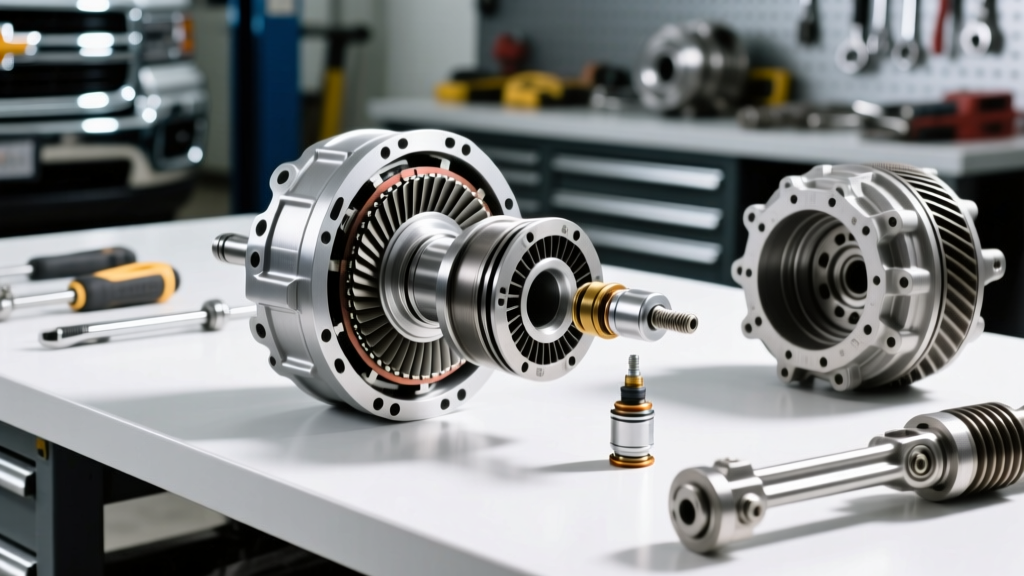
If the TCC solenoid failed due to debris, or if the clutch is glazed, the torque converter must be cut open, cleaned, and rebuilt, or replaced entirely with a remanufactured unit featuring an upgraded billet stator and high-friction carbon clutch lining. Furthermore, inspect the transmission input shaft and the torque converter hub where the TCC sealing rings ride. If the hub is scored, hydraulic pressure will bleed off, mimicking a failed solenoid.
Cost Breakdown: Dealership vs. Independent Specialist (2026 Estimates)
As these trucks age out of their 5-year/100,000-mile powertrain warranties, owners are facing steep out-of-pocket repair bills. Below is a realistic cost matrix for resolving TCC solenoid and shudder issues on a 2016 Silverado 1500 (6L80).
| Repair Scenario | Dealership Cost | Indy Trans Shop Cost | Longevity Expectancy |
|---|---|---|---|
| Fluid Flush & TSB Update Only | $350 - $500 | $250 - $350 | Poor (Shudder returns in 10k miles if clutch is glazed) |
| TEHCM Replacement + SPS Flash | $1,100 - $1,400 | $800 - $1,000 | Good (If TC clutch is not yet damaged) |
| Full Job: TC, TEHCM, Valve Body, Fluid | $3,800 - $4,500 | $2,600 - $3,200 | Excellent (Permanent fix for the life of the truck) |
Navigating the Class-Action and Warranty Extensions
Because the shudder issue was so widespread, GM faced immense pressure, resulting in warranty extensions for specific VIN ranges affected by the torque converter shudder. While not a traditional safety 'recall' that you can look up on the NHTSA Recall Database under the safety defect category, it is treated as a major customer satisfaction program. According to extensive reporting by GM Authority regarding the class-action lawsuits, owners who experienced documented shudder prior to the expiration of their extended coverage windows were often eligible for subsidized TEHCM and torque converter replacements.
If you are purchasing a used 2016 Silverado in 2026, demand maintenance records showing that the TEHCM has been updated and the transmission fluid was changed using the exact OEM specification. As noted by the engineering teardowns at Transmission Digest, the integration of electronics and hydraulics in the 6L80 and 8L90 means that fluid degradation directly destroys electronic solenoid components. Ignoring a minor shudder today will result in a catastrophic TEHCM short-circuit tomorrow.
Final Best Practice for Owners
Do not ignore a light vibration at highway speeds. The moment you feel the 'driving over rumble strips' sensation, pull over and monitor your TCC Slip RPM. Catching a sticking TCC PWM solenoid before it burns the clutch lining is the difference between an $800 TEHCM repair and a $3,500 transmission removal. Treat your 6L80/8L90 to a severe-duty fluid exchange every 45,000 miles, and your Silverado's drivetrain will easily surpass the 250,000-mile mark.