The Economics of IFS Axle Maintenance
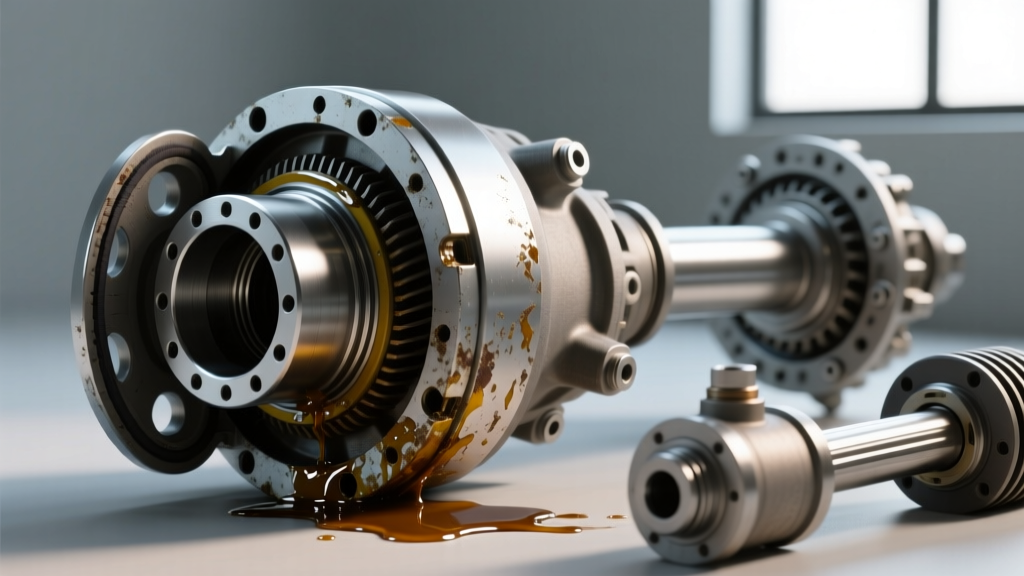
When managing the longevity of GM's full-size trucks, the silverado front differential is often the most neglected component in the drivetrain. Unlike the solid rear axle, which is a self-contained, easily serviced pumpkin, the front Independent Front Suspension (IFS) differential is bolted directly to the engine crossmember and oil pan. This exposes the gear oil to immense radiant heat from the engine and exhaust manifolds, accelerating fluid degradation. For 2026 model year maintenance planning, understanding the true cost and mechanical necessity of this service is critical for any Silverado 1500 or 2500HD owner.
Deconstructing the 'Sealed for Life' Myth
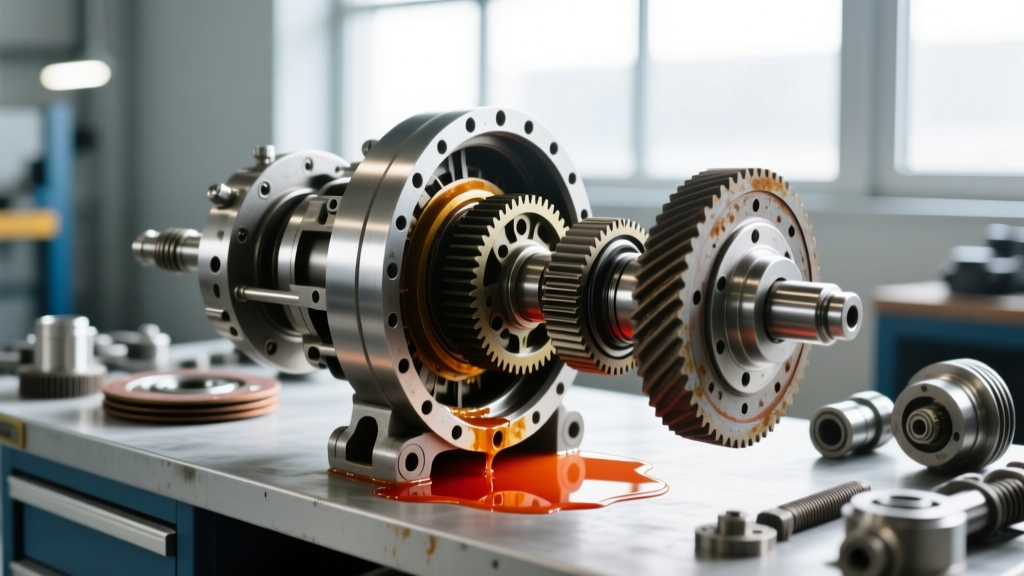
General Motors' official maintenance schedule often labels the front axle fluid as 'sealed for life' under normal driving conditions, or recommends service only at the 150,000-mile mark. However, fleet mechanics and drivetrain specialists universally reject this interval for trucks subjected to real-world use. If your Silverado tows trailers, plows snow, navigates deep water crossings, or operates in extreme ambient temperatures, the gear oil's anti-wear additives and friction modifiers break down between 30,000 and 50,000 miles. Ignoring this preventive maintenance leads to catastrophic bearing failure and actuator disengagement issues.
2026 Service Pricing Breakdown: Dealer vs. Indie vs. DIY
The cost to service the front differential varies wildly depending on who turns the wrench. Because the IFS housing is tucked tightly behind the front skid plate and suspension components, some shops charge a premium for the awkward access. Below is the current market pricing for Silverado front differential service.
| Service Provider | Estimated Cost (2026) | Labor Time | Fluid Type Typically Used |
|---|---|---|---|
| DIY (Home Garage) | $18 - $28 | 45 Minutes | ACDelco 75W-90 Synthetic |
| Independent 4x4 Shop | $85 - $135 | 0.5 - 0.8 Hours | Amsoil / Red Line 75W-90 |
| Chevrolet Dealership | $115 - $175 | 0.6 - 1.0 Hours | OEM ACDelco 75W-85 |
Note: Dealerships often use the newer 75W-85 Dexron Ultra specification for marginal fuel economy gains, while independent off-road shops prefer 75W-90 for superior shear stability under heavy towing loads.
OEM Fluid Specifications and Axle Capacities
Selecting the correct fluid is paramount. The GM IFS differentials do not require the limited-slip friction modifiers used in the rear axles. Adding a friction modifier to the front IFS can actually cause the electronic shift collar to slip or bind during 4WD engagement.
- GM 8.6-Inch IFS (Standard 1500 4WD): Requires approximately 1.0 quart (0.95 Liters). OEM Part Number: ACDelco 75W-90 Synthetic (10-4017) or 75W-85 (88862624).
- GM 9.25-Inch IFS (2500HD / Max Tow 1500): Requires approximately 1.4 quarts (1.3 Liters). Same fluid specifications apply.
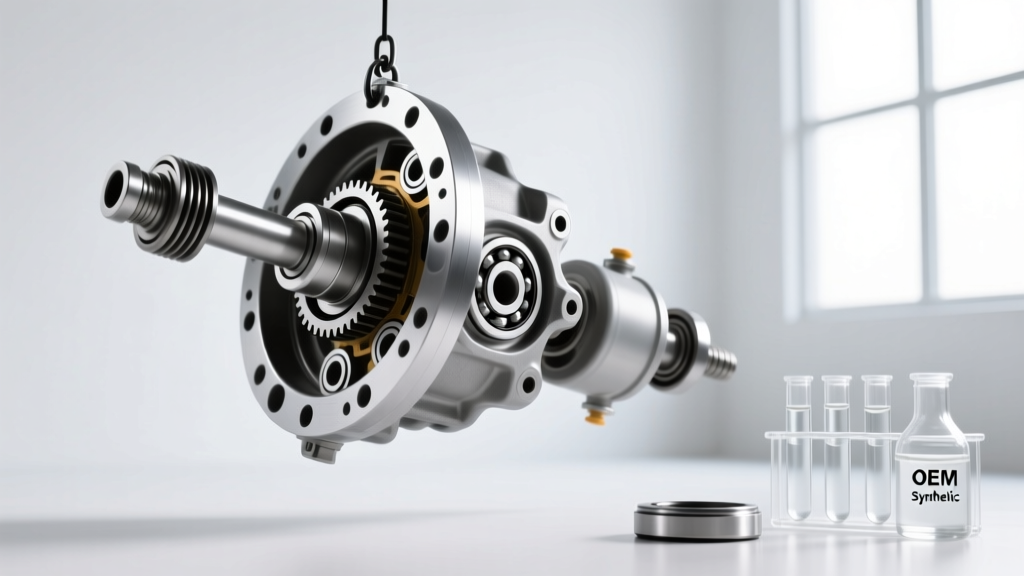
According to the ACDelco Lubricants Catalog, using a full synthetic baseline is mandatory for these housings to prevent foaming at high RPMs when driving in 4WD Auto mode on dry pavement.
The Extraction Method vs. Gravity Draining
One of the most confusing aspects for DIYers is the lack of a traditional drain plug on many GM 8.6-inch front housings. Instead of a gravity drain, GM engineered these units to be serviced via a fluid extraction pump.
Step-by-Step Extraction Procedure
- Safely lift and level the front of the Silverado. The truck must be perfectly level on the left-to-right axis to ensure an accurate fill level.
- Locate the fill plug on the passenger side of the differential housing. It typically accepts a 3/8-inch square drive ratchet or a 15mm hex bit.
- Break the plug loose and remove it. This breaks the vacuum seal inside the housing.
- Insert the hose of a manual fluid extractor pump down into the fill hole until it hits the bottom of the sump.
- Pump out the old gear oil. Expect to pull out roughly 1 quart of fluid. If the fluid is milky or resembles a chocolate milkshake, you have water intrusion.
- Fill with new 75W-90 synthetic until the fluid reaches the exact bottom lip of the fill hole. This usually takes about 0.9 quarts.
- Reinstall the fill plug and torque to 24 lb-ft (32 Nm).
Critical Torque Specs and Thread Preservation
Never use an impact wrench to remove or install the fill plug. The aluminum IFS housing threads are easily stripped. If you do strip the threads, you will be forced to use a helicoil insert or replace the entire differential housing cover, turning a $20 job into a $400 headache. Always use a calibrated torque wrench set to exactly 24 lb-ft (32 Nm). For the heavier 9.25-inch housings that feature a lower drain bolt, the same 24 lb-ft torque specification applies to prevent warping the sealing surface.
The Hidden Culprit: Breather Tube and Water Ingestion
Why does front differential fluid turn milky? The factory breather tube on the Silverado front differential is notoriously short, often terminating just above the front CV axle. When driving through deep puddles, snowbanks, or muddy trails, the hot differential housing rapidly cools, creating a vacuum that sucks water directly through the breather valve.
Expert Preventive Tip: Disconnect the factory breather hose and extend it using a 1/4-inch polyurethane line, routing it up into the engine bay near the firewall. This $15 modification prevents hydro-locking the front axle bearings and saves you from a $2,500 differential rebuild.
For more detailed maintenance intervals and severe duty schedules, always consult the Chevrolet Official Maintenance Schedules portal.
Diagnosing Actuator and Shift Fork Wear
The Silverado's front axle utilizes an electronic disconnect actuator. This motorized shift fork slides a splined collar to lock the passenger-side CV axle to the ring gear assembly. When gear oil degrades, it loses its extreme-pressure (EP) additives. The resulting metal-on-metal friction wears down the nylon pads on the shift fork and scores the machined surfaces of the collar.
The shift motor uses a worm gear drive that can bind if the collar experiences excessive rotational drag from varnished, degraded oil. Furthermore, the 9.25-inch housings found on the 2500HD utilize a larger, heavier collar that demands pristine fluid to prevent actuator overheating and internal thermal shutoffs. If you experience a delayed 4WD engagement, a grinding noise from the front passenger wheel well when shifting into 4-High, or the dreaded 'Service 4WD' dashboard message, your fluid is likely compromised. Catching this early with a $20 fluid change can save you from replacing the $450 front axle actuator motor and dropping the entire IFS assembly to replace the internal shift fork.
Final Verdict: Is the Investment Worth It?
Absolutely. Spending $25 and 45 minutes in your driveway to service the silverado front differential is one of the highest-ROI preventive maintenance tasks you can perform on a GM truck. By removing contaminated fluid, extending the breather tube, and ensuring the shift collar operates in a clean, well-lubricated environment, you guarantee that your 4WD system will engage instantly when you need it most, while extending the life of the ring and pinion gears well past the 200,000-mile mark.