The Anatomy of Heavy-Duty Clutch Slipping in Class 8 Trucks
In the high-torque environment of modern Class 8 commercial trucks, the clutch system is subjected to immense thermal and mechanical stress. Engines like the Cummins X15 and Detroit DD15 routinely output between 1,650 and 2,050 lb-ft of torque, placing extreme demands on 14-inch and 15.5-inch twin-plate clutch assemblies. While most fleet technicians immediately suspect worn friction discs when a driver reports clutch slipping symptoms and diagnosis protocols are initiated, the root cause often lies in an overlooked, interconnected component: the semi truck clutch brake.
Unlike passenger vehicles, heavy-duty manual transmissions (such as the Eaton Fuller 10, 13, and 18-speed models) utilize a clutch brake mounted on the transmission input shaft. Its primary function is to halt the rotation of the transmission's internal gearing when the vehicle is stationary, allowing for smooth engagement into first or reverse gear. However, when the clutch brake is improperly adjusted, dragging, or failing, it creates a cascading thermal failure that directly leads to main clutch slippage, glazing, and eventual catastrophic drivetrain downtime.
Main Friction Discs vs. The Semi Truck Clutch Brake
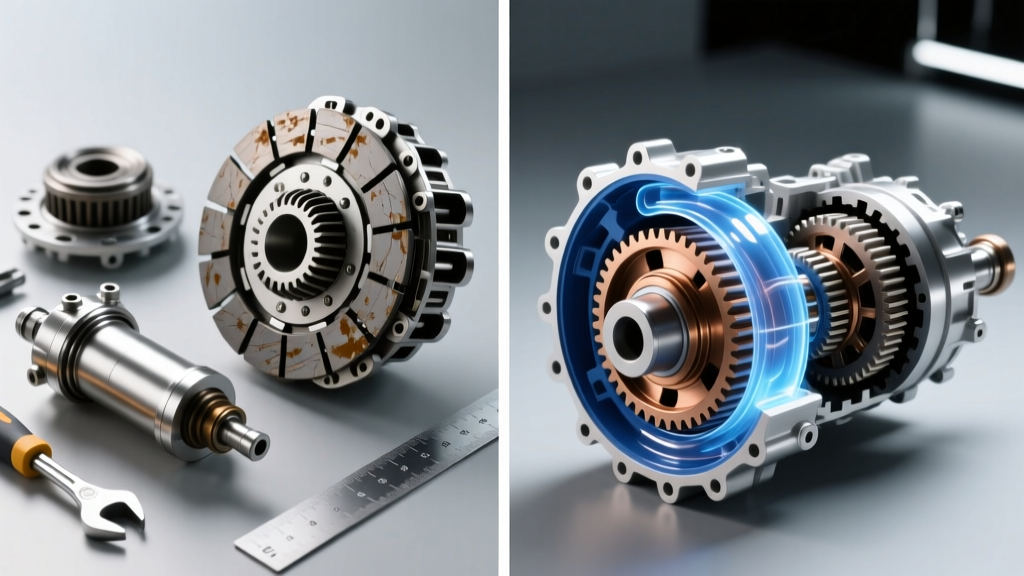
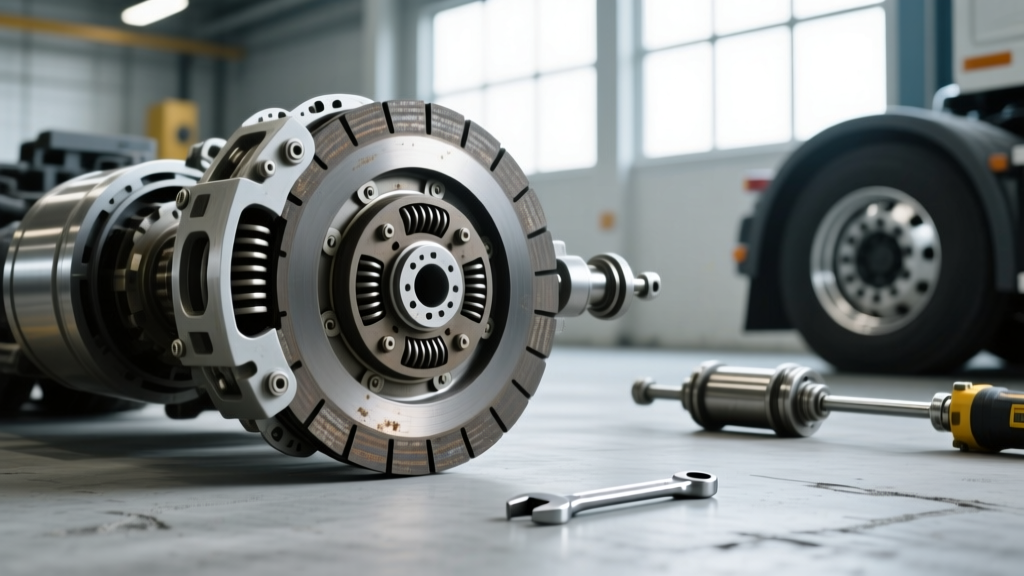
To accurately diagnose slipping, technicians must understand the distinct roles of these components. The main twin-plate clutch (comprising the pressure plate, intermediate plate, and two friction discs) is responsible for transmitting engine torque to the transmission input shaft. The semi truck clutch brake, conversely, is a friction ring actuated by the clutch release bearing when the pedal is pushed past the clutch disengagement point, into the final inch of pedal travel.
If the clutch brake clearance is too tight, the brake drags against the transmission case during normal driving. This constant friction generates severe heat, which travels directly up the input shaft and into the main clutch assembly. Over time, this thermal soaking bakes the phenolic resins in the main friction discs, causing them to glaze and lose their coefficient of friction. The result? A driver experiences classic clutch slipping symptoms under load, even if the friction material thickness is well within specifications.
5 Telltale Symptoms of a Slipping Class 8 Clutch
Identifying clutch slip early is the cornerstone of preventive maintenance. In a fully loaded 80,000-pound combination vehicle, slip manifests differently than in light-duty applications. Monitor for the following indicators:
- RPM Flare on Grades: The most definitive symptom. When pulling a grade or accelerating under heavy load, engine RPMs increase without a proportional increase in vehicle speed. This indicates the friction discs are breaking their static friction hold on the flywheel and intermediate plate.
- Mushy or Inconsistent Pedal Feel: A warped intermediate plate (caused by extreme heat from slip or a dragging clutch brake) will cause the clutch fingers to lose their geometric alignment, resulting in a pedal that feels soft or lacks a distinct engagement point.
- Burnt Phenolic Odor: A sharp, acrid smell entering the cab during low-speed, high-torque maneuvers (like backing onto a loading dock) signifies that the friction material is overheating and outgassing.
- Difficulty Engaging First Gear: While technically a symptom of the clutch brake itself, if the clutch brake fails to stop the input shaft, drivers will grind gears and attempt to force the shifter, often riding the main clutch pedal to compensate, which accelerates main clutch wear.
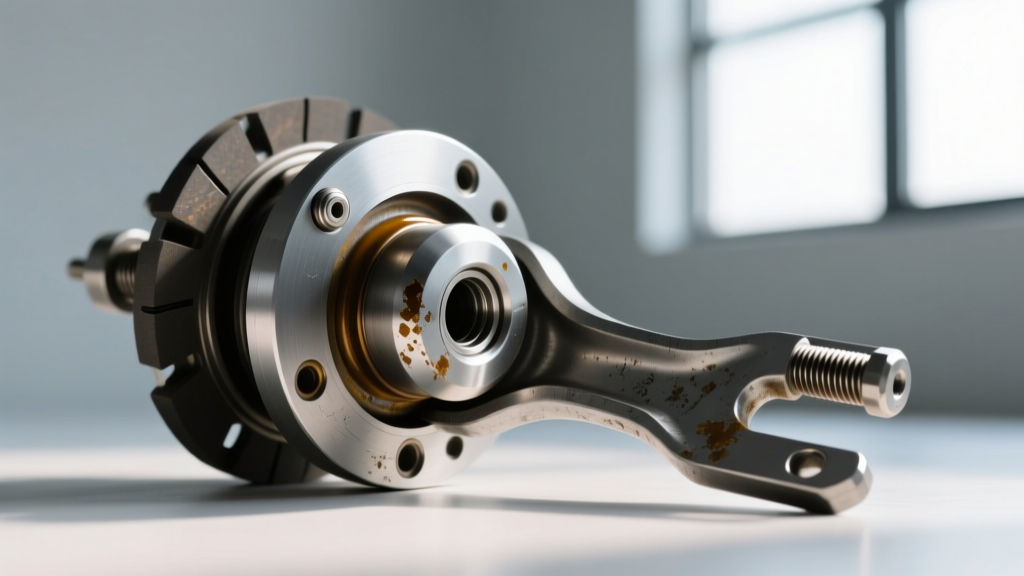
- Visual Heat Checking: During an inspection, if the flywheel or intermediate plate exhibits a bluish tint or radial micro-cracks (heat checking), the clutch has been subjected to extreme slip-induced temperatures exceeding 800°F.
Expert Insight: Never ignore a driver's complaint about hard shifting into first gear. A failing semi truck clutch brake forces the driver to abuse the main friction discs to stop the truck's forward creep, artificially inducing clutch slip and cutting the assembly's lifespan by up to 60%.
Diagnostic Workflow: Isolating the Slip and Brake Drag
Before authorizing a $3,000 clutch replacement, a rigorous diagnostic workflow must be performed to ensure the new assembly will not suffer the same fate. This requires measuring both the main clutch free-play and the semi truck clutch brake stroke.
Step 1: Pedal Free-Play Measurement
Clutch slip is frequently caused by a lack of pedal free-play. If the release bearing is constantly resting against the clutch fingers, the pressure plate cannot apply its full clamping load (often exceeding 3,500 lbs of spring pressure). Using a ruler or dial indicator, measure the pedal free-play at the top of the stroke. For most Eaton Fuller Solo and EverTough clutches, you must verify exactly 1.5 to 2.0 inches of free travel before the release bearing makes contact with the clutch brake collar.
Step 2: Evaluating the Semi Truck Clutch Brake Stroke
Once free-play is verified, measure the clutch brake squeeze. Push the pedal to the floor. The final depression of the pedal should actuate the clutch brake. The gap between the clutch brake and the transmission case (or the specific measurement at the pedal linkage, depending on the chassis manufacturer) must be precise. If the squeeze is too aggressive, the brake will drag; if it is too wide, the input shaft will not stop spinning, leading to gear grind and driver-induced clutch abuse.
Heavy-Duty Clutch Adjustment Specifications
| Parameter | Eaton Solo 15.5' Twin Plate | Eaton EverTough 14' Twin Plate | Diagnostic Implication |
|---|---|---|---|
| Pedal Free Travel | 1.50' - 2.00' | 1.50' - 2.00' | Less than 1.5' causes main clutch slip via insufficient clamping force. |
| Clutch Brake Squeeze (Stroke) | 0.50' - 0.62' | 0.50' - 0.62' | Excessive squeeze causes drag, heat transfer, and friction disc glazing. |
| Release Bearing Travel | 0.55' max | 0.55' max | Over-travel damages the intermediate plate straps and clutch brake. |
| Flywheel Runout Limit | 0.008' TIR | 0.010' TIR | Excessive runout causes uneven disc wear and localized hot spots. |
Preventive Maintenance: Stopping Slip Before It Starts
A robust preventive maintenance (PM) schedule is the only way to maximize the 400,000 to 700,000-mile expected lifespan of a Class 8 twin-plate clutch. Incorporate the following checks into every 50,000-mile PM interval.
The Over-Greasing Trap
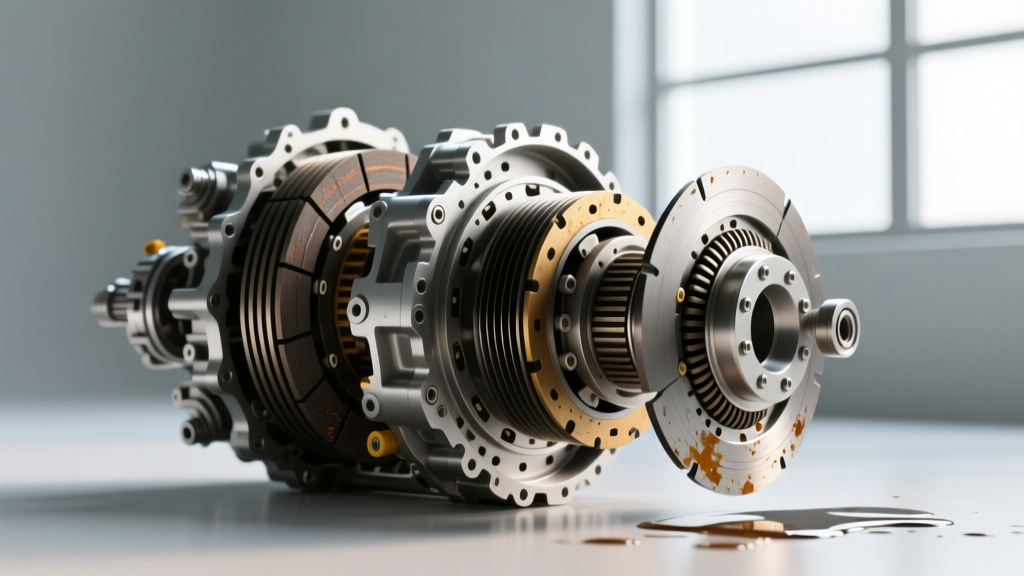
The most common maintenance error that leads to clutch slipping is over-greasing the clutch release bearing. The bearing requires a high-quality NLGI #2 EP (Extreme Pressure) lithium-complex grease. However, technicians often use pneumatic grease guns without counting the strokes. One to two hand pumps are all that is required. Over-greasing blows out the bearing seal, allowing grease to migrate down the input shaft sleeve and onto the friction discs. Once oil or grease contaminates the porous friction material, the clutch will slip irreparably, requiring a complete teardown and flywheel resurfacing.
Rear Main Seal and Transmission Input Shaft Inspections
Engine oil leaks from the rear main seal or transmission fluid leaks from the front input shaft seal are silent killers of clutch systems. During a PM, inspect the bellhousing inspection cover. Any sign of wetness, oil slinging, or dust accumulation caked with fluid indicates a leak that will soon compromise the friction coefficient of the clutch discs. Addressing a $40 rear main seal promptly prevents a $2,500 clutch replacement.
Repair Costs, Part Numbers, and Torque Specs (2026 Estimates)
When diagnosis confirms that the friction discs are glazed, the intermediate plate is warped, or the clutch brake is destroyed, a complete kit replacement is mandatory. Never reuse a worn clutch brake or a heat-stressed intermediate plate.
Common Replacement Part Numbers
- Eaton 15.5' Twin Plate Clutch Kit (Solo): Part # K-2251-03 (Retail: $1,800 - $2,400)
- Eaton 14' Twin Plate Clutch Kit (EverTough): Part # K-2411-01 (Retail: $1,200 - $1,600)
- Heavy-Duty Clutch Brake (Standard): Part # 309523X (Retail: $45 - $85)
- Clutch Release Bearing Assembly: Part # K-3459-01 (Retail: $180 - $250)
Critical Installation Torque Specifications
Proper installation is vital to prevent premature slip and vibration. When mating the new assembly to a Cummins X15 or similar heavy-duty powerplant, adhere strictly to these torque values:
- Flywheel to Crankshaft Bolts: 165 lb-ft (Always use new OEM bolts and apply engine oil to the threads prior to torquing).
- Pressure Plate to Flywheel Bolts (1/2'-13): 75 - 85 lb-ft. Torque in a strict star pattern to ensure the pressure plate seats evenly against the friction discs, preventing localized clamping issues that cause slip.
- Clutch Brake to Input Shaft Retainer: Ensure the wear pad is properly seated and the actuation collar moves freely without binding.
For comprehensive service manuals and adjustment visual guides, fleet technicians should consult the official Eaton Roadranger Clutch Documentation and review preventive maintenance strategies outlined by industry publications like Fleet Owner's Maintenance Archives. By treating the semi truck clutch brake and the main friction assembly as a single, unified thermal system, shops can drastically reduce warranty claims and keep heavy-duty freight moving efficiently.