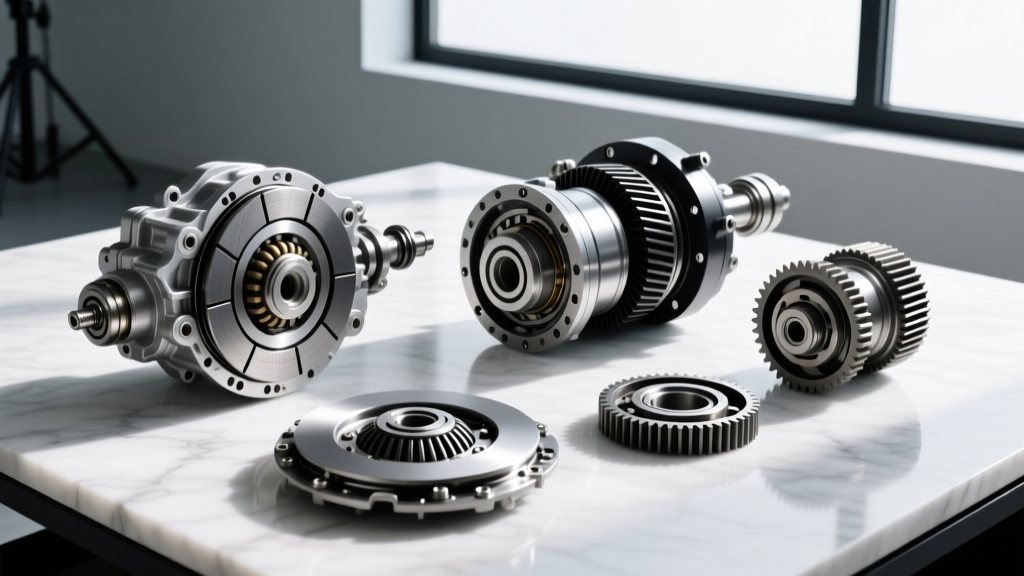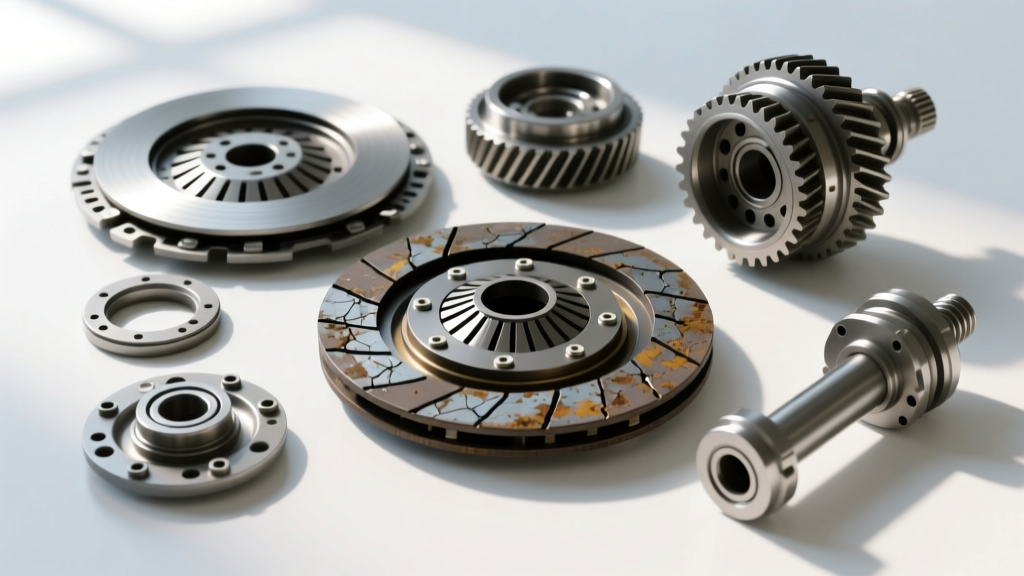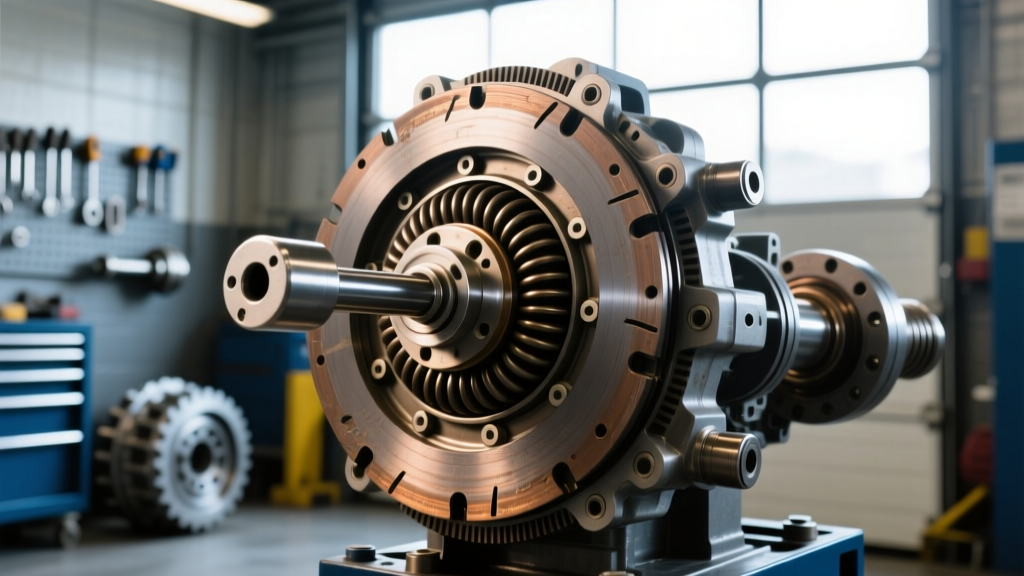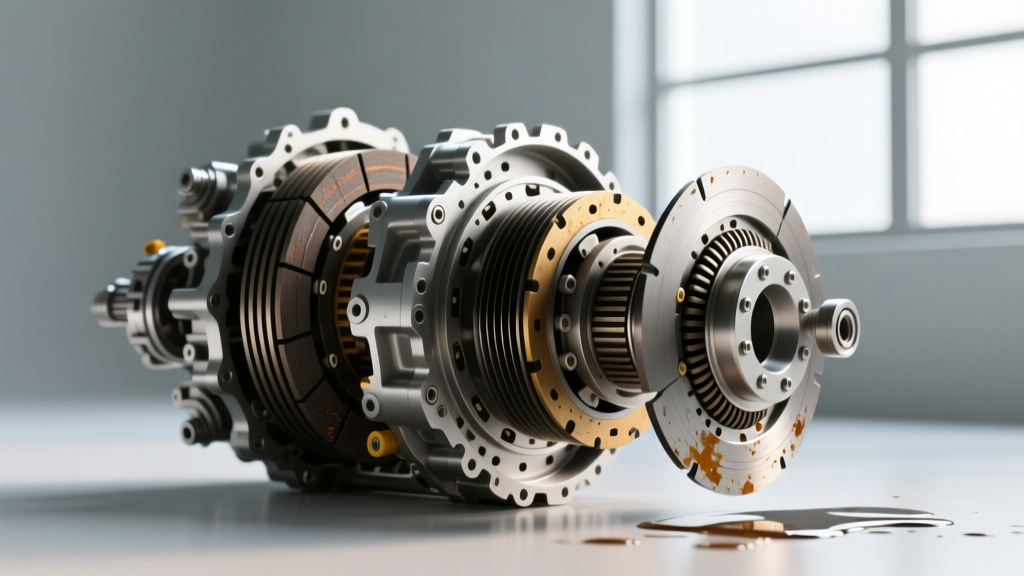
Dual-Clutch Transmissions (DCTs) represent one of the most complex intersections of mechanical friction and electro-hydraulic control in modern drivetrains. Unlike traditional torque-converter automatics or single-plate manual systems, diagnosing dct clutches requires a bifurcated approach: analyzing telematics adaptation data and performing microscopic mechanical clearance verifications. As we navigate the 2026 automotive landscape—where P2 hybrid DCT architectures and 8-speed wet multiplate systems are ubiquitous—technicians can no longer rely on 'seat-of-the-pants' shift feel diagnostics.
This technical deep-dive provides a comprehensive, OEM-aligned clutch system inspection checklist for both wet and dry DCT platforms. We will cover OBD2 adaptation thresholds, fluid tribology, mechanical pack measurement, and actuator stroke limits, referencing industry benchmarks from Schaeffler LuK Dual Clutch Systems and Sonnax Technical Resources.
Phase 1: Telematics and OBD2 Adaptation Analysis
Before unbolting a single bellhousing bolt, the inspection must begin in the electronic domain. The Transmission Control Module (TCM) continuously monitors clutch slip, actuator stroke, and hydraulic pressure. By accessing Measuring Value Blocks (MVB) or advanced OBD2 PIDs via tools like VCDS, FORScan, or PIWIS, you can determine the mechanical health of the clutch packs mathematically.
Interpreting Clutch Adaptation Pressures
- Baseline Adaptation (Wet DCTs): On platforms like the VW DQ250 (02E) or Ford 6DCT450 (MPS6), the TCM adjusts the baseline hydraulic pressure required to achieve the 'kiss point' (the exact moment friction plates make contact). If the adaptation value for Clutch 1 or Clutch 2 exceeds +15 bar or drops below -15 bar from factory baseline, the friction material is severely depleted, or the clutch piston seals are leaking internally.
- Torque Transmission Limits: Modern DCTs calculate a 'transmitted torque' value based on engine RPM, slip speed, and hydraulic pressure. If the TCM logs a torque capacity below 180 Nm on a platform rated for 350 Nm, the clutches are slipping under load, necessitating immediate teardown.
- Thermal Modeling Thresholds: The TCM uses a thermal model to estimate clutch plate temperature. If OBD2 data shows the TCM actively derating engine torque at clutch temperatures below 140°C (284°F), the thermal model has skewed due to excessive physical slip, indicating worn friction surfaces.
Phase 2: Wet DCT Fluid and Hydraulic Integrity Inspection
For wet DCTs, the transmission fluid serves as both a lubricant and the hydraulic medium for clutch actuation and cooling. Fluid analysis is a non-destructive window into the clutch pack's physical degradation.
Fluid Tribology and Particle Analysis
Wet DCTs require highly specialized, low-friction fluids (e.g., Pentosin FFL-3, VW G 052 182, or Castrol BOT 341). During the drain-and-inspect phase, evaluate the following:
- Friction Material Saturation: A slight darkening is normal. However, if the fluid is opaque black and smells of burnt carbon, the paper/carbon-kevlar friction linings have experienced thermal breakdown (exceeding 350°C).
- Glitter vs. Chunking: Fine metallic 'glitter' indicates normal synchronizer and gear wear. Copper-colored flakes point to clutch hub spline wear or thrust washer degradation. Large ferrous chunks suggest catastrophic failure of the dual-mass flywheel (DMF) or the clutch basket lugs.
- Mechatronic Filter Inspection: Platforms like the DQ250 utilize a 40-micron filter inside the mechatronic unit. If this filter is clogged with friction material, hydraulic flow to the clutch cooling jets is restricted, creating a localized thermal runaway loop.
2026 Diagnostic Note: With the proliferation of P2 hybrid DCT architectures (e.g., VW DQ400e, Hyundai N-DCT hybrid), inspecting the integrated electric motor stator for coolant intrusion and clutch pack dielectric breakdown is now a mandatory step in the inspection checklist. Coolant mixing with DCT fluid will cause immediate friction material delamination.
Phase 3: Mechanical Clutch Pack Measurement (The Dial Indicator Method)
When telemetry and fluid analysis dictate a teardown, precise mechanical measurement is required. Unlike manual transmissions where clutch replacement is a bolt-in affair, wet DCT clutch packs require rigorous clearance verification using a dial indicator and selective snap rings.
Step-by-Step Clearance Verification
Using the VW DQ250 as a benchmark, the inspection checklist requires the following procedure:
- Preparation: Remove the clutch cover and extract the multi-plate packs for K1 (odd gears) and K2 (even gears). Inspect the steel separator plates for 'bluing' (thermal oxidation) and hot spots. Any plate with localized discoloration must be discarded, as its metallurgical hardness has changed, altering the coefficient of friction.
- Stacking and Seating: Install the new friction and steel plates. Soak all new paper-based friction plates in the specified DCT fluid for a minimum of 2 hours prior to installation to prevent dry-start scorching.
- Dial Indicator Setup: Mount a magnetic base dial indicator to the transmission bellhousing. Position the plunger directly on the clutch pack pressure plate. Zero the gauge.
- Applying Pressure and Measuring: Using a specialized clutch alignment mandrel (e.g., VW T10403 or equivalent aftermarket tool), apply downward pressure to fully compress the clutch pack wave washers. Release the pressure and measure the rebound gap.
- Selective Snap Ring Selection: The target clearance typically falls between 0.8mm and 1.2mm (consult specific OEM service manuals, as 8-speed ZF DCTs vary). Measure the gap, then select the appropriate thickness retaining snap ring (usually available in 0.2mm increments from 1.8mm to 2.6mm) to achieve the exact specification. Incorrect clearance will result in immediate clutch drag or delayed engagement.
Phase 4: Dry DCT Actuator Stroke and Fork Wear Analysis
Dry DCTs (such as the VW DQ200 7-speed, Ford 6DCT250 PowerShift, and Fiat C635 DDCT) eliminate the hydraulic cooling circuit, relying on electric stepper motors and mechanical release forks to actuate the clutches. The inspection checklist for these systems focuses heavily on mechanical travel limits and pivot wear.
Actuator Stroke and Hall Effect Calibration
Dry DCT clutch wear is measured by the physical extension of the electric actuator rod. As the friction disc wears, the actuator must push further to achieve the kiss point.
- Stroke Limits: On the DQ200, a new clutch pack requires an actuator stroke of approximately 7.0mm to 8.5mm. If OBD2 adaptation data shows the actuator stroke extending beyond 11.5mm, the clutch pack has reached its absolute mechanical wear limit. Continuing to drive will cause the actuator to over-travel, stripping the internal plastic lead-screw gears and destroying the $1,200 mechatronic actuator module.
- Fork Pivot Ball Wear: Inspect the release fork pivot balls and the diaphragm spring contact pads. Dry DCTs generate immense lateral forces. If the pivot ball shows a wear groove deeper than 0.5mm, the fork must be replaced. Failure to do so will alter the clutch engagement geometry, leading to severe low-speed chatter and shudder.
DCT Clutches Diagnostic Parameters Matrix
The following table serves as a quick-reference matrix for the most common DCT platforms encountered in the aftermarket. Always verify with the latest OEM service literature, as mid-cycle manufacturing revisions can alter these specifications.
| Transmission Model | Type | Clutch Clearance / Stroke Limit | Fluid Capacity (Service) | Common Failure Mode |
|---|---|---|---|---|
| VW DQ250 (02E) | Wet 6-Speed | 0.8mm - 1.2mm (Pack Clearance) | 5.5L (G 052 182) | Mechatronic solenoid wear, clutch hub spline failure |
| VW DQ200 (0AM) | Dry 7-Speed | Max Actuator Stroke 11.5mm | 1.7L (Gear) / N/A (Clutch) | Actuator motor burnout, fork pivot wear, DMF failure |
| Ford 6DCT450 (MPS6) | Wet 6-Speed | 0.5mm - 0.9mm (Pack Clearance) | 7.3L (Castrol BOT 341) | Valve body bore wear, clutch chatter, input seal leaks |
| Porsche PDK (ZF 7DT) | Wet 7/8-Speed | Measured via PIWIS adaptation | 8.5L (Pentosin FFL-3) | Thermal degradation, distance tube seal failure |
Decision Framework: Clutch Pack vs. Mechatronic Unit Replacement
A critical component of the clutch system inspection checklist is determining the root cause of the failure to prevent warranty comebacks. Replacing a clutch pack without addressing a failing mechatronic unit will result in the rapid destruction of the new friction materials.
When to Replace the Clutch Pack Only
If OBD2 adaptation values are within spec, fluid analysis shows no excessive metallic debris, and the only symptom is high-mileage slip (typically over 120,000 miles), a clutch pack replacement is justified. Aftermarket LuK RepSets (which include the clutch packs, selective snap rings, alignment tools, and often a new DMF and flywheel bolts) typically range from $600 to $1,100 in parts, offering a massive cost savings over OEM dealer pricing.
When to Replace or Rebuild the Mechatronic Unit
If the clutch pack shows signs of localized burning (blued steel plates) while the friction material still has measurable depth, the issue is hydraulic, not mechanical. This indicates a sticking clutch control valve or a worn valve body bore inside the mechatronic unit. In platforms like the Ford MPS6, valve body bore wear causes hydraulic pressure to bleed off, leading to clutch chatter. In these cases, utilizing aftermarket valve body repair kits (such as Sonnax Zip Valve kits) or replacing the entire mechatronic unit ($1,500 to $3,000) is mandatory before installing new clutches.
Torque Specifications and Final Assembly Protocol
Proper torque sequencing is vital to prevent clutch drag and housing distortion. When reassembling the DCT bellhousing and clutch hub:
- Clutch Hub Nut (VW DQ250): Typically torqued to 350 Nm + 180 degrees. This is a stretch-torque application; the nut must be replaced every time it is removed.
- Flywheel Bolts: Usually torqued to 60 Nm + 90 degrees in a star pattern. Failure to use a flywheel lock tool will transfer destructive torsional loads directly into the clutch basket and transmission input shafts.
- Bellhousing to Engine Block: Torque to 65 Nm. Ensure the alignment dowels are perfectly seated. A misaligned DCT bellhousing will cause the clutch actuator pushrods to bind, leading to immediate mechatronic actuator failure upon initialization.
By adhering strictly to this technical DCT clutches inspection checklist, drivetrain specialists can accurately isolate the root cause of shifting anomalies, ensuring long-term reliability and eliminating the guesswork from modern dual-clutch diagnostics.