When the distinct, acrid odor of burning friction material infiltrates the cab of a Class 8 truck, it immediately triggers alarm bells for owner-operators and fleet technicians alike. In heavy-duty commercial applications, a slipping clutch isn't just a drivability nuisance; it is a critical failure point that can strand a fully loaded rig on a 6% grade. However, before authorizing a $4,000 transmission drop and clutch pack replacement, a precise diagnostic sequence is required. Often, the root cause of the burning smell and subsequent slipping can be traced back to improper free travel, making a routine semi clutch adjustment the definitive cure.
The Olfactory Diagnostic Matrix: Decoding the Burn
Not all burning smells originate from the friction discs. The chemical composition of the odor provides the first major clue in your diagnostic tree. Heavy-duty clutches utilize complex friction materials, including cerametallic compounds and organic resins, which produce distinct olfactory signatures when subjected to extreme thermal overload.
| Smell Profile | Chemical Origin | Probable Culprit & Diagnostic Action |
|---|---|---|
| Sweet, Acrid Resin | Burning organic binder in friction facings | Clutch slipping under load. Check semi clutch adjustment and free travel immediately. |
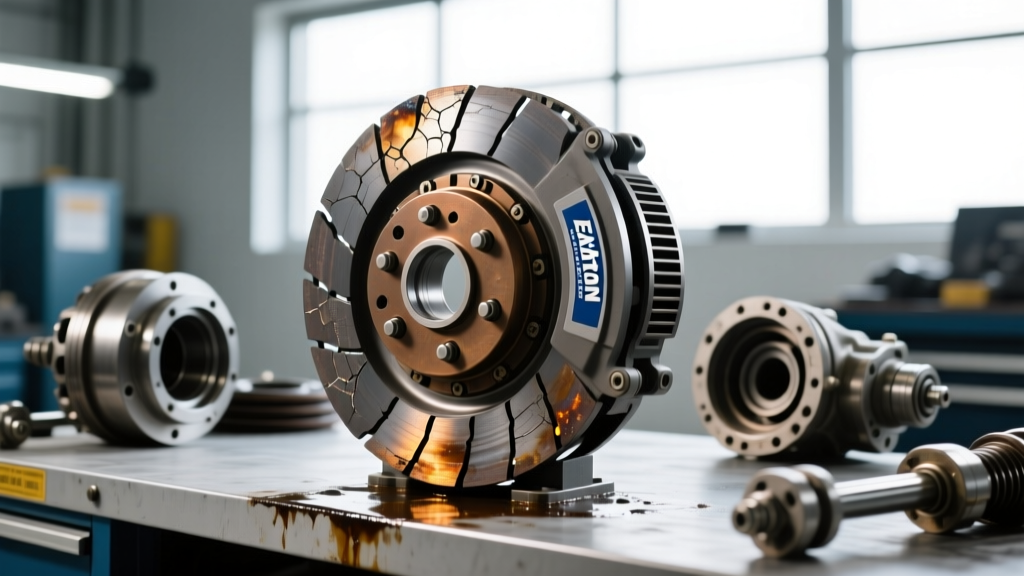
| Sharp, Metallic Ozone | Overheated cast iron / steel | Pressure plate or intermediate drive plate glazing. Inspect for thermal cracking. |
| Sulfur / Burnt Rubber | Grease vaporization or seal melt | Failing throwout bearing, pilot bearing, or clutch brake seal. Requires drop. |
| Hot Brake Dust | Asbestos-free ceramic friction material | Riding the clutch brake. Operator error or pneumatic actuator misalignment. |
Why Free Travel Dictates Clamping Force
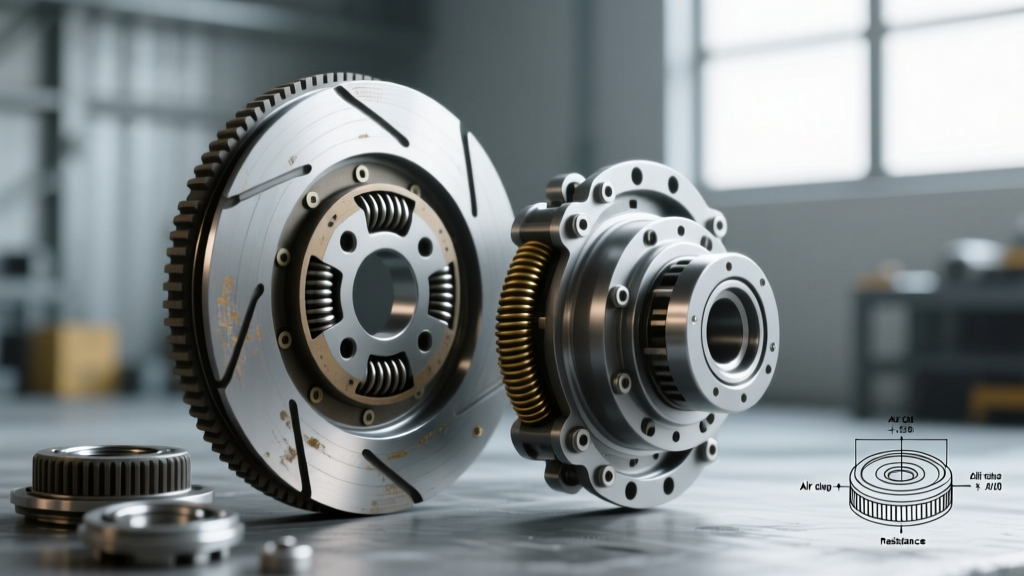
The most common mechanical cause of a burning organic friction smell is a lack of free travel at the release bearing. In heavy-duty applications utilizing Eaton Fuller Solo series or Borg & Warner twin-plate diaphragm clutches, the diaphragm spring requires a specific amount of unloaded resting space to exert maximum clamping force on the friction discs.
If a semi clutch adjustment is neglected and the linkage stretches over time, the release bearing remains in constant contact with the diaphragm spring fingers. This effectively 'lifts' the pressure plate off the friction discs by a fraction of a millimeter. Under high-torque scenarios—such as pulling 80,000 lbs from a dead stop or climbing a grade—the micro-gap allows the discs to slip against the flywheel and intermediate plate. This slip generates massive kinetic heat, burning the organic resin binders and glazing the friction surfaces.
Verifying Physical Linkage Adjustment
For traditional manual transmissions (e.g., Eaton Fuller 10, 13, or 18-speed manuals), the adjustment process is mechanical. According to Eaton's Heavy-Duty Clutch Service Guidelines, proper free travel is non-negotiable.
- Free Travel Measurement: Measure the distance the clutch pedal moves before feeling resistance from the clutch brake. This must be exactly 1.5 to 2.0 inches (38-51mm).
- Clutch Brake Squeeze: The final travel of the pedal should engage the clutch brake to stop the input shaft for gear engagement. This squeeze should measure 0.5 to 0.75 inches.
- Release Yoke Shaft Travel: At the transmission bell housing, verify that the external yoke shaft moves precisely 0.5 inches when the pedal is fully depressed.
The AMT Factor: Software-Based Semi Clutch Adjustment
As of 2026, the vast majority of new Class 8 trucks on the road are equipped with Automated Manual Transmissions (AMTs) like the Eaton Endurant XD, Volvo I-Shift, or Detroit DT12. These systems eliminate the physical pedal linkage, utilizing pneumatic or electro-hydraulic actuators to manage the clutch.
If an AMT-equipped truck presents with a burning clutch smell, a physical linkage adjustment is impossible. Instead, the 'semi clutch adjustment' takes the form of a software-based touch-point recalibration. As the friction discs wear down, the actuator must travel further to disengage the clutch. If the Transmission Control Module (TCM) loses its baseline clutch position data—often due to battery disconnects, TCM updates, or actuator replacements—it may fail to apply full clamping pressure, resulting in micro-slipping and burning smells.
Expert Diagnostic Tip: Never attempt to force an AMT clutch into engagement by manually manipulating the actuator arm while the system is pressurized. Use OEM diagnostic software (such as JPRO, Davie4, or Detroit Diagnostic Link) to run the automated clutch wear index and touch-point recalibration routine. If the software reports a clutch wear index above 85%, no software adjustment will save the friction material; a physical replacement is mandatory.
Visual Wear Indicators: When Adjustment is Futile
If you have performed a mechanical semi clutch adjustment or an AMT software recalibration and the burning smell persists upon the next heavy-haul run, the friction material has likely reached its thermal and physical limits. Modern heavy-duty clutches feature built-in visual wear indicators to prevent catastrophic flywheel damage.
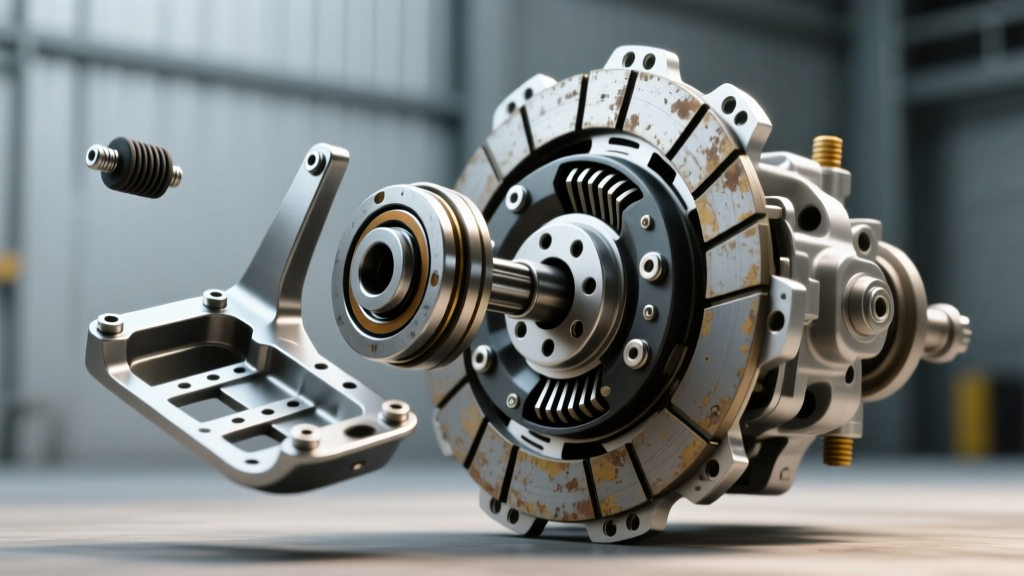
On the Eaton Solo 14-inch and 15.5-inch twin-plate clutches, locate the wear indicator tab on the clutch cover assembly. When the clutch is fully engaged (pedal released), there should be a visible gap between the indicator strap and the clutch cover. If the strap is flush against the cover, or if the release bearing wear limit marks are aligned, the friction discs are worn to the rivets or the cerametallic facing is entirely depleted. At this stage, the intermediate drive plate is likely warped from the excessive heat that caused the burning smell, necessitating a full clutch pack, flywheel, and release bearing overhaul.
Heavy-Duty Torque Specifications & Rebuild Data
Should your diagnosis confirm that the burning smell has caused irreversible glazing or thermal cracking, a drop is required. When reinstalling heavy-duty clutch components, adhering to exact torque specifications is vital to prevent harmonic vibrations and premature intermediate plate failure. Below are standard baseline specifications for common Class 8 setups (always verify against the specific OEM service manual):
| Component | Specification / Torque | Notes |
|---|---|---|
| Flywheel to Crankshaft Bolts | 175 - 225 lb-ft (depending on engine block) | Must use new OEM stretch bolts; apply thread locker. |
| Clutch Cover to Flywheel | 70 - 85 lb-ft | Tighten in a star pattern to prevent cover warpage. |
| Intermediate Plate Drive Straps | 25 - 35 lb-ft | Inspect straps for heat discoloration; replace if blued. |
| Release Yoke Pivot Ball | 40 - 50 lb-ft | Lubricate pivot ball with high-temp moly grease. |
2026 Cost Analysis: Adjustment vs. Full Overhaul
Understanding the financial implications of a clutch burning smell helps fleet managers and owner-operators make informed triage decisions. According to recent industry data published in Fleet Equipment Magazine, heavy-duty diesel technician shop rates in 2026 average between $175 and $225 per hour.
- Roadside / Shop Adjustment: If the burning smell is caught early and the friction material is merely surface-glazed, a manual linkage adjustment or AMT recalibration typically costs between $150 and $350. This involves minimal labor and no parts.
- Full Clutch Pack Overhaul: If the friction material is burned through to the core, or the intermediate plate is warped, the truck must be dropped. Parts for a heavy-duty twin-plate cerametallic clutch kit (including release bearing and clutch brake) range from $1,200 to $2,800. Labor requires 8 to 14 hours, pushing the total invoice to between $3,500 and $5,500.
Final Troubleshooting Verdict
A burning clutch smell in a semi-truck is a definitive symptom of thermal overload, but it is not an immediate death sentence for the clutch pack. By systematically analyzing the odor, verifying mechanical free travel, or executing an AMT touch-point recalibration, technicians can determine if a simple semi clutch adjustment will restore full clamping force. However, if the visual wear indicators show flush alignment or the intermediate plate exhibits thermal bluing, bypass the adjustment and schedule a full drivetrain overhaul to prevent secondary damage to the transmission input shaft and engine crankshaft thrust bearings. For more in-depth commercial drivetrain diagnostics, consult resources like the Commercial Carrier Journal to stay updated on the latest AMT troubleshooting protocols.