The Diagnostic Power of the See-Through Torque Converter
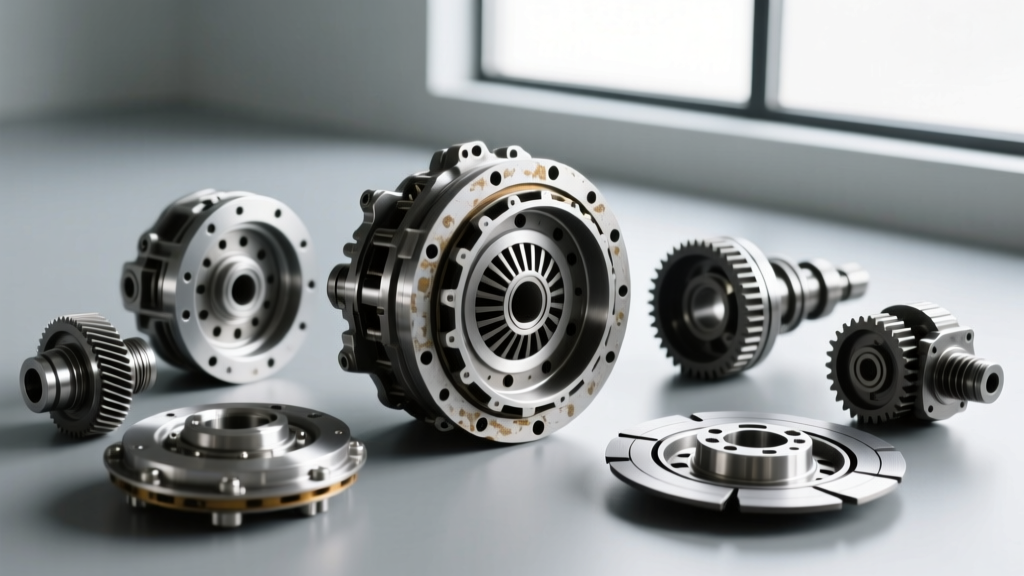
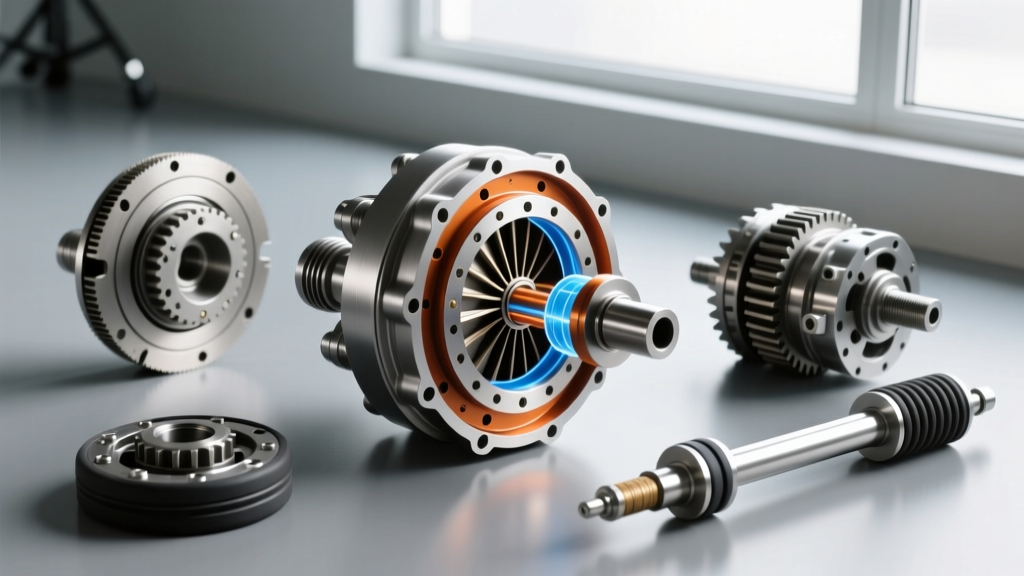
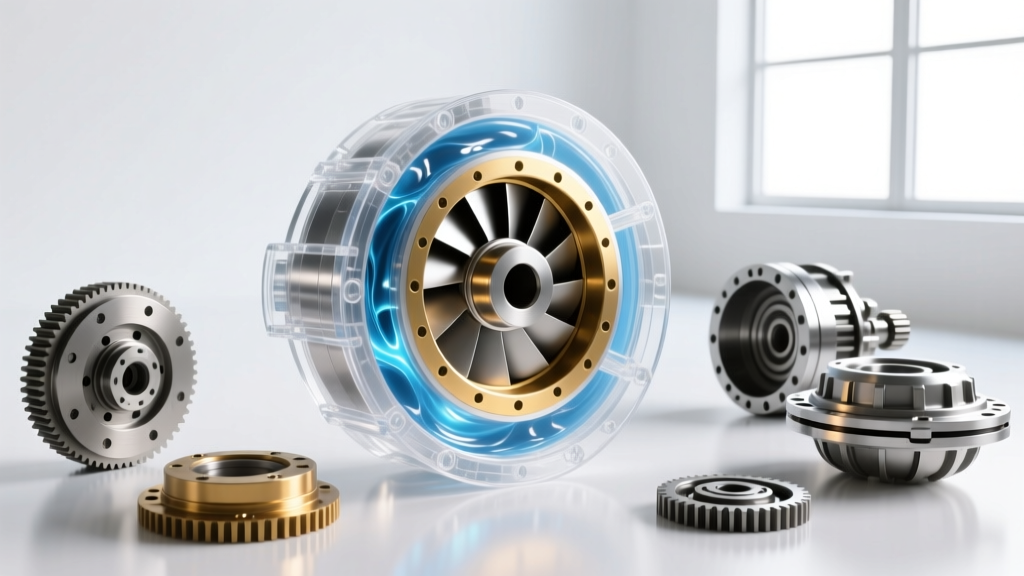
When automatic transmissions fail due to thermal runaway, teardowns often reveal a catastrophic mess of melted friction linings, warped steel, and degraded fluid. For decades, transmission rebuilders, engineers, and advanced diagnostic technicians have relied on the see through torque converter—a transparent acrylic or precision-cutaway model—to visualize internal fluid dynamics, stator multiplication, and the exact mechanics of the Torque Converter Clutch (TCC). By observing these see-through models under simulated load, technicians can pinpoint why modern lockup converters overheat, how fluid couples transfer kinetic energy into parasitic heat, and how to select the right replacement components to prevent recurring failures.
As we navigate the 2026 automotive landscape, transmissions like the GM 10L90, Ford 10R80, and ZF 8HP operate with incredibly tight tolerances and aggressive TCC apply strategies to meet fuel economy standards. However, this constant slip-and-apply cycle generates immense heat. This buyer's guide and diagnostic comparison will walk you through the thermal breaking points of modern torque converters, compare the best heavy-duty replacement units, and outline the exact cooling circuit upgrades required to keep your transmission out of the danger zone.
ATF Thermal Thresholds: What the Cutaway Reveals
Looking inside a see through torque converter during a dyno test reveals how quickly fluid shear forces generate heat when the TCC is commanded into a controlled slip state. If the transmission cooler is restricted or the TCC apply pressure is inadequate, the fluid temperature spikes. According to data from Automatic Transmission Service Group (ATSG), the following thermal thresholds dictate the lifespan of your torque converter internals:
| ATF Sump Temperature | Internal Component Impact | Diagnostic Symptom |
|---|---|---|
| 200°F (93°C) | Optimal operating range for synthetic blends | Smooth TCC apply, normal shift times, high efficiency |
| 240°F (115°C) | ATF oxidation accelerates; varnish begins to form | Slight varnishing on stator vanes, minor valve body sticking |
| 260°F (126°C) | Clutch binder and friction material degradation | TCC shudder, slipping lockup, burnt fluid odor |
| 300°F (148°C) | Steel warping, liner melt, cover bluing | Severe bluing of converter cover, total catastrophic failure |
When diagnosing a vehicle that has suffered torque converter overheating problems, the physical evidence mirrors what we see in see-through cutaway simulations: the friction material delaminates, clogging the narrow cooler tubes and creating a feedback loop of thermal destruction.
Buyer's Guide: Comparing High-Capacity Replacement Torque Converters
If your OBD-II scan tool shows TCC slip RPMs exceeding 30-40 RPM at steady highway speeds, or if your fluid is dark and smells of burnt toast, the internal friction material is compromised. When replacing the unit, you must compare OEM replacements against high-performance billet options that resist overheating and handle increased torque loads.
Top Replacement Options for Common Overheating Platforms
| Transmission | OEM / Standard Replacement | Performance / Heavy-Duty Upgrade | Key Overheating Fix |
|---|---|---|---|
| GM 6L80 / 6L90 | ACDelco OEM Reman (~$450) | Circle D Specialties 300028 (~$680) | Billet steel cover prevents flex; dual-clutch TCC handles higher apply pressures without slipping. |
| ZF 8HP (8-Speed) | ZF Original Equipment (~$1,100) | Precision Industries ZF8-Billet (~$1,450) | Reinforced stator support and upgraded friction materials to prevent ZF-specific TCC shudder. |
| Ford 6R80 | Motorcraft Reman (~$500) | Performance Automatic 6R80-Pro (~$720) | Furnace-brazed fins and heavy-duty thrust bearings to manage heat during heavy towing. |
Note: Pricing reflects average 2026 market rates for parts only. Core charges and freight may apply.
For fleet vehicles and heavy-duty towing applications, the OEM remanufactured units often fall short because they reuse the original stamped steel covers. Under heavy load, these covers flex, altering the clearance of the TCC piston and causing micro-slipping. Upgrading to a billet-faced cover, like those offered by Circle D Specialties, eliminates this flex, ensuring a solid lockup and drastically reducing parasitic heat generation.
Upgrading the Cooling Circuit: Auxiliary Coolers & Valve Body Fixes
A premium torque converter will still overheat if the transmission cooling circuit is flawed. Modern vehicles utilize complex thermal management systems that prioritize rapid warm-up over cooling capacity, which is a primary culprit behind torque converter overheating problems.
The GM 6L80/6L90 Thermostat Bypass Dilemma
GM's 6-speed and 10-speed automatics feature a thermal bypass valve in the cooler lines designed to block fluid flow to the radiator/transmission cooler until the ATF reaches approximately 190°F. While this helps the vehicle pass cold-start emissions and fuel economy tests, it is disastrous for vehicles used in towing, off-roading, or mountainous terrain. The fluid can easily spike past 250°F before the thermostat fully opens, shocking the system and glazing the TCC friction surface.
- The Fix: Install a Thermostat Delete Kit or a fixed-orifice bypass tube (e.g., Sonnax part number 14601-01K equivalent bypass modifications). This forces 100% of the cooler return flow through the heat exchanger at all times.
- Auxiliary Cooler Addition: For trucks, add a Hayden 678 (Swirl-Cooler) or Derale 10609 auxiliary plate-and-fin cooler in series with the factory radiator cooler. Target a steady-state cruising temperature of 175°F to 195°F.
ZF 8HP Mechatronic Sleeve Leaks and Lube Pressure
In the ZF 8HP family (found in RAM 1500s, BMWs, and Jaguars), overheating is often misdiagnosed as a pure cooler failure. In reality, the plastic Mechatronic sleeve degrades, causing internal hydraulic leaks. This drops the line pressure available to the TCC and the internal lube circuits. According to technical bulletins from Sonnax Industries, replacing the worn plastic sleeve with their reinforced Zip Kit or an updated OEM sleeve restores proper hydraulic volume, ensuring the TCC piston receives the necessary 120+ PSI of apply pressure to lock up without slipping and generating excess heat.
Real-World Costs & Installation Torque Specs
Addressing torque converter overheating problems requires precision during reassembly. A replacement converter is only as good as its installation. Below are the critical specifications and cost breakdowns for a complete thermal-recovery rebuild.
Cost Breakdown (2026 Estimates)
- Billet Torque Converter: $650 - $1,450
- Transmission Cooler Bypass Delete: $35 - $85
- Auxiliary Cooler & Lines: $120 - $250
- ATF Fluid (Full Flush, Synthetic): $150 - $220 (e.g., Mobil 1 Synthetic LV ATF HP or ZF Lifeguard 8)
- Labor (R&R and Cooler Flush): $800 - $1,400 depending on 2WD/4WD and subframe removal requirements.
Critical Installation Torque Specs
When mating the new torque converter to the flexplate and installing the transmission, adhere strictly to these parameters to prevent harmonic vibration, which can lead to premature TCC failure and subsequent overheating:
- Flexplate-to-Torque Converter Bolts (GM 6L80/6L90): 45 lb-ft (61 Nm). Always use a medium-strength threadlocker (Loctite 242) and ensure the bolts pull the converter flush to the flexplate without using them to 'winch' the converter forward.
- Flexplate-to-Crankshaft Bolts: Typically 65-75 lb-ft depending on the engine block. Verify runout with a dial indicator; runout exceeding 0.010 inches will cause TCC piston bind and localized overheating.
- Transmission Cooler Line Fittings: 18-22 lb-ft. Use a crowfoot wrench to avoid rounding the soft aluminum threads on the transmission case cooler ports.
Final Diagnostic Verdict
The see through torque converter remains an invaluable educational tool, visually proving that heat is the ultimate enemy of automatic transmission longevity. By understanding the thermal limits of ATF, recognizing the symptoms of TCC slip, and investing in billet replacement components paired with aggressive cooling circuit upgrades, you can permanently eliminate torque converter overheating problems. Whether you are maintaining a daily-driven ZF 8HP commuter car or a heavy-duty GM 10L90 tow rig, prioritizing thermal management will ensure your drivetrain survives the most demanding conditions.