The S550 MT-82 Hydraulic Dilemma in 2026
Even as the automotive world shifts heavily toward electrification and automatic transmissions, the Ford Mustang S550 (2015-2023) equipped with the Getrag MT-82 and MT-82D4 manual transmissions remains a staple on the streets and tracks in 2026. However, the factory hydraulic clutch system is notorious for developing severe pedal anomalies. Whether you are dealing with a pedal that sinks to the floor, a rigid pedal that fatigues your left leg, or a high-frequency vibration rattling through your footwell, proper hydraulic clutch pedal adjustment and diagnosis are critical.
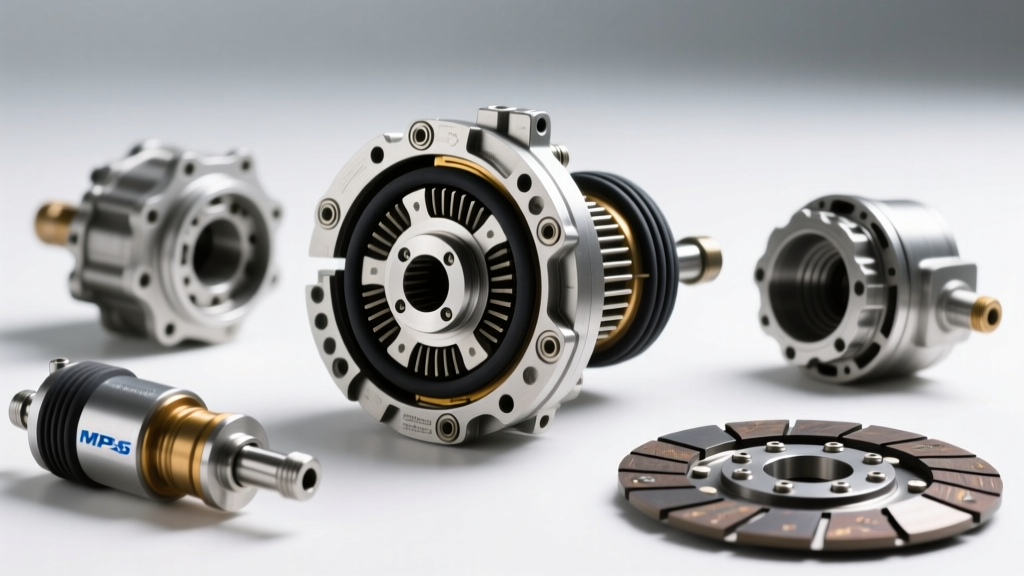
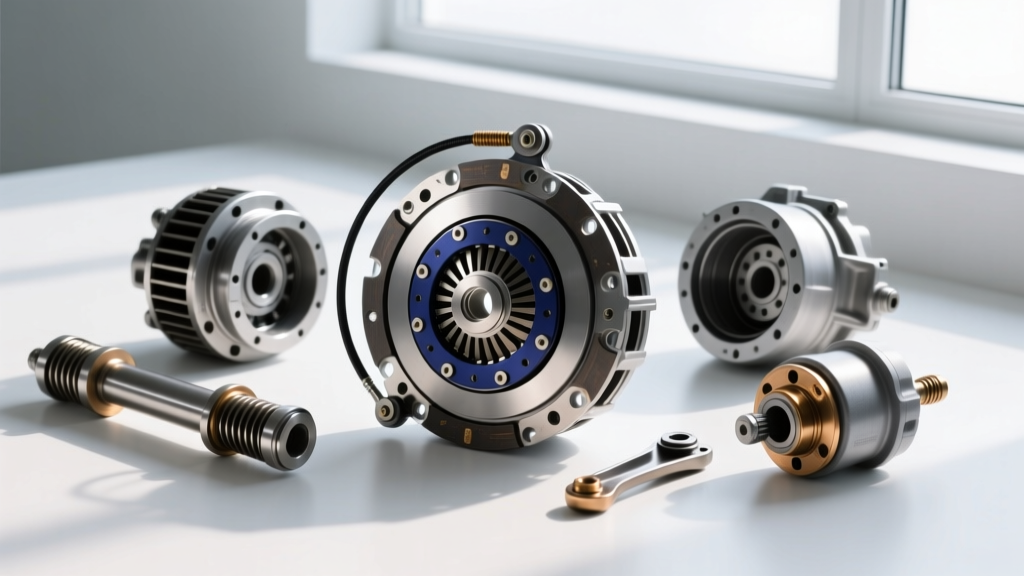
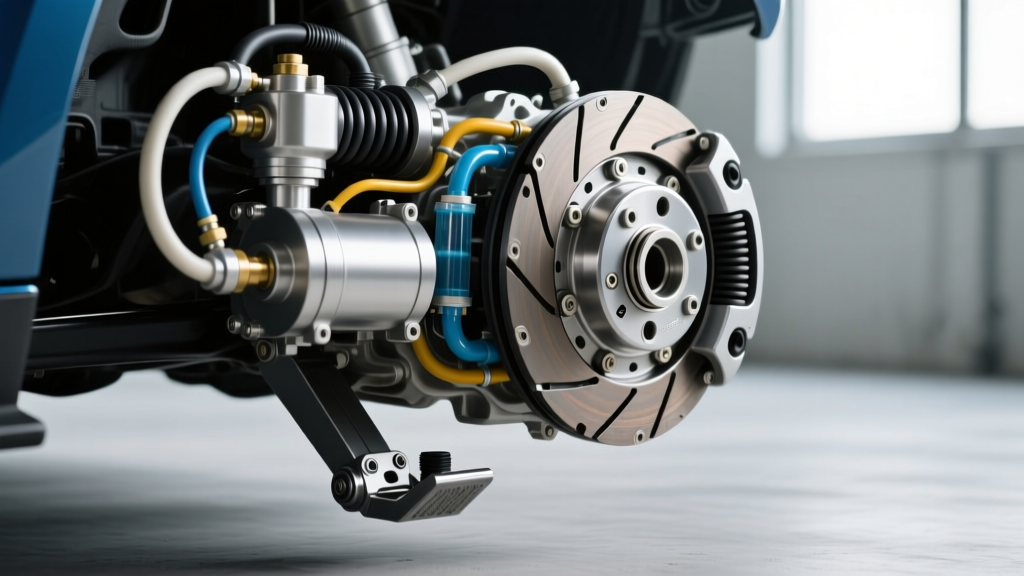
Unlike older cable-driven systems, the MT-82 utilizes a hydraulic Concentric Slave Cylinder (CSC) paired with a firewall-mounted master cylinder. Ford designed this system to be "self-adjusting" regarding clutch disc wear, but this design falls short when aftermarket multi-plate clutches are installed, or when factory plastic components degrade. This model-specific repair guide breaks down the exact diagnostics, torque specifications, and adjustment procedures required to restore flawless pedal feel to your S550 Mustang.
Diagnosing the Big Three: Spongy, Hard, and Vibrating Pedals
Before turning a single wrench, you must accurately identify the symptom profile. The MT-82 hydraulic system translates mechanical pedal force into fluid pressure; any disruption in this closed loop results in distinct pedal behaviors.
1. The Spongy Pedal (Air Ingress & CSC Failure)
A soft, spongy, or "mushy" pedal that fails to return to its resting position or struggles to disengage the transmission is the most common MT-82 complaint. This is almost exclusively caused by aerated DOT 4 fluid or a failing internal seal within the Concentric Slave Cylinder. Because the CSC is located inside the bellhousing, the fluid line routes downward, creating a natural trap for air bubbles. Standard gravity bleeding rarely removes these micro-bubbles, leading to a pedal that feels like stepping on a sponge. If the fluid level in the master cylinder reservoir is dropping without visible leaks in the engine bay, the internal CSC seal has failed, leaking fluid directly onto the MT-82 input shaft.
2. The Hard Pedal (Firewall Flex & Pushrod Binding)
If the clutch pedal feels excessively stiff, notchy, or requires immense physical effort to depress, you are likely experiencing firewall flex or pushrod binding. The S550 sheet metal firewall is relatively thin. Under the high hydraulic pressure generated by heavy-duty aftermarket clutch pressure plates (such as McLeod or Exedy units), the firewall physically bows outward. This flex alters the geometry of the master cylinder pushrod, causing it to bind inside the bore. Furthermore, if a previous owner attempted a DIY hydraulic clutch pedal adjustment by improperly extending an aftermarket adjustable pushrod, it can preload the master cylinder piston, blocking the fluid return port and creating a rock-hard, dangerous pedal.
3. The Vibrating Pedal (Harmonic Feedback & DMF Wear)
A high-frequency vibration or pulsation felt directly through the clutch pedal—especially at idle or during the engagement friction zone—is frequently misdiagnosed as a warped pressure plate. In the S550 MT-82, this is usually traced to two specific failure points: a collapsing Dual Mass Flywheel (DMF) internal spring, or a worn CSC release bearing riding unevenly on the diaphragm fingers. Because hydraulic fluid is incompressible, any mechanical vibration at the bellhousing is transmitted directly through the hard line and into the pedal assembly.
Essential OEM Parts, Torque Specs, and Pricing
Executing a proper repair and hydraulic clutch pedal adjustment requires precision. Below is the definitive 2026 reference table for S550 MT-82 clutch system components, sourced from authoritative parts databases like RockAuto and Ford Performance catalogs.
| Component | OEM / Recommended Part Number | Torque Specification | Est. 2026 Price (USD) |
|---|---|---|---|
| Master Cylinder Assembly | Motorcraft CM-2350548 | 11 lb-ft (15 Nm) | $85 - $120 |
| Concentric Slave Cylinder (CSC) | Ford FR3Z-7A548-A | N/A (Internal) | $110 - $160 |
| Adjustable Pushrod Kit | Steeda 555-7301 (or equivalent) | Locknut: 8 lb-ft | $60 - $90 |
| Hydraulic Fluid | Motorcraft DOT 4 LV (PM-20) | N/A | $12 (per 12oz) |
| Firewall Brace Kit | Steeda 555-7302 | 22 lb-ft (30 Nm) | $45 - $65 |
Step-by-Step Hydraulic Clutch Pedal Adjustment Procedure
True hydraulic clutch pedal adjustment on the MT-82 does not involve adjusting the clutch disc wear (which is handled by the CSC spring tension). Instead, it involves tuning the master cylinder pushrod free-play and executing a high-pressure reverse bleed to eliminate sponginess.
Phase 1: Master Cylinder Pushrod Tuning
If you have installed an aftermarket clutch or are suffering from a hard, binding pedal, you must verify the pushrod clearance.
- Access the Pedal Assembly: Remove the lower dash trim panel (3 push-pins and one 7mm bolt). Locate the master cylinder pushrod connected to the clutch pedal pivot.
- Measure Free-Play: Using a feeler gauge, measure the gap between the pushrod tip and the master cylinder piston depression. The factory specification requires between 0.020" and 0.040" of free-play.
- Adjust the Pushrod: If using an aftermarket adjustable pushrod, loosen the jam nut. Thread the rod inward to increase free-play (fixing a hard/preloaded pedal) or outward to decrease free-play (fixing a pedal that engages too close to the floor). Warning: Never eliminate the free-play entirely. Zero clearance will keep the master cylinder bypass port blocked, leading to catastrophic pressure buildup and blown CSC seals.
- Secure and Test: Tighten the jam nut to 8 lb-ft and cycle the pedal 20 times to check for binding.
Phase 2: Reverse-Bleeding the Concentric Slave Cylinder
To cure a spongy pedal, traditional top-down bleeding is insufficient for the MT-82 due to the upward routing of the hydraulic line from the transmission. You must use a reverse-bleeding pressure injector, a technique heavily endorsed by Mustang specialists at Latemodel Restoration.
- Prepare the Injector: Fill a reverse-bleed syringe with fresh Motorcraft DOT 4 LV fluid.
- Connect at the Transmission: Locate the hydraulic quick-disconnect fitting on the side of the MT-82 bellhousing. Depress the white plastic collar to disconnect the hard line. Attach your reverse-bleeder adapter here.
- Inject Fluid Upward: Slowly push the fluid upward through the line and into the master cylinder. Watch the reservoir under the hood; you will see a stream of micro-bubbles erupting to the surface.
- Monitor the Reservoir: Keep injecting until the fluid in the reservoir is completely devoid of air. Use a turkey baster to extract excess fluid so it does not overflow and damage the engine bay paint.
- Reconnect and Pressurize: Reconnect the hard line to the bellhousing until it clicks. Have an assistant pump the pedal 15 times while you verify the reservoir level remains at the MAX line.
Addressing the Vibrating Pedal: When Adjustment Is Not Enough
If you have completed the pushrod adjustment and reverse-bleed, but a high-frequency vibration persists through the pedal, hydraulic adjustment cannot solve mechanical wear. You are facing a hardware failure inside the bellhousing.
- Dual Mass Flywheel (DMF) Collapse: The S550 uses a DMF to absorb MT-82 gear rattle. Over time, the internal arc springs weaken or break. When the engine is idling, the uneven rotational mass causes the clutch disc to chatter against the pressure plate, sending shockwaves through the hydraulic fluid. Fix: Replace the DMF and clutch kit (approx. $600-$900 in parts).
- CSC Bearing Groove Wear: The CSC release bearing is constantly in light contact with the pressure plate fingers. If the bearing wears unevenly, it "skips" across the fingers at specific RPMs, causing a pulsating pedal. Fix: This requires dropping the transmission (book time: 3.8 hours) and replacing the CSC and pressure plate.
Cost Analysis: DIY vs. Dealership Repair in 2026
Understanding the financial implications of S550 clutch repairs helps owners make informed decisions. Dealerships often refuse to perform hydraulic clutch pedal adjustment or pushrod tuning, opting instead to replace the entire master and slave cylinder assemblies as a single unit, often misdiagnosing firewall flex as a "bad master cylinder."
Dealership Route
A dealership will typically charge 1.5 hours of labor for a master cylinder replacement and fluid flush, plus 4.5 hours if the CSC requires replacement. At an average 2026 dealer rate of $165/hour, expect to pay $250 for a master cylinder flush/swap or upwards of $1,100+ for a full CSC replacement, often without addressing the root cause of firewall flex.
The DIY / Independent Specialist Route
By sourcing your own Motorcraft or Ford Performance parts and investing in a $40 reverse-bleeder kit and an adjustable pushrod, you can resolve spongy and hard pedal issues for under $150. If the transmission must be dropped for a CSC or DMF failure, an independent Mustang specialist will typically charge between $600 and $850 for labor, saving you nearly 30% compared to franchise dealer rates while utilizing superior aftermarket bracing solutions to prevent future firewall flex.
Expert Transmission Insight: Never ignore a sinking clutch pedal in the MT-82. If the CSC fails completely while driving, the hydraulic fluid will dump directly into the bellhousing, contaminating the clutch friction material. What could have been a $150 slave cylinder repair will instantly escalate into a $1,200 clutch disc, flywheel, and fluid cleanup nightmare. Monitor your master cylinder reservoir level at every oil change.