The Physics of Final Drive Ratios in the AP1 vs. AP2
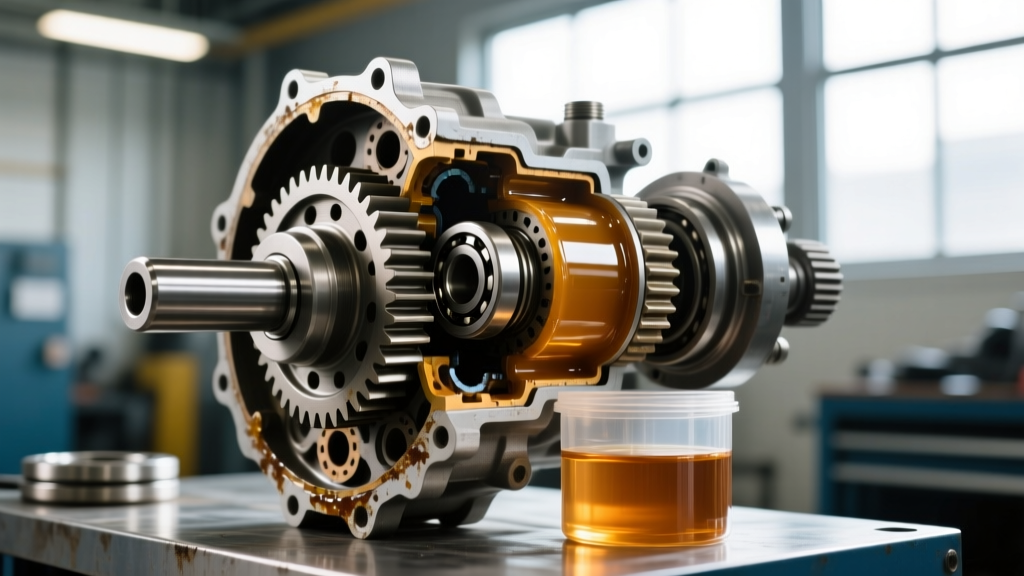
When discussing differential gear ratio and performance in the Honda ecosystem, no platform demands as much precision as the S2000. The AP1 (1999–2003) and AP2 (2004–2009) chassis utilize a dedicated rear differential that fundamentally dictates the car's acceleration profile and track usability. From the factory, Honda equipped the AP1 with a 4.10 final drive ratio, optimized for the F20C engine's 9,000 RPM redline. The AP2, paired with the 2.2L F22C1 and a revised 8,200 RPM redline, received a taller 3.90 ratio to reduce cabin noise, vibration, and harshness (NVH) while improving highway fuel economy.
For track-focused builds and autocross competitors in 2026, the stock AP2 gearing often feels lethargic on tight courses, while AP1 owners frequently seek even shorter ratios to keep the VTEC crossover permanently engaged. Swapping the ring and pinion is a complex model-specific repair that requires meticulous setup, but the performance dividends are massive.
Stock vs. Aftermarket Gear Ratio Comparison
| Final Drive Ratio | Application / Chassis | 1st Gear @ 8,200 RPM (Approx) | Theoretical Top Speed (6th Gear) | Performance Characteristic |
|---|---|---|---|---|
| 3.90 | OEM AP2 (F22C1) | 41 mph | 168 mph | Highway cruising, relaxed NVH |
| 4.10 | OEM AP1 (F20C) | 39 mph | 160 mph | Balanced street/track, OEM VTEC optimization |
| 4.44 | Aftermarket (OS Giken/Cusco) | 36 mph | 148 mph | Aggressive track use, autocross, tight circuits |
| 4.78 | Aftermarket (Drag/Sprint) | 33 mph | 137 mph | Dedicated drag racing, extreme short-course |
Decoding the 'Honda Differential Fluid' Matrix
One of the most common pitfalls for novice Honda enthusiasts is assuming that all Honda differential fluid is interchangeable. When owners search for OEM Honda fluids, they typically encounter three distinct part numbers, and using the wrong one will lead to catastrophic gear failure or limited-slip differential (LSD) chatter.
- VTM-4 Fluid (Part # 08200-9003): Engineered exclusively for the Variable Torque Management AWD system found in the Pilot, Ridgeline, and MDX. It contains specific friction modifiers for the electromagnetic clutches. Never use this in an S2000.
- Dual Pump Fluid II (Part # 08200-9002): Designed for the Real-Time 4WD hydraulic pump systems in the CR-V and Element. Again, completely incompatible with standard hypoid ring and pinion gears.
- Honda Hypoid Gear Oil (GL-5): The S2000 rear differential requires a standard API GL-5 rated Hypoid gear oil, typically in an SAE 85W-90 or 75W-90 viscosity. While Honda dealerships may order a branded OEM Hypoid fluid, most S2000 specialists in 2026 rely on high-end synthetic equivalents like Amsoil Severe Gear 75W-90 or Red Line 75W90 NS (Non-Slip) to handle the extreme shear forces of aftermarket 4.44 gear sets.
Expert Warning: If your S2000 is equipped with an aftermarket clutch-type LSD (like the OS Giken Super Lock or Cusco RS), you must use a GL-5 fluid without excessive friction modifiers. Standard 'Limited Slip' additives will cause the clutch packs to slip prematurely, destroying the LSD and generating excessive heat.
Gear Ratio Swap: Setup, Backlash, and Torque Specs
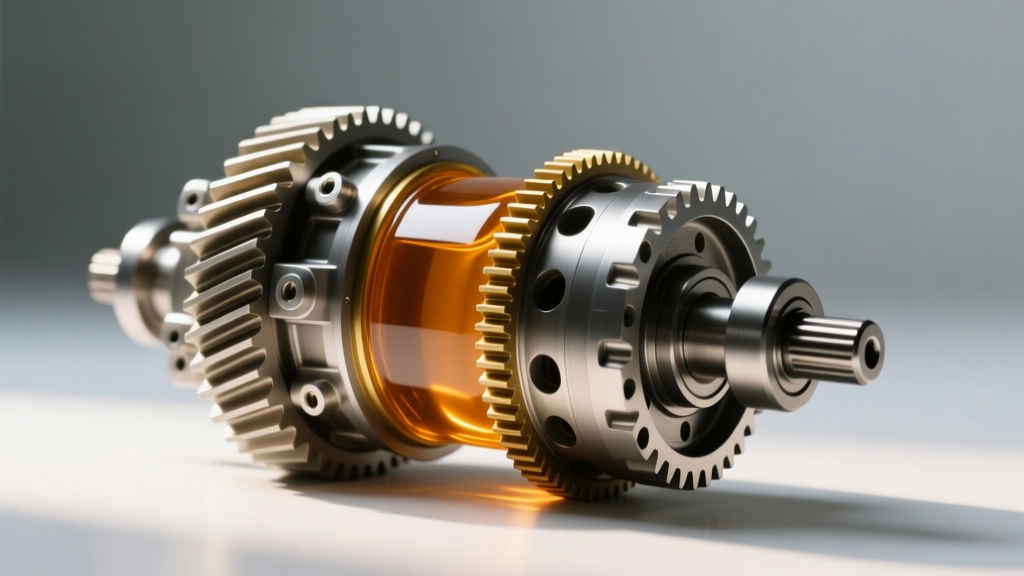
Installing a 4.44 ring and pinion is not a simple bolt-in affair. The gear mesh must be perfectly calibrated using gear marking compound to inspect the drive and coast side contact patterns. Improper setup will result in immediate gear whine and premature tooth shearing under high-RPM VTEC loads.
Critical S2000 Differential Setup Specifications
- Ring Gear to Pinion Backlash: 0.11 mm – 0.16 mm (0.0043 – 0.0063 in). Measured at a minimum of four equidistant points around the ring gear.
- Ring Gear Bolt Torque: 83 Nm (61 lb-ft). Must be applied in a star pattern. We mandate the use of red Loctite 271 on all ring gear bolts during aftermarket ratio swaps to prevent backing out under high-torque launches.
- Pinion Bearing Preload: 1.2 – 1.6 Nm (10.6 – 14.1 lb-in) of rotational resistance (measured with a beam-type inch-pound torque wrench without the axle seals installed).
- Side Bearing Preload: Achieved via selective shims behind the bearing cups. Target total rotational torque (with seals) is 2.5 – 3.5 Nm.
Step-by-Step Differential Fluid Service Procedure
Whether you are breaking in a new gear set or performing routine maintenance, the fluid service procedure requires specific attention to the S2000's rear subframe layout. The differential holds exactly 1.3 Liters (1.37 US Quarts) of fluid.
Required Materials & Torque Specs
- Fluid: 2 Quarts of API GL-5 75W-90 Synthetic Gear Oil.
- Crush Washers: 2x OEM Honda Part # 90471-580000 (18mm). Never reuse the old aluminum crush washers; doing so guarantees a slow seep onto your rear subframe.
- Drain Plug Torque: 44 Nm (32 lb-ft).
- Fill Plug Torque: 44 Nm (32 lb-ft).
Execution Strategy
Always remove the fill plug first. If the fill plug is seized or stripped, and you drain the differential first, the vehicle is stranded until the fill plug can be extracted. The S2000 fill plug is notoriously tight due to its upward-facing angle and exposure to road debris. Apply penetrating fluid 24 hours prior to service. Once both plugs are removed, allow the fluid to drain for a minimum of 30 minutes. The S2000 diff housing features internal baffling that traps fluid; jacking the rear of the car slightly higher on the passenger side can help evacuate the final 100ml of degraded oil and metallic particulate.
Refill using a high-quality pneumatic or hand-pump until the fluid reaches the exact bottom lip of the fill hole. Reinstall the fill plug with a new 18mm crush washer and torque to 32 lb-ft. Wipe the housing with brake cleaner to ensure no residual oil remains, which makes diagnosing future axle seal leaks significantly easier.
LSD Integration and 2026 Market Pricing
If you are swapping gear ratios, it is highly recommended to upgrade the open differential simultaneously. The OEM Honda Torsen (Helical) LSD from the AP2 is a bolt-in upgrade for AP1 chassis and handles up to 250 wheel-horsepower reliably. However, for dedicated track cars running R-compound tires, a 1.5-way or 2-way clutch-type LSD is required to manage inside-wheel lift during heavy trail-braking.
2026 Cost Breakdown: Ratio Swap & Service
| Component / Service | Estimated 2026 Cost (USD) | Notes |
|---|---|---|
| OS Giken 4.44 Final Drive Kit | $1,450 - $1,600 | Includes ring, pinion, and necessary setup shims |
| OS Giken Super Lock LSD | $1,200 - $1,350 | 1.5-way or 2-way configuration |
| Bearing & Seal Master Kit | $180 - $250 | Koyo bearings, OEM Honda axle seals |
| Specialist Setup Labor | $900 - $1,400 | Machine shop press work, backlash pattern setup |
| Fluid & Consumables | $45 - $65 | Synthetic GL-5, crush washers, Loctite, brake clean |
Upgrading your S2000's final drive ratio transforms the chassis from a pleasant weekend cruiser into a ferocious track weapon. However, the longevity of your new ring and pinion relies entirely on strict adherence to setup tolerances and the meticulous selection of the correct Honda differential fluid equivalent. For further technical documentation, consult the Honda Owners Official Documentation or reference the S2Ki Technical Archives for community-verified dyno data and track testing results. For aftermarket gear specifications, the OS Giken Final Gear Catalog remains the industry benchmark for Honda performance applications.