Understanding the 2014 Ram 1500 Front Drivetrain Architecture
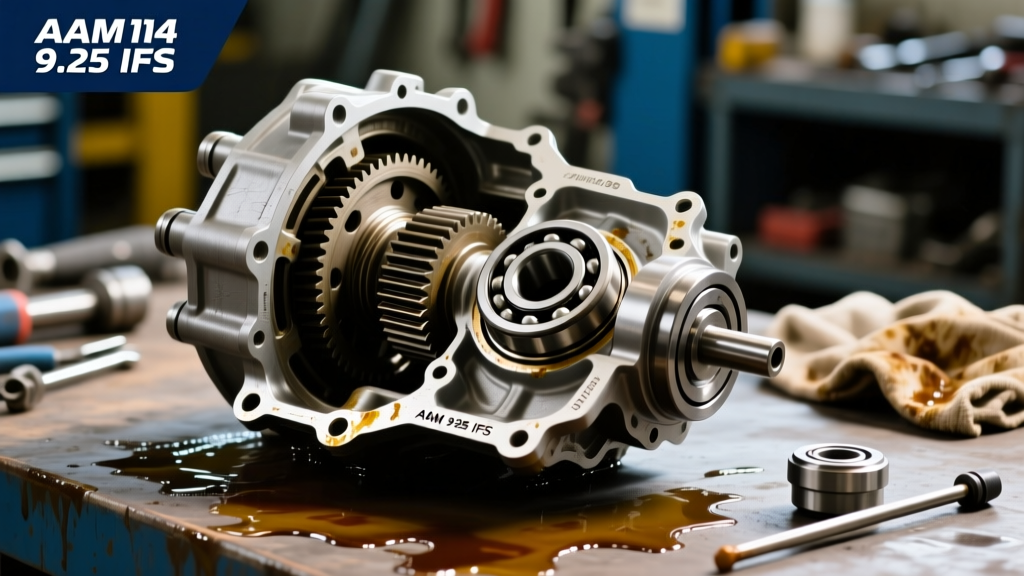
When maintaining the drivetrain of a fourth-generation pickup, identifying the correct 2014 Ram 1500 front differential fluid type is critical for preserving the hypoid gear set and ensuring smooth power delivery to the front wheels. The 2014 model year is a benchmark in Ram's history, bridging the gap between older solid-axle designs and the modern, fuel-efficient Independent Front Suspension (IFS) setups. Most 2014 Ram 1500 4x4 models are equipped with the American Axle & Manufacturing (AAM) 9.25-inch IFS front differential.
Unlike the rear differential, which handles the brunt of towing and payload stresses, the front differential operates primarily during 4WD engagement. However, when engaged on low-traction surfaces, the front ring and pinion endure immense shock loads. As these trucks age into their second decade on the road, selecting the right synthetic gear oil in 2026 is no longer just about meeting factory minimums; it is about extending the lifecycle of aging seals, bearings, and precision-machined gears.
The Viscosity Debate: OEM 75W-85 vs. Aftermarket 75W-90
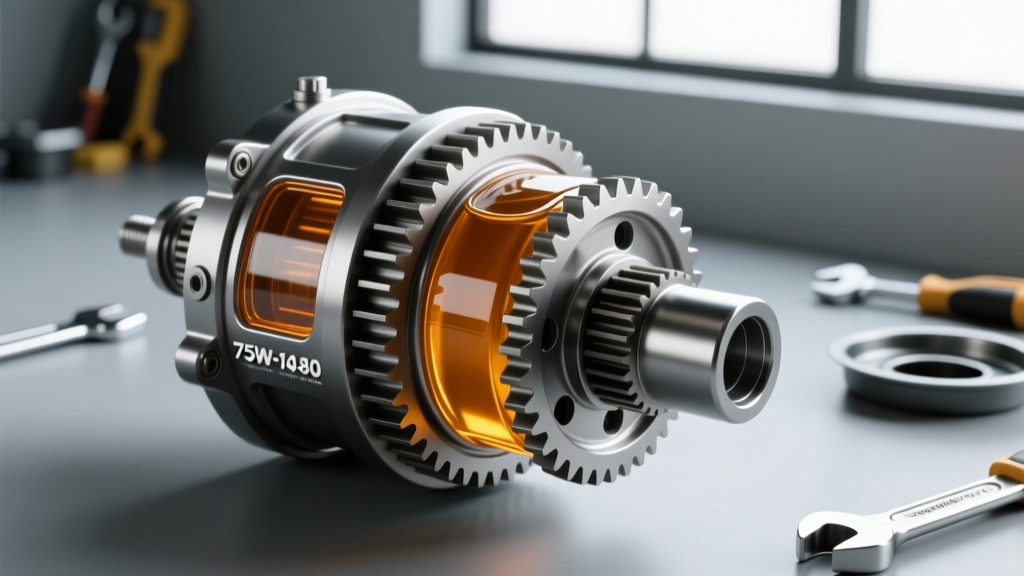
From the factory, Stellantis (formerly Chrysler/FCA) specified a SAE 75W-85 Synthetic API GL-5 gear oil for the front differential. The OEM Mopar part number is typically 05083890AD or 68218655AA. The shift to 75W-85 was largely driven by CAFE (Corporate Average Fuel Economy) standards; a slightly lower high-temperature viscosity reduces parasitic drag within the differential, yielding marginal improvements in highway fuel economy.
Why 75W-90 is the 2026 Expert Recommendation
While 75W-85 is perfectly adequate for stock trucks driven lightly, automotive tribologists and drivetrain specialists increasingly recommend stepping up to a 75W-90 API GL-5 Synthetic for aging 2014 models. As the AAM 9.25 IFS accumulates mileage, internal clearances between the pinion bearings and the ring gear expand microscopically. A 75W-90 fluid provides a thicker hydrodynamic lubricating film at operating temperatures (typically 180°F to 220°F under load), which dampens gear whine, protects against shock-loading during off-road use, and offers superior resistance to thermal shear.
Expert Note: Never use GL-4 fluid in this application. The extreme pressure (EP) additives in GL-5 are mandatory to protect the sliding friction zones of the hypoid gear set. However, ensure your chosen GL-5 fluid is safe for yellow metals if your specific transfer case or axle assembly utilizes brass or bronze synchronizers and thrust washers.
2026 Synthetic Gear Oil Comparison Chart
Below is a curated comparison of the top gear oils suitable for the 2014 Ram 1500 front differential, evaluated on shear stability, cold-weather flow, and extreme-pressure additive packages.
| Brand & Product | Viscosity | Est. Price (Qt) | Additive Tech | Best Application |
|---|---|---|---|---|
| Mopar OEM Synthetic | 75W-85 | $16.50 | Standard GL-5 EP | Strict factory restoration, light-duty commuting |
| AMSOIL Severe Gear | 75W-90 | $22.95 | Proprietary Nano-Friction | Heavy towing, off-road, high thermal loads |
| Red Line 75W-85 | 75W-85 | $24.50 | High Molybdenum/Phosphorus | OEM spec adherence with superior shear stability |
| Valvoline SynPower | 75W-90 | $12.00 | Standard GL-5 EP | Budget-friendly daily driver maintenance |
| Royal Purple Max-Gear | 75W-90 | $26.00 | Synerlec Additive | Noisy differentials needing acoustic dampening |
Pricing reflects average 2026 retail estimates. Always purchase from authorized distributors to avoid counterfeit lubricants.
The 'No Drain Plug' Service Procedure
One of the most frustrating design quirks of the AAM 9.25 IFS front differential is the absence of a traditional drain plug. The housing is sealed to prevent contamination from water and debris during deep fording, but this means gravity draining is impossible without removing the entire differential cover or axle assembly.
Required Tools for Extraction
- Fluid Transfer Pump or Vacuum Extractor (e.g., Mityvac 7300)
- 3/8-inch or 1/2-inch drive socket for the fill plug (typically 14mm or 3/8 hex)
- Shop towels and brake cleaner
- 2 Quarts of selected 75W-85 or 75W-90 GL-5 gear oil
Step-by-Step Extraction Guide
- Preparation: Drive the truck to bring the differential fluid to operating temperature (approx. 15-20 minutes). Warm fluid flows significantly faster through the extraction tube.
- Access the Fill Plug: Locate the fill plug on the passenger-side axle tube or the main differential housing barrel. Clean the area thoroughly with brake cleaner to prevent grit from entering the axle.
- Remove the Plug: Break the plug loose. You may need to apply penetrating oil if the truck has never been serviced. Always remove the fill plug before attempting extraction to prevent creating a vacuum lock inside the housing.
- Extract the Old Fluid: Feed the extraction tube down into the fill hole, pushing it toward the lowest point of the differential sump. Pump out the old fluid. Expect to extract approximately 2.74 pints (1.3 liters).
- Refill: Attach a clean tube to your transfer pump and feed the new synthetic gear oil into the fill hole until it reaches the bottom edge of the plug threads. This indicates the differential is perfectly full.
- Seal and Torque: Reinstall the fill plug and torque to specification.
Critical Torque Specifications & Clearances
Proper fastening of the fill plug is vital. Overtightening can strip the aluminum threads of the IFS housing or crack the casting, leading to catastrophic fluid loss and front axle seizure. Undertightening will result in slow weeping and eventual water ingress.
- Fill Plug Torque: 30 ft-lbs (41 Nm)
- Thread Sealant: If the plug does not feature an integrated rubber O-ring or crush washer, apply a small amount of PTFE thread sealant to the male threads. Do not use liquid RTV silicone, as it can break off and clog internal oil galleries.
- Fluid Capacity: 2.74 Pints (1.30 Liters / 1.37 Quarts). Purchasing two quarts ensures you have enough for the fill and a small top-off if necessary.
Expert FAQ: Friction Modifiers and EcoDiesel Variants
Do I need a Limited-Slip Friction Modifier for the front differential?
No. The front differential on the 2014 Ram 1500 is an open differential. It does not contain clutch packs or a limited-slip mechanism. Adding a friction modifier (like Mopar Limited Slip Additive) to the front axle is unnecessary and can actually reduce the extreme-pressure boundary protection of the gear oil. Friction modifiers are strictly reserved for the rear axle if your truck is equipped with an Anti-Spin (LSD) rear differential.
Does the 2014 EcoDiesel model require a different fluid?
The 2014 Ram 1500 EcoDiesel utilizes the same AAM 9.25 IFS front axle architecture as the 5.7L HEMI V8 models. The fluid specification remains identical (75W-85 or 75W-90 API GL-5). However, because the EcoDiesel produces peak torque much lower in the RPM band (420 lb-ft at 2,000 RPM), the front drivetrain experiences high-torque shock loads earlier in the powerband when 4WD is engaged. For EcoDiesel owners, stepping up to a high-quality 75W-90 synthetic like AMSOIL or Red Line is highly recommended to handle the low-end torque multiplication.
How often should the front differential fluid be changed?
Stellantis officially categorizes the front differential fluid as 'filled for life' under normal operating conditions. However, independent tribology labs and drivetrain experts universally reject this notion. For optimal longevity, especially in 2026 where these trucks are well past the 100,000-mile mark, the front differential fluid should be changed every 50,000 to 60,000 miles, or immediately after any deep-water submersion or heavy off-road use. For a comprehensive look at lubricant analysis and real-world wear metals, communities like Bob Is The Oil Guy offer extensive used oil analysis (UOA) data proving that GL-5 additive packages deplete significantly after 60k miles of thermal cycling.
Final Thoughts on Drivetrain Preservation
Servicing the front differential on a 2014 Ram 1500 requires a bit more ingenuity than a standard rear axle service due to the sealed IFS design. By investing in a quality fluid transfer pump and selecting a premium 75W-90 synthetic gear oil from a reputable manufacturer like Valvoline Global or AMSOIL, you are actively protecting the AAM 9.25 hypoid gears from premature pitting and wear. Adhering to the 30 ft-lbs torque specification and avoiding unnecessary friction modifiers will ensure your front axle remains quiet, cool, and ready to engage the moment you shift the transfer case into 4WD.