The DC5 Hydraulic Architecture: Why the CMC Fails
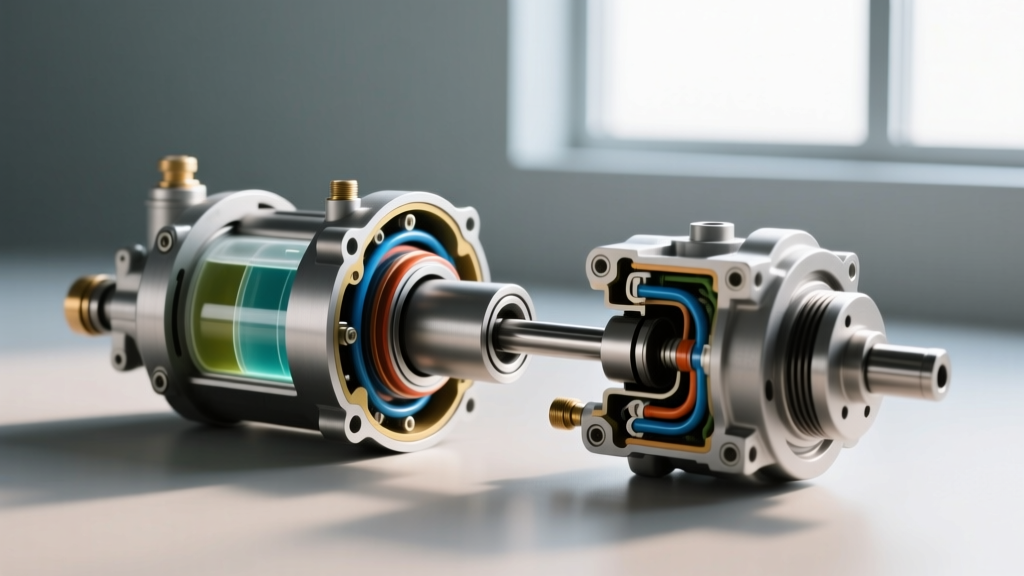
As we navigate the 2026 classic tuner landscape, the Acura RSX (DC5 chassis, 2002-2006) remains a benchmark for K-series manual transmission enthusiasts. Whether you are running a stock K20A3 or a fully built K24 swap, the hydraulic clutch actuation system is the critical link between your foot and the transmission. The clutch master cylinder (CMC) is the linchpin of this system. Over time, the internal EPDM rubber seals degrade, the aluminum bore can score, and the plastic reservoir caps develop micro-fractures. Understanding the exact mechanical failure points is essential for accurate diagnosis, as many RSX owners mistakenly blame the transmission synchronizers or the slave cylinder when the root cause lies at the firewall.
5 Definitive RSX Clutch Master Cylinder Symptoms
Diagnosing a failing RSX clutch master cylinder requires looking past generic 'bad clutch' assumptions. Here are the five specific symptoms that indicate CMC failure, backed by hydraulic principles.
1. The 'Sinking Pedal' at Stoplights (Internal Seal Bypass)
This is the most common and dangerous symptom. When you are sitting at a redlight with the clutch pedal depressed and the car in first gear, the pedal slowly sinks toward the floor, eventually causing the car to creep forward or stall. The mechanical cause: The primary cup seal inside the CMC bore has worn or hardened. Under sustained high-pressure loads, hydraulic fluid bypasses the seal and returns to the reservoir instead of being held in the hard line. Because the fluid is simply relocating within the sealed system, you will not see external leaks.
2. Incomplete Disengagement and 2nd-to-3rd Gear Crunch
If your RSX grinds specifically when shifting into reverse or during rapid 2nd-to-3rd gear transitions, the CMC may be failing to displace adequate fluid volume. The OEM Acura RSX CMC utilizes a 5/8-inch (0.625") bore. If the internal bore becomes scored from particulate contamination, or if the pushrod clevis pin wears out, the pedal stroke will not translate into full piston travel at the slave cylinder. The clutch pressure plate fingers are not fully lifted off the friction disc, causing input shaft drag and synchronizer clash.
3. External Weeping at the Firewall Clevis
Inspect the area under the dashboard where the clutch pedal assembly meets the firewall. If you see a misting of brake fluid or wet, dark grime accumulating on the pedal stop pad, the CMC's rear pushrod seal has failed. This external leak introduces air into the hydraulic system during the pedal's return stroke (when the system experiences a brief vacuum state), leading to a spongy pedal feel that worsens after aggressive driving.
4. Spongy Pedal Return and Vacuum-Assist Confusion
Unlike the brake system, the RSX clutch is not vacuum-assisted. If the pedal feels unusually light on the return stroke or fails to snap back to the pedal stop, the CMC's internal return spring may be fatigued, or the fluid is aerating. Aerated fluid (micro-bubbles) compresses under pressure, robbing the pedal of its firm, linear feedback. This is often exacerbated by a failing reservoir cap diaphragm that allows moisture and air to enter the system.
5. Reservoir Cavitation and Fluid Drop
If the fluid level in the shared brake/clutch reservoir drops, but the brake calipers and hard lines are dry, the CMC is likely leaking externally into the cabin insulation or down the firewall. Additionally, if you remove the reservoir cap and see a vortex or cavitation while a helper pumps the clutch, the internal check valve of the CMC is malfunctioning, pulling air from the reservoir into the high-pressure line.
Firewall Flex: The RSX-Specific Phantom Symptom
Expert Warning: Before replacing your CMC for 'spongy pedal' symptoms, you must rule out DC5 firewall flex. The RSX firewall is constructed from relatively thin sheet metal. When upgrading to heavy-duty pressure plates (like an ACT HDSS or Competition Clutch Stage 3), the clamping force required can cause the firewall to bow outward by up to 4mm under heavy pedal pressure. This flex absorbs hydraulic stroke, perfectly mimicking a failing master cylinder or air in the lines. Installing a steel CMC stiffener brace between the master cylinder and the strut tower is mandatory for any high-torque K-series build.
Component Comparison: OEM vs. Aftermarket CMCs
Choosing the right replacement depends on your clutch setup. Upgrading to a larger bore changes the pedal ratio and feel. Consult the K20A.org Technical Forums for community-tested pedal feel data on aftermarket setups.
| Component / Brand | Bore Size | OEM Part Number | Est. Price (2026) | Best Application |
|---|---|---|---|---|
| Acura OEM Genuine | 5/8" (0.625") | 46920-S6M-A06 | $85 - $110 | OEM+ Street, smooth engagement |
| Exedy OE Replacement | 5/8" (0.625") | HC0109 | $45 - $60 | Budget daily driver, stock clutch |
| Aftermarket Race (ACT/Wilwood) | 3/4" (0.750") | Various | $120 - $160 | Heavy ceramic/metallic pucks, track use |
Note: Swapping to a 3/4" bore CMC will increase pedal effort by approximately 15-20% but provides the necessary fluid displacement to actuate heavy aftermarket slave cylinders and pressure plates without delay.
Precision Replacement: Torque Specs and Line Routing
When replacing the RSX clutch master cylinder, precision is paramount to prevent stripping the aluminum firewall nuts or cracking the fragile OEM plastic hard lines. Sourcing parts from reliable catalogs like RockAuto ensures you get fresh-date EPDM seals.
- CMC Mounting Nuts (10mm): Torque to 12 Nm (9 lb-ft). Do not overtighten; the DC5 firewall studs are prone to snapping if corroded.
- Hard Line Flare Nut (10mm): Torque to 10 Nm (7.5 lb-ft). Use a flare-nut wrench to avoid rounding the soft brass/aluminum fitting.
- Clevis Pin Retainer: Always replace the OEM cotter pin or spring clip with a new one. A loose clevis pin introduces 2-3mm of dead play at the top of the pedal stroke.
- Line Upgrade: The OEM plastic hard line is notorious for expanding under heat and pressure. Upgrading to a stainless steel braided clutch line (e.g., Goodridge or Techna-Fit) eliminates line swell and drastically improves pedal consistency.
Advanced Bleeding Protocols for the K-Series
The K-series transmission utilizes a concentric slave cylinder (CSC) or a traditional side-mounted slave depending on the exact swap and bellhousing configuration. For the standard RSX 5-speed and 6-speed, the slave is mounted externally on the front of the transmission bellhousing, making it relatively accessible but prone to trapping air in the banjo bolt or hard line routing.
The Reverse-Pressure Bleed Method
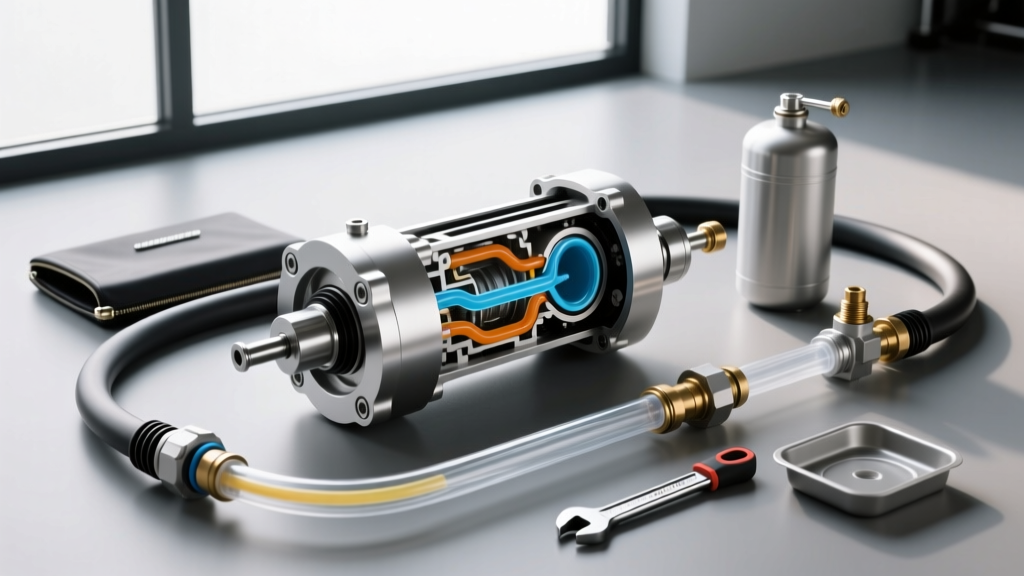
Traditional gravity bleeding or pedal-pumping often leaves micro-bubbles trapped in the CMC's internal valving. For a rock-solid pedal, use a reverse pressure bleeder (like a Motive Products Power Bleeder):
- Attach the pressure bleeder to the slave cylinder bleed nipple.
- Push fresh Pentosin DOT 4 or Motul RBF 600 fluid upward through the system, forcing air out into the master cylinder reservoir.
- Keep the reservoir cap loosely covered with a rag to catch fluid, ensuring the fluid level does not overflow and damage the DC5's interior carpet or paint.
- Once bubble-free fluid enters the reservoir, close the slave nipple and perform 10 slow, full-stroke pedal pumps to seat the CMC's internal seals.
Final Diagnostic Takeaways
Ignoring RSX clutch master cylinder symptoms will inevitably lead to transmission damage. Forcing a gear when the clutch is only 80% disengaged chips the synchronizer brass and accelerates wear on the dog teeth. By understanding the hydraulic nuances of the DC5 chassis, recognizing the difference between internal seal bypass and firewall flex, and adhering to strict torque and bleeding protocols, you can maintain the razor-sharp shifting feel that made the RSX a legend in the first place. Always pair a new CMC with a fresh fluid flush and a thorough inspection of the clutch delay valve and slave cylinder to ensure complete system harmony.