The Domino Effect: Diagnosing Clutch Slave Cylinder Symptoms
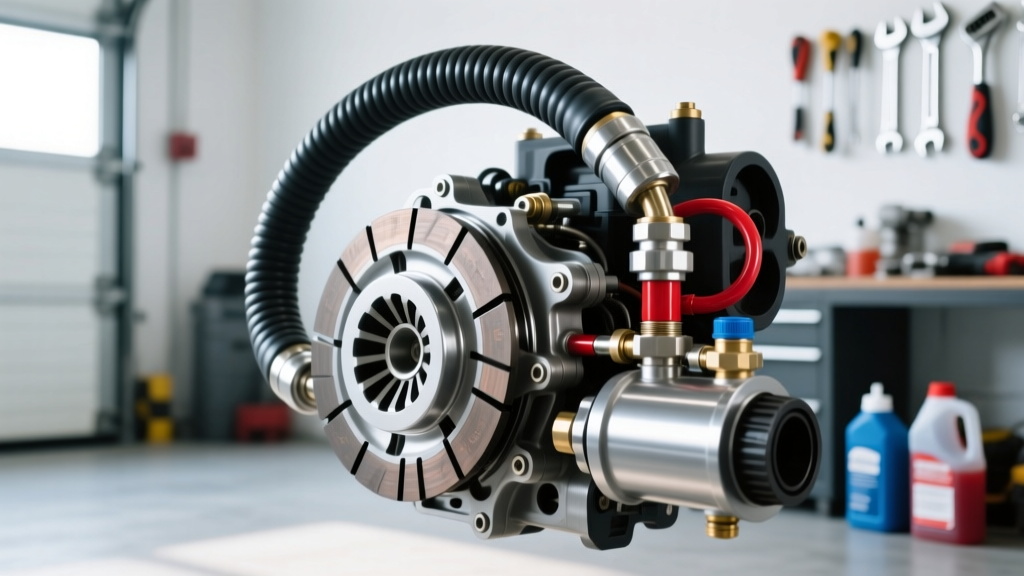
The hydraulic clutch system in modern manual vehicles is a closed-loop hydraulic circuit designed to multiply pedal force and translate it into mechanical movement at the transmission bellhousing. When the slave cylinder begins to fail, the symptoms are rarely isolated. A failing slave cylinder directly impacts hydraulic pressure, pedal feel, and critically, the fluid dynamics within the clutch master cylinder reservoir. For automotive technicians and DIY enthusiasts, understanding the nuanced symptoms of slave cylinder degradation is the first step in preventing catastrophic transmission damage and avoiding unnecessary parts replacement.
In this comprehensive diagnostic and buyer's guide, we break down the exact failure modes of both Concentric Slave Cylinders (CSC) and External Slave Cylinders (ESC), how they interact with the master cylinder reservoir, and which OEM and aftermarket brands offer the most reliable replacements in 2026.
5 Critical Clutch Slave Cylinder Symptoms
Slave cylinder failures generally fall into two categories: internal seal bypass and external fluid leaks. Both result in a loss of hydraulic volume and stroke. Here are the primary symptoms to monitor.
1. Spongy or Inconsistent Pedal Travel
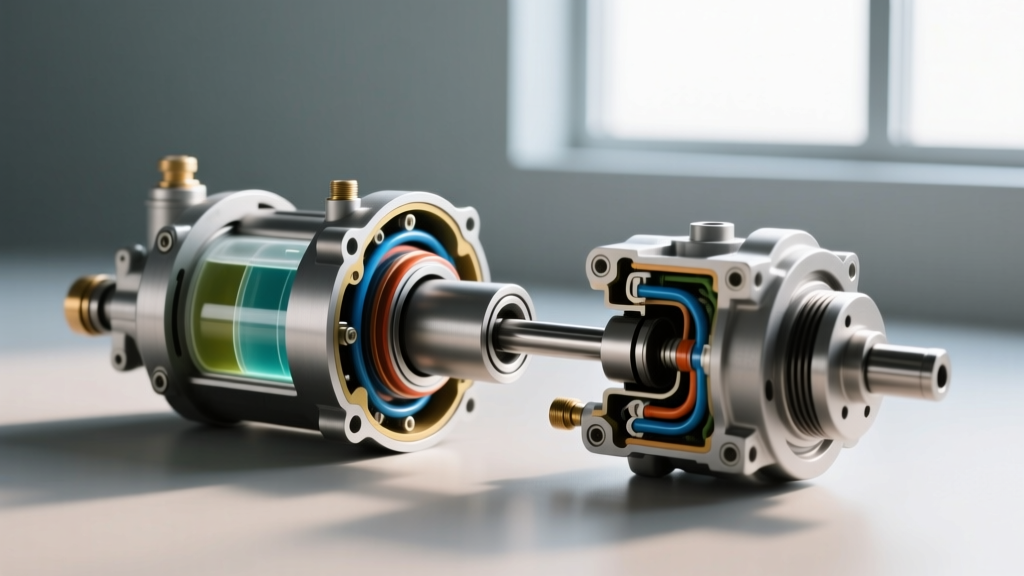
A spongy clutch pedal is the hallmark of air in the hydraulic lines. However, air doesn't just appear; it is ingested through failing secondary cup seals inside the slave cylinder bore. When the slave cylinder piston retracts, a worn seal can pull air past the lip instead of maintaining a fluid-tight vacuum. This results in a pedal that feels 'mushy' and lacks a distinct engagement point. Unlike brake systems, clutch hydraulics operate at lower pressures (typically 400-800 PSI), meaning microscopic seal degradation can cause significant pedal feel issues long before a visible leak occurs.
2. Pedal Sticking to the Floorboard
If your clutch pedal sinks to the floor and refuses to return, you are likely experiencing an internal bypass or a complete external blowout. In an internal bypass, the primary piston seal fails to hold pressure, allowing hydraulic fluid to route back into the supply line rather than pushing the release bearing. In severe cases, the return spring inside an external slave cylinder may snap, or the piston may physically exit the bore, causing total hydraulic collapse.
3. Fluid Loss at the Bellhousing or Firewall
For vehicles equipped with an External Slave Cylinder (ESC) mounted on the outside of the bellhousing (common in older Jeep Wranglers, Ford F-150s, and Honda Civics), you will often see DOT 3 or DOT 4 fluid weeping from the rubber dust boot. For Concentric Slave Cylinders (CSC) mounted inside the bellhousing around the transmission input shaft (common in BMW, Audi, and modern GM trucks), fluid will drip from the bellhousing inspection cover or weep hole. If you notice fluid loss, immediately check the clutch master cylinder reservoir to determine the severity of the leak.
4. Gear Grinding and Incomplete Disengagement
The slave cylinder must travel a precise distance (stroke) to fully compress the clutch pressure plate diaphragm. If the slave cylinder is leaking internally, the stroke volume is reduced. The clutch disc remains partially engaged with the flywheel, causing severe gear grinding when attempting to shift into first or reverse while stationary. This symptom is frequently misdiagnosed as a worn clutch disc or a damaged synchronizer, leading to unnecessary transmission teardowns.
5. The Reservoir Vacuum Effect
Sometimes, the slave cylinder is perfectly fine, but it mimics failure due to an issue at the top of the system. The clutch master cylinder reservoir features a flexible rubber diaphragm under the cap that collapses as fluid leaves the reservoir. If this diaphragm becomes brittle and sticks, or if the cap vent is clogged, a vacuum is created in the hydraulic line. This vacuum prevents the slave cylinder from returning to its resting position, resulting in a dragging clutch and premature release bearing wear.
The Master Cylinder Reservoir: Your Diagnostic Starting Point
Before ordering a replacement slave cylinder, a thorough inspection of the clutch master cylinder reservoir is mandatory. In many modern vehicles, such as the Volkswagen Golf GTI or the Subaru WRX, the clutch hydraulic system shares a single fluid reservoir with the brake master cylinder. A dedicated partition inside the reservoir ensures that a total clutch fluid loss will not compromise the primary braking system.
When diagnosing slave cylinder symptoms, follow this protocol:
- Inspect the Fluid Level: A sudden drop in fluid level confirms an external leak (either at the slave, the hard line fittings, or the master cylinder pushrod seal).
- Check for Contamination: If the fluid in the reservoir is black or contains suspended rubber particles, the internal seals of both the master and slave cylinders have degraded. Swelling rubber indicates the wrong fluid was used (e.g., mineral oil or DOT 5 silicone in a DOT 4 system). In this scenario, the entire hydraulic system must be replaced and flushed.
- Test the Cap Diaphragm: Remove the reservoir cap and press on the rubber membrane. It should be highly pliable. If it is rigid or torn, replace the cap immediately to restore proper atmospheric venting.
For deeper insights into hydraulic fluid standards and contamination, refer to the FMVSS 116 Motor Vehicle Brake Fluid standards, which dictate the boiling points and chemical compatibility of DOT fluids used in clutch systems.
Buyer's Guide: Concentric (CSC) vs. External Slave Cylinders (ESC)
When replacing a failed unit, understanding the architecture of your specific transmission is vital for estimating labor and parts costs.
Concentric Slave Cylinders (CSC)
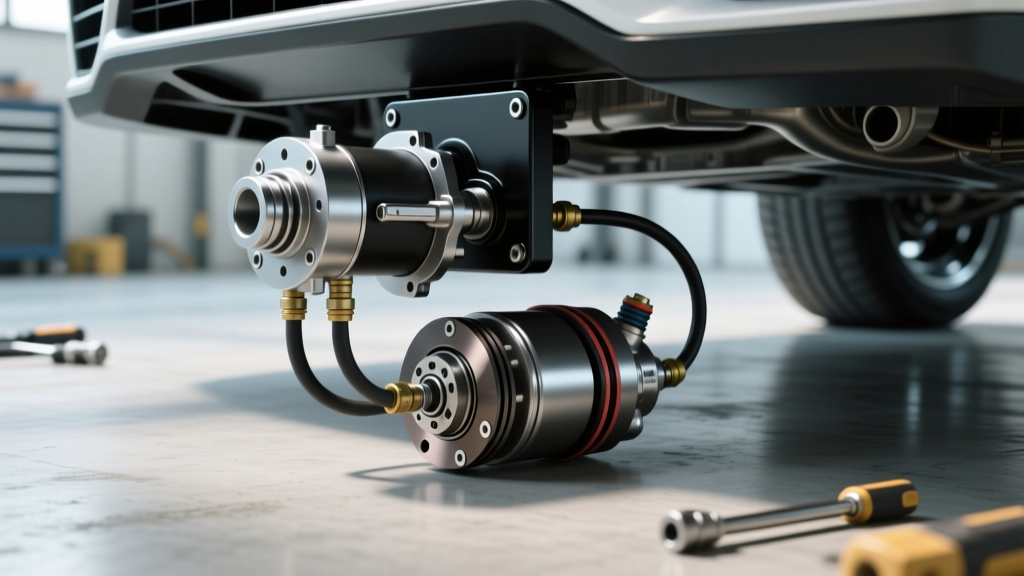
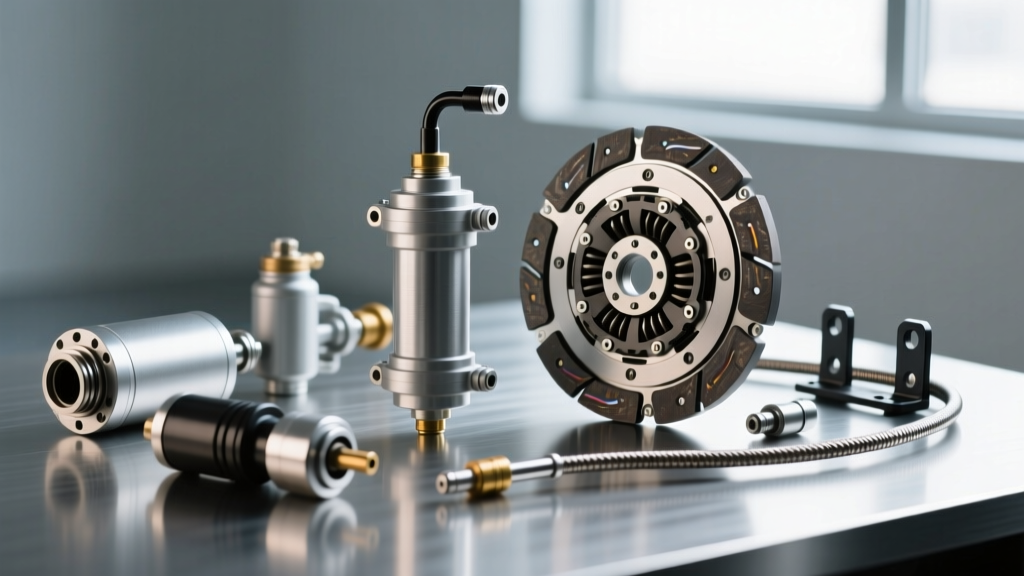
A CSC acts as both the hydraulic actuator and the release bearing, sliding over the transmission input shaft. Because it is housed inside the bellhousing, replacing a failed CSC requires complete transmission removal. Labor costs for CSC replacement typically range from $800 to $1,500 depending on the vehicle (e.g., GM 6.6L Duramax or BMW ZF 6-speed). Expert Tip: Always replace the clutch disc, pressure plate, and flywheel when replacing a CSC, as the labor overlap is already paid for.
External Slave Cylinders (ESC)
An ESC mounts externally to the transmission case and pushes a mechanical fork. Replacement is straightforward, often requiring only 15 to 30 minutes of labor ($100-$200). Because the labor is cheap, it is generally not cost-effective to replace the clutch assembly simultaneously unless it is near the end of its service life.
2026 Market Comparison: Top OEM & Aftermarket Brands
When sourcing a replacement slave cylinder or a complete clutch master cylinder reservoir and line kit, brand selection dictates longevity. Below is a comparison of the top tier manufacturers dominating the hydraulic clutch market.
| Brand | Market Position | Avg. Price Range (Slave) | Best Application | Warranty |
|---|---|---|---|---|
| LuK (Schaeffler) | Premium OEM | $85 - $160 | VW, Audi, Ford, GM | 2 Years |
| Sachs (ZF) | Premium OEM | $90 - $180 | BMW, Porsche, Volvo | 2 Years |
| FTE Automotive | Specialty OEM | $70 - $140 | European Performance | 1 Year |
| Exedy | OEM / Performance | $60 - $120 | Subaru, Nissan, Toyota | 1 Year |
| Dorman | Aftermarket Budget | $35 - $75 | Older Domestic / Beaters | Limited Lifetime |
For comprehensive technical repair solutions regarding hydraulic actuation, Schaeffler's LuK aftermarket portal provides excellent exploded diagrams and bleeding procedures for their CSC units.
Technical Specifications & Torque Requirements
Proper installation of a slave cylinder requires adherence to specific torque specifications to prevent cracking the aluminum housings or stripping the transmission case threads.
- CSC Mounting Bolts (Typical M8 x 1.25): Torque to 22 Nm (16 lb-ft). Over-torquing can warp the CSC housing, leading to premature seal failure.
- ESC Mounting Bolts (Typical M10 x 1.5): Torque to 35 Nm (26 lb-ft).
- Hydraulic Line Banjo/Fitting Torque: 12-15 Nm. Always use new copper or aluminum crush washers.
- Fluid Specification: Modern vehicles (2018+) with tight ABS and clutch tolerances require DOT 4 LV (Low Viscosity) fluid. Standard DOT 3 or DOT 4 may cause sluggish pedal return in sub-zero temperatures. Never use DOT 5 (Silicone) in a system designed for polyglycol ethers, as it will destroy the EPDM rubber seals in the master and slave cylinders.
Bleeding Protocols for Modern Hydraulic Systems
Replacing the slave cylinder is only half the battle; removing entrapped air is where most DIY mechanics fail. Modern clutch lines feature complex routing and integrated hydraulic dampers (designed to absorb gear rattle) which act as air traps.
While traditional 'pump-and-hold' manual bleeding can work on simple ESC systems, Concentric Slave Cylinders almost always require pressure bleeding or vacuum bleeding. Using a tool like the Motive Power Bleeder pressurizes the clutch master cylinder reservoir to 15-20 PSI, forcing fluid and air bubbles down through the slave cylinder bleeder valve. For stubborn air pockets trapped in the hydraulic damper, a vacuum bleeder attached to the slave cylinder bleed screw can pull air out more effectively than pressure alone.
For further diagnostic flowcharts on hydraulic clutch malfunctions, the AA1Car hydraulic clutch diagnostic library remains an excellent reference for tracking down elusive pedal drop issues.
Final Verdict
Ignoring early clutch slave cylinder symptoms inevitably leads to being stranded with a vehicle that cannot shift into gear. By monitoring your clutch master cylinder reservoir for fluid drops and contamination, you can catch seal degradation before it destroys the release bearing or flywheel. When the time comes for replacement, invest in OEM-tier brands like LuK or Sachs, adhere strictly to torque specs, and utilize pressure bleeding to ensure a crisp, reliable pedal feel for the next 100,000 miles.