The True Cost of Torque Converter Bearing & Seal Failures in 2026
The torque converter is a marvel of hydrodynamic engineering, but its internal longevity relies entirely on a network of precision bearings and high-pressure seals. When these micro-components degrade, the resulting symptoms—ranging from high-pitched whining to catastrophic fluid loss and torque converter clutch (TCC) shudder—often mimic larger transmission failures. For fleet managers, independent shop owners, and DIY enthusiasts, understanding the exact cost breakdown of torque converter bearing and seal repairs is critical to avoiding unnecessary full-unit replacements.
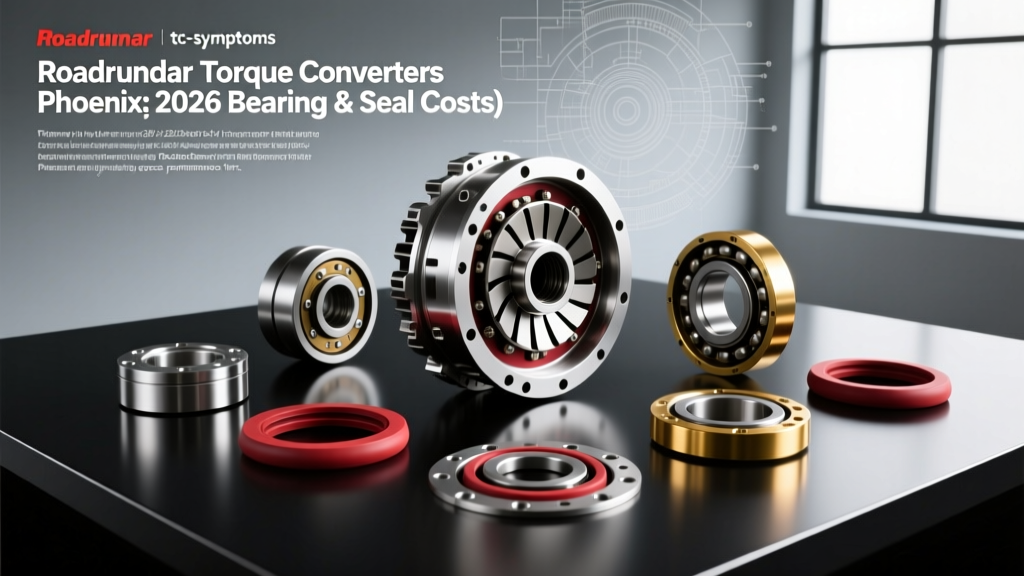
In this 2026 cost analysis, we are benchmarking regional rebuilders to provide accurate pricing data. Facilities like Roadrunner Torque Converters Phoenix serve as an excellent baseline for Southwest US market rates, offering deep insights into what a specialized bearing and seal overhaul actually costs versus dealership OEM replacement pricing. Below, we dissect the micro-mechanics of these failures, provide a diagnostic matrix, and outline the exact labor and parts costs you should expect this year.
Anatomy of Degradation: Why Bearings and Seals Fail
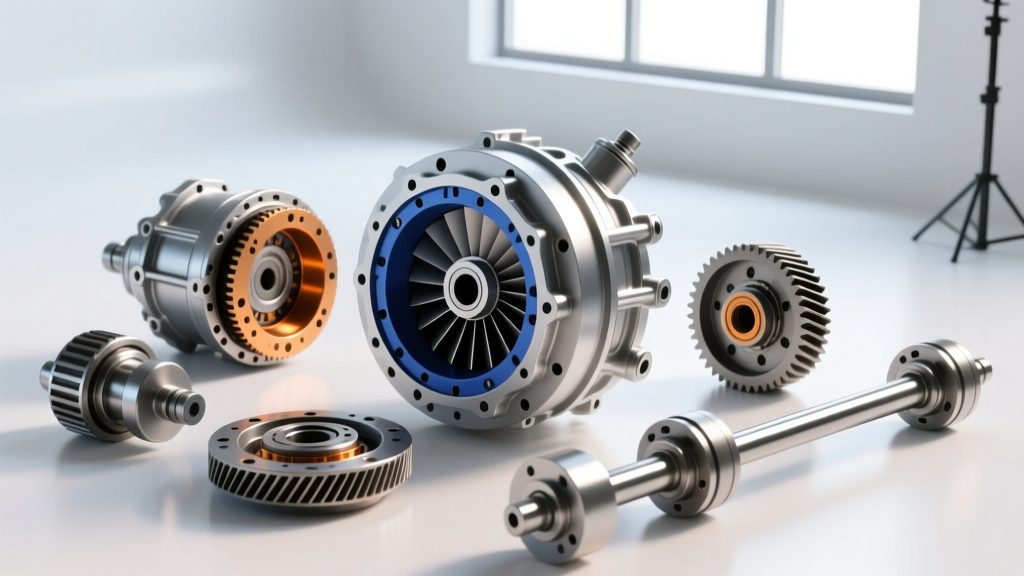
Before analyzing costs, it is vital to understand the mechanical stressors that destroy torque converter internals. The converter houses two primary bearing sets and multiple sealing surfaces:
- Stator Support Bearings: These bear the axial and radial loads of the stator assembly. When the needle bearings or roller cages fatigue, the stator wobbles, scoring the stator support tube on the transmission pump and generating a distinct whine.
- Turbine Hub Bearings: Located where the turbine shaft mates with the transmission input shaft, failure here causes rotational drag and metal contamination in the transmission pan.
- Front Hub Seals & O-Rings: The front pump seal (lip seal) and the internal hub Teflon or rubber O-rings maintain the hydraulic boundary between the converter and the transmission pump. Wear on the converter hub surface (scoring) will destroy a new seal in under 500 miles.
- TCC Piston Seals: Internal O-rings that seal the apply side of the torque converter clutch. Failure results in TCC slip, shudder, and codes like P0741.
2026 Market Benchmark: Roadrunner Phoenix Pricing Analysis
Dealerships rarely rebuild torque converters; they replace them. However, specialized transmission shops and dedicated rebuilders like Roadrunner Torque Converters in Phoenix, AZ, cut the converter open, replace the failing bearings and seals, balance the unit, and weld it shut. Below is a comparative cost breakdown for a standard rear-wheel-drive application (e.g., GM 4L60E/6L80 or Ford 6R80) in 2026.
| Service / Component | Specialist Rebuilder (e.g., Roadrunner Phoenix) | Dealership OEM Replacement |
|---|---|---|
| Torque Converter Cut & Weld (Labor) | $125 - $175 | N/A (Sold as sealed unit) |
| Bearing & Seal Kit (Sonnax/SKF) | $45 - $90 | $650 - $1,100 (Full Assembly) |
| Stator / Turbine Hub Machining | $35 - $60 | Included in OEM Part |
| Dynamic Balancing | $40 - $55 | Factory Balanced |
| Total Component Rebuild Cost | $245 - $380 | $650 - $1,100 |
| Shop R&R Labor (8-12 Hours @ $165/hr) | $1,320 - $1,980 | $1,485 - $2,200 |
| Grand Total (Out the Door) | $1,565 - $2,360 | $2,135 - $3,300 |
Note: Pricing reflects 2026 average labor rates. Specialty heavy-duty or high-stall racing converters may incur a 20-30% premium for upgraded billet bearing cages and Viton seals.
Diagnostic Matrix: Differentiating Seal Leaks from Bearing Whine
Misdiagnosing a seal leak as a failing transmission pump, or a bearing whine as a failing planetary gearset, is an expensive mistake. Use this diagnostic framework to isolate torque converter bearing and seal issues before authorizing a teardown.
1. The Bearing Whine Test
A failing stator or turbine bearing produces a high-frequency mechanical whine. To confirm the torque converter is the culprit:
- Start the vehicle in Park or Neutral. The whine should be present and scale linearly with engine RPM.
- Shift into Drive (with the brake firmly applied). If the pitch or volume of the whine changes drastically, or disappears entirely, the load change has shifted the bearing alignment, confirming an internal converter bearing failure.
- Check the transmission pan. A fine, glitter-like metallic paste on the magnets indicates bearing cage disintegration. Large flakes suggest planetary or thrust washer failure.
2. The Seal Leak & Pressure Drop Test
Front hub seal failures are often misdiagnosed as rear main engine seal leaks. Furthermore, internal TCC seal failures cause hydraulic cross-leaks.
- Visual Inspection: Look for Dexron VI or ULV fluid weeping from the bellhousing inspection cover. If the fluid is red or brown (not black engine oil), the front pump seal or converter hub O-ring has failed.
- TCC Slip Codes: If you experience a shudder between 40-55 mph accompanied by P0741 (TCC Stuck Off) or P1870 (Transmission Component Slipping), the internal TCC piston seals are likely bypassing fluid. This requires cutting the converter open; external transmission repairs will not fix this.
For deeper diagnostic flowcharts on hydraulic cross-leaks, consult the Sonnax technical resources library, which provides exhaustive line-pressure testing protocols for seal degradation.
Model-Specific Vulnerabilities: 6L80 and ZF 8HP
Not all torque converters are created equal. In 2026, certain transmission models are notorious for specific bearing and seal failures, which directly impacts the repair cost and required aftermarket upgrades.
GM 6L80 / 6L90 Front Hub Scoring
The GM 6L80 torque converter hub rides directly on the transmission front pump stator support. Over time, microscopic movement and inadequate lubrication during cold starts cause the converter hub to score. If a rebuilder simply replaces the front lip seal (e.g., SKF 22x42x7 radial seal) without addressing the scored hub surface, the new seal will leak within 1,000 miles. The proper repair involves installing a hardened steel sleeve (like the Sonnax 34101-01K sleeve kit) to restore the sealing surface. This adds roughly $35 to the parts cost but saves a $1,500 R&R labor repetition.
ZF 8HP Stator Bearing Overload
The ZF 8HP (found in Ram, BMW, and Jaguar applications) utilizes a highly compact torque converter with a lockup clutch that operates in almost every gear. The constant micro-slip of the TCC generates immense thermal load, which bakes the internal stator support bearings and degrades the Teflon sealing rings on the stator shaft. When rebuilding a ZF 8HP converter, shops must upgrade to high-temp Viton O-rings and precision-machined stator bearings. Expect a $75 to $120 premium on the parts kit for ZF applications compared to legacy 4-speed or 6-speed units.
Reinstallation Protocols: Critical Torque Specs & Clearances
Even the highest-quality bearing and seal rebuild from a premier facility will fail if the reinstallation protocol is botched. The alignment of the converter to the flexplate and the pump seal is paramount.
Pre-Lube and Seal Protection
Never install a front pump seal or converter hub O-ring dry. Use a dedicated transmission assembly gel or a liberal coating of the specific ATF (e.g., ZF Lifeguard 8 or Dexron ULV). Standard petroleum-based assembly lubes can swell and degrade modern synthetic rubber and Teflon seals. Furthermore, wrap the splines of the transmission input shaft with electrical tape or use a specialized spline sleeve when sliding the converter over the shaft to prevent cutting the new internal hub O-rings.
Crucial Torque Specifications
Improper torque on the flexplate-to-converter bolts will warp the converter cover, immediately destroying the newly installed front bearing and causing severe vibration. Always use new, high-grade OEM bolts.
- GM M10x1.5 Flexplate to Converter Bolts: 33 lb-ft (45 Nm). Do not exceed; the converter cover is relatively thin stamped steel.
- Ford M12x1.25 Flexplate to Converter Bolts: 60 lb-ft (81 Nm).
- Bellhousing to Engine Block (Typical M10/M12): 37 to 50 lb-ft (50 to 68 Nm) depending on the specific block material. Misaligned bellhousings put lateral stress on the front bearing.
- Endplay / Pull-up Clearance: Before tightening the flexplate bolts, ensure the converter is fully seated into the transmission pump. There should be a 1/8-inch to 3/16-inch (3mm to 5mm) gap between the flexplate and the converter mounting pads. If the converter is flush with the flexplate before bolting, it is not seated in the pump gears, and tightening the bolts will instantly crack the transmission pump housing or destroy the front bearing.
The Economic Tipping Point: Rebuild vs. Replace
When faced with a torque converter bearing or seal failure, the decision to rebuild or replace hinges on the condition of the internal turbine and stator clutches. If the failure is caught early—meaning the bearing whine was diagnosed before the needle cage shattered and scored the internal hydraulic passages—a specialist rebuild focusing on bearings and seals is the most economically sound choice. Leveraging regional experts provides massive savings over OEM dealership networks, keeping heavy-duty and daily-driver vehicles on the road without compromising hydraulic integrity or rotational balance.