The True Cost of Upgrading: RNG Performance Clutch Kit Pricing vs. Market Averages
As forced induction and high-displacement naturally aspirated platforms continue to dominate the aftermarket in 2026, the factory clutch remains the most common bottleneck in the drivetrain. When evaluating the RNG Performance clutch kit lineup against legacy brands like Exedy, ACT, and South Bend, buyers are often confronted with a dizzying array of friction materials and price points. A clutch upgrade is not merely a parts purchase; it is a complex financial and mechanical decision where the initial kit cost is often dwarfed by installation labor and ancillary component requirements.
This comprehensive cost analysis breaks down the exact pricing tiers of the RNG Performance clutch kit, compares the metallurgical realities of organic, ceramic, and sintered friction materials, and exposes the hidden installation costs that dictate your true return on investment (ROI).
2026 RNG Performance Clutch Kit Price Tier Breakdown
The RNG Performance catalog is segmented by torque capacity and intended use case. Below is the current street pricing for their most popular applications (GM LS/LT and Ford Coyote platforms) as of early 2026.
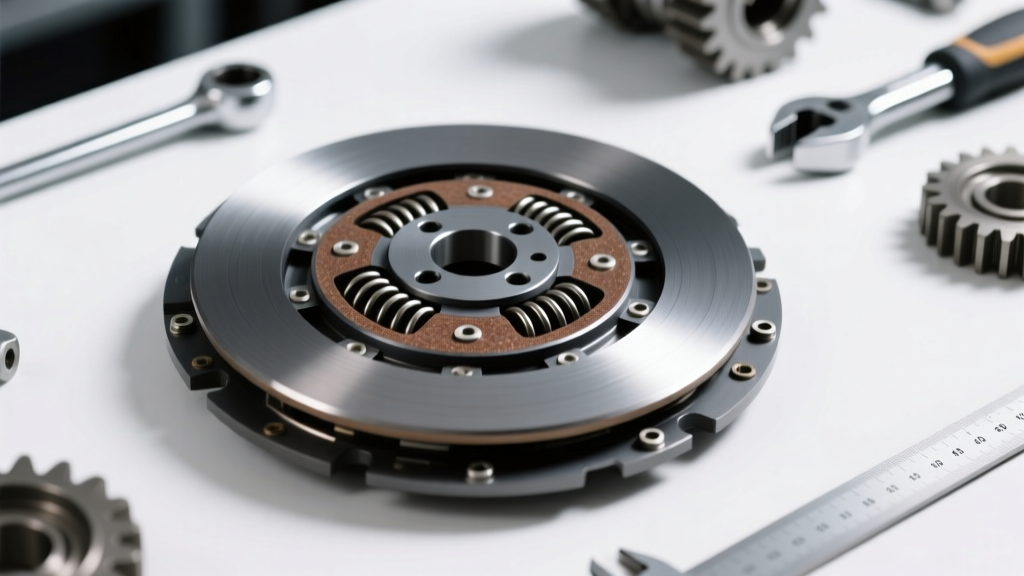
- Stage 1 (Organic Full-Face): $420 - $480 MSRP. Designed for daily drivers and mild bolt-on vehicles. Includes a heavy-duty nodular iron pressure plate and organic disc with marcel springs.
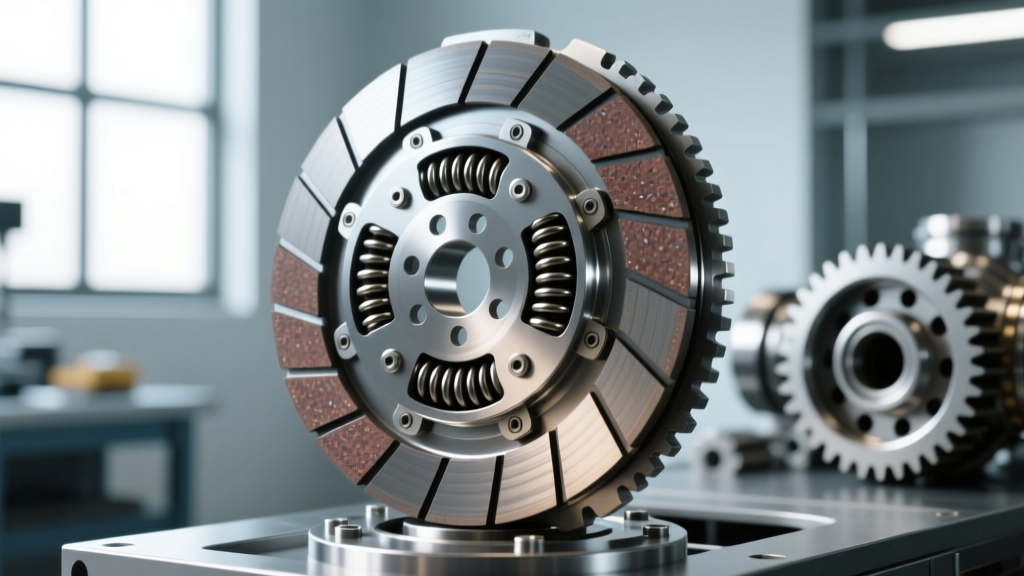
- Stage 3 (Sprung Ceramic Puck): $680 - $750 MSRP. The enthusiast favorite for supercharged and turbocharged street cars. Features a 6-puck ceramic disc with a sprung hub to dampen drivetrain shock.
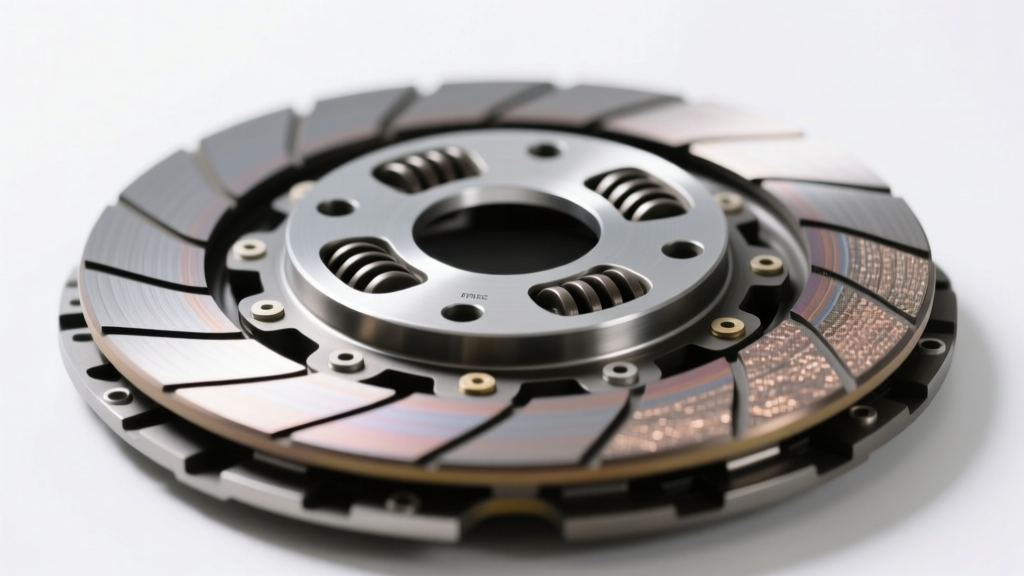
- Stage 5 (Rigid Sintered Iron): $890 - $1,050 MSRP. A dedicated drag and track solution. Utilizes a rigid hub (no springs) and sintered iron friction material for maximum clamping force and heat tolerance.
Compared to an ACT Heavy Duty organic kit (averaging $750 in 2026) or a South Bend Stage 3 Daily ($600), the RNG Performance lineup offers a highly competitive entry point, particularly in the Stage 3 ceramic segment where the price-to-torque ratio is exceptionally favorable.
Friction Material Showdown: Organic, Ceramic, and Sintered Iron
The core of any clutch kit is the friction disc. The material compound dictates not only the torque capacity but also the engagement characteristics, NVH (Noise, Vibration, and Harshness), and flywheel wear. Understanding the tribology of these materials is essential for justifying the cost of your RNG Performance clutch kit selection.
Organic & Aramid (Kevlar) Blends
Organic materials are composed of fiberglass, steel wire, and synthetic resins. They offer a friction coefficient (μ) of roughly 0.35 to 0.45. The primary advantage is smooth, progressive engagement and excellent resistance to chatter. However, organic materials begin to degrade and glaze at sustained temperatures above 450°F. Aramid (Kevlar) blends push this thermal limit closer to 600°F but require a strict 500-mile break-in period to avoid permanent surface glazing. Cost Justification: Ideal for vehicles making under 550 lb-ft of torque at the crank where daily drivability is paramount.
Ceramic (Puck-Style)
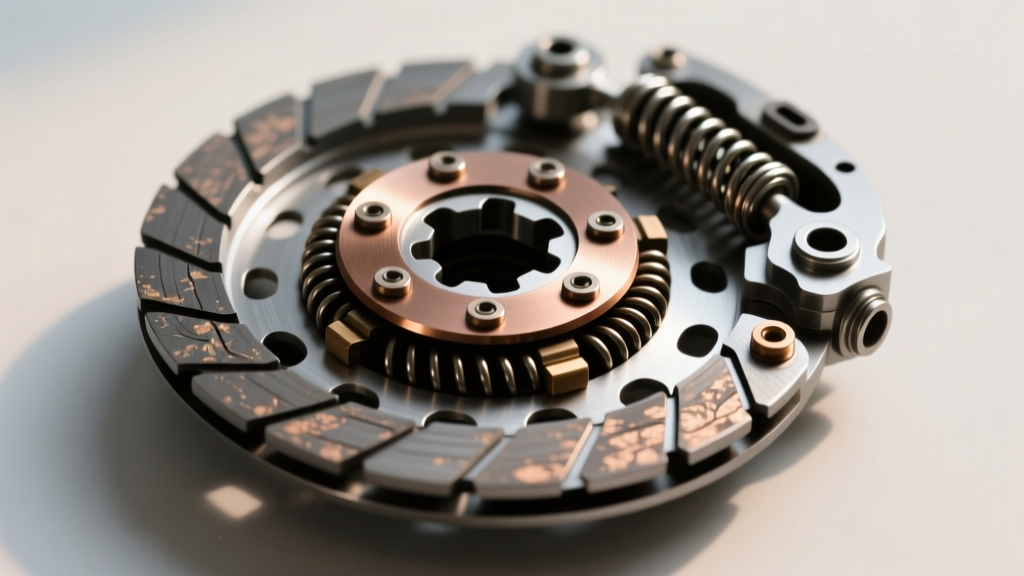
Ceramic compounds utilize copper, iron, and silicon carbide to achieve a much higher friction coefficient (μ = 0.45 to 0.55). Because ceramic grips aggressively, manufacturers use a 'puck' design (typically 4 or 6 pucks) rather than a full face. This reduces the surface area, which in turn increases the clamping pressure per square inch. Ceramic handles extreme heat (up to 800°F) but transmits significant NVH and can gouge standard cast-iron flywheels if slipped excessively. Cost Justification: The $250 premium over organic is mandatory for vehicles exceeding 650 lb-ft or running aggressive power-adders.
Sintered Iron
Sintered iron is created by fusing metallic powders under extreme heat and pressure. It boasts a friction coefficient exceeding 0.55 and is virtually immune to thermal fade, surviving well over 1,000°F. However, it is entirely unforgiving. Engagement is instantaneous (on/off), making it nearly undrivable in stop-and-go traffic. It also requires a hardened billet steel flywheel, as it will rapidly destroy standard nodular iron. Cost Justification: Reserved strictly for dedicated race vehicles where launch consistency outweighs all comfort metrics.
Comparative Data: Friction Materials & Cost Matrix
| Material Type | Friction Coefficient (μ) | Max Sustained Temp | Avg. Kit Premium | Flywheel Requirement |
|---|---|---|---|---|
| Organic Full-Face | 0.35 - 0.45 | 450°F | Baseline ($420) | Cast / Nodular Iron |
| Aramid / Kevlar | 0.40 - 0.48 | 600°F | + $80 | Cast / Nodular Iron |
| Ceramic Puck | 0.45 - 0.55 | 800°F | + $260 | Nodular / Billet Steel |
| Sintered Iron | 0.55+ | 1,000°F+ | + $550 | Billet Steel Only |
The Hidden Costs: Flywheels, Bearings, and Hydraulics
When budgeting for an RNG Performance clutch kit, the disc and pressure plate are only the beginning. The mating surfaces and release mechanisms often require simultaneous replacement or machining, drastically altering the final invoice.
Flywheel Resurfacing vs. Replacement
If you are upgrading from an organic to a ceramic or sintered clutch, your existing flywheel must be addressed. Ceramic pucks will leave deep scratches in a used flywheel. While resurfacing a standard cast flywheel costs between $75 and $125 at a local machine shop, many modern dual-mass flywheels (DMF) or stepped flywheels cannot be safely machined. Replacing a standard nodular iron flywheel costs roughly $250, while a lightweight billet aluminum flywheel with a hardened steel friction ring (required for sintered iron) will cost between $650 and $900.
Pilot Bearings and Throw-Out Bearings
Never reuse a pilot bearing. A failed $18 pilot bearing will destroy a $2,500 transmission input shaft. For GM LS/LT applications, insist on a sealed SKF or Timken roller bearing (e.g., Timken 6203-2RS) rather than the cheap porous bronze bushings. Furthermore, if your vehicle utilizes a hydraulic concentric slave cylinder (CSC) or internal throw-out bearing, it must be replaced while the transmission is out. A genuine GM hydraulic TOB (Part #19299070) costs approximately $110 to $150. Cheap aftermarket clones frequently fail within 10,000 miles, requiring another $1,000+ transmission drop to fix.
Critical Torque Specifications & Assembly Protocols
The financial investment in a high-end clutch kit is wasted if assembly protocols are ignored. According to Tremec Driveline Solutions and SAE International technical standards, improper torque and lubrication are the leading causes of premature clutch failure and drivetrain rattle.
- Flywheel to Crankshaft (GM LS 5.3/6.2L): Torque to 74 lb-ft, followed by an additional 90 degrees of rotation using a new torque-to-yield bolt set. Do not reuse factory bolts.
- Pressure Plate to Flywheel: Typically 35 lb-ft for standard 10.5-inch and 11-inch applications. Always tighten in a star pattern, one full turn at a time, to prevent warping the pressure plate diaphragm.
- Input Shaft Spline Lubrication: This is a critical edge case. When installing an RNG Performance disc onto a Tremec T56 Magnum or Ford MT82 input shaft, use only a minimal amount of high-temperature molybdenum disulfide (moly) grease. Standard wheel bearing grease will melt under clutch heat, migrate to the friction surface, and cause catastrophic slipping. Over-greasing the splines will cause the disc hub to bind, resulting in gear grinding during shifts.
Labor Economics: DIY vs. Professional Installation
The installation labor is where the true cost analysis of a clutch upgrade materializes. For a front-engine, rear-wheel-drive performance car (e.g., C7 Corvette, Ford Mustang, Dodge Challenger), the book time for a clutch R&R (Remove and Replace) averages 6.5 to 8.5 hours. This requires dropping the exhaust system, removing the driveshaft, disconnecting the shifter linkages, and supporting the engine from above while the transmission crossmember is removed.
At an independent specialty shop charging $140 per hour in 2026, expect to pay between $900 and $1,200 in labor alone. Dealerships will easily exceed $1,800. Because the labor cost is so high, the $250 price difference between the RNG Performance Stage 1 Organic and Stage 3 Ceramic kits becomes financially negligible. This economic reality strongly suggests that buyers should over-spec their friction material based on future modification plans, rather than trying to save money on a Stage 1 kit that will require a second teardown when boost is added six months later.
Expert Verdict & Sourcing Strategy
The RNG Performance clutch kit lineup offers a highly disruptive price-to-performance ratio in the 2026 market. For daily driven vehicles making under 500 wheel-horsepower, the Stage 1 Organic kit provides unmatched value and OEM-like drivability. However, for the vast majority of modified enthusiasts running positive displacement superchargers or E85 turbo setups, the Stage 3 Sprung Ceramic kit is the undisputed financial winner. It provides the thermal headroom required for track use while retaining the sprung hub necessary to protect your differential and axle shafts from shock-loading.
Always pair your chosen RNG Performance kit with a fresh, high-quality flywheel, a sealed pilot bearing, and an OEM hydraulic release mechanism. By budgeting for the complete system rather than just the disc and plate, you ensure a reliable, chatter-free drivetrain capable of handling modern horsepower levels for years to come.