The Terminology Trap: Multi-Plate vs. Dry Single-Plate Motorcycles
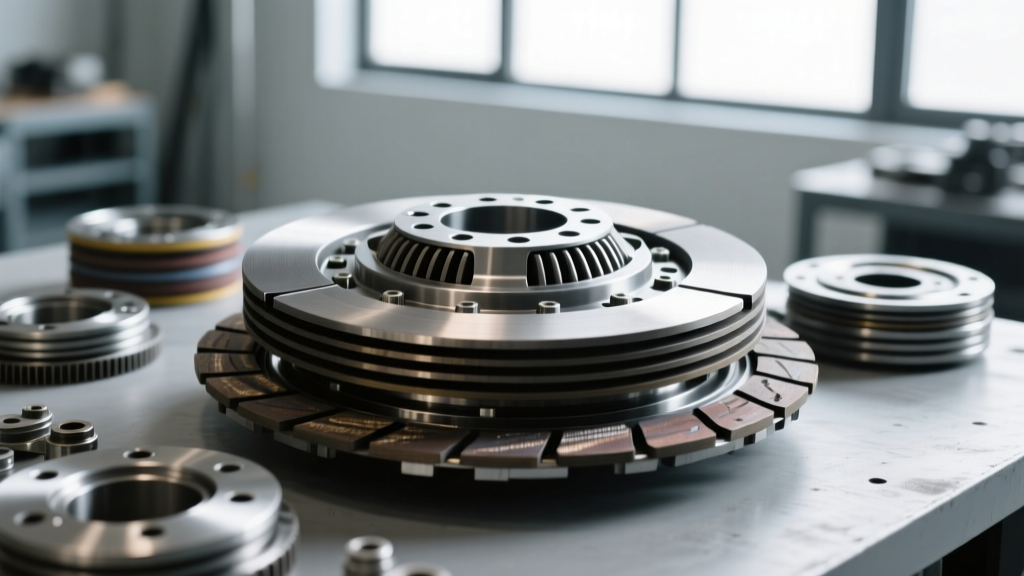
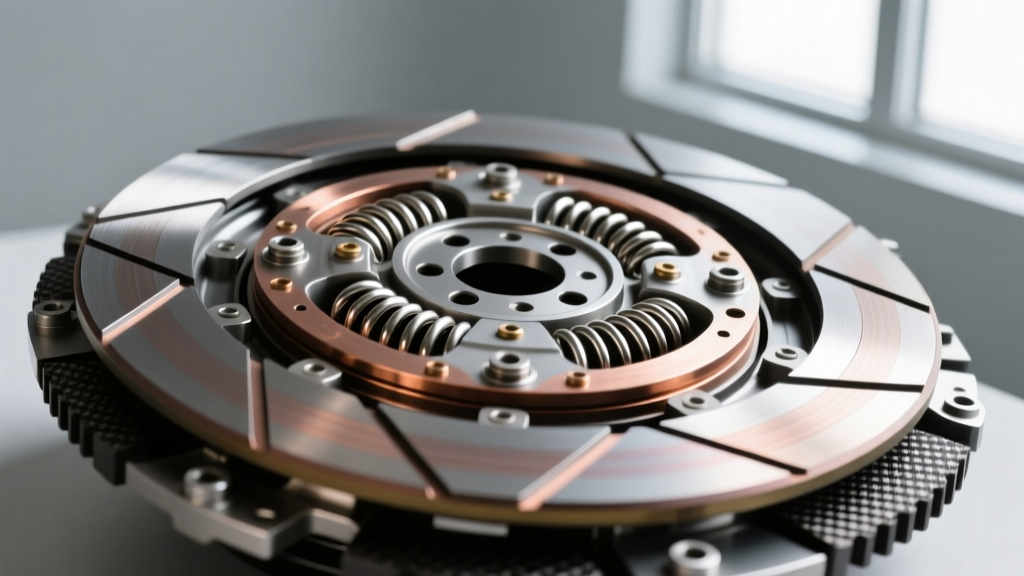
When automotive enthusiasts transition to motorcycles, they frequently search for the clutch pressure plate replacement cost, applying car-centric terminology to two-wheeled machines. To provide an accurate preventive maintenance guide, we must first address a critical mechanical distinction. Unlike the dry, single-plate diaphragm-spring clutches found in manual cars, approximately 95% of modern motorcycles utilize a wet multi-plate clutch system. In these systems, there is no traditional 'pressure plate.' Instead, clamping force is applied by a clutch lifter plate (or outer hub) pushed inward by heavy coil springs against a stack of alternating friction and steel separator plates, all bathed in engine oil.
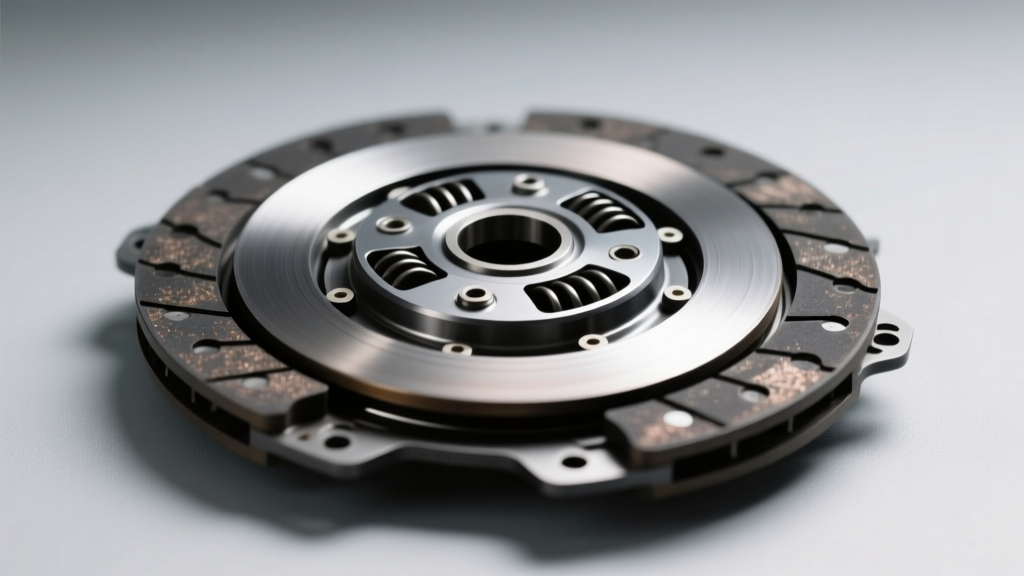
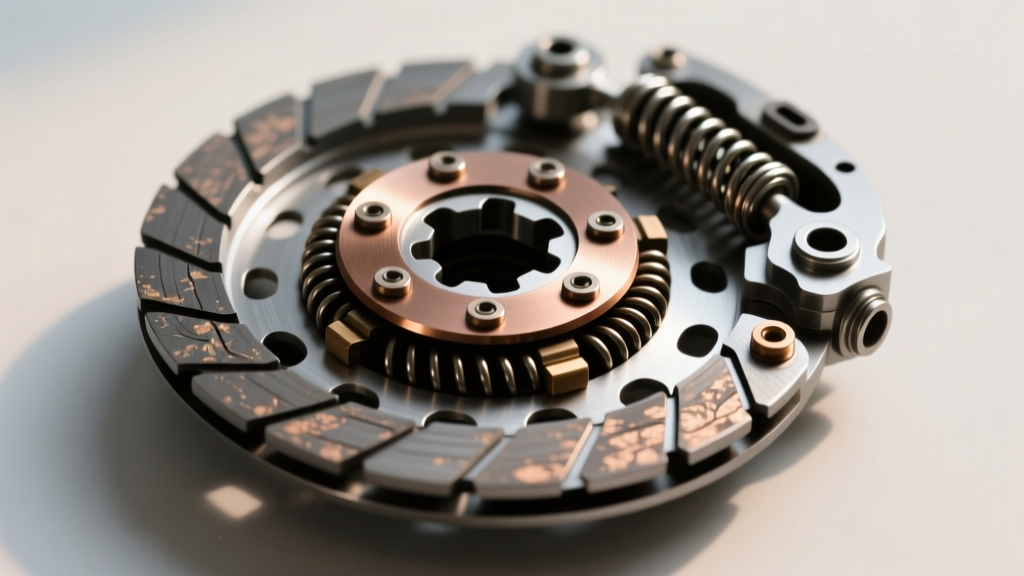
However, the remaining 5% of motorcycles—most notably BMW R-series Boxers, Moto Guzzis, and certain dry-clutch Ducatis—do utilize a true automotive-style dry single-plate clutch with a diaphragm pressure plate. Because the preventive maintenance, failure modes, and replacement costs for these two architectures are vastly different, this 2026 guide breaks down the exact costs and service protocols for both wet multi-plate and dry single-plate motorcycle systems.
Breaking Down the 2026 Motorcycle Clutch Replacement Costs
Whether you are dealing with a slipping wet clutch on a Yamaha MT-07 or a worn diaphragm spring on a BMW R1250GS, understanding the financial baseline is crucial for budgeting your preventive maintenance. Dealership labor rates in 2026 have stabilized between $140 and $185 per hour, while independent motorcycle specialists typically charge $100 to $135 per hour.
| Clutch Architecture | Component Replaced | Parts Cost (OEM / Premium Aftermarket) | Estimated Labor Time | Total Cost Range (Indie vs. Dealer) |
|---|---|---|---|---|
| Wet Multi-Plate (Sport/Naked) | Full Pack (Friction, Steel, Springs) | $140 - $290 (e.g., EBC SRC Kevlar Kits) | 2.0 - 3.5 Hours | $340 - $830 |
| Wet Multi-Plate (Cruiser/Touring) | Full Pack + Inner Hub Basket | $250 - $450 | 3.0 - 4.5 Hours | $550 - $1,100 |
| Dry Single-Plate (BMW/Ducati) | Pressure Plate + Friction Disc | $550 - $950 (OEM Diaphragm & Disc) | 3.5 - 5.0 Hours | $900 - $1,875 |
Note: If your wet clutch is slipping due to notches worn into the aluminum outer clutch basket fingers, simply replacing the plates will not fix the issue. A new outer basket (e.g., Hinson or OEM) adds $250–$400 to the parts cost.
Preventive Maintenance: Maximizing Wet Clutch Lifespan
The wet multi-plate clutch is remarkably durable, often lasting 60,000 to 100,000 miles if properly maintained. However, improper fluid selection and poor adjustment habits can destroy a friction pack in under 5,000 miles. According to CycleWorld's Ask Kevin engineering series, the friction coefficient of the clutch pack is entirely dependent on the chemical boundary layer provided by the engine oil.
The JASO MA2 Mandate
Never use standard automotive oil in a motorcycle with a wet clutch. Automotive oils contain friction modifiers (like molybdenum) designed to reduce internal engine drag and meet EPA fuel economy standards. These modifiers will coat the motorcycle's friction plates, causing immediate and catastrophic clutch slip. You must exclusively use oils certified to the JASO T 903 MA2 standard. MA2 oils guarantee a high dynamic friction coefficient, ensuring the clutch lifter plate can effectively lock the friction and steel plates together under peak torque loads. For high-heat sportbike applications, synthetic 10W-40 MA2 oils from Motul (300V) or Liqui Moly (Street Race) offer superior shear stability.
Cable vs. Hydraulic Free Play Adjustment
Preventive maintenance requires verifying clutch free play every 3,000 miles.
- Cable Systems: Maintain 10mm to 15mm of free play at the lever. Too little play prevents the clutch lifter plate from fully seating, causing micro-slipping that glazes the friction material and warps the steel separator plates.
- Hydraulic Systems: These are generally self-adjusting, but you must inspect the master cylinder pushrod clearance. If the pushrod is pre-loaded against the master cylinder piston, the hydraulic fluid cannot expand when hot, effectively 'riding the clutch' and burning out the pack.
Dry Clutch Preventive Care (BMW & Ducati)
If you own a machine with a true dry clutch and a traditional pressure plate, your maintenance protocol shifts entirely. Dry clutches rely on air cooling and generate significant friction dust. According to EBC Brakes Motorcycle Clutch Division, dry clutch friction material wears at a different rate and requires specific cleaning intervals.
- Dust Evacuation: On Ducatis with dry clutches, friction dust accumulates inside the bell housing. Every 15,000 miles, the clutch cover must be removed, and the housing blown out with compressed air. Accumulated dust turns into an abrasive paste when exposed to ambient humidity, accelerating wear on the pressure plate fingers and flywheel surface.
- Spline Lubrication: For BMW Boxer engines, the transmission input shaft splines must be lubricated with high-molybdenum grease (like Honda Moly 60) every 30,000 miles during a clutch inspection. Failure to do so causes the friction disc to hang on the splines, leading to harsh engagement and premature pressure plate diaphragm fatigue.
Critical Torque Specs and Measurement Limits
When performing a clutch replacement, guessing on torque specifications or ignoring wear limits is a recipe for catastrophic engine failure. The clutch lifter plate bolts are subjected to extreme rotational shear and harmonic vibration. Always refer to the factory service manual, but use these common benchmarks as a reference:
Warning: Many OEM clutch lifter plate bolts (especially on Honda and Yamaha inline-fours) are exceptionally short and prone to backing out. Always apply a medium-strength threadlocker (Loctite 243 or equivalent) to the threads before torquing.
Measurement Service Limits (Wet Clutches)
Before reusing steel separator plates or coil springs, you must measure them with digital calipers. Discard any component that falls outside these general thresholds:
- Friction Plate Thickness: New plates typically measure 3.1mm to 3.2mm. The absolute service limit is usually 2.8mm. If your stack is below this, the clutch springs cannot generate enough clamping force.
- Steel Plate Warp: Place the steel plate on a known-flat surface (like a piece of plate glass) and measure the gap with a feeler gauge. The service limit for warpage is 0.15mm to 0.20mm. Warped plates cause clutch drag, making it impossible to find neutral when the engine is hot.
- Spring Free Length: Coil springs fatigue and lose their spring rate over time. If the free length of the spring is more than 2mm shorter than the OEM specification, replace the entire set. Upgrading to stiffer aftermarket springs (e.g., +10% or +15% rate) is highly recommended for tuned engines producing over 15% more horsepower than stock.
Real-World Torque Specifications
- Honda CBR600RR / 1000RR: Clutch lifter plate bolts require exactly 8 Nm (71 lb-in) with threadlocker. Overtorquing will strip the soft aluminum threads of the inner clutch boss.
- Yamaha MT-07 / Tenere 700 (CP2): The clutch boss lock nut requires 64 Nm (47 lb-ft) and must be securely peened into the groove of the main shaft using a blunt punch.
- BMW R1250GS (Dry Clutch): The diaphragm pressure plate Torx bolts require 22 Nm, tightened in a strict crisscross star pattern in three progressive stages to prevent warping the pressure plate casting.
Final Diagnostic Advice
If you are experiencing clutch slip under heavy acceleration in higher gears, but the lever free-play is correct, the friction pack is worn or glazed. However, if the motorcycle creeps forward when stopped with the lever pulled fully in, you are experiencing clutch drag. This is rarely a pressure plate or lifter plate issue; rather, it indicates warped steel plates, notched basket fingers preventing the plates from separating, or degraded, swollen friction material caused by using non-MA2 automotive oil. Addressing these root causes through strict preventive maintenance is the most effective way to avoid the high end of the clutch replacement cost spectrum.