The Drivetrain Dilemma: Routine Maintenance vs. Major Overhaul
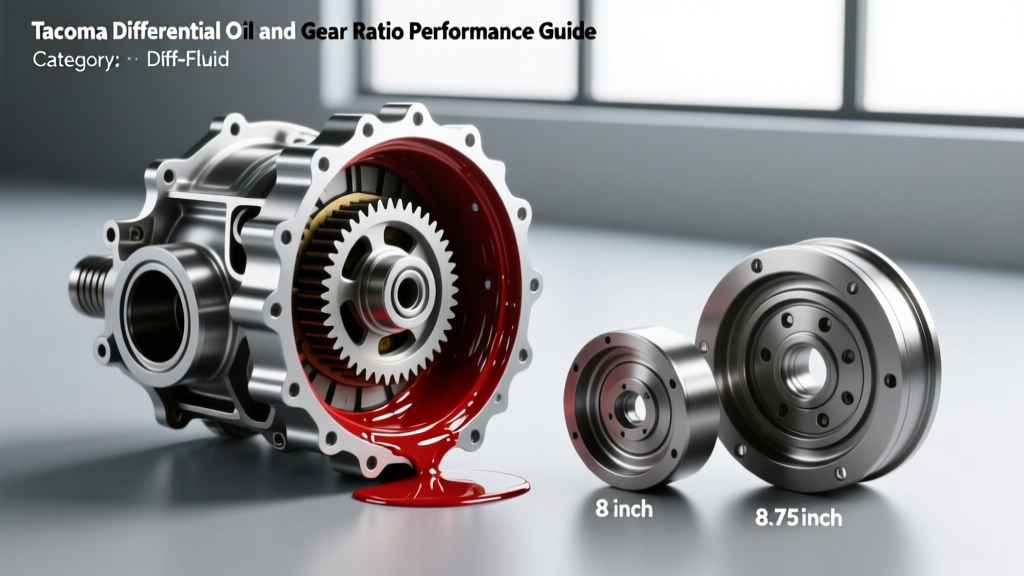
When you own a rear-wheel-drive, four-wheel-drive, or all-wheel-drive vehicle, the differential is the unsung hero transferring power from the engine to the pavement. For most owners, drivetrain maintenance begins and ends with basic fluid services. However, when gears start to whine, or when you decide to upgrade your axle for off-road crawling or track use, you quickly enter the complex world of gear geometry. Many beginners start by researching the differential fluid change price, only to later discover that fixing a damaged gearset or changing gear ratios requires a complete ring and pinion setup.
As shop labor rates and parts costs continue to evolve in 2026, understanding the massive gap between a simple fluid drain-and-fill and a full gear swap is crucial for your wallet. This beginner-friendly explainer will demystify the ring and pinion setup process, contrast it with routine maintenance costs, and give you the technical foundation to speak confidently with your drivetrain specialist.
Baseline: Understanding the Differential Fluid Change Price
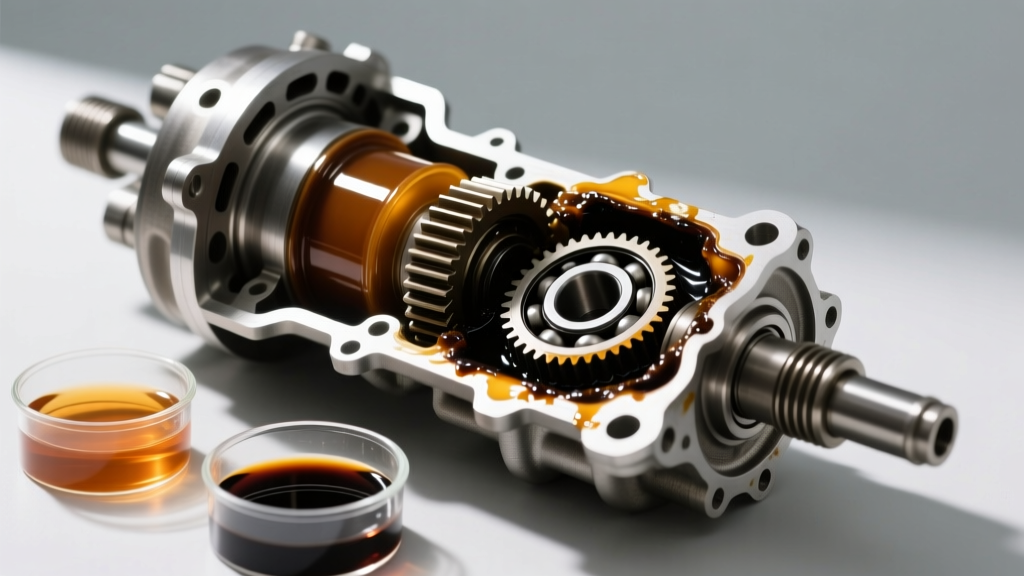
Before we tear into the axle housing, we must establish the baseline cost of routine maintenance. A standard differential fluid change involves draining the old hypoid gear oil, cleaning the housing (if the cover is removed), and refilling it with fresh lubricant.
According to data from AMSOIL and major service chains, the average differential fluid change price ranges from $150 to $280 per axle at a professional shop. This price typically includes 2 to 3 quarts of synthetic 75W-90 or 80W-90 gear oil, a new gasket or RTV silicone, and roughly an hour of labor. If your vehicle features a limited-slip differential (LSD), the shop will also add a friction modifier to prevent clutch pack chatter, adding about $15 to the total bill.
For the DIY mechanic, the price drops significantly to between $40 and $80, requiring only basic hand tools, a drain pan, and a fluid pump. But what happens when fresh fluid fails to silence a howling rear end? That is when you cross the threshold from maintenance to mechanical overhaul.
What is a Ring and Pinion Gear Setup?
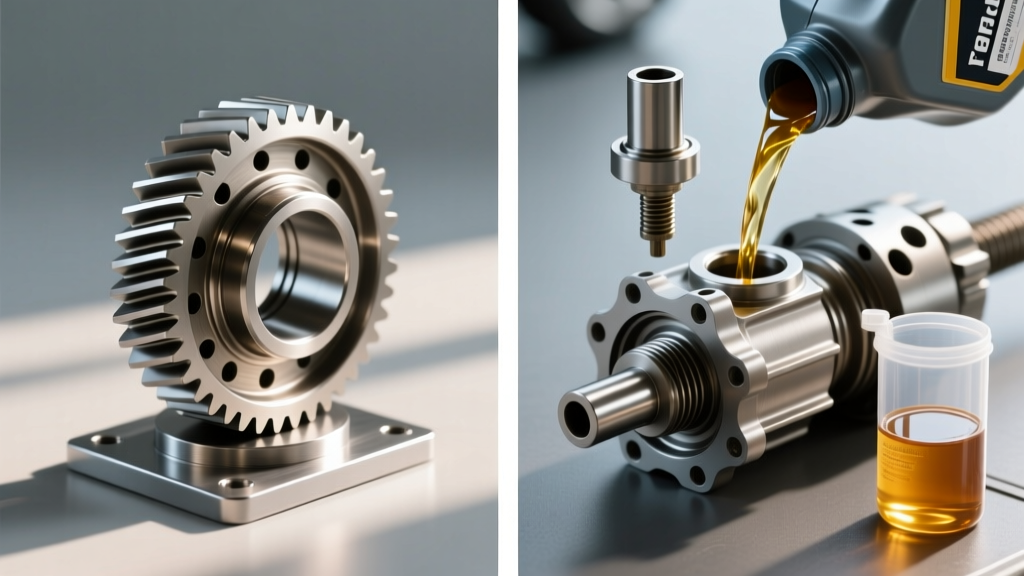
The ring and pinion gearset is the heart of your differential. The pinion gear is a small, cone-shaped gear attached to the driveshaft. It meshes with the much larger ring gear, which is bolted to the differential carrier. Together, they perform two vital functions:
- Directional Change: They take the rotational force spinning longitudinally down the driveshaft and turn it 90 degrees to spin the axles and wheels.
- Final Drive Ratio: They multiply torque. For example, a 4.10 gear ratio means the pinion gear must spin 4.1 times to turn the ring gear (and the wheels) exactly one time.
Because these gears operate under immense friction and sliding pressure, they are manufactured as 'matched sets' using specialized hypoid geometry. You cannot simply bolt them in and drive away. They must be meticulously 'set up' using precision shims and measurements to ensure they do not self-destruct within the first 100 miles.
The 4 Pillars of Gear Setup (Beginner's Guide)
To understand why a gear installation is so expensive, you need to understand the four critical measurements a machinist must achieve. According to installation guidelines from Yukon Gear & Axle, missing any of these by a few thousandths of an inch will result in catastrophic gear failure.
1. Pinion Depth
Pinion depth dictates how deeply the pinion gear reaches into the ring gear. This is adjusted by placing precision steel shims behind the inner pinion bearing. If the pinion is too deep, the gears will bind and overheat. If it is too shallow, the teeth will chip under load.
2. Backlash
Backlash is the microscopic amount of side-to-side play between the ring and pinion teeth. It is measured using a magnetic dial indicator. Most street applications require a backlash specification between 0.006 and 0.010 inches. Too tight, and the gears will whine and overheat; too loose, and you will hear a distinct 'clunk' when shifting from reverse to drive.
3. Bearing Preload
The pinion and carrier bearings must be squeezed together with a specific amount of tension, known as preload. In axles like the Ford 8.8, this is achieved using a 'crush sleeve'—a hollow steel spacer that deforms as you tighten the pinion nut. Achieving the correct rotational torque (usually 15 to 30 inch-pounds) requires immense force and specialized torque wrenches.
4. Gear Contact Pattern
Mechanics coat the ring gear teeth with a yellow gear-marking compound and rotate the assembly by hand. The resulting smear on the teeth reveals the exact contact footprint. A perfect pattern sits dead-center on the tooth face. A pattern skewed toward the toe, heel, flank, or root tells the mechanic exactly which shims need to be swapped out.
Cost Comparison: Fluid Service vs. Gear Installation
The contrast in pricing is staggering. While the differential fluid change price is comparable to a standard oil change, a ring and pinion setup is a major mechanical surgery. Below is a realistic cost breakdown for a standard solid-axle vehicle (like a Jeep Wrangler or Ford F-150) in 2026.
| Service Category | Parts & Materials | Labor / Shop Time | Estimated Total |
|---|---|---|---|
| Standard Fluid Change | $40 - $90 (Synthetic 75W-90, Gasket) | $100 - $190 (1 Hour) | $140 - $280 |
| Ring & Pinion Setup | $350 - $850 (Gears, Master Rebuild Kit, Bearings) | $800 - $1,600 (4 to 8 Hours) | $1,150 - $2,450 |
| DIY Gear Setup Tools | $250+ (Dial indicator, bearing puller, torque wrench) | N/A (Your own weekend) | $600 - $1,100+ |
Note: If you are upgrading both the front and rear axles simultaneously for a 4x4 build, expect to double the ring and pinion setup costs.
Real-World Case Study: Ford 8.8-Inch Axle
Let us look at a concrete example using one of the most popular axles in the aftermarket: the Ford 8.8-inch rear end. Suppose you want to upgrade from a highway-friendly 3.08 ratio to an off-road capable 4.10 ratio.
You would order a matched gearset, such as the Yukon Gear YG F8.8-410, alongside a Master Overhaul Kit (YK F8.8) which includes all new Timken bearings, races, shims, and a new crush sleeve. According to Summit Racing, this parts combination will cost roughly $450 to $550.
The labor is where the complexity shines. To remove the old pinion bearing, the mechanic must use a hydraulic press or a specialized blind-puller tool. When installing the new pinion, tightening the pinion nut to crush the new sleeve requires upwards of 250 foot-pounds of torque. If the mechanic over-crushes the sleeve by even a fraction of a millimeter, the bearing preload is ruined, and they must tear the entire assembly back apart, install a brand-new crush sleeve, and start the measurement process over. This unforgiving margin of error is exactly why drivetrain specialists charge premium labor rates for gear setups.
Final Thoughts: When to Wrench and When to Walk Away
If your differential is simply due for its 50,000-mile service, the differential fluid change price is a minor, necessary investment to protect your drivetrain. Fresh synthetic gear oil and a dash of friction modifier will keep your limited-slip clutches engaging smoothly and your hypoid gears cool.
However, if you are hearing a rhythmic howling that changes pitch with vehicle speed, or if you are planning a massive tire upgrade that requires regearing to restore your transmission's shift points, prepare for the realities of a ring and pinion setup. It is not a beginner DIY job. It requires patience, expensive measuring tools, and an intimate understanding of gear geometry. By understanding the difference between a $200 fluid swap and a $1,500 gear setup, you can budget accurately and ensure your vehicle's power makes it to the ground reliably for years to come.