Understanding Rekluse Hydraulics: Pedal vs. Lever Architecture
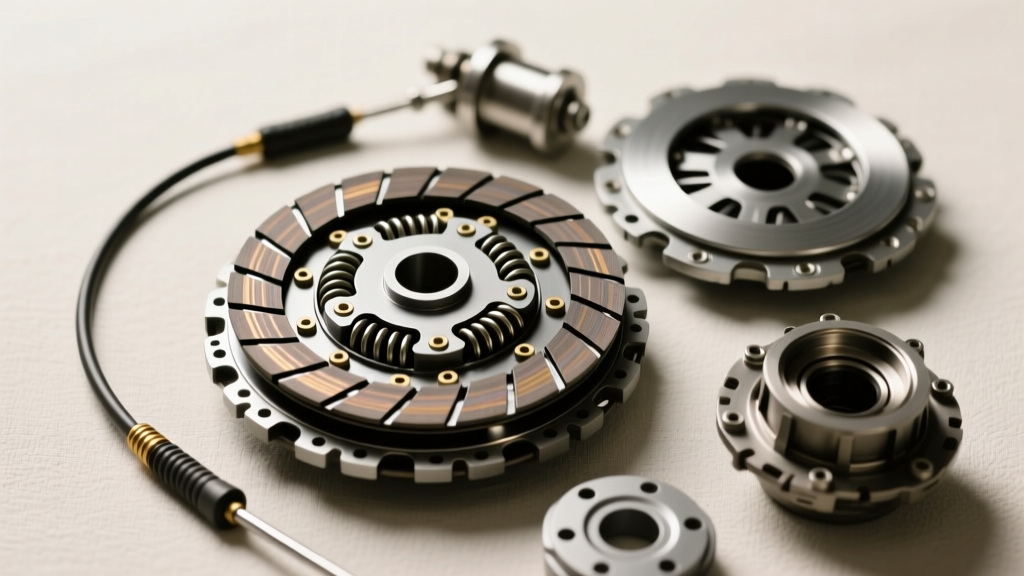
When upgrading to a Rekluse automatic clutch system—such as the Core EXP 3.0 for dual-sports or the TorqDrive for UTVs and ATVs—the actuation dynamics of your machine change fundamentally. In the off-road and UTV community, the term "clutch pedal" is frequently used to describe the foot-operated pedals on ATVs like the Honda Foreman 520, the manual-shift modes of UTVs, or even the hydraulic clutch levers on dirt bikes (which share the exact same master/slave cylinder hydraulic architecture as automotive clutch pedals).
As of the 2026 off-road season, Rekluse's centrifugal flyweight technology remains the gold standard for preventing stalling and optimizing power delivery. However, installing an auto-clutch alters the hydraulic pressure requirements and physical clearances inside the clutch basket. If your clutch pedal or hydraulic lever feels spongy, hard, or begins vibrating, it is rarely a defect in the Rekluse unit itself. Instead, it points to a mismatch in base clearance, hydraulic fluid contamination, or master cylinder bypass failure. Below is your model-specific repair guide to diagnosing and fixing these exact clutch pedal problems.
Diagnosing the 3 Core Clutch Pedal Symptoms
1. Spongy or Soft Clutch Pedal (Air & Fluid Bypass)
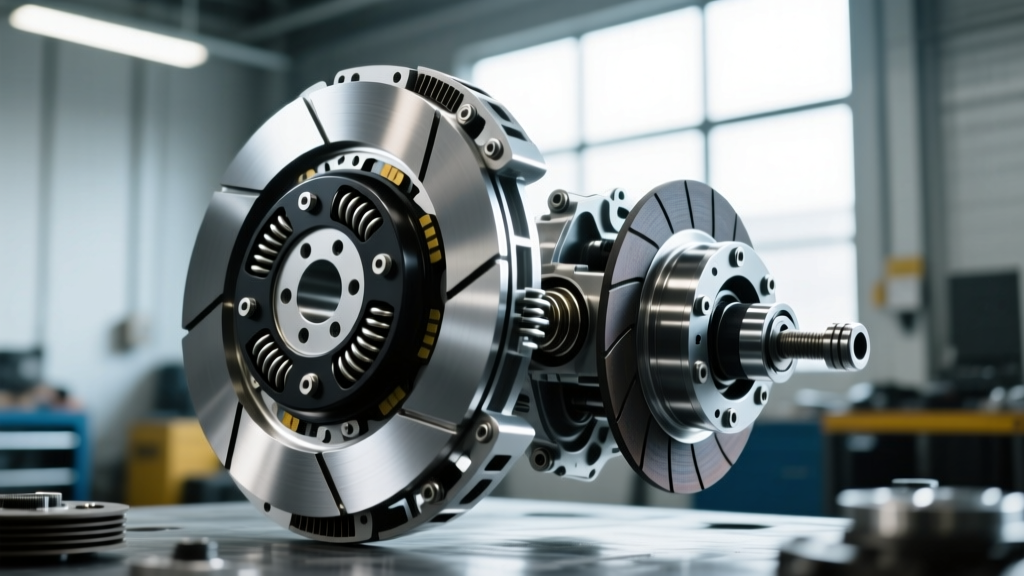
A spongy clutch pedal after installing a Rekluse system is the most common complaint. Because the Rekluse EXP disk utilizes weighted flyweights that expand outward, the overall stack height of the clutch pack can fluctuate based on RPM and temperature.
- The Bypass Port Issue: If the clutch pack is too thick (or the slave cylinder pushrod is too long), the master cylinder piston cannot fully retract to its resting position. This blocks the microscopic fluid return/bypass port inside the master cylinder reservoir. As the DOT fluid or mineral oil heats up and expands, the system essentially "pre-loads" itself, leading to a spongy, inconsistent pedal feel and eventual clutch drag.
- Fluid Incompatibility: Mixing DOT 4/5.1 fluid with Mineral Oil will destroy the internal rubber cups of your master cylinder. For example, KTM and Husqvarna models from 2014-2025 often transitioned between Brembo (DOT fluid) and Magura (Mineral Oil) components. A spongy pedal that won't bleed is a hallmark of swollen, degraded seals.
2. Hard or Stiff Clutch Pedal (Mechanical Bind)
If your clutch pedal feels like it is pushing against a brick wall, the hydraulic system is fighting a mechanical bind inside the clutch basket.
- Base Clearance Too Tight: The Rekluse EXP disk requires a specific "base clearance" (the gap between the pressure plate and the clutch basket when the flyweights are fully retracted). If this clearance is set below 0.030 inches, the slave cylinder must exert massive force to separate the plates, resulting in a brutally stiff pedal and rapid slave cylinder burnout.
- Thrust Washer Omission: On models like the Honda CRF450R or Polaris Sportsman, omitting the OEM thrust washer or needle bearing behind the clutch basket during a Rekluse TorqDrive installation will cause the basket to bind against the engine case under load, transferring severe resistance directly to the clutch pedal.
3. Vibrating or Pulsating Clutch Pedal (Harmonics & Notching)
A vibrating clutch pedal is a mechanical feedback loop traveling through the hydraulic fluid. The Rekluse flyweights can initially mask the symptoms of a worn aluminum clutch basket. However, as the steel drive tabs of the Rekluse friction disks notch the softer aluminum basket fingers, engagement becomes erratic. This high-frequency chatter pulses back through the slave cylinder, up the hydraulic line, and into the clutch pedal or lever.
Model-Specific Diagnostic Matrix
Use the table below to identify your specific hydraulic architecture and torque specifications when diagnosing Rekluse clutch pedal issues.
| Application / Model | Master Cylinder | Fluid Spec | Slave Cylinder Torque | Common Rekluse Pedal Issue |
|---|---|---|---|---|
| KTM 450 SX-F / Husqvarna FC450 | Magura / Brembo | Mineral Oil / DOT 4 | 10 Nm | Spongy pedal due to Magura seal degradation with DOT fluid. |
| Honda CRF450R / CRF300L | Nissin | DOT 4 | 12 Nm | Hard pedal from incorrect EXP base clearance (too tight). |
| Polaris Sportsman / Honda Foreman (ATV) | Mechanical Cable / Hydraulic | DOT 3 / Cable Lube | N/A (Cable Adjust) | Vibrating pedal due to clutch basket notching under TorqDrive load. |
The "Base Clearance" Fix: Step-by-Step Reset
If your clutch pedal is hard, stiff, or dragging, you must reset the Rekluse base clearance. This is the single most critical adjustment for auto-clutch health.
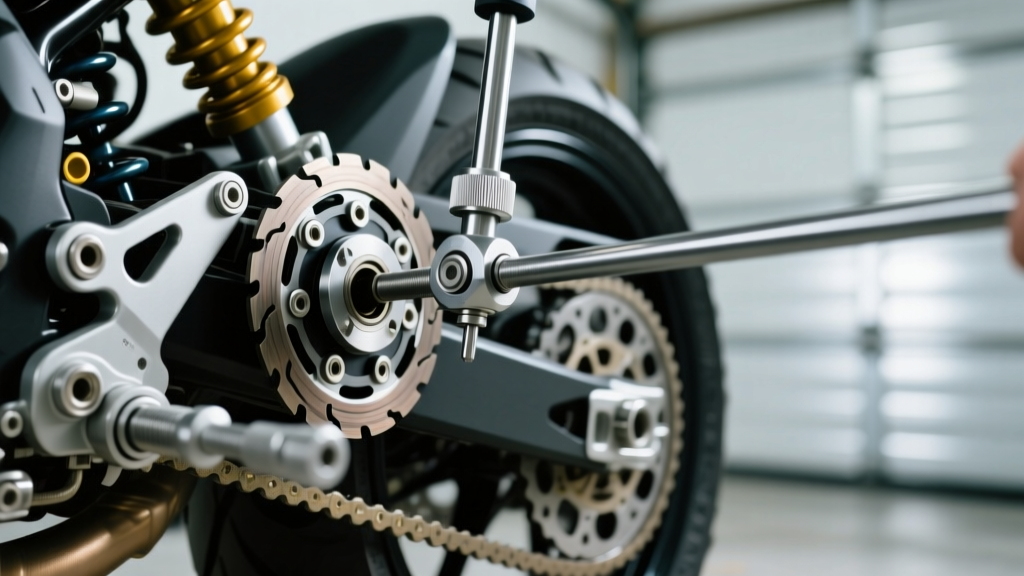
- Access the Clutch Basket: Drain the engine oil and remove the clutch cover. Use a clutch holding tool and a torque wrench to break the center basket nut loose (typically 60 Nm on Japanese 450cc models, reverse thread on some European models).
- Measure the Gap: With the Rekluse EXP disk installed and the pressure plate bolted down to spec (usually 6 Nm with Loctite 243), insert the Rekluse-provided feeler gauge between the pressure plate and the top friction disk.
- Target Specification: You must achieve a clearance between 0.045" and 0.060".
- Adjust via Spacers: If the gap is too tight (causing a hard pedal), swap the thin tuning shims provided in the Rekluse kit to a thicker spacer. If the gap is too wide (causing late engagement and slipping), use a thinner spacer.
- Re-Bleed the System: After reassembly, the slave cylinder pushrod will be in a new resting position. You must bleed the hydraulic line to remove trapped air, ensuring the master cylinder bypass port is clear.
Expert Diagnostic Tip: Before bleeding the system, verify that your clutch pedal or lever has 1/8" to 1/4" of "free play" at the very beginning of its stroke. This free play is mechanically necessary to allow the master cylinder piston to fully retract and uncover the fluid return port. If there is zero free play, thermal expansion will lock your clutch and cause a spongy, failing pedal feel within 15 minutes of riding.
Cost & Part Number Reference (2026 Pricing)
When diagnosing severe pedal issues, you may need to replace worn hydraulic components that cannot handle the unique engagement profile of an automatic clutch.
- Rekluse Core EXP 3.0 Auto-Clutch: $620 - $750 (Varies by model)
- Magura Master Cylinder Rebuild Kit (Part# 272-110-000): ~$45.00 (Essential if Mineral Oil was contaminated with DOT fluid).
- Brembo Hydraulic Slave Cylinder (Part# 10.3262.04): ~$125.00 (Replace if the internal piston is scored from running a tight base clearance).
- Rekluse TorqDrive Clutch Basket (Hard Anodized): ~$280.00 (The ultimate fix for vibrating pedal feedback caused by aluminum basket notching).
Final Verdict on Clutch Pedal Diagnostics
A Rekluse automatic clutch will not inherently ruin your clutch pedal feel; rather, it acts as a high-fidelity magnifying glass for existing hydraulic and mechanical flaws. A spongy pedal almost always points to master cylinder bypass blockage or fluid contamination, while a hard pedal is a direct result of improper base clearance tuning. By adhering to the 0.045" - 0.060" clearance spec and maintaining strict separation between DOT and Mineral Oil systems, your clutch pedal will remain light, predictable, and perfectly matched to the auto-clutch's centrifugal engagement.
For official installation tolerances and model-specific tuning shims, always consult Rekluse Tech Support and verify your hydraulic fluid requirements via Magura Official or your OEM service manual before cracking open the master cylinder reservoir.