The Hidden Cost of Rebuild Errors: Where DIYers and Shops Fail
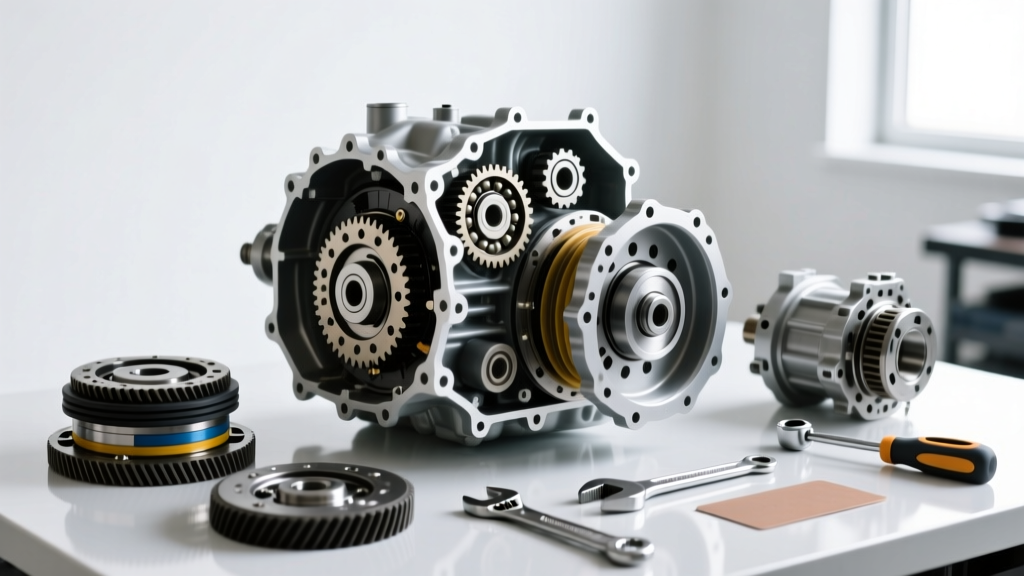
Rebuilding an automatic transmission is an exercise in microscopic tolerances and hydraulic precision. Whether you are tackling a ubiquitous GM 4L60E, a heavy-duty 6L80, or a sophisticated ZF 8HP, the margin for error is virtually zero. While most mechanics obsess over clutch pack clearances, the most catastrophic errors often occur before the transmission is even on the bench. As of 2026, the aftermarket supply chain has largely stabilized, but the market is flooded with subpar components. The most critical early mistake is choosing the wrong automatic transmission rebuild kit suppliers, which dictates the baseline quality of your entire build. In this model-specific repair guide, we break down the most common transmission rebuild mistakes—from supplier red flags to critical torque spec failures—and how they impact your final repair cost.
Mistake #1: Trusting Unverified Automatic Transmission Rebuild Kit Suppliers
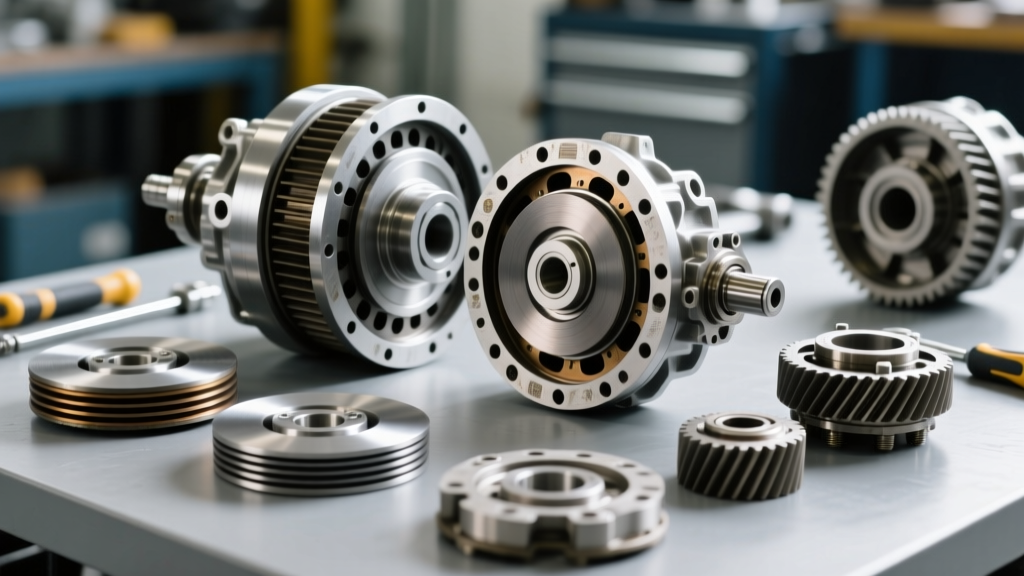
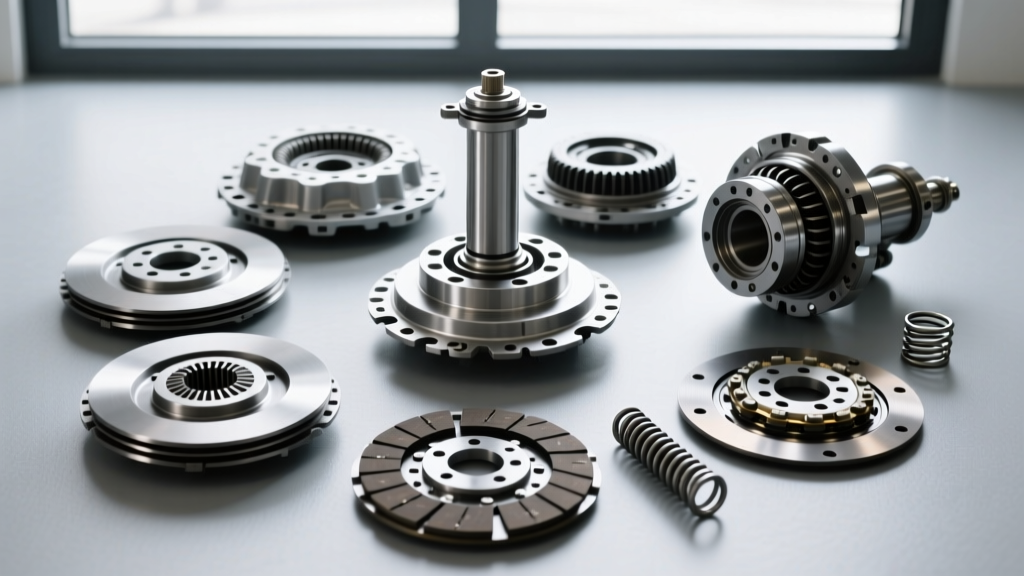
The 'race to the bottom' pricing on major e-commerce platforms has created a minefield for rebuilders. A common mistake is purchasing a '$150 Master Rebuild Kit' from unverified automatic transmission rebuild kit suppliers. These budget kits often utilize inferior paper-based friction materials instead of high-energy Kevlar or carbon-infused clutches, leading to rapid degradation under high thermal loads.
Furthermore, cheap kits omit critical hard-part updates. For example, a budget 4L60E kit will rarely include the upgraded 5-gear hardened sun shell or the Corvette-style 2nd gear servo. When you source from reputable suppliers like Trans-Star Industries or Sonnax, you are paying for engineered solutions to known factory flaws, not just replacement gaskets.
Expert Insight: If a supplier's master kit does not explicitly list updated OEM part numbers for known failure points (like the 6L80 TEHCM filter or the 4L60E boost valve), they are selling you a recipe for a comeback repair.
Model-Specific Assembly Blunders That Ruin Rebuilds
Beyond parts sourcing, the physical assembly process is rife with model-specific pitfalls. Here are the most frequent errors we see in the shop, categorized by transmission family.
GM 4L60E: The Servo Pin and Valve Body Trap
The 4L60E remains one of the most rebuilt units in North America, yet it suffers from high comeback rates due to two specific errors:
- Guessing the Servo Pin Length: The 2nd and 4th gear servo apply pins must be measured and selected based on the specific case and band wear. Guessing or reusing the old pin without measuring the apply gap with a feeler gauge results in either a severe 2-3 shift flare (pin too short) or band binding/burning (pin too long).
- Over-Torquing Valve Body Bolts: The 4L60E valve body is secured to an aluminum case. The factory torque specification is exactly 97 in-lbs (11 Nm). Using a standard 1/2-inch drive torque wrench instead of a calibrated 1/4-inch inch-pound wrench routinely strips the case threads or warps the valve body casting, causing cross-leaks and erratic shifting.
GM 6L80 / 6L90: TEHCM and Filter Oversights
The 6L80 family introduced the TEHCM (Transmission Electro-Hydraulic Control Module), which integrates the solenoids and TCM into a single unit bolted inside the pan.
- TEHCM Programming Mismatches: A fatal mistake is installing a used or remanufactured TEHCM without flashing the latest VIN-specific calibration via a GDS2 or compatible J2534 tool. The clutch volume indexes (CVI) must be reset and relearned.
- Cracking the TEHCM Mounting Lugs: The TEHCM-to-case bolts have a strict torque limit of 10 Nm (89 in-lbs). Over-tightening these bolts cracks the plastic mounting lugs on the TEHCM, causing internal pressure leaks that mimic a failed clutch pack.
- Filter Depth Errors: Using a shallow-pan filter on a deep-pan 6L90 application will cause the filter to unseat from the pump during high-G maneuvers or heavy towing, leading to immediate cavitation and pump destruction.
ZF 8HP (8HP45/70/90): The Mechatronic Sleeve Failure
The ZF 8-speed is a marvel of engineering but requires strict adherence to proprietary procedures. According to ZF Aftermarket service bulletins, the most common DIY and independent shop mistakes include:
- Ignoring the Sealing Sleeve: The mechatronic sealing sleeve (ZF Part# 2411 7 622 960) degrades over time, leaking fluid into the adapter plug area. Failing to replace this $15 sleeve during a rebuild guarantees a 'Transmission Fault' limp mode within 5,000 miles due to pressure loss.
- Fluid Incompatibility: The ZF 8HP requires ZF LifeguardFluid 8. Using generic 'multi-vehicle' synthetic ATF alters the friction coefficient of the ZF-specific BorgWarner clutches, resulting in harsh garage shifts and shuddering torque converter lockup.
Cost Analysis: Cheap Kits vs. Premium Supplier Kits
When evaluating automatic transmission rebuild kit suppliers, the initial invoice price is only a fraction of the true cost. A failed rebuild requires a complete teardown, new fluid, and potential hard-part replacement. Below is a 2026 cost breakdown comparing a budget e-commerce kit against a premium supplier kit.
| Component / Factor | Budget 'No-Name' Kit | Premium Supplier Kit (e.g., Precision/Sonnax) | Failure Risk & Cost Impact |
|---|---|---|---|
| Friction Materials | Standard Paper ($120) | High-Energy Carbon/Kevlar ($280) | Paper burns under 400 ft-lbs; Carbon lasts 150k+ miles. |
| Hard Part Updates | None (OEM replacements only) | Includes upgraded sun shells, boost valves | Missing updates guarantee repeat failure of known weak points. |
| Seals & Gaskets | Generic Viton/Nitrile | OEM-spec Teflon & Scarf-cut rings | Generic rings cause cross-leaks; premium seals maintain line pressure. |
| Initial Kit Cost | $180 - $250 | $450 - $750 | Initial savings of ~$400. |
| Cost of Comeback (R&R) | $1,500 - $2,800 | $0 (Warranty covered) | A single comeback wipes out the profit of 3 successful rebuilds. |
Mistake #4: Ignoring Pre-Lube and Torque Converter Fill
Even with the best parts from top-tier automatic transmission rebuild kit suppliers, a dry start will destroy a fresh rebuild in seconds. A pervasive mistake is installing a completely dry torque converter and relying on the transmission's internal pump to prime the system.
For a 6L80, the deep-pan total fluid capacity is approximately 11.2 quarts (10.6 liters). You must pre-fill the torque converter with 2 to 3 quarts of Dexron VI or Dexron ULV (depending on the specific application year) before mating it to the engine. Furthermore, the Automatic Transmission Service Group (ATSG) mandates that all clutch pack apply pistons and bushings be coated in assembly gel or the specified ATF during stacking to prevent dry-friction scoring upon initial startup.
Final Verdict: Sourcing and Assembly Discipline
The path to a profitable, long-lasting transmission rebuild relies on two pillars: uncompromising parts sourcing and strict adherence to model-specific torque and clearance specifications. Stop treating automatic transmission rebuild kit suppliers as interchangeable commodity vendors. Vet your suppliers based on their technical support, ATSG affiliations, and willingness to provide updated OEM hard parts. By avoiding these common mistakes, you protect your shop's reputation, your wallet, and the driver's safety on the road.