The Drivetrain Hand-Off: Understanding the Transfer Case and Rear Differential Relationship
When a strange whine, clunk, or vibration emanates from the back of your 4WD truck or SUV, the immediate panic is often focused on the rear axle. However, learning how to tell if rear differential is bad requires a broader understanding of your entire drivetrain. In four-wheel-drive and all-wheel-drive vehicles, the transfer case and the rear differential share a deeply symbiotic mechanical relationship. They are connected by the rear driveshaft, meaning a failure in one component can easily mimic—or directly cause—a failure in the other.
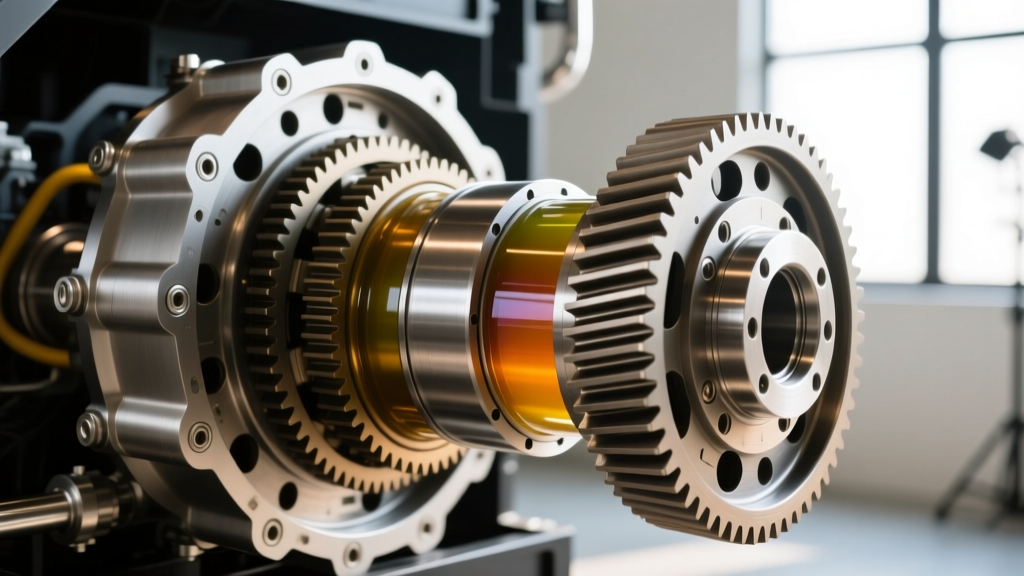
To diagnose the issue accurately in 2026, you must understand the torque flow. Power leaves the transmission and enters the transfer case (such as the common BorgWarner 4406 or NV246). Inside the transfer case, a heavy-duty chain or planetary gear set splits the torque. The rear output shaft sends that power down the driveshaft, which ultimately strikes the pinion gear of the rear differential (like a GM 8.6-inch 10-bolt or a Dana 60). If the transfer case rear output shaft bearing develops radial play, it introduces a harmonic wobble into the driveshaft. This wobble travels rearward and hammers the rear differential pinion bearing, creating a howling noise that tricks even experienced mechanics into rebuilding a perfectly healthy rear axle.
Core Symptoms: How to Tell if Rear Differential is Bad
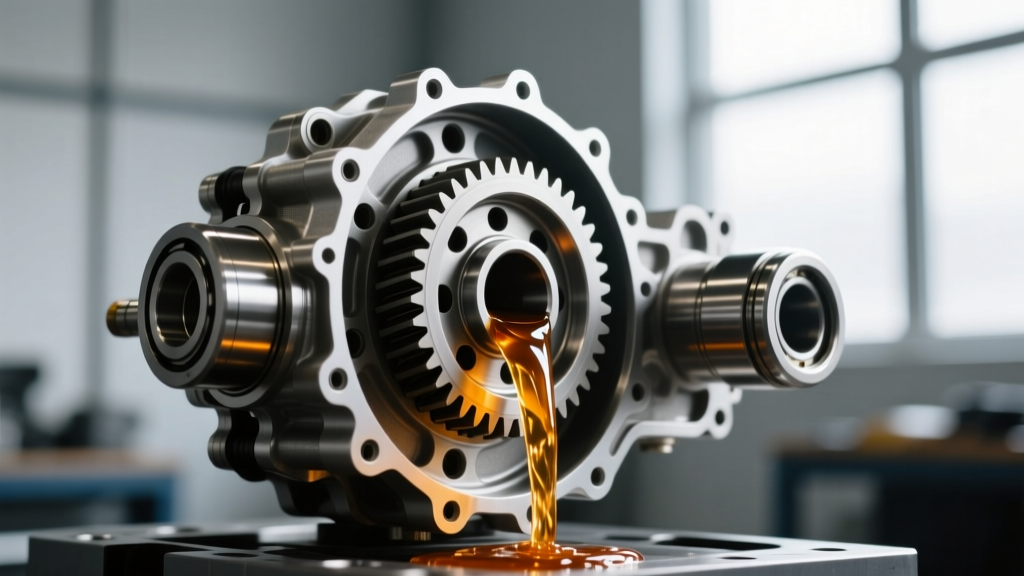
Before blaming the transfer case, you need to isolate the classic signatures of a failing rear differential. The ring and pinion gears operate under immense friction and pressure, relying on a film of 75W-90 or 75W-140 GL-5 gear oil. When that oil degrades or the bearings wear, the differential speaks to you through specific NVH (Noise, Vibration, and Harshness) cues.
Gear Whine vs. Bearing Howl
- Coast-Side Whine (Deceleration): If you hear a high-pitched whine when you let off the throttle and the vehicle coasts, the 'coast side' of the ring and pinion gear teeth is worn. This can also indicate a failing pinion bearing.
- Drive-Side Whine (Acceleration): A whine that occurs only under load (stepping on the gas) points to wear on the 'drive side' of the gears or an incorrect pinion depth setting from a previous, improper rebuild.
- Constant Bearing Howl: A low-frequency hum that changes pitch with vehicle speed—but remains constant whether you are accelerating or coasting—usually points to worn carrier bearings or axle shaft bearings, not the gears themselves.
Limited-Slip Chatter and Engagement Clunks
If your vehicle is equipped with a clutch-type Limited Slip Differential (LSD), a common issue is 'chatter' or 'judder' when making tight, low-speed turns (like pulling into a driveway). This happens when the friction modifier in the gear oil breaks down. According to drivetrain experts at Ring-Pinion.com, simply draining the old fluid, refilling with fresh 75W-90 synthetic, and adding the correct OEM friction modifier (such as GM EOS or Motorcraft XL-3) resolves this issue 80% of the time.
Conversely, a sharp metallic 'clunk' when shifting from Park to Drive or Reverse indicates excessive gear backlash. Factory backlash specifications are incredibly tight, typically between 0.006 and 0.010 inches. When the crush sleeve or side bearings wear, that gap widens, causing the gears to slam together.
When the Transfer Case is the Real Culprit
Because the transfer case and rear differential are linked by a spinning steel tube, vibrations are highly conductive. Here is how transfer case failures masquerade as rear differential problems.
Chain Stretch and Planetary Gear Wear
Inside chain-driven transfer cases, the heavy Morse chain can stretch over time due to high-torque towing or aggressive off-road use. A stretched chain can slap against the transfer case housing, creating a rhythmic, metallic chattering noise that travels down the driveshaft and sounds exactly like a broken rear axle spider gear. Furthermore, if the transfer case rear output shaft seal fails, it leaks ATF or specialized fluid (like GM Auto-Trak II) onto the driveshaft. This fluid slings onto the rear differential pinion seal, degrading the rubber and causing the rear diff to leak its own gear oil, leading to catastrophic rear diff failure if unnoticed.
The Driveline Angle Factor
If you have recently lifted your truck, the relationship between the transfer case output and the rear differential pinion is altered. An improper pinion angle forces the rear pinion bearing to operate at a severe deflection. This will destroy the rear pinion bearing in under 5,000 miles, resulting in a howling noise. The differential isn't inherently 'bad' from a manufacturing standpoint, but the driveline geometry mismatch has killed it. According to Dana Incorporated, maintaining proper U-joint operating angles (ideally between 1 and 3 degrees) is critical for bearing longevity.
Diagnostic Cheat Sheet: Rear Diff vs. Transfer Case
Use this table to cross-reference your symptoms and narrow down the source of the drivetrain noise.
| Symptom | Likely Rear Differential Cause | Likely Transfer Case Cause |
|---|---|---|
| Whine on Deceleration | Worn coast-side gear teeth or pinion bearing | Rear output shaft bearing wear transmitting down shaft |
| Clunk on Gear Engagement | Excessive ring/pinion backlash or worn cross pin | Worn transfer case chain or slack in planetary gears |
| Binding/Chatter in Tight Turns | LSD clutch pack failure or lack of friction modifier | Encoder motor failure or stuck shift fork (in AWD modes) |
| Vibration at 45-55 MPH | Out-of-balance rear axle shaft or warped brake rotor | Stretched chain or damaged rear output shaft yoke |
| Fluid Leak Near Driveshaft | Failed pinion seal (smells like sulfur) | Failed rear output seal (smells like burnt ATF/Auto-Trak) |
Your Driveway Diagnostic Action Plan
You do not need a master technician certification to perform a preliminary diagnosis. Follow this beginner-friendly, step-by-step routine to isolate the failure point safely.
Step 1: Isolate the Fluids and Seals
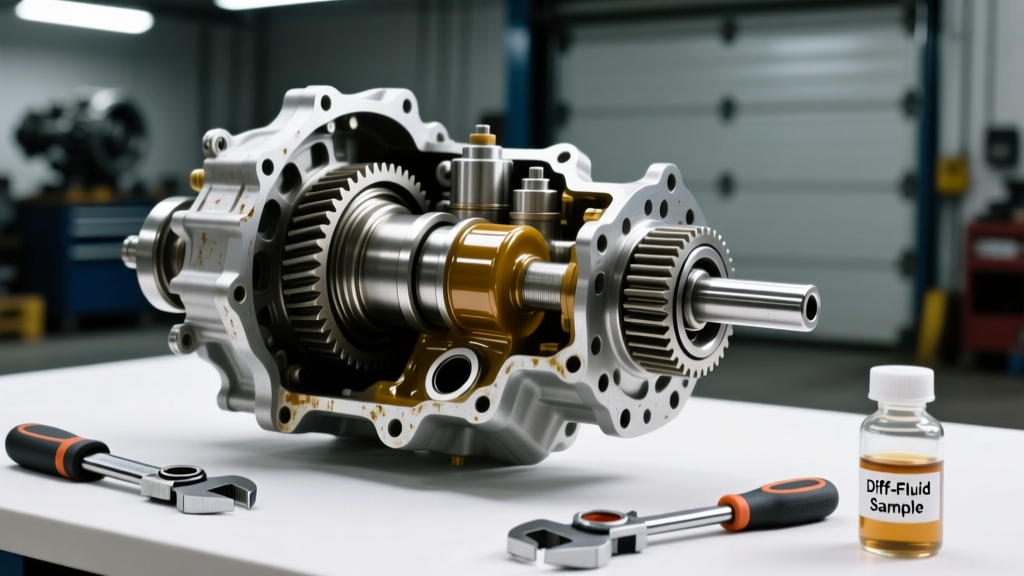
Locate the fill and drain plugs on both the transfer case and the rear differential. Always remove the fill plug first to ensure you can get fluid back in if the drain plug is stubborn. The drain plugs typically require a 3/8-inch square drive or an 8mm/10mm Allen key. Torque specifications for these plugs are generally low, around 15 to 25 lb-ft. Inspect the drained fluids. Rear differential gear oil should be dark but free of metallic glitter. If you find chunky metal shavings or 'glitter' that looks like metallic paint, your rear differential bearings or gears are disintegrating. If the transfer case fluid is milky, water has breached the seals, indicating a need for a complete transfer case reseal.
Step 2: The Driveshaft Disconnect Test
This is the ultimate isolation test. Safely secure the vehicle on jack stands or a lift. Mark the orientation of the rear driveshaft flange and the differential pinion flange with a paint pen (to ensure proper balance upon reassembly). Unbolt the rear U-joint straps (usually 12mm or 10mm 12-point bolts). Carefully slide the driveshaft forward and secure it out of the way with a bungee cord.
Start the engine and, with the vehicle safely supported and wheels off the ground, have a helper shift the transmission into gear while you listen. If the whining or grinding noise persists without the driveshaft connected to the rear axle, the noise is originating from the transmission or transfer case. If the noise is completely gone, the transfer case is healthy, and you have confirmed the rear differential or rear axle shafts are the source of the failure.
A Warning on the Pinion Nut
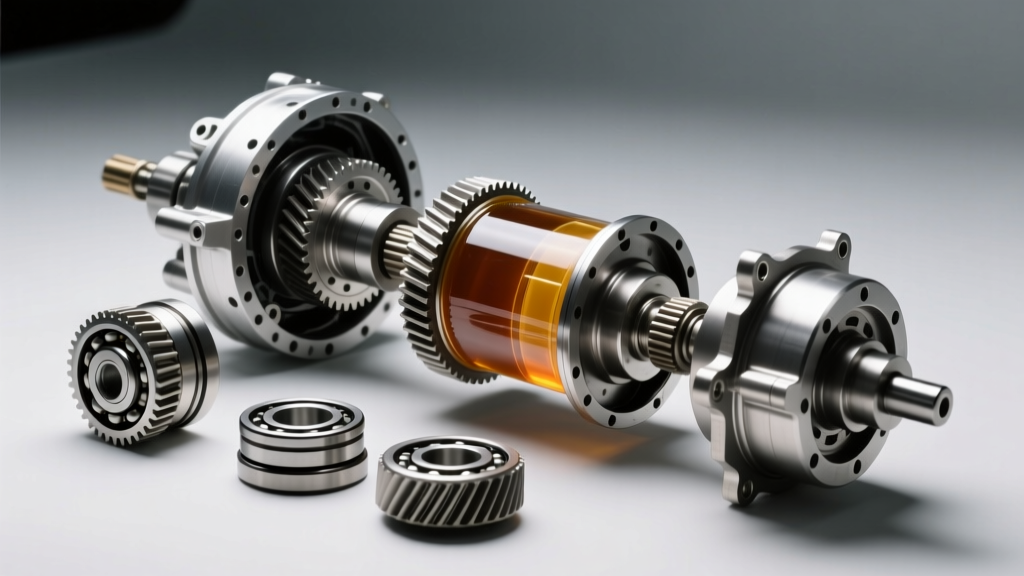
As a beginner, you might notice play in the rear driveshaft and spot a large nut at the end of the differential pinion gear. Do not attempt to tighten this nut with an impact wrench. The pinion nut secures a crush sleeve that sets the exact bearing preload for the pinion gear. Overtightening it will crush the sleeve too far, generating massive internal friction, overheating the 75W-90 gear oil, and destroying the bearings in a matter of miles. If there is rotational play at the pinion yoke, the differential requires a professional teardown to replace the crush sleeve and reset the bearing preload using an inch-pound torque wrench.
Final Thoughts on Drivetrain Health
Understanding the relationship between the transfer case and the rear differential saves you from throwing expensive parts at the wrong problem. By listening to the specific conditions under which the noise occurs, inspecting the fluids for metallic debris, and performing a simple driveshaft disconnect test, you can confidently determine the true source of the failure. For more in-depth technical service bulletins and gear ratio calculators, consulting resources like NAPA Know How can provide vehicle-specific torque specs and fluid capacities to keep your 4WD system running flawlessly through 2026 and beyond.