Decoding the XA50 Platform: FWD vs. AWD Configurations
As we navigate 2026, early fifth-generation Toyota RAV4 models (XA50 chassis, 2019-present) are crossing the 100,000-mile threshold. This mileage milestone makes fifth generation Toyota RAV4 drivetrain maintenance a critical topic for owners and independent technicians alike. Unlike body-on-frame trucks, the XA50 utilizes a transverse engine layout based on the TNGA-K platform, meaning its drivetrain components are packaged tightly and require precise identification for accurate symptom diagnosis.
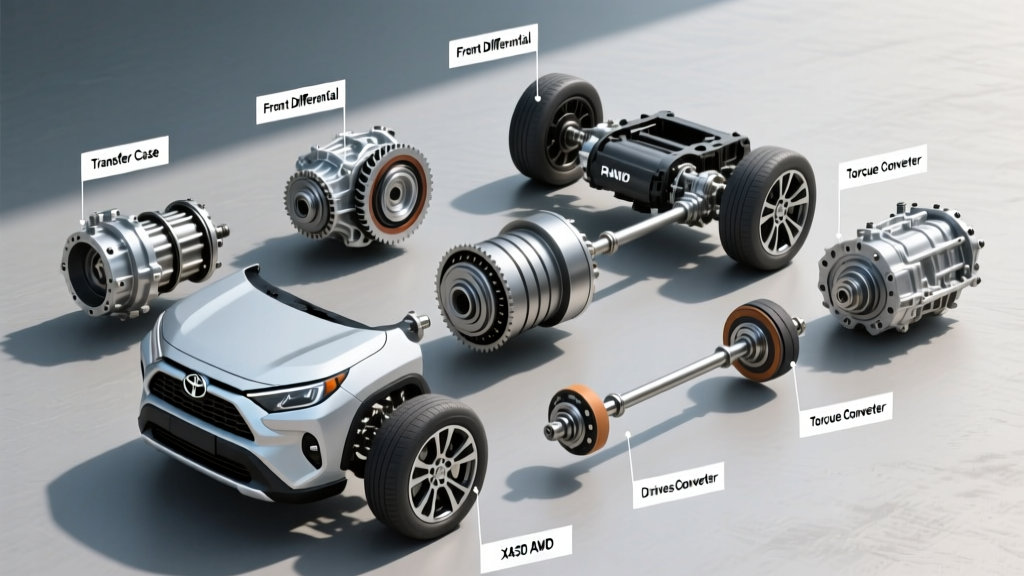
Before diagnosing a vibration or whine, you must identify which of the three primary drivetrain configurations your RAV4 employs:
- U88F Transaxle (FWD): Found on base LE models. Power routes exclusively to the front wheels via two half-shafts. No rear driveline components exist.
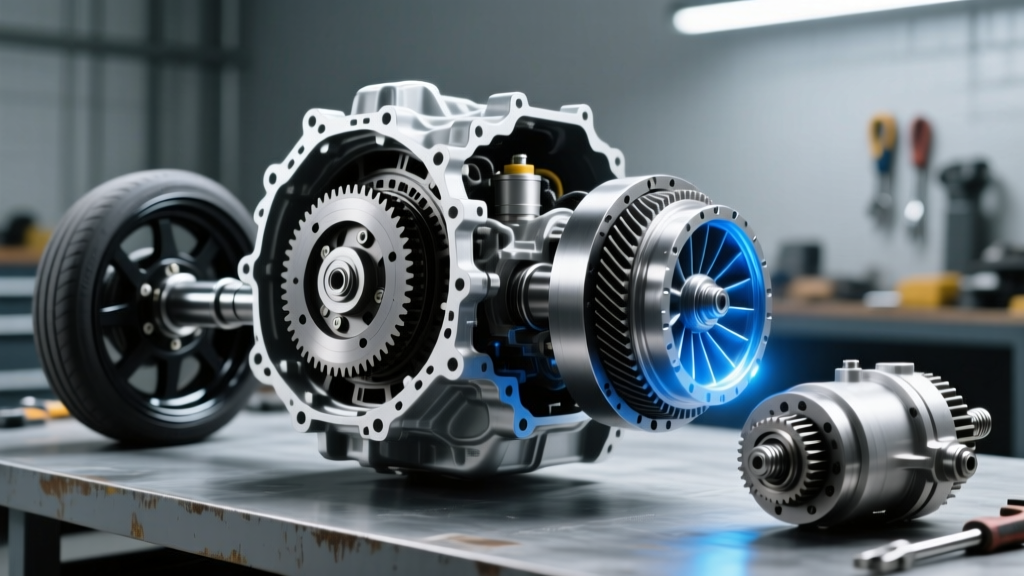
- UA80F Transaxle with DTC/DTV AWD: The 8-speed automatic paired with either Dynamic Torque Control (standard AWD) or Dynamic Torque Vectoring (Adventure/TRD Off-Road). This setup includes a Power Take-Off (PTO) unit, a multi-piece propeller shaft, and a rear differential.
- eCVT with E-Four (Hybrid): Utilizes an independent rear electric motor (1NM or 2NM) to drive the rear axle. There is no mechanical driveshaft connecting the front transaxle to the rear wheels.
Drivetrain Component Map: Symptom-to-Part Diagnosis
Misidentifying a drivetrain component is the most common cause of misdiagnosis on the XA50 platform. For instance, a whine from the rear is often blamed on the rear differential when it actually originates from the PTO (transfer case) mounted to the front transaxle. Use the matrix below to map your symptoms to the correct physical component.
| Component | Location | Function | Common Failure Symptom |
|---|---|---|---|
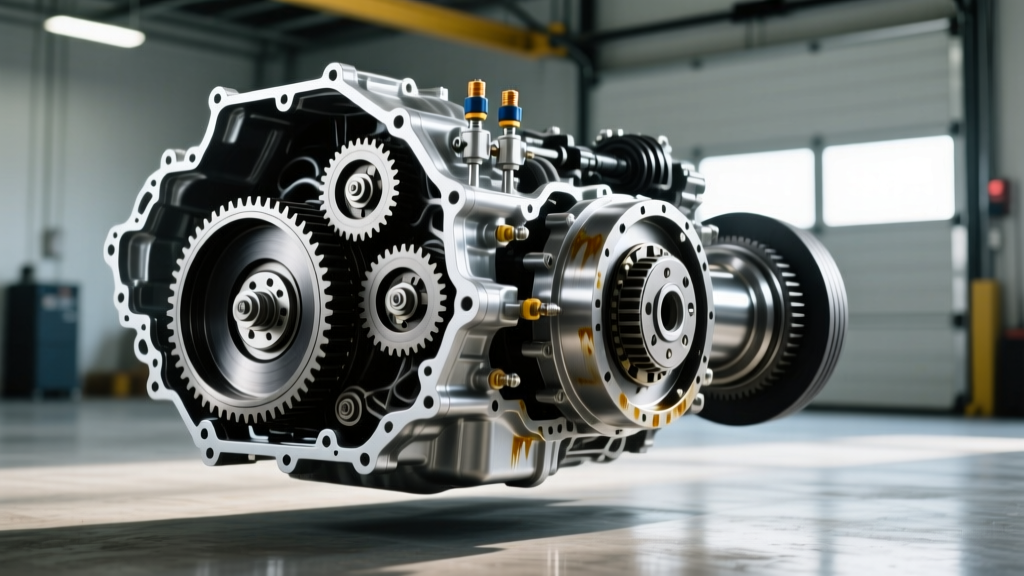
| PTO (Right-Angle Drive) | Bolted to rear of UA80F transaxle | Transfers power 90-degrees to propeller shaft | High-pitched whine at 30-50 mph; fluid seepage at transaxle mating surface |
| Propeller Shaft (Driveshaft) | Underbody, connecting PTO to Rear Diff | Transmits rotational force to the rear axle | Low-frequency humming or 'clunk' on engagement; vibration at 45-55 mph |
| Center Support Bearing | Mid-point of propeller shaft | Supports shaft and dampens harmonic vibration | Cyclic growling that changes with vehicle speed, not engine RPM |
| Rear Differential (DTC) | Rear axle assembly (Standard AWD) | Distributes torque evenly to rear half-shafts | Howling on deceleration; metal flakes on magnetic drain plug |
| DTV Twin-Clutch Module | Integrated into rear axle (Adventure/TRD) | Vectors torque side-to-side; disconnects driveline | Binding, hopping, or shudder during tight, low-speed turns |
| Front CV Axles (Inner/Outer) | Transaxle to front wheel hubs | Accommodates suspension travel and steering angles | Clicking on turns (Outer); vibration under hard acceleration (Inner) |
Deep Dive: Dynamic Torque Vectoring (DTV) AWD Diagnostics
The DTV AWD system, available on the Adventure and TRD Off-Road trims, represents the most complex mechanical drivetrain in the fifth-generation lineup. As detailed in Car and Driver's technical analysis of the DTV system, this setup uses a twin-clutch pack in the rear differential to independently vary torque to the left and right rear wheels.
Diagnosing the 'Turn Shudder'
A frequent complaint in 2019-2021 DTV models is a pronounced shudder or 'hopping' sensation during tight parking lot turns. While some owners fear catastrophic differential failure, this is often a symptom of degraded wet-clutch friction material or outdated ECU calibration in the AWD actuator.
Diagnostic Pro-Tip: Before condemning the DTV rear differential, verify the AWD fluid level and condition. The DTV system requires precise fluid temperatures (typically 35°C to 45°C) for an accurate level check via the overflow plug. If the fluid smells burnt or contains excessive clutch material (gray paste), the twin-clutch pack requires replacement or a specialized flush procedure outlined in Toyota TechInfo.
Furthermore, the DTV system features a front-axle disconnect mechanism to reduce parasitic drag during highway cruising. If you experience a delayed engagement or a harsh 'bang' when the AWD system activates from a stop, inspect the front disconnect actuator and its associated dog clutches for wear or moisture ingress.
Fluid Specifications and Torque Values for XA50 Maintenance
Proper fifth generation Toyota RAV4 drivetrain maintenance hinges on using the exact OEM fluid specifications and adhering to strict torque sequences. Over-tightening aluminum drain plugs on the XA50's lightweight casings will strip threads, requiring expensive housing replacements.
Transfer Case (PTO) Service
The PTO unit shares a common failure point with many transverse AWD systems: fluid degradation due to high thermal loads from the adjacent transaxle.
- Fluid Spec: Toyota Genuine Hypoid Gear Oil SX 75W-85 GL-5 (or equivalent API GL-5 75W-85).
- Capacity: Approximately 0.45 Liters (0.48 US Quarts).
- Plug Tool: 10mm Hex (Allen) socket.
- Torque Spec: 39 Nm (29 lb-ft) for both drain and fill plugs.
- Diagnostic Note: Always remove the FILL plug before the DRAIN plug. If the fill plug is seized, you will be left with an empty PTO and no way to refill it.
Rear Differential Service (DTC vs. DTV)
The rear differential operates under different stress profiles depending on the trim. Standard DTC differentials are relatively simple open/limited-slip units, while DTV units house the complex clutch packs.
- DTC Fluid Spec: Toyota Genuine Hypoid Gear Oil SX 75W-85 GL-5.
- DTC Capacity: Approximately 0.55 Liters.
- DTV Fluid Spec: Toyota Genuine Hypoid Gear Oil SX 75W-85 GL-5 (Verify specific DTV clutch fluid requirements via TechInfo, as some model years require specialized friction-modified fluids for the wet clutches).
- DTV Capacity: Approximately 0.65 Liters.
- Torque Spec: 39 Nm (29 lb-ft) for drain/fill plugs.
Propeller Shaft and Axle Nut Torque Specs
When replacing a failing center support bearing or a torn CV axle boot, precise torque is mandatory to prevent harmonic vibrations or hub bearing damage.
- Propeller Shaft Center Bearing Bracket: 54 Nm (40 lb-ft).
- Propeller Shaft Flange Nuts (Rear Diff side): 74 Nm (55 lb-ft).
- Front/Rear CV Axle Hub Nut: 216 Nm (159 lb-ft). Never reuse the staked axle nut; always install a new OEM nut and stake it properly to prevent catastrophic wheel separation.
- Wheel Lug Nuts: 103 Nm (76 lb-ft).
Hybrid E-Four: When the Drivetrain is Electrical
If you are maintaining a RAV4 Hybrid, your drivetrain troubleshooting must shift from mechanical to electrical. The E-Four system eliminates the mechanical propeller shaft entirely. The rear axle is driven by a dedicated electric motor (1NM on standard hybrids, 2NM on Prime models) housed in a rear transaxle assembly.
Symptoms of E-Four drivetrain issues rarely manifest as mechanical grinding. Instead, look for:
- Inverter Coolant Flow Issues: The rear motor inverter shares a cooling loop. Air pockets or failing electric water pumps can cause the rear motor to derate, resulting in a sudden loss of AWD traction and a dashboard warning light.
- Reduction Gear Whine: A high-frequency whine from the rear under acceleration indicates low fluid in the rear motor reduction gear or bearing wear inside the electric motor housing.
- Resolver Sensor Faults: If the vehicle throws a P0A3F or similar hybrid system code accompanied by a harsh jolt from the rear, the motor resolver (position sensor) may be failing, causing the ECU to mis-time the rear motor's magnetic field.
When to Seek Professional Drivetrain Intervention
While fluid services and visual inspections of CV boots and U-joints are well within the scope of a capable DIYer, internal DTV clutch pack servicing or PTO gear replacement requires specialized alignment tools and factory scan tools to recalibrate the AWD disconnect actuators. According to the Toyota Warranty Guide, the 5-year/60,000-mile powertrain warranty covers internal transaxle and PTO failures, but excludes fluid leaks caused by improper aftermarket maintenance. Always document your fluid changes with receipts and OEM part numbers to protect your drivetrain warranty claims as the XA50 platform continues to age through 2026 and beyond.