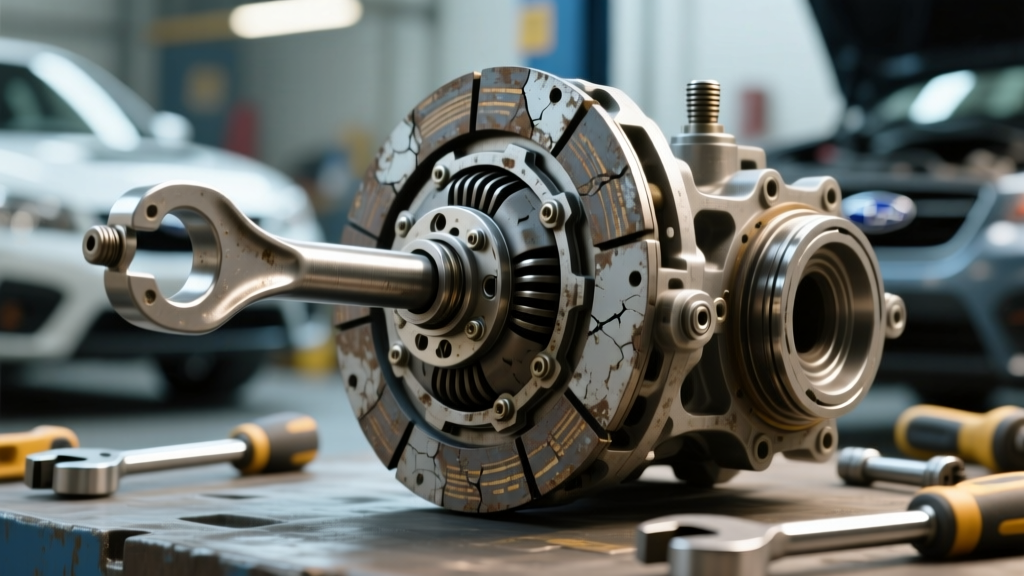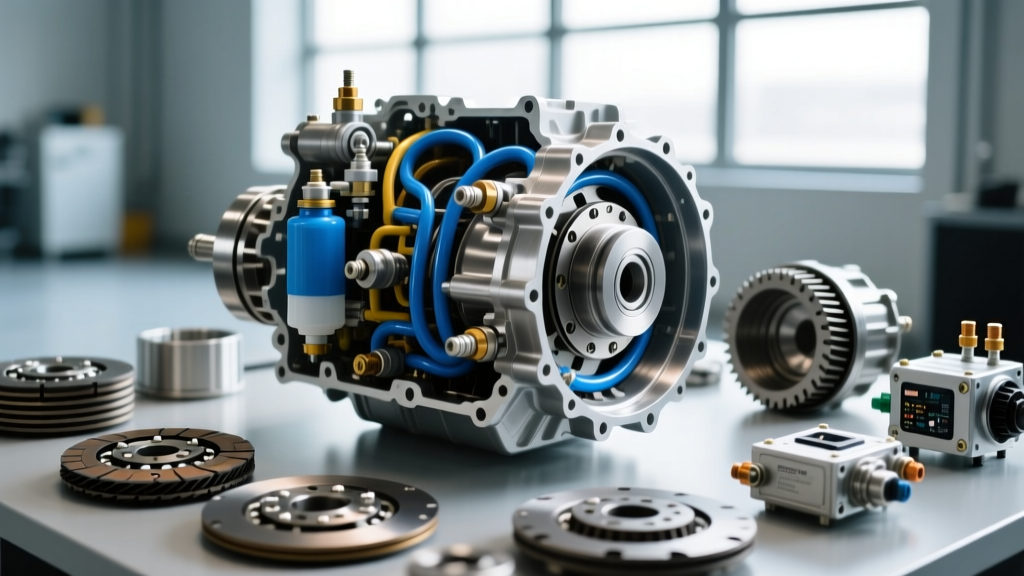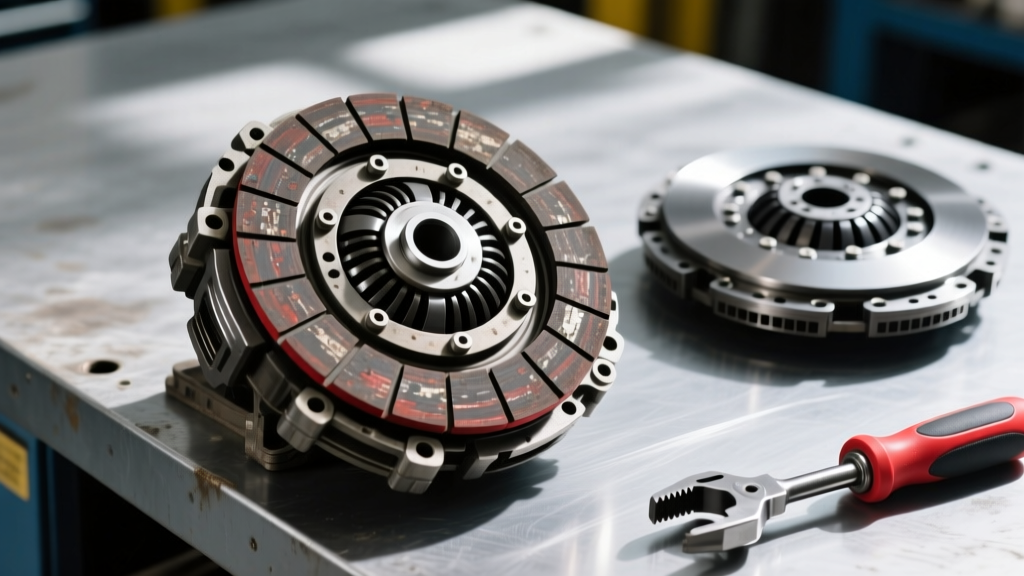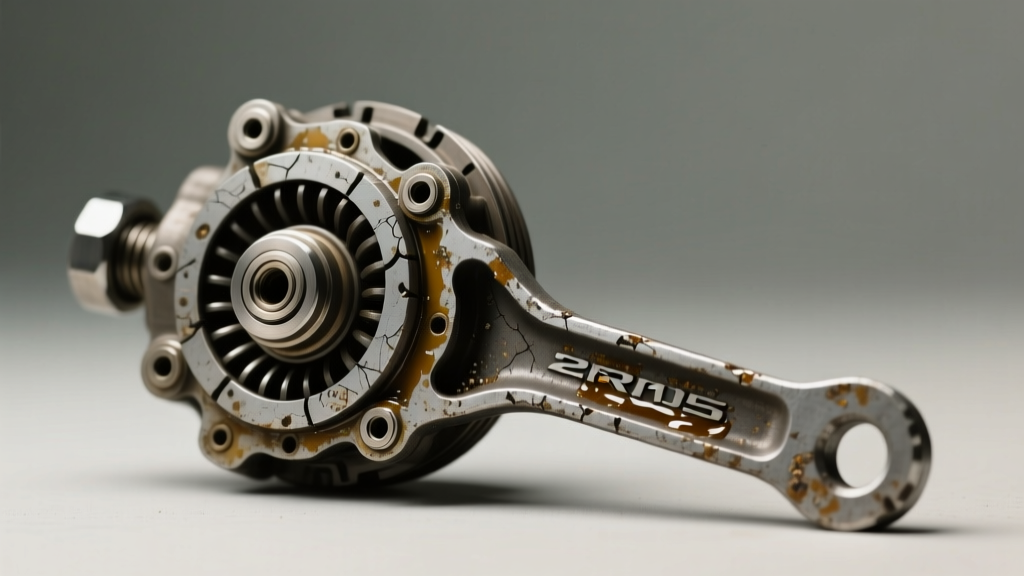
Manual transmission longevity relies on the precise geometry of the release mechanism. When the clutch fork and pivot ball degrade, the entire drivetrain suffers from asymmetric wear, chatter, and eventual hydraulic failure.
The Mechanical Reality: Clutch Fork and Pivot Ball Dynamics
In the ecosystem of heavy-duty and light-duty manual transmissions—such as the Aisin G56, New Venture NV4500, and Tremec TR-4050 platforms frequently found in Ram trucks—the clutch release system operates under extreme mechanical disadvantage and high friction. The clutch fork acts as a lever, multiplying the force from the slave cylinder or hydraulic throwout bearing to engage the release bearing against the pressure plate diaphragm springs. The fulcrum for this lever is the pivot ball (or pivot stud).
Unlike internal engine components bathed in pressurized oil, the clutch fork and pivot ball operate in a dry, high-dust environment inside the bellhousing. Over tens of thousands of engagement cycles, the metal-on-metal contact point between the hardened steel pivot ball and the sintered iron or cast-iron clutch fork pad experiences severe tribological wear. This wear alters the clutch geometry, leading to incomplete disengagement, premature release bearing failure, and catastrophic pressure plate scoring.
System Context: Mechanical Wear vs. Viscous Cooling
When master technicians approach comprehensive under-hood drivetrain and cooling system services, they must seamlessly transition between vastly different clutch technologies. For instance, diagnosing a slipping, roaring, or seized 2015 Ram 1500 fan clutch involves testing silicone fluid shear rates, evaluating thermal expansion valves, or checking electronic solenoid engagement parameters via OBD-II bi-directional controls. The fan clutch relies on fluid dynamics and thermal sensors to modulate engine cooling.
In stark contrast, the transmission clutch fork and pivot ball remain purely mechanical, high-friction wear items. While a failing 2015 Ram 1500 fan clutch will trigger cooling system overheat warnings and parasitic horsepower loss, a failing mechanical clutch pivot will silently destroy the transmission input shaft seal and clutch disc long before a dashboard warning light illuminates. Understanding this distinction is vital for technicians performing holistic manual-transmission vehicle inspections.
Diagnostic Symptoms of Pivot and Fork Degradation
Identifying clutch fork and pivot issues requires a nuanced understanding of tactile and auditory feedback. Because the bellhousing masks visual inspection, technicians must rely on the following diagnostic indicators:
1. Pedal Sponginess and Lost Travel
As the pivot ball wears down the pocket of the clutch fork, the effective length of the lever arm changes. In vehicles equipped with an external slave cylinder (like the NV4500), this wear manifests as a 'dead zone' at the top of the clutch pedal travel. The hydraulic system must move further simply to take up the slack created by the worn fork pad before actual clutch disengagement begins.
2. High-Frequency Bellhousing Chatter
A worn pivot ball will no longer provide a stable, spherical fulcrum. Under heavy load or during aggressive clutch engagement (such as towing or launching from a stop), the fork will micro-oscillate on the degraded pivot surface. This translates into high-frequency chatter that is often misdiagnosed as a warped flywheel or failed dual-mass flywheel (DMF) damper.
3. Asymmetric Release Bearing Wear
If the clutch fork pivot stud bends or wears unevenly, the fork will twist slightly on its axis. This forces the release bearing to contact the pressure plate diaphragm fingers at an angle. Upon pulling the transmission, you will find the release bearing worn into a wedge shape, and the diaphragm fingers will exhibit uneven, scalloped wear patterns.
Precision Measurements and OEM Specifications
Accurate diagnosis requires pulling the inspection cover or dropping the transmission to measure the components. Guesswork leads to repeat failures. Below are the critical wear limits and specifications for standard Ram manual transmission release components.
| Component | OEM / Reference Part | New Specification | Maximum Wear Limit | Est. Cost (2026) |
|---|---|---|---|---|
| Pivot Ball Stud | Mopar 52113110AB | 0.750" Sphere Dia. | 0.015" Lateral Play / Flats | $18 - $35 |
| Clutch Fork | Mopar 52113112AB | 0.250" Pad Thickness | 0.120" Pad Thickness (Dishing) | $85 - $145 |
| Fork Pivot Pocket | Integrated into Fork | Smooth Sintered Iron | Visible Grooving or Cracking | N/A (Replace Fork) |
| Pivot Stud Torque | Bellhousing Thread | 28 lb-ft (w/ Threadlocker) | N/A | N/A |
Expert Replacement Best Practices
Replacing the clutch fork and pivot ball is not simply a matter of unbolting and swapping parts. The metallurgy and lubrication protocols must be strictly followed to ensure the repair lasts another 100,000 miles.
- Threadlocker is Mandatory: The pivot stud threads into the bellhousing and is subjected to constant vibrational harmonics from the engine block. You must apply a medium-to-high strength threadlocker (such as Loctite 262 or 271) to the pivot stud threads. Failure to do so will result in the stud backing out, dropping the clutch fork, and leaving the driver stranded without a clutch pedal.
- Torque Specifications: The pivot stud must be torqued to exactly 28 lb-ft. Over-torquing can strip the aluminum threads in modern bellhousings or crack the cast-iron boss in older NV4500 housings.
- Strategic Lubrication: This is where novice mechanics fail. You must apply a high-molybdenum disulfide (moly) grease to the contact pads where the release bearing collar rides, and lightly on the pivot ball sphere. Never pack the clutch fork pivot pocket with grease. Excess grease will attract clutch dust, creating an abrasive lapping compound that will destroy the new pivot ball in under 5,000 miles.
- Upgrade to Hardened Steel: If your application allows, source an aftermarket hardened steel or ceramic-coated pivot ball. Standard OEM steel balls can wear grooves into aftermarket heavy-duty clutch forks, especially when paired with high-clamp-load pressure plates (e.g., South Bend or Valair setups common in diesel applications).
The Hydraulic Domino Effect
It is impossible to diagnose clutch fork and pivot issues without evaluating the hydraulic system. In the Aisin G56 transmission, the internal hydraulic throwout bearing relies on precise fork geometry. If the pivot ball wears down by just 0.100", the throwout bearing must extend further to achieve disengagement. This over-extension can blow the internal seals of the hydraulic bearing, leaking DOT 4 brake fluid directly onto the clutch disc.
For external slave cylinder setups, a worn pivot alters the rod stroke. Technicians should always bleed the hydraulic system using a pressure bleeder set to 15-20 PSI after replacing the fork and pivot to ensure no air is trapped in the master cylinder circuit, which would otherwise mask the mechanical improvements made to the fork geometry.
Sourcing and Verification
When sourcing replacement components, always verify the part numbers against your specific VIN and transmission casting number. The Mopar Parts Catalog is the definitive source for OEM release components, while the RockAuto Parts Database provides excellent cross-referencing for heavy-duty aftermarket upgrades. For specialized manual transmission applications, consulting Tremec Manual Transmission Resources ensures you are utilizing the correct fork geometry for swapped or upgraded drivetrains.
By treating the clutch fork and pivot ball as precision measurement components rather than simple hardware, technicians can eliminate drivetrain chatter, preserve hydraulic integrity, and ensure seamless power delivery in manual transmission platforms.