Understanding the Prius FWD Power Split Device
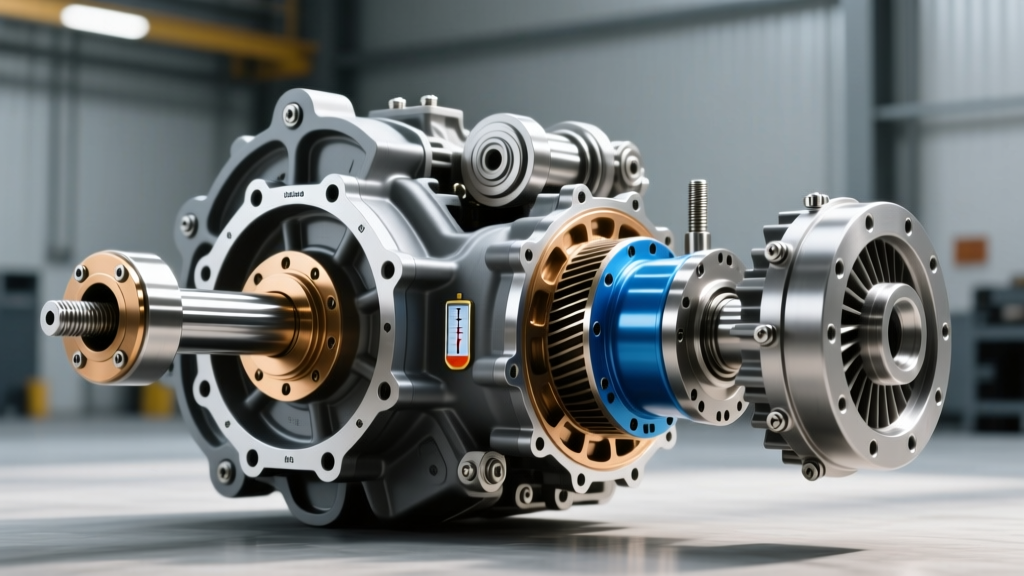
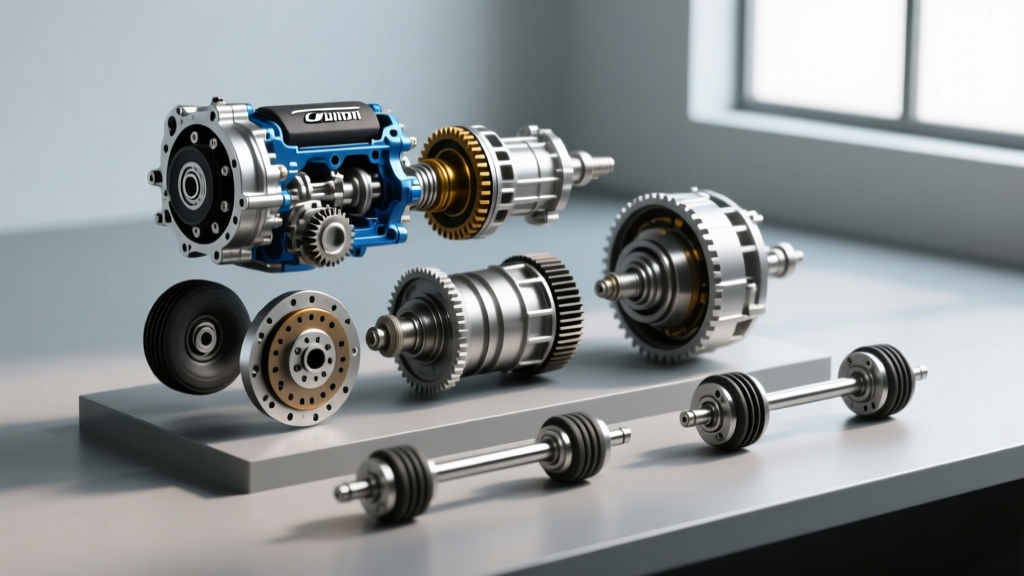
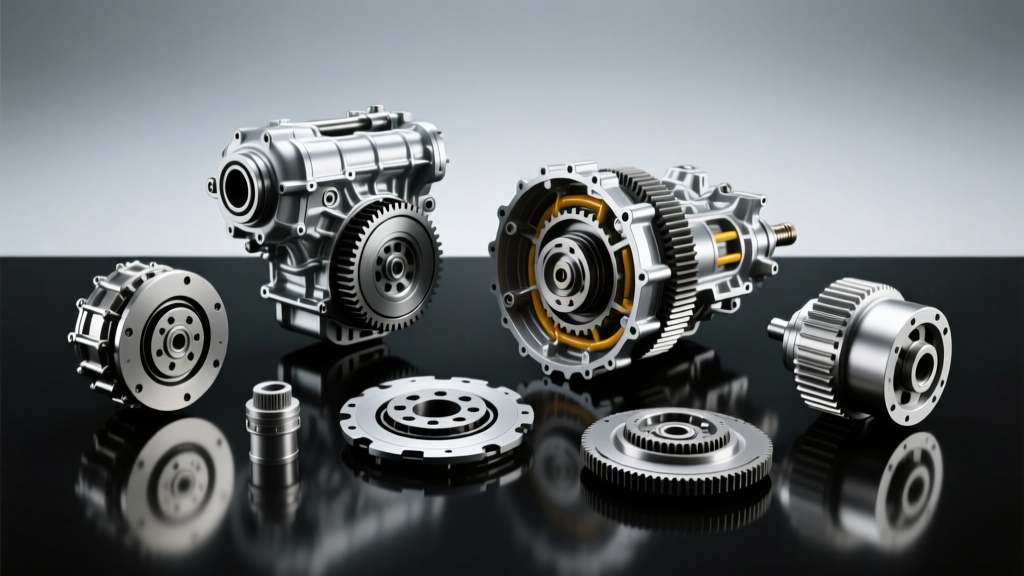
The Toyota Prius utilizes a highly specialized front-wheel drive (FWD) architecture that fundamentally differs from conventional transaxles. Instead of a traditional belt-and-pulley continuously variable transmission (CVT) or a stepped automatic, the Prius drivetrain relies on a Power Split Device (PSD)—a planetary gearset that seamlessly blends torque from the internal combustion engine (ICE) and Motor Generator 2 (MG2). Because the Prius is strictly front-wheel drive in its standard configuration, all motive force from the PSD must pass through a reduction gearset, a differential, and front half-shafts to reach the road.
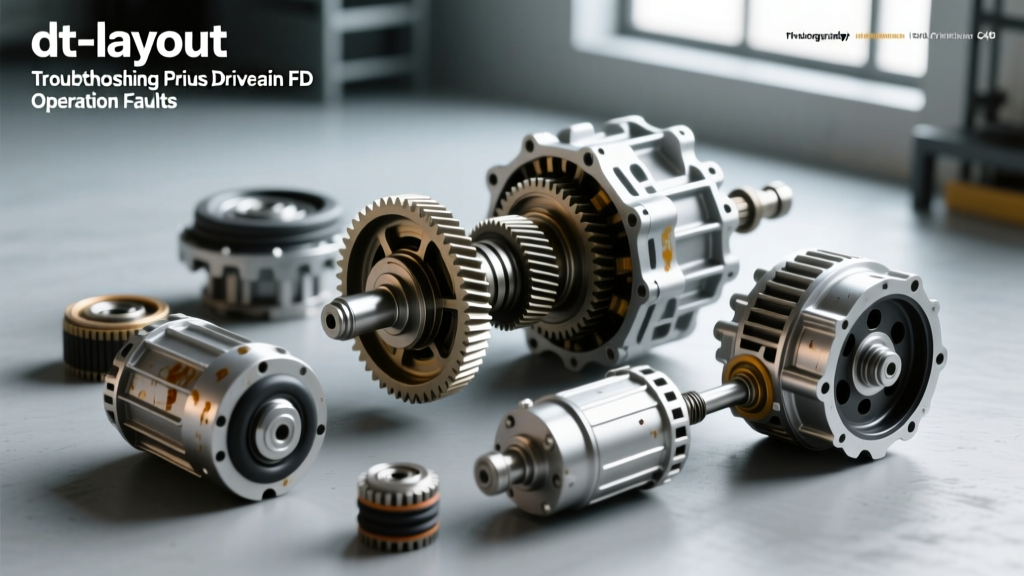
When diagnosing front-wheel drive system operation faults, technicians must isolate whether the symptom originates from the high-voltage electrical domain (MG2 stator/rotor, inverter) or the mechanical FWD drivetrain components (reduction gears, differential bearings, CV joints). Misdiagnosing a mechanical gear whine as an inverter fault is a common and costly error. This guide details the exact diagnostic pathways for Prius FWD drivetrain anomalies, utilizing factory specifications and real-world failure modes observed through the 2026 model year.
Transaxle Identification & Fluid Specifications
Accurate diagnosis begins with identifying the specific transaxle generation. The mechanical layout of the FWD reduction gears changed significantly between the 3rd and 5th generations, altering common failure points.
| Generation (Years) | Transaxle Model | FWD Reduction Layout | Fluid Spec & Capacity |
|---|---|---|---|
| Gen 3 (2010-2015) | P410 | Chain-driven counter gear to differential | Toyota ATF WS (3.8 L) |
| Gen 4 (2016-2022) | P610 | Direct parallel-axis helical reduction gear | Toyota ATF WS (3.4 L) |
| Gen 5 (2023-2026) | P810 | Compact parallel-axis with integrated parking pawl | Toyota ATF WS (3.2 L) |
Note: Always verify exact fluid capacity on the under-hood emissions/fluorocarbon label, as minor running changes occur mid-generation.
Symptom 1: High-Frequency Whine During FWD Acceleration
A high-pitched whine that scales linearly with vehicle road speed (not engine RPM) is the hallmark of mechanical FWD reduction gear wear. In the P410 and P610 transaxles, this is almost exclusively caused by tapered roller bearing degradation on the counter-gear shaft or the differential carrier.
Diagnostic Isolation Protocol
- EV Mode Test: Force the vehicle into EV mode. Accelerate from 15 to 45 mph. If the whine is present without the ICE running, the fault is strictly mechanical (FWD gears, differential, or wheel bearings).
- Frequency Analysis: Use an NVH (Noise, Vibration, Harshness) app or chassis ears. FWD reduction gear bearing whine typically peaks between 400 Hz and 800 Hz under load. Wheel bearings usually manifest as a lower-frequency growl (150-300 Hz) that changes pitch during lateral load transfer (cornering).
- Fluid Inspection: Drain the transaxle fluid via the 10mm hex drain plug (Torque spec: 49 Nm / 36 lb-ft). Inspect for a heavy, glitter-like suspension of brass or steel particulate. A fine gray paste is normal clutch wear; sharp metallic flakes indicate catastrophic bearing cage failure.
Repair Realities & Part Data
Toyota does not officially sell internal bearings for the P410/P610 transaxles as standalone service parts through standard dealer channels; they mandate a complete transaxle assembly replacement. A new OEM transaxle costs between $4,200 and $5,800. However, specialized hybrid rebuilders offer remanufactured units with upgraded bearing races for $2,600 to $3,400. If sourcing aftermarket counter-shaft bearings (e.g., OEM equivalent 90366-40014), precise preload shimming is required. Incorrect preload will result in immediate whine recurrence within 500 miles.
Symptom 2: Low-Speed FWD Shudder and Driveline Lash
When the Prius transitions from regenerative braking to positive FWD torque (the 'zero-crossing' point), drivers may feel a distinct shudder or metallic clunk. This symptom points to excessive backlash in the FWD drivetrain.
Root Cause Analysis
- Inner CV Joint (Tripod) Wear: The inner tripod joints on the Prius FWD half-shafts are prone to wear in the roller bearings, creating axial play. Inspect the inner CV boots for tears. Even if the boot is intact, grease degradation leads to micro-pitting on the tripod housing. Replace the half-shaft assembly (OEM Part: 43410-47070 for Gen 3 Left). Torque the 30mm axle nut to 216 Nm (159 lb-ft) using a new staked nut.
- Engine-to-Transaxle Damper Failure: The Prius uses a specialized torsional damper between the ICE crankshaft and the transaxle input shaft. If the internal springs fatigue, engine torque pulses transfer directly into the FWD planetary gears, causing a low-speed shudder. Diagnosis requires removing the upper transaxle bellhousing inspection cover to check for excessive radial play in the damper plate.
- Differential Pinion Gear Wear: High-mileage Gen 2 and Gen 3 models (200,000+ miles) may exhibit differential pinion gear wear, causing a 'clunk' when shifting from Reverse to Drive. This requires transaxle teardown and differential replacement.
Symptom 3: 'Check Hybrid System' with FWD Limp Mode
While a Check Hybrid System light can indicate a battery fault, when accompanied by a severe loss of FWD motive power (limp mode), the issue often lies in the MG2 stator or the inverter's FWD drive circuitry. The PSD relies on MG2 to provide the bulk of low-speed FWD torque. If MG2 experiences an insulation breakdown, the system disables FWD drive to prevent a high-voltage short.
Advanced Techstream Diagnostics
Connect a Toyota Techstream interface and navigate to the Hybrid System data list. Monitor the following parameters during a controlled FWD acceleration test:
- MG2 Insulation Resistance: Look for DTC P3125 (System Main Relay / Inverter Fault). Sub-codes pointing to the MG2 stator (e.g., P3125-123) confirm internal winding degradation. This is often caused by inverter coolant degradation, which becomes conductive over time.
- Inverter Coolant Flow: The electric water pump (Part: G9020-47031) circulates coolant over the FWD inverter IGBTs. If the pump fails, the inverter limits MG2 torque output to prevent thermal meltdown. Check the inverter coolant reservoir for visible turbulence when the car is in READY mode. No turbulence equals a dead pump.
Expert Bleeding Tip: When replacing the inverter coolant pump or servicing the FWD inverter cooling loop, air pockets are the enemy. Use the Techstream 'Coolant Bleed' utility to cycle the pump at varying speeds. Failure to properly bleed the system will result in localized hot spots on the MG2 FWD power transistors, leading to premature inverter failure.
Step-by-Step FWD Drivetrain Isolation Matrix
To systematically isolate Prius drivetrain faults, use this decision matrix based on the primary symptom and operating condition:
| Symptom | Condition / Trigger | Primary Suspect Domain | First Diagnostic Step |
|---|---|---|---|
| Whine / Howl | Scales with road speed, present in EV mode | Mechanical FWD (Bearings/Gears) | NVH frequency analysis & fluid inspection |
| Clunk / Lash | Zero-crossing (Regen to Acceleration) | Mechanical FWD (CV Joints/Damper) | Axle axial play check & damper inspection |
| Shudder / Vibration | Heavy acceleration, ICE engaged | Electrical / Damper (MG1/ICE) | Techstream MG1 torque ripple data |
| Limp Mode / No Move | DTC P3125 or P0A09 present | Electrical FWD (Inverter/MG2) | Check inverter coolant flow & isolation codes |
Preventative Maintenance for FWD Longevity
The Prius FWD drivetrain is remarkably robust, but it is not maintenance-free. Toyota's official literature often labels the ATF WS fluid as 'lifetime,' but independent hybrid specialists universally recommend a drain-and-fill every 60,000 miles. Because the FWD reduction gears share the same fluid sump as the high-voltage MG1 and MG2 stators, maintaining the dielectric and lubricating properties of the ATF WS fluid is critical. Use only genuine Toyota ATF WS (Part: 00279-000T4); aftermarket 'multi-vehicle' CVT fluids often have incorrect friction modifiers and dielectric thresholds that can trigger inverter faults or accelerate FWD gear wear.
For comprehensive factory service procedures and wiring diagrams, technicians should consult the Toyota Technical Information System (TIS). Additionally, monitoring long-term reliability data and service bulletins via the National Highway Traffic Safety Administration (NHTSA) and the Toyota Owners Portal ensures you are addressing known FWD drivetrain edge cases specific to your vehicle's build date.