The Hidden Cost of Creeping: Why Driving Habits Cause DCT Slip
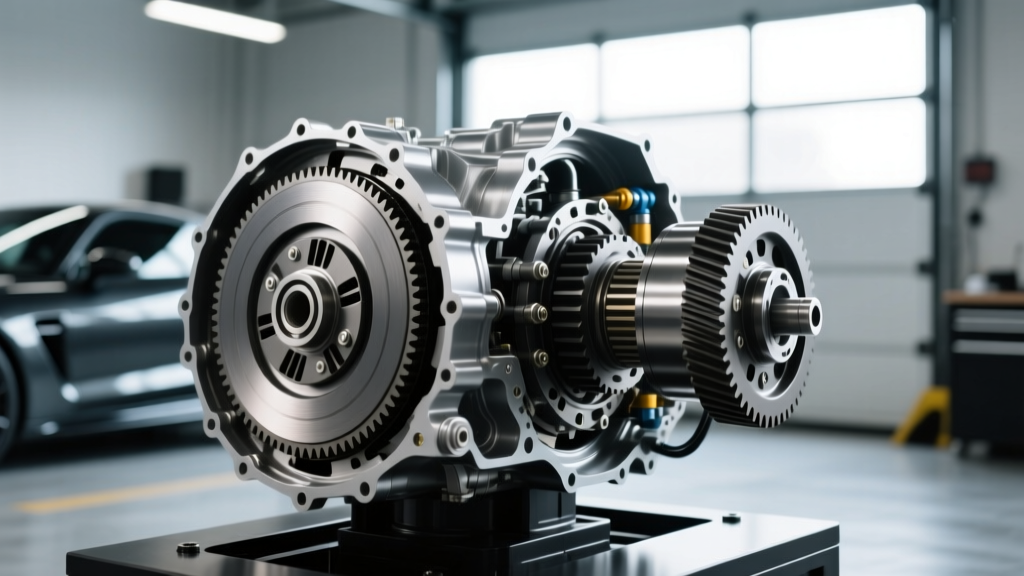
Dual Clutch Transmissions (DCTs) represent the pinnacle of modern powertrain engineering, bridging the gap between the direct mechanical engagement of a manual gearbox and the convenience of a traditional torque-converter automatic. However, beneath the mechatronic valve body and twin input shafts lies a fundamental truth: a DCT is, at its core, a pair of automated manual clutches. When owners fail to understand how to drive dual clutch systems correctly, they inadvertently subject the friction materials to extreme thermal stress, leading to premature clutch slipping, shudder, and eventual mechatronic failure.
As we navigate the 2026 automotive landscape, DCTs are found in everything from the Volkswagen Golf R (DQ381) to the Porsche 911 (ZF 7DT PDK) and the Hyundai Elantra N (8-speed wet DCT). Yet, the fundamental physics of clutch slip remain unchanged. This preventive maintenance guide explores the specific symptoms of DCT slip, the diagnostic frameworks required to measure wear, and the driving techniques necessary to maximize the lifespan of your dual-mass flywheel and clutch packs.
How to Drive Dual Clutch Systems in Stop-and-Go Traffic
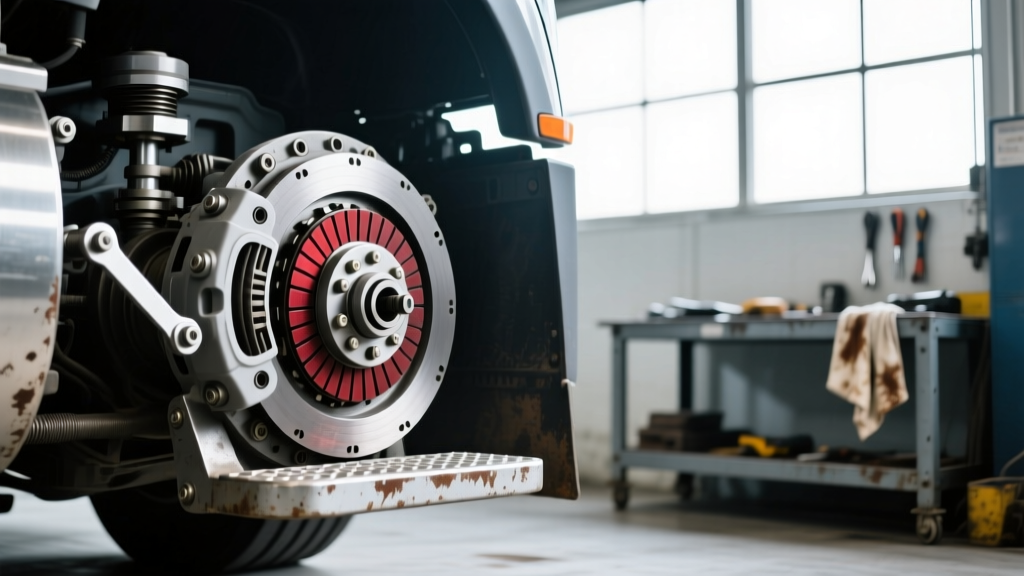
The most common cause of DCT clutch slip is not aggressive launch control, but rather low-speed 'creeping' in heavy traffic. In a traditional automatic transmission, slipping the torque converter at 3 mph generates heat that is safely dissipated by the transmission cooler and the fluid's shear properties. In a dry-clutch DCT (like the Ford DPS6 or VW DQ200), there is no fluid to absorb this heat. The friction discs are left to micro-slip against the flywheel, rapidly generating temperatures exceeding 250°C (482°F).
Preventive Driving Techniques
- The 'Hold and Release' Method: Never use the throttle to modulate your speed at crawling speeds (under 5 mph). Instead, apply the brake firmly to fully disengage the clutch via the mechatronic unit's pressure sensors. Wait for the car ahead to move a full car length, release the brake to allow the clutch to fully bite, and accelerate past 8 mph before braking again.
- Utilize Auto-Hold Features: If your vehicle is equipped with an Auto-Hold function, enable it in city driving. This ensures the mechatronic unit fully releases the clutch actuator fork when stopped on an incline, preventing the clutch from 'feathering' to hold the car's weight against gravity.
- Avoid Incline Creep: Riding the brake on a hill while applying slight throttle keeps the clutch in a perpetual state of partial engagement. This is the fastest way to glaze the friction material and trigger a 'Clutch Overheat' limp-mode warning on your dashboard.
Recognizing the Symptoms of a Slipping Dual Clutch
Because DCTs lack the fluid coupling of a torque converter, clutch slip manifests differently than in traditional automatics. Recognizing these symptoms early can mean the difference between a simple software adaptation and a $3,500 transmission teardown.
- RPM Flares During Upshifts: If the engine RPM hangs or spikes by 200-400 RPM during a 2-3 or 4-5 upshift under moderate load, the off-going clutch is failing to release cleanly, or the on-going clutch is slipping before full hydraulic pressure is achieved.
- Low-Speed Shudder (1st to 2nd Gear): A pronounced vibration or 'chatter' between 8 and 15 mph indicates uneven friction material wear or hot-spotting on the steel separator plates. This is highly prevalent in dry-clutch applications.
- Delayed Engagement from Reverse to Drive: If there is a 1.5 to 2-second delay and subsequent 'clunk' when shifting from R to D, the clutch adaptation values have exceeded the mechatronic unit's maximum stroke compensation limits.
- Thermal Limp Mode: A dashboard warning indicating 'Transmission Overheat' followed by restricted power is the ECU's final attempt to save the friction material from melting onto the clutch basket splines.
Diagnostic Framework: Pinpointing DCT Wear
Diagnosing a slipping DCT requires moving beyond generic OBD2 code readers. You must interrogate the Transmission Control Module (TCM) for specific adaptation data and hydraulic pressure deviations.
Step 1: OBD2 Adaptation Value Analysis
Using specialized software like VCDS (for VAG vehicles) or FORScan (for Ford), access the TCM's Advanced Measuring Blocks. For a VW DQ250 (6-speed wet DCT), navigate to Measuring Value Block (MVB) 098 and 210. These blocks display the 'Clutch Adaptation Volume' and 'Touch Point Pressure'.
As the friction material wears down, the mechatronic solenoid must push the clutch piston further, requiring more hydraulic fluid volume. If the adaptation volume for Clutch 1 or Clutch 2 exceeds the OEM threshold (typically around 14.0 bar of maximum clamping pressure or specific volume limits measured in milliliters), the clutch pack is mechanically worn, regardless of whether a slip code is currently stored.
Step 2: Fluid Condition and Mechatronic Health
According to AA1Car's Dual Clutch Diagnostic Guide, contaminated fluid is a primary culprit for mechatronic solenoid failure, which mimics clutch slip. The DCT fluid serves two purposes: lubricating the gears and actuating the hydraulic clutch pistons. If the clutch friction material degrades, microscopic carbon and Kevlar fibers suspend in the fluid, clogging the 10-micron filters inside the mechatronic valve body. This causes a drop in line pressure, resulting in clutch slip during high-torque demands.
DCT Fluid Specifications and Service Intervals
| Transmission Model | Clutch Type | OEM Fluid Specification | Capacity | Preventive Service Interval |
|---|---|---|---|---|
| VW DQ250 (02E) | Wet | G 052 182 A2 / Pentosin FFL-2 | 7.2 Liters | 40,000 Miles / 4 Years |
| Ford DPS6 (6DCT250) | Dry | Motorcraft XT-11-QDC | 1.9 Liters | 60,000 Miles (Despite 'Sealed' claims) |
| Porsche PDK (ZF 7DT) | Wet | Porsche 000.043.20 / Shell TF0870 | 8.5 Liters | 60,000 Miles / 6 Years |
| Hyundai 8DCT (N-Line) | Wet | Hyundai Genuine DCT Fluid | 6.8 Liters | 45,000 Miles under severe use |
For those sourcing parts, FCP Euro's DQ250 Service Kits provide the exact OEM filter, O-rings, and fluid required to restore hydraulic integrity and prevent pressure-drop-induced slip.
Mechanical Diagnostics: Flywheel Runout and Bellhousing
If software adaptations and fluid services fail to resolve DCT shudder and slip, the diagnosis must move to the mechanical interface between the engine and transmission. A slipping clutch is often a symptom of a failing Dual Mass Flywheel (DMF).
Measuring DMF Runout
The DMF utilizes internal springs and grease dampeners to absorb torsional engine vibrations. When these internal stops fail, the secondary mass of the flywheel wobbles. This runout prevents the DCT clutch pack from engaging evenly, causing localized hot spots and slip. Using a dial indicator mounted to the bellhousing, measure the radial runout of the DMF friction surface.
- Acceptable Limit: Less than 1.2mm radial runout.
- Replacement Threshold: Greater than 1.5mm radial runout, or any visible blue heat-bluing on the friction surface.
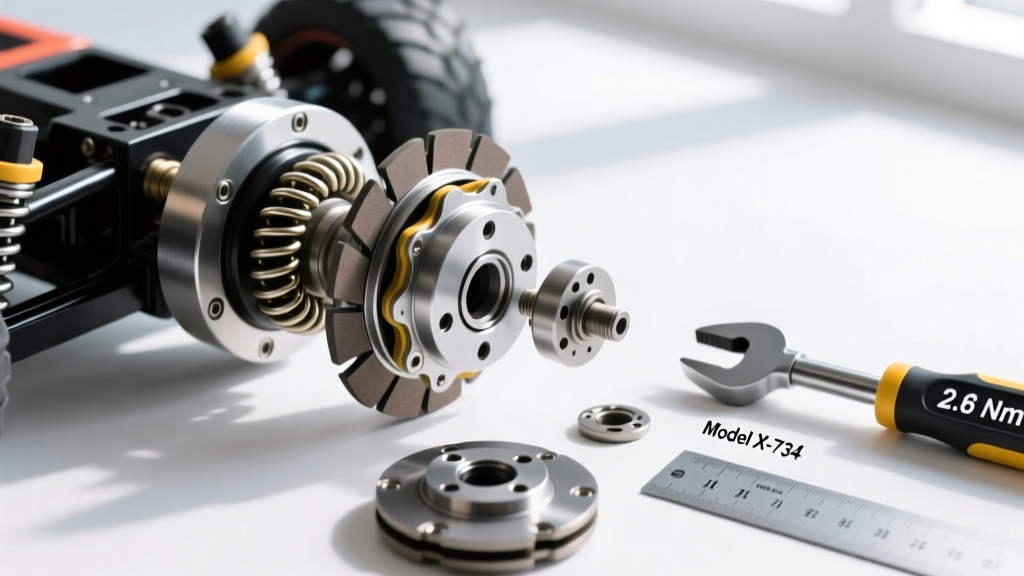
When replacing the DMF and clutch pack, adherence to torque specifications is critical to prevent warping the clutch basket. For a standard VW/Audi application, the M10 flywheel-to-crank bolts must be torqued to 60 Nm + 90 degrees, while the M12 bellhousing-to-engine block bolts require 65 Nm + 90 degrees. Failure to use new stretch bolts or follow the star-pattern torque sequence will result in immediate clutch misalignment and slip upon reassembly.
When to Replace: Cost Expectations and Part Numbers
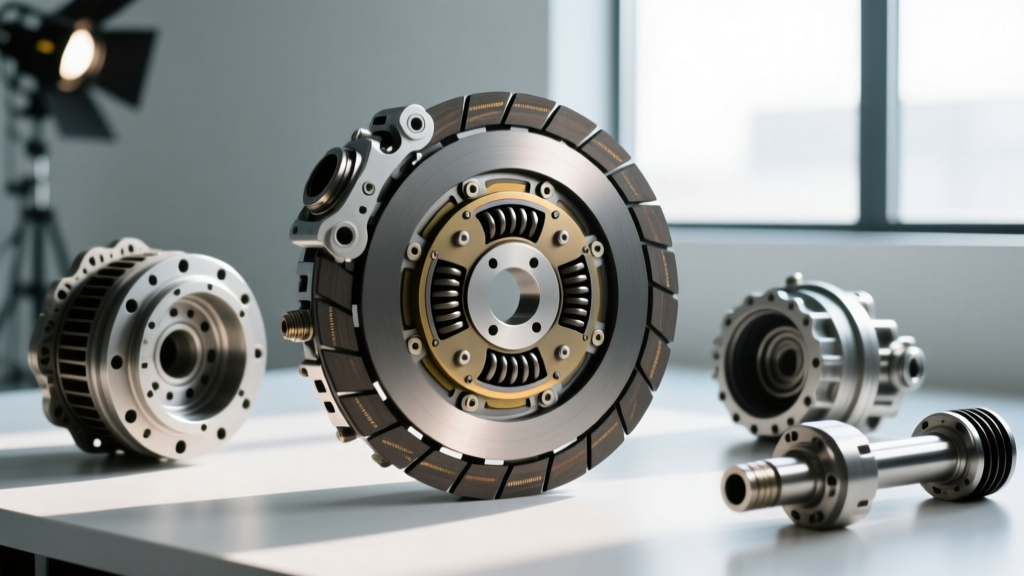
As Bosch Mobility Solutions notes in their transmission systems literature, the integration of the mechatronic unit and the wet clutch packs requires specialized alignment tools during reassembly. You cannot simply 'adjust' a worn DCT clutch pack; it must be replaced as a sealed assembly.
Estimated Replacement Costs (2026 Market Averages):
- VW DQ250 Wet Clutch Pack & DMF (LuK RepSet 602001600): $1,800 - $2,400 (Parts and Labor)
- Ford DPS6 Dry Clutch Actuator & Forks: $900 - $1,400 (Often the root cause of slip, rather than the friction discs themselves)
- Porsche PDK Complete Clutch Module (ZF): $3,500 - $5,200 (Requires proprietary ZF alignment tools and nitrogen-charged accumulator resets)
Final Preventive Verdict
Mastering how to drive dual clutch transmissions is your most cost-effective maintenance tool. By treating the DCT like a manual transmission at low speeds—keeping it fully engaged or fully disengaged, rather than slipping it—you preserve the friction material and hydraulic integrity of the system. Combine disciplined driving habits with strict adherence to 40,000-mile fluid service intervals using exact OEM fluid specifications, and your DCT will reliably handle high-torque loads without the dreaded slip.