The Taxonomy of Automatic Clutch Problems
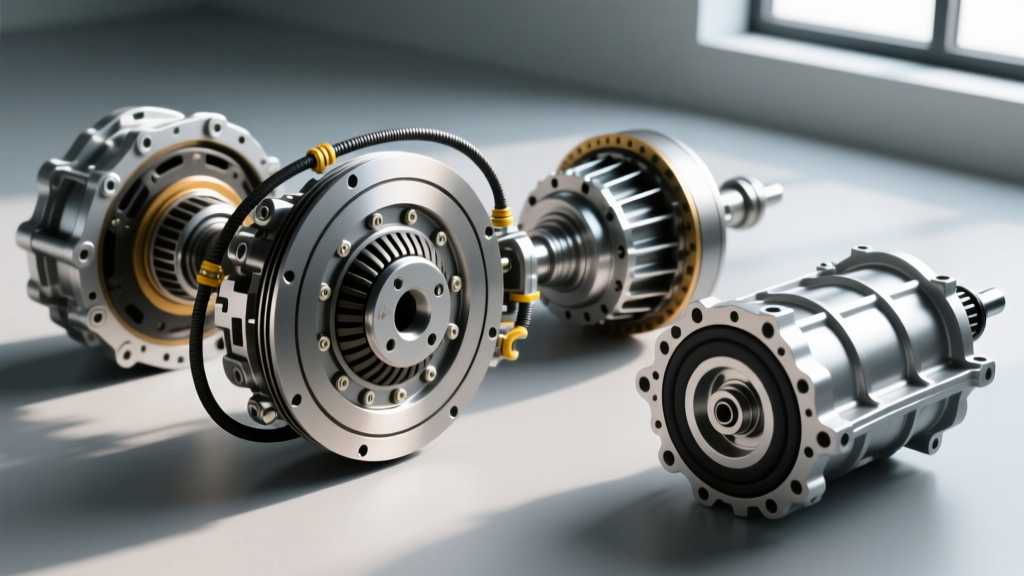
When diagnosing clutch problems in automatic transmissions, the conversation inevitably shifts to the powershift dual clutch architecture. While purists argue that Dual Clutch Transmissions (DCTs) are technically automated manuals, the automotive industry and consumers universally categorize them as automatics due to their lack of a third pedal and autonomous shifting logic. In 2026, the used car market is still saturated with vehicles equipped with early-generation Powershift units, making diagnostic literacy and smart purchasing decisions more critical than ever.
This guide dissects the two most prominent Powershift platforms found in North American and European markets: the infamous dry-clutch Ford DPS6 and the wet-clutch Getrag 6DCT450. We will cover exact failure modes, OEM part numbers, torque specifications, and a comprehensive buyer’s framework for evaluating these transmissions today.
Diagnosing the Ford DPS6 (Dry Dual Clutch)
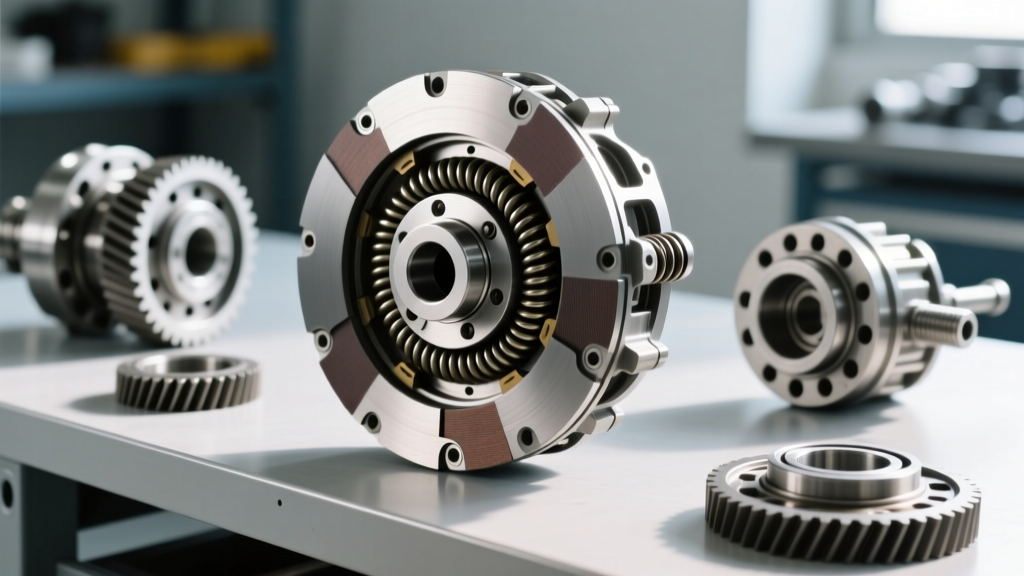
The 6-speed DPS6 Powershift, predominantly found in the 2011–2018 Ford Focus and Fiesta, utilizes a dry dual-clutch pack. Because it lacks an oil bath for cooling, it relies on friction materials similar to a traditional manual transmission. This design choice led to widespread clutch shudder, slipping, and premature wear, culminating in massive class-action lawsuits and extended warranty programs.
Common Failure Points & Diagnostic Codes
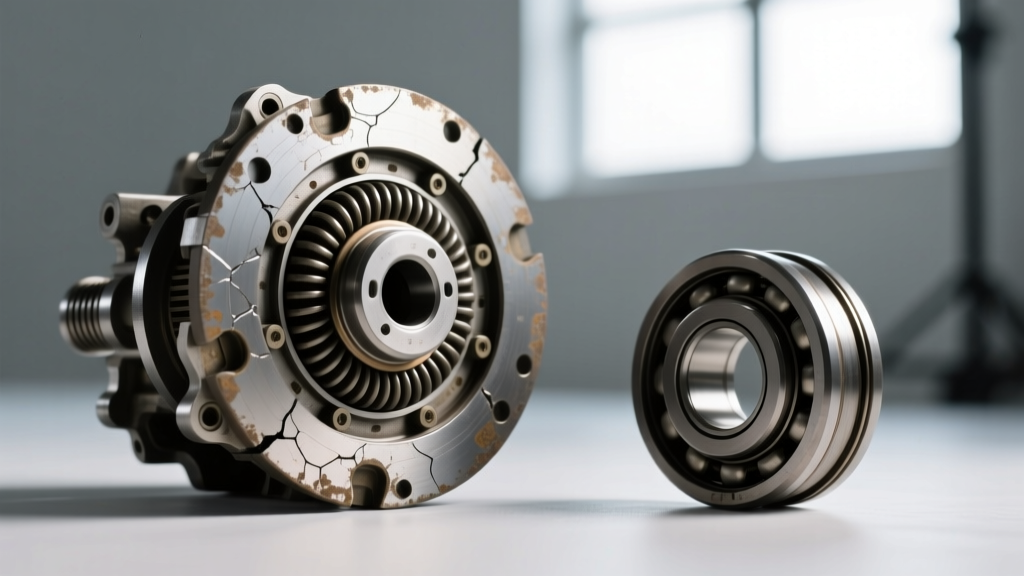
Diagnosing the DPS6 requires separating mechanical clutch wear from electronic actuator failures. Common symptoms include violent shudder on takeoff (slipping odd-gear clutch), hesitation during stop-and-go traffic, and the dreaded "Transmission Fault" wrench light.
- P0902 (Clutch Actuator Circuit Low): Typically indicates a failed clutch actuator motor or a wiring harness chafe near the bellhousing.
- P073E / P073D (Incorrect Gear Ratio): Often points to severe mechanical wear on the clutch friction discs or a shattered clutch fork pivot ball.
- P287A / P287B (Clutch Position Sensor Circuit): Internal Transmission Control Module (TCM) failure. The TCM is mounted directly on the transmission casing, subjecting its internal solder joints to extreme thermal cycling and vibration.
Essential Part Numbers & Shimming Specifications
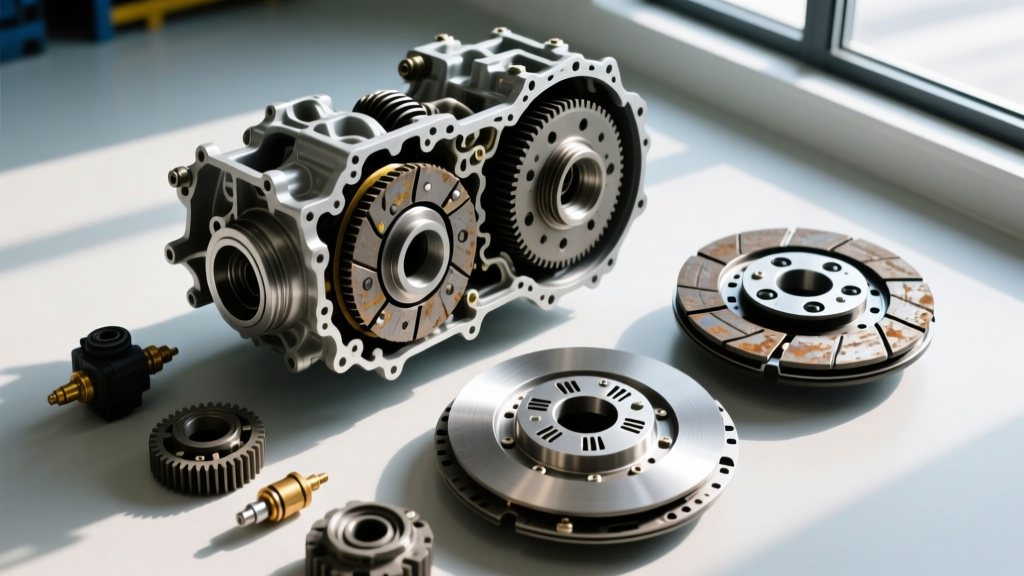
If you are rebuilding a DPS6 in 2026, sourcing the correct hardware is non-negotiable. The OEM Ford dual clutch pack part number is AE8Z-7B157-A. For a high-quality aftermarket alternative, the LuK RepSet (600 0033 00) includes the clutch pack, release bearings, and necessary alignment tools.
Critical Installation Note: Unlike traditional automatics, the DPS6 clutch pack requires precise axial shimming. After installing the new clutch pack, you must use a dial indicator to measure the clearance between the clutch hub and the snap ring groove. The target axial clearance is 0.25mm to 0.45mm. Ford supplies selective snap rings ranging from 2.0mm to 4.0mm (in 0.1mm increments) to achieve this spec. Failure to shim correctly will result in immediate clutch drag or severe shudder upon reassembly.
Torque Specifications for Reinstallation
- Transmission to Engine Block (M10 Flange Bolts): 35 lb-ft (47 Nm)
- Clutch Actuator Retaining Bolts: 11 lb-ft (15 Nm)
- Clutch Actuator Lever Ball Stud: 15 lb-ft (20 Nm)
- Drive Axle to Hub Nut: 214 lb-ft (290 Nm) - Must be replaced, single-use torque-to-yield.
Evaluating the Getrag 6DCT450 (Wet Dual Clutch)
While the DPS6 struggled with dry friction, the Getrag 6DCT450 (used in the Ford Mondeo, Edge, Volvo S60, and Range Rover Evoque) submerges its clutch packs in a specialized fluid bath. This wet powershift dual clutch design handles significantly higher torque loads (up to 450 Nm) and eliminates the low-speed shudder inherent to dry clutches. However, it introduces a new set of automatic transmission clutch problems centered around fluid degradation and mechatronic failures.
Fluid Contamination and Mechatronic Wear
The clutch packs in the 6DCT450 shed microscopic friction material into the transmission fluid over time. If the fluid is not changed at strict 30,000-mile intervals, this particulate matter clogs the intricate solenoid valves inside the mechatronic unit (the combined valve body and TCM). Symptoms of mechatronic failure include harsh 2-1 downshifts, delayed engagement into Reverse, and erratic RPM flares during 3-4 upshifts.
When servicing the 6DCT450, you must use the exact OEM-specified fluid. For Ford applications, this is Motorcraft Dual Clutch Transmission Fluid (XT-11-QDC). The total system capacity is approximately 7.2 Liters, though a standard drain-and-fill via the inspection cover will only yield about 4.5 Liters. Always replace the external spin-on filter (Motorcraft FT-144) during this service.
2026 Buyer’s Comparison: DPS6 vs. 6DCT450
If you are shopping for a used vehicle or preparing a repair estimate, use this comparison matrix to understand the financial and mechanical realities of these powershift dual clutch systems in the current market.
| Feature | Ford DPS6 (Dry) | Getrag 6DCT450 (Wet) |
|---|---|---|
| Clutch Architecture | Dry Friction Pads | Wet Multi-Plate Clutches |
| Fluid Capacity / Type | 1.9L / Manual Gear Oil (XT-MTF) | 7.2L / DCT Fluid (XT-11-QDC) |
| Most Common Failure | TCM Solder Cracks / Clutch Wear | Mechatronic Solenoid Clogging |
| OEM Clutch Pack PN | AE8Z-7B157-A | BV41-7B157-A (Varies by application) |
| Avg. Repair Cost (2026) | $1,200 - $1,800 (Clutch & TCM) | $2,800 - $4,500 (Mechatronic Unit) |
| Expected Lifespan | 60,000 - 90,000 miles | 120,000 - 150,000+ miles (with strict fluid changes) |
Purchasing Guide: Sourcing Parts and Used Vehicles
As we navigate the 2026 used car market, the extended warranty programs that Ford once offered for the DPS6 TCM (which covered some vehicles for up to 10 years or 150,000 miles) have largely expired. This shifts the financial burden entirely onto the consumer. When evaluating a used Focus or Fiesta, plug an OBD2 scanner into the DLC port and check the TCM monitor status. If the TCM has been recently replaced but the clutch adaptation data shows high wear values, a mechanical clutch replacement is imminent.
For the 6DCT450, the buyer's strategy should focus entirely on maintenance records. Because the mechatronic unit is incredibly sensitive to fluid viscosity and particulate contamination, a missing service history is a massive red flag. Replacing a failed mechatronic unit requires specialized software to perform the "Adaptive Clutch Fill Volume" learning procedure, meaning this is not a straightforward weekend driveway repair.
Aftermarket vs. OEM Sourcing
When replacing powershift dual clutch components, the temptation to use cheap, unbranded electronic actuators from online marketplaces is high due to the cost of OEM Motorcraft units. Avoid this. The clutch actuators rely on precise Hall-effect sensor feedback to modulate clutch engagement. Inferior aftermarket actuators often suffer from thermal shutdowns after 20 minutes of highway driving. Stick to OEM Motorcraft, or Tier-1 suppliers like LuK, Sachs, and BorgWarner, who manufacture the original components for the assembly line. For comprehensive recall and service bulletin histories, always consult the NHTSA recall database and the Ford Motor Company support portal before finalizing a used vehicle purchase.
Final Diagnostic Verdict
Clutch problems in automatic transmissions are no longer confined to worn torque converter lock-up clutches. The powershift dual clutch architecture demands a hybrid diagnostic approach, blending manual transmission mechanical precision (like dial-indicator shimming) with advanced automatic transmission mechatronic logic. Whether you are diagnosing a shuddering DPS6 in a commuter hatchback or servicing a wet 6DCT450 in a luxury crossover, success relies on strict adherence to torque specs, OEM fluid requirements, and an understanding of the unique failure modes inherent to each design. Armed with this 2026 buyer's and repair guide, you can confidently navigate the complexities of modern automated clutches.