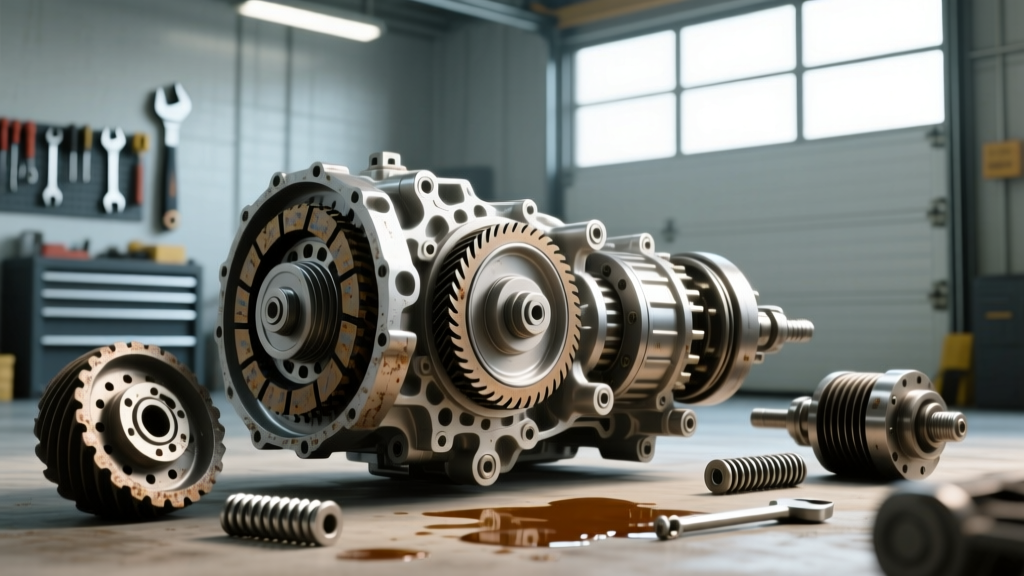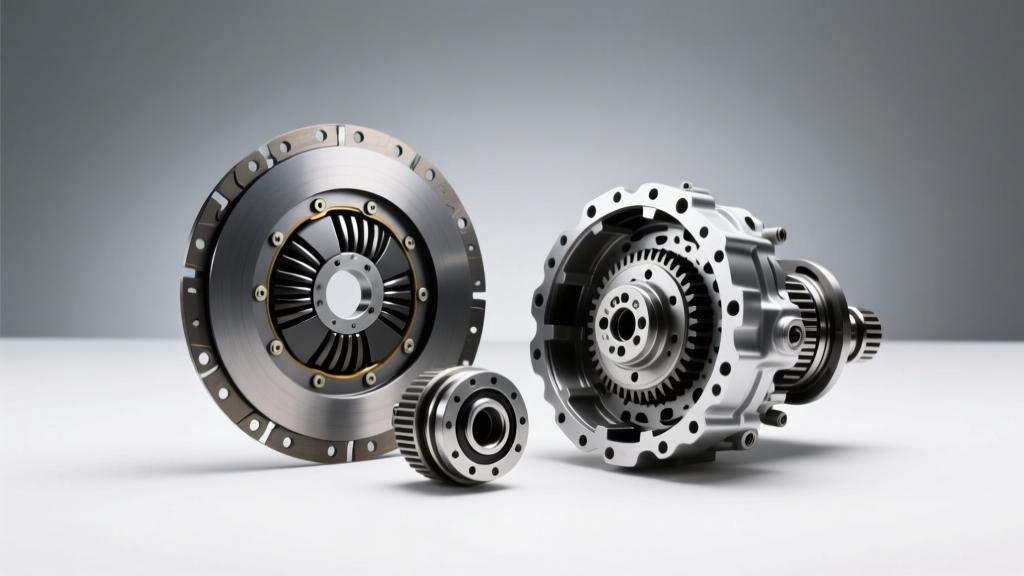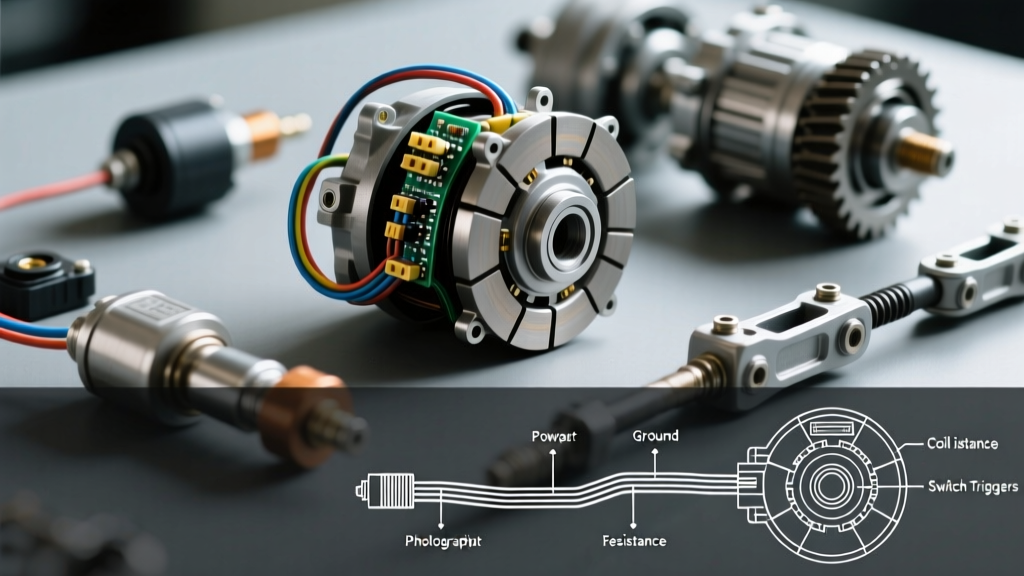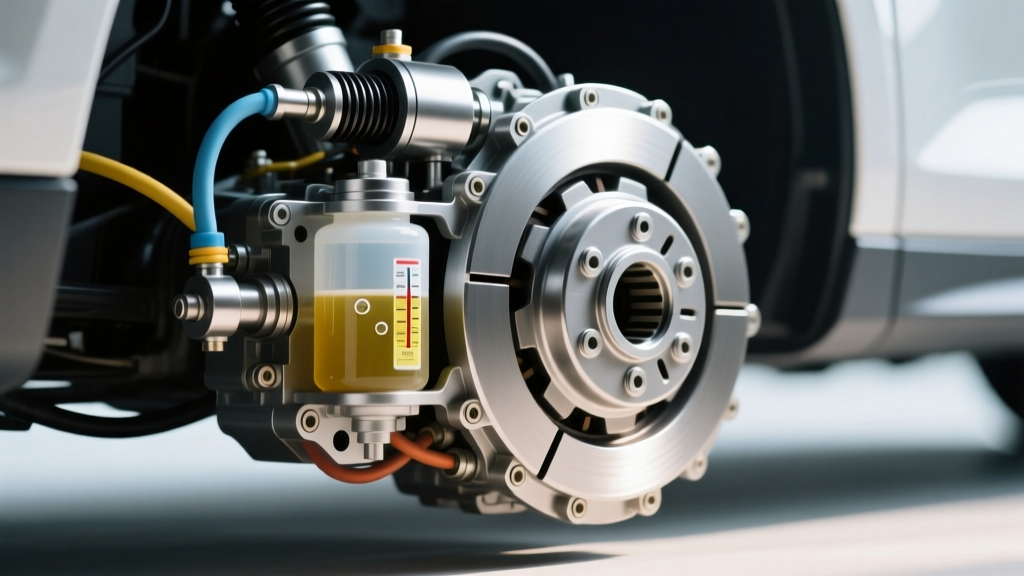
The Post-Replacement Clutch Nightmare: Why Your New Setup Fails
You just spent anywhere from $1,200 to $3,500 replacing the clutch assembly on your manual transmission vehicle. Whether it is a daily-driven Honda Civic Si, a track-prepped Subaru WRX, or a Mustang GT with the Tremec MT-82, the expectation is a crisp, predictable pedal feel and seamless gear engagement. Instead, you are met with a spongy pedal, gear crunching when shifting into first or reverse, or an engagement point that is dangerously close to the firewall.
When clutch problems after replacement occur, the immediate instinct is to blame the aftermarket hardware—a warped pressure plate, a defective throwout bearing, or a mismatched friction disc. However, industry data and transmission teardowns reveal a different reality: nearly 60% of post-repair clutch complaints are rooted in the hydraulic system, specifically the failure to perform a complete fluid exchange and bench-bleed procedure. Understanding the true cost of changing clutch fluid versus the cost of a ruined friction disc is critical for both DIYers and shop owners.
The Hidden Culprit: Hygroscopic Fluid and Bell Housing Heat
Most manual vehicles utilize a hydraulic clutch system sharing the same fluid reservoir as the brakes, or a dedicated master cylinder running DOT 3, DOT 4, or DOT 5.1 glycol-ether-based fluids. These fluids are highly hygroscopic, meaning they absorb moisture from the atmosphere over time.
When a shop replaces a clutch disc and pressure plate (such as an Exedy Stage 1 or ACT Street clutch) but neglects the hydraulics, the old, moisture-laden fluid remains in the lines. Once the new clutch generates immense friction heat inside the bell housing, that heat transfers to the concentric slave cylinder (CSC) or external slave cylinder. The absorbed moisture in the old fluid boils at significantly lower temperatures (as low as 300°F / 149°F for degraded DOT 3), creating vapor pockets. Because hydraulic fluid is incompressible but vapor is not, the result is a spongy pedal and incomplete clutch disengagement—leading to immediate gear grind and premature wear on your brand-new friction material.
Cost Breakdown: Changing Clutch Fluid Post-Repair
If you are experiencing post-repair clutch drag or sponginess, addressing the hydraulic fluid is your first and most cost-effective diagnostic step. Below is a realistic 2026 price breakdown for the cost of changing clutch fluid to resolve these issues.
| Service Provider | Labor Cost | Parts / Fluid Cost | Estimated Total | Methodology & Equipment |
|---|---|---|---|---|
| Dealership | $90 - $140 | $25 - $45 | $115 - $185 | OEM Flush Machine, DOT 4 OEM Spec |
| Independent Shop | $60 - $90 | $15 - $25 | $75 - $115 | Manual Two-Person Bleed or Vacuum |
| DIY Enthusiast | $0 | $25 - $60 | $25 - $60 | Motive Power Bleeder / Speed Bleeders |
Note: Fluid costs vary based on selection. Standard Valvoline DOT 3/4 is under $10, while high-performance racing fluids like Castrol SRF or Motul RBF 660 can cost $40+ per bottle.
Diagnosing Post-Repair Symptoms: Air vs. Mechanical Failure
Before authorizing a warranty claim or paying for a second transmission pull, you must isolate whether the symptom is hydraulic or mechanical. According to installation guidelines published by Schaeffler (LuK), improper bleeding is the number one cause of premature CSC failure.
- Symptom: Gear Crunching on 1st and Reverse (Clutch Drag). Diagnosis: Air trapped in the slave cylinder or old fluid boiling. The clutch is not fully disengaging, meaning the input shaft is still spinning while you try to engage the synchros. Fix: Changing clutch fluid and performing a pressure bleed.
- Symptom: Spongy Pedal / Low Engagement Point. Diagnosis: Micro-leaks at the master cylinder pushrod seal or a failing CSC weep hole. Air is being drawn into the system on the return stroke. Fix: Master cylinder rebuild/replacement and fluid flush.
- Symptom: High Engagement Point (Pedal against the firewall). Diagnosis: Often mechanical. The clutch fork pivot ball may be worn (common on Subaru 5/6-speeds), or the aftermarket pressure plate fingers are improperly adjusted. Fluid changes will not fix this.
The MT-82 and Concentric Slave Cylinder (CSC) Trap
The Tremec MT-82 transmission found in 2011-2023 Ford Mustangs is notorious for post-repair clutch issues. This transmission uses a CSC located inside the bell housing. If a mechanic installs a new LuK CSC (Part # 624326800) without properly bench-bleeding it prior to assembly, air becomes trapped in the internal annular chamber.
Once the transmission is bolted to the engine block, gravity bleeding or standard pedal pumping will rarely expel this trapped air. The shop must use a pressure bleeder (like the Motive Products 0108) to force fluid at 15-20 PSI through the system. If they skip this $20 fluid step, the CSC will over-extend, pop its internal seal, and leak fluid directly onto your new clutch disc. The result? A $400 clutch disc ruined by a $15 bottle of fluid and 10 minutes of neglected bench-bleeding.
Expert Torque Warning: When bleeding the external slave cylinder or master cylinder, never over-torque the bleeder screw. Most hydraulic bleeder valves require a maximum of 7 to 10 Nm (62 to 88 lb-in). Using a standard 3/8" ratchet without a torque wrench will easily snap the soft brass bleeder valve, turning a simple fluid change into a $250 slave cylinder replacement job.
The Warranty Trap: Voided Friction Materials
Understanding the cost analysis of changing clutch fluid requires looking at the worst-case scenario: warranty denial. Premium clutch manufacturers like SPEC, South Bend, and Exedy include strict clauses in their warranty documentation regarding hydraulic maintenance.
If you send a burnt, glazed, or prematurely worn clutch disc back to the manufacturer under warranty, their teardown technicians will measure the friction material and inspect the heat signatures. If they determine the wear pattern is consistent with "clutch drag" (riding the clutch due to hydraulic disengagement failure), the warranty is immediately voided.
Consider the financial breakdown of a warranty denial:
- New Clutch Kit Cost: $450 - $800
- Machine Shop Flywheel Resurfacing: $75 - $125
- Shop Labor for Second R&R (Removal & Replacement): $800 - $1,500
- Total Cost of Neglect: $1,325 - $2,425
Contrast this with the $85 cost of an independent shop properly flushing the system with high-temp DOT 4 fluid during the initial repair. As highlighted in technical maintenance guides by Car and Driver, treating the clutch hydraulic system as a sealed, lifetime component is a critical error that leads directly to these cascading failures.
Fluid Selection: DOT 3 vs. DOT 4 vs. DOT 5.1
When changing clutch fluid to cure post-repair sponginess, upgrading the fluid specification can provide a buffer against bell housing heat.
- DOT 3: Minimum dry boiling point 401°F (205°C). Adequate for light commuting, but prone to vapor lock in stop-and-go traffic with high-performance clutches.
- DOT 4: Minimum dry boiling point 446°F (230°C). The sweet spot for 90% of performance and daily-driven manual vehicles. Contains borate esters for better heat resistance.
- DOT 5.1: Minimum dry boiling point 500°F (260°C). Excellent for track cars, but absorbs moisture faster than DOT 4, requiring more frequent flushes.
- WARNING - DOT 5 (Silicone): Never use silicone-based DOT 5 in a standard hydraulic clutch system. It does not mix with glycol, will destroy the rubber seals in your master cylinder, and compresses slightly under pressure, resulting in a permanently spongy pedal.
Final Verdict: Protect Your Investment
Clutch problems after replacement are frustrating, but they are rarely the fault of the friction materials themselves. The hydraulic system is the vital link between your left foot and the transmission input shaft. If your shop failed to bench-bleed the CSC, adjust the master cylinder pushrod free-play to the required 0.5mm - 1.0mm specification, or flush the hygroscopic fluid, your new drivetrain is operating on borrowed time.
Before tearing the transmission back out, invest the $75 to $150 in a professional hydraulic flush and pressure bleed. The cost of changing clutch fluid is a microscopic insurance policy that protects your drivetrain investment, ensures crisp gear engagement, and keeps your manufacturer warranty fully intact.